1 free read left. Create a free account for unlimited reading + AI research.
Create free account
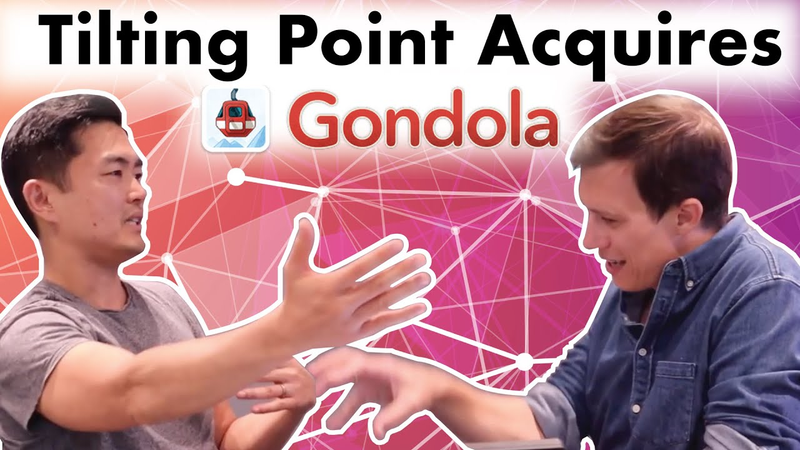
Gondola Acquisition by Tilting Point | With CEO Niklas Herriger
Key insights
6 takeaways- 01Tilting Point acquired Gondola to integrate automated machine learning infrastructure into its mobile publishing ecosystem, shifting focus from aggressive user acquisition to maximizing player lifetime value and retention.
- 02Gondola’s co-founder will transition to Head of Data Science at Tilting Point, while former CEO Niklas Herriger will serve as a consultant to align engineering with product strategy.
- 03The immediate operational priority is a portfolio-wide assessment of Tilting Point’s titles to identify high-value opportunities for implementing Gondola’s automated monetization and personalization tools.
- 04Gondola, originally founded in 2013 as an indie studio, transitioned into a B2B provider before the acquisition, highlighting the difficulty of scaling independent B2B infrastructure due to long sales cycles and constant product validation requirements.
- 05The merger aims to replace manual, static A/B testing with dynamic, automated systems to overcome industry-wide SDK fatigue and streamline product management workflows.
- 06The partnership prioritizes product-led growth over speculative development to ensure sustainable, personalized monetization strategies within a saturated mobile gaming market.
Ask AI about this video
Transcript
everybody from Gamemakers i'm joachim today we speak with nicolas harrier who was until recently the CEO of gondola a mobile games infrastructure company that built tools to help with sales and otherwise increasing user monetization it was recently announced that gondola was acquired by tilting point the mobile games publishing company and so I wanted to talk with Nicolas about his journey with respect to you know starting gondola as a company why he decided to build that specific type of company the key challenges that he he saw over his years building the company the lessons that he learned and much much more and so with that let's take it over to Nicolas hare ger right now everybody I'm here with Nicholas Hager who is a CEO of gondola and because I thought we could first just start by talking about gondola you know the current business the current products and you know the current situation that you're in today I'm sure so first of all
thanks for having me really delighted to do this gondola is a company that caters to the game space to free-to-play game developers and we specialize in in-game offer optimization and video ad optimization it's a product that's based on machine learning multi-armed bandit optimization comes to mind and what we essentially do is help product managers to go from a world where they have a one-size-fits-all model for all kinds of offer you know video ad rewards etc and make that more dynamic and custom to the individual user right and the primary application to your point was really around sales and offers correct exactly like your startup act right don't just give the $4.99 offer to every player out there but have a - 99 or $4.99 and a 1099 you know pending all players progress through the game you know give them different promotional journeys and thereby you know improve monetization and also improve the players game experience right and then can you talk about when you first started gondola
like what was the initial motivation to start the company and how did you guys initially just get off the ground so Andre and I originally met making video games so we ran a small indie game development studio in New York together and is CTO co-founder and really the brains behind this whole operation and so we started making games together my impact on boss I was a lawyer before worked in the patent law firm in New York on you know something very I'm gaming related from rasuu legal patent litigation and there was a computer science PhD student at the time so we started this gaming startup together made four games in total together and the last one we made having a 99-cent game and something that was only monetize with ads what was a proper freemium game in 2012 and a problem we encountered in optimizing it
like working with our own game was predominantly what are the correct virtual currency prizes for a lot of the items that we are selling in the virtual economy and how can we you know leverage data in order to make the game more customized to different kinds of users that's originally started as a hobby project because especially about the virtual economy and the price thing there was nothing available at the time so we started playing around with my sequel and all of that and then sure enough half a year later at the Hobby project is all that we were working on so we decided I guess we're not really making games anymore but we are rather you know having building a tool right now that's for game developers and then we you know committed to that and that's how we got started so when did that transition take place and what was like you know was there a certain day where you guys are like well this is a little bit more interesting to us or we see a higher commercial opportunity on the tools side rather than on the game side or like how did that transition happen I think the transition happened relatively
organically the game was not doing as well I see what had hoped so maybe and we were also running out of ideas on what to do with it it however was an amazing playground to try out a lot of different things right so I find a lot of excuses as to why you're doing this because I mean my goal here is I want to optimize my game right and and then at some point I think I can't remember the exact day but we were just looking at each other as they do it isn't that the more interesting thing you know should man isn't this what we were working on and then we pretty much jumped in you know right away the next day you know and I think the name the the the day when you give your product or your tool a name right that's when you're officially committed to it so and then can you talk about you know when you're first getting off the ground and you kind of shift it to this new model so did you guys bootstrap this did you raise any money or how did you kind of get that side of the business now we had food it's a great question when we would scrap the previous company - I had made some money in the previous
career so I you know was was sufficient to get the gaming started off the ground and then we were when we were getting into gondola we continued that reason we didn't raise any money was predominantly because we understood you know we were going to be in a b2b space right it was we was pretty clear that we were looking for relatively you know really roughly small number of big customers and all of that and I think that was not that suitable for for venture capital so we thought we gotta get some traction you're first and you know gotta prove a point and then we can you know address a couple of other things later right and so you were a lawyer your own sudden entrepreneur slash sales BV guys slash you know I'm sure a bunch of other things yes could you talk to me about okay after you made the transition and then how long ago was that since it started on the path of a gondola so the the gondola path was started some times
and I want to say mid to late 2013 and we first showed the product or like you know first version of the product at GDC 2014 so that's really when we announced and were you doing the multi-armed bandit stuff back no no it was it was way less sophisticated it was there earlier iterations we had originally you know having understood the problem the problem that you know when you want to manage your free-to-play game as a product that you essentially need to constantly iterate right and there was no real tool that would provide you the data that would explain you know how your virtual economy is doing you know if things are too cheap too expensive right what's available and and also just like how much currency our players organically earning in your game so that that wasn't there and then was also not the tool that would allow you to change all of these things in real time so that's what we built the analytics part and the being able to change it in real and then we downloaded it and then as
these things go fairly quickly figured out that the real value was actually in the middle it wasn't the connection of the two right because you can give a product manager you know an amazing analytics tool set and you can give a product manager a grades tool that allows him to menu change a lot of these things but you do not answer the question well if I see that kind of a graph you know should the the price of the sword go up or down right and so after demoing this and playing around with this we realized that automation was what's the way to go and that's been where machine learning multi-armed bandit and all of that and then I mean it sounds like you've been running this business for quite a long time over that past six years six plus years would have been some of the toughest challenges along the way maybe some of the biggest lessons in you yeah quite some as you can imagine so as far as the challenges go I think a lot of the entrepreneurial challenges generally
product market fit right like so so you know what is it that you're building what is it that your customers want actually starting with who is actually your customer right your customer is not a game company or a game publisher I know it's very specific people within that game company so so we learned you know that analytics people were not the ones you know that would be interested in that kind of a product it would was also became obvious to us that anybody who was involved in you know revenue let's say you know VP of revenue or something they loved the product but they would at the end of the day not be the ones that that we're gonna use it right so took us some time to really arrive at the conclusion that product managers were the guys that we had to address and then I think you know what was equally a challenge and also a lesson is that just to keep because we have something that mathematically works and you can prove that does not mean that people will adopt that right so you can have a lot of reasonable assumptions but at the end of the day they are just that assumptions and what we had
strongly underestimated is how driven people in general that obviously included our customers as well how driven people are by emotional things by fear by being set in their own ways by what they're accustomed to in habits and all of that and breaking these things up and trying to change the way that we're optimizing their game and simultaneously giving them a product that that was a significant challenge for us yeah I mean I can imagine that may be one of the biggest you know sort of challenges from a sales perspective it's just even how many people understand the problem and understand what's possible right because the companies that are doing like sales and merchandising really well they don't talk about it so they're not going to tell their competitors and give their competitors in the ads in terms of what they're doing and how they're doing it and then a lot of execs in the industry don't even understand like the infrastructure underneath the game like the only thing they understand is what they see right it's like oh is this a cool game oh wait you mean if I have all
this other infrastructure underneath that helps the game perform better like they like you can just talk to them about it but they don't understand it right so I imagine you must have had a really tough time in terms of that absolutely and and what what made it even more difficult is that you know we were not the only one working on an optimization product for the friend that a game explains the 2013 right there were there are a lot of other ones and and unfortunately there was just a lot of garbage out there right and so by the time we were already in 2014-2015 I think that a couple of things had already said in general SDK fatigue right it's just like I've literally had conversations with people where they would cut me off after one sentence like doesn't require an SDK and at the time you know in 2014 I had truthfully had to say yes and I said I'm not interested all right that kind of stuff then there were a lot of products in the space that you know claimed over they could you know queen triple your revenue overnight and all of that and I think people got get very jaded so that was one of the
chants as you said you know making them understand what it even is that we do because it's fairly abstract right I can't like put this widget on the table and explain to you of this you know I think the other thing too is that you know I mean I have to say you guys are smart and you guys are right but that doesn't mean that the industry understands what's right right so you guys were on the earliest guys on multi-armed bandit but like the you know apologies and audience but you got these stupid execs and then it being keying on a keyword right it's like oh wait a beat up meaning a/b testing Oh baby baby testing okay we need that but view it as like okay it's not like you know two companies do are doing this thing differently I didn't like we just need that but you know you guys have been even progressed and are doing something that's even better but yeah like how many people understand that sure is kind of a challenge is absolutely so and then thinking back so I guess in terms of some of the tough challenges for you was in my my properly
understand it was it sounds like it's more around sales yes so so sales I mean we probably you know had all the entrepreneurial challenges that you generally face right alpha sales so we're on finances and I mention product market fit before which in itself is is a huge thing right we also need a lot of iteration and you know a lot of things that come with that but sales has also been you know big challenge and and I think particularly for for two things that that we needed to combine so on the one hand I'm pretty sure everybody who has some experience with b2b sales will explain to you that that is difficult right at the end of the day you're selling a product to a company behind that company are always human beings human beings making the decisions it spoke a minute ago a little bit about you know what these challenges are they're you know not everything is driven by reason yeah the bigger the company the more political it becomes but let's just generally say you know
it's a fairly long process and also when you're when you want to sell b2b product you need a lot of stakeholders to give you a thumbs up in order for the right so in in our environment you know you need the product manager to be on board and there needs to be an engineer that is important and they probably both report to some VP he needs to be on board then there's a legal process they need to schedule something then eventually an integration has to happen wasn't in our case it was an API integration in the later years which is way better than SDK it's still an integration right and then all of these things so long story short this is a process that takes months right even in an ideal scenario now you combine that with a free-to-play world as you know very well super fast-paced right nothing ever stays stable for more than a quarter you know people come and go marketing budgets or increased or decreased right and we have you know we lost so many deals where we had the verbal commitment where we had already checked a lot of these boxes that I were
just talking about and then at some point something on that playing field changes because it just takes too long and then it's a complete restart right and so so sales I'm just gonna be very honest about that had was a problem for us and we got you know very fortunate and working with some really big companies in the business and also overcoming a lot of these challenges but it was always something that was hard to scale for us right no what about biggest mistakes if you like looking back over this you know experience with gondola what would you see over at the top one or two biggest mistakes in looking at myself mmm under estimating what I said earlier that just because we have a working product that you in an AP test scenario can show generates significant financial upside and just think you boom done that will sell itself yeah and that's not how the world works right there are a lot of other things involved in that and I will admit it personally took me too long
because that was my part of the business to figure that out and really adjust to that and jump on the bandwagon where that I would say that is another big mistake that we made not going out there early enough with the Lean Startup approach of you know Bill measure feedback it feedback early on on your ideas and what you're building don't try to assemble this you know perfect little thing and then show that to people because the chances are really high that you will kind of have built what they were looking for but not exactly and we did this a couple of times right what I said earlier you know the the the product that we had at GDC 2014 like our virtual economy management tool we spend huge amount of money and time building that in retrospect I know we could have probably made three slides and shown those to 20 people and gotten the same feedback that we eventually got and she could have saved that effort and just move on so that would be something you know under estimating the whole human component and yeah I think those those
are the biggest lessons you know not only for you know future professional life but generally for life I'll take away from us okay and then now take take is two today so what's the current situation of Gotland today where are you currently well so I'm Rena I decided earlier this year then it was time for us to look for a new home right we knew we were doing well with our existing customers we knew that our you know most recent iteration of the product was generating a lot of interest you were actually one of those you know that we spoke to you know at NBC in to your team you also had given us great feedback yeah and by the way you know this is I mean so many mentors and I probably need more vendors than most the people in the industry just because like some of the positions and situations that I've been in and you guys had an excellent product even having said that we can get a place through right so I mean I right right examples we had an excellent
product that your product managers like me like or the SVP I think as you were and still because of all the other stuff going in where you know it takes time and then remember and eventually said oh by the way I'm leaving it's the exact story that I was describing before encapsulated in you know in our relationship yeah so after that had happened to us a bunch of times and exactly this this contrast between people who really liked our product yeah which at that point we were also relatively confident in because we had you know let learn our lesson and went out for feedback you know just with markups and conceptually very very very off on and at this point thanks again to all of the product managers that's been in this hours with me on the phone and gave feedback I hope some of them see this you know eternally grateful for that so that was good right also as far as provide market fit goes but then you know we're doing this again and we're running into the same sales issues again right as illustrated
and at some point we were thinking so is this is really something that we can change as a small company right how do you sale scale b2b sales you know the only real answer we came up with this unique way more people that you need to first find and then train for a long time and motivate and all that and that meant at that point we would have had to raise money right and it would have been you know probably another year year and a half you know before we would see if this work and so we decided that that when hey we do gave it a really good run we have a full product we have customers that like us and we have a lot of people that are verbally committed to this but they're not doing it so maybe this time for us to find a bigger home and leverage you know the an existing infrastructure and yeah and take it to the next level so that's what we decided to do okay can you talk about what that is or yeah so I can talk about this
because I think as of the day that this video you know we'll go align the press release will be out so we got very fortunate in our in our quest for an acquirer because that picked up traction very very quickly by exactly what we did going after existing customers and going after people that really liked the product because at least the first discussion like what is it that you guys do and how is this relevant for me for all of these didn't apply because they already knew that and they liked it yeah and then eventually we ended up having three offers on the table and we we got acquired by tilting point which is you know really good fit for us they're also in New York right culturally it's a great fit it fits right into into the existing line of product we wanted to work with somebody that also had some you know internal games and a growing portfolio of internal games because we still think we will be able to apply the existing
technology to their existing portfolio to everything that they have in the pipeline and then also to all of their you know partnerships in the you a space where they are helping you know outside developers you know really double down on the user acquisition part and so you can already see how what we do and the user acquisition right now that is a pretty good match yes it's it's definitely good match so good moves in here in it so like thinking about or maybe we could talk a little bit more about like that processes well did you tell us okay so you were very fortunate you know it's awesome you have like three offers could you talk about like you know how did you go about even selling the company right and then you know and then like well walk us through that possible what's what's the experience like the first thing that I will say is it's intense and it will take way longer than you anticipate because we were thinking of a relatively
small company we do not have any like that we can sing your hand if you're not saying about that you know two founders can make all the decisions right there's no messed up cap table or something like it it's very neatly packaged and maybe because of my previous background I also made sure we had proper contracts in place and all of that so once it wasn't pretty you know tightly in a bundle and what we first did sort of the first and biggest thing is probably to make the decision I'd like to look each other in the eye to have an open discussion about it make that decision in an our case you know let it sit for two days you know don't to each other talk to each other for two days pick up the phone again and that's the other guy how do you feel about this right and so we both agreed we felt good about this we wanted to go through the next thing that we did was we put a schedule in place for ourselves so we said we are you know gonna you know reach out to trusted people right because we had a lot of experience everybody always wanted to talk to us right also the product and all of that
like people seemed to be interested in what we do but it's very very different from having somebody be interested in what you do to like doing anything actually with you so we made a list of people that we wanted to reach out to existing customers you know trusted advisors and all of that those were the people that we worked on the TEL first and those were also people that we trusted wouldn't you know yeah you know like you to the press or making any big story around it because we you don't want it to stay in control and then we put the schedule in place where we said okay so we're gonna do this sourcing process for I think five or six weeks is what we decided right and wherever we are then you know that's what we go after for real and then we don't say over here's another 50 people that we can call because you know a lot of people we could have theoretically kept on calling people for half a year and that doesn't make it better or even more interesting so then we'd hit that point in time by then we had already been I think invited to two of these you know that ended up being three offers you know to come over
there and pitch and like sit down with him for two days so we went through that process it was very educational en dedup doing that with all three companies all three ended up putting in offers and then you know the offers that the essentially goes like this you know it's like hey what are you guys thinking you know what are what are you know negotiate in my case I said hey I have a wife that's pregnant right I I will not move away from San Francisco in the next year right like it's just like so mad every time he understands that Andre had a couple of things as well then you know people throw throw numbers and you know timeframes and other things that you and then you realize that the devil is in the detail so so one thing that I can maybe talk about its urn Alice right aeronauts are something that often times come into this like hey we give you X amount of money now and then we give you an additional X or maybe even 2 X you know down the road if if a B and C are true right and what we experienced this that for an acquire it's relatively easy to like throw these things out and it's
like fairly vague but then when you really start asking questions you see that maybe you're not like completely on the same page so what I would always recommend is half of that heart discussion before you sign anything because it would be more difficult later and then yeah some point you go into a due diligence process and then you have to you know show that all of the stuff that you claimed before and what's there you know that that's actually true thumbs up to the folks from tilting point there they limited to what was absolutely necessary and that ethically made us really feel good about our decision because it because it had culturally been a good match from the very beginning we really enjoyed the people we were do it dealing with I Samir and and and so it you know then when you know push came to shove and we were going through this process and it confirmed our original impressions so yeah that's a it's we were looking for a new home and we feel we found a really good home so what does this mean for the
product in terms of is soon are you gonna apply the technology and some of the stuff that you have just internally do tilting point products or is there you know some type of external product content in terms of for the future it's both but it's exactly as you said so so right now we're in the process and it's already pretty far long of you know transferring you know our AWS account get happen all of that yeah over there the existing product will be applied to till two points own games right just going back to you know why we work with them a while ago and have already made that commitment so might as well do this now I said to be a part of the team and we however are already in the process and this is something that excited Andre and and I quite a lot you know it's like hey where can we go together with this right so yeah so is this a situation where one plus one can equal three and we are all pretty confident it can because we know
what they are doing you're right you know what you're doing and if you bundle the two right not only becomes that does that become a much more compelling offer into anybody that wants to work with them it also opens up new opportunities as to what you can do one example free-to-play games are often optimized with you know later game players in life right oh I have my whales you know there's a thousand dudes in my game that spent four digits amount every month right it's like 80 90 % of my revenue or that so valuable what can I do for these guys live ops yadda yadda yadda and that's great and I think everybody should continue that but what is oftentimes I think missed is that one of the biggest opportunity in free-to-play is actually what do you do with the early players right what can you do for a player that has been in your game 10 20 seconds maybe a minute or something why you have a lot of those guys and a lot of them drop out right so if you think about tilting point everything that they know about user acquisition
and also what they know about you know different profiles of players you know as they enter the game now you combine that with gondola right maybe we're thinking different starter offers you know different kinds of rewards for video ads and all of that you combine what you already know what players the second they enter the game right platform device country they are in user acquisition channel they came through probably the most interesting of these metrics together with what we do right oh there's like four different offers which one is the right one for this player that generates a lot of potential upside it's just a huge opportunity and together with tilting point we can go down this path you know much quicker and combine the expertise so that's something that we're particularly excited about and that is something you know that will be built on top of the existing product in the future and will then will not only be applied to tilting points you know own titles yeah but to you know all of the other things that they are working right so Nicholas one other question I did is like just so I fully understand the kind
of synergies when it comes to having you guys combined with tilting point so you mentioned like potentially being able to bring some some you a intelligence and capabilities into the gondola product I imagine they've got some experience with you know behavioral segmentation or things of that nature which you guys probably also have to expertise in as well but could you talk about maybe in other potential synergies or what are the other benefits of being combined well I mean from the government perspective I think the benefit of being combined is to be able to leverage an existing infrastructure on the sales side on the access to game side you know fast testing plus the expertise that they have and that will just you know enable us to do a lot of things significantly faster than we were before I think from their perspective it is so you know lie BOTS and LTV optimization as they call it is the big thing out
there you know we're by now talking with a relatively saturated market you will not find you know new pocket of five hundred million players out there so you predominantly have to work with the ones that are out there that you already have and you don't and how can you make them live longer spend more in cetera et cetera they have the UA thing pretty much down right that's what they're known for that yeah they're great at yeah but you know thinking of you know the tilting point leadership they're obviously not still stopping they are they're thinking you know going beyond office like what can we do I think what we are already doing was the natural next step for them so that's where the synergy became very very interesting to that right and so these two things combined yeah I think our give give us all a situation where one plus one equals more than two awesome and then so in terms of the next product iteration can you talk about maybe timing or when we can expect the next you know considering that we just got started
as far as before you got it this week right I think it's still a little early to talk about any scheduling we're still like in an assessment phase what I can however say is this Andre my co-founder will be or or is joining tilty point full-time as their new head of data science is really excited about that and I think they are also super excited because yeah guys like him don't come up I think hammer is not only smart Andre also is is one of these guys that you know that can combine you know what is theoretically possible and and what is applicable in real life and there's also like a huge divide between the two yeah and and he has proven you know being the mastermind behind on Allah that he can you know build a lot of things yeah that actually do work so that's great and then ask for me I'm staying on as a consultant right and you know especially
for the first six months will be will be deeply involved in the whole transition period but then I think also continue to do what I think I do relatively well which is bring engineers and product managers together because sometimes they talk but they don't talk to one another and engineers always up if you know this is working likewise not everybody using this and the problem and will say I don't care if it's working on understand my problems here I have bigger fish to fry and so there's a lot of opportunity in that conversation but then also obviously strategizing and you know helping exactly what you were just talking about you know what's the next best thing because I think we all agree that there's five different things that we can do but one of the things that is very important will be to figure out what's the number one thing that we should do where's the most value and what can we do so that's what we're applying for the next six months awesome okay well thank you very much for your time Nicholas and what's the next product is ready great to have you back and do a follow-up I would like make sure having walked through that product okay great thanks like that's awesome
[Applause] [Music] [Music]
Summary
The acquisition of Gondola by mobile publisher Tilting Point marks a strategic shift toward integrating advanced machine learning infrastructure into the broader mobile gaming ecosystem. Originally founded in 2013 as an indie studio, Gondola transitioned into a B2B provider focused on automating in-game monetization and personalizing player experiences. The core thesis behind this merger is that automated, data-driven optimization is essential for navigating a saturated market where the focus has shifted from aggressive user acquisition to maximizing the lifetime value and retention of existing players.
The integration addresses significant industry hurdles, including the pervasive issue of SDK fatigue and the limitations of traditional, manual A/B testing. By embedding Gondola’s optimization tools directly into Tilting Point’s publishing infrastructure, the partnership aims to streamline product management workflows and replace static testing models with dynamic, automated systems. This transition reflects a broader industry realization that scaling B2B infrastructure as an independent startup is exceptionally difficult, particularly when navigating long sales cycles and the necessity of constant product validation.
Moving forward, the focus centers on operational efficiency and portfolio-wide impact. Leadership transitions see Gondola’s co-founder assuming the role of Head of Data Science, while former CEO Niklas Herriger serves as a consultant to bridge the gap between engineering and product strategy. The immediate priority for the combined entity involves a rigorous assessment of Tilting Point’s portfolio to identify high-value opportunities for technical implementation. By prioritizing product-led growth over speculative development, the partnership seeks to refine early-player retention and ensure that monetization strategies are both personalized and sustainable within the competitive mobile landscape.