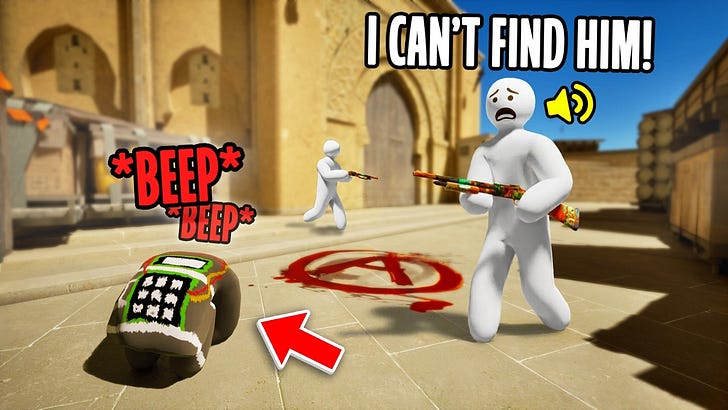
Game design should prioritize high replayability and emergent storytelling, such as roguelikes, to provide the variety and shareable moments necessary for consistent streamer engagement.
Influencer marketing effectiveness is driven by niche community alignment rather than raw follower counts, with mid-tier influencers frequently delivering higher conversion rates than top-tier creators.
Developers should engage with influencers early in the production cycle to refine core gameplay hooks and ensure technical features like accessibility options and motion blur toggles are optimized for creator needs.
Automated key distribution platforms pose significant business risks, including identity spoofing and gray-market reselling, making direct, specialist-led relationships the most secure method for distribution.
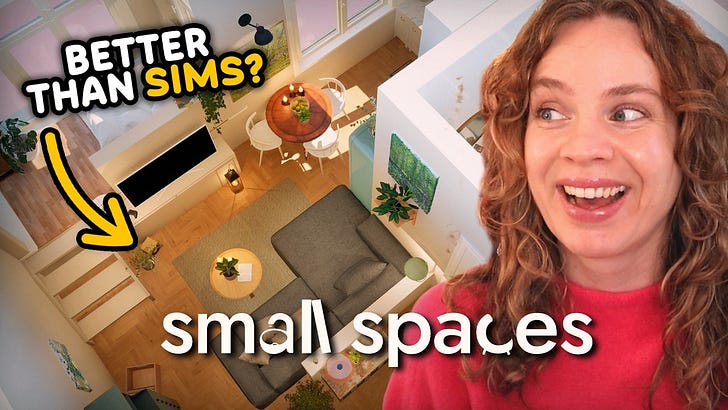
To maximize algorithmic performance, studios must provide creators with layered, transparent assets that facilitate the production of high-quality, click-through thumbnails.
Studios should avoid 'no commentary' channels and 'troll' personalities, as these creator types rarely translate into meaningful game sales.
Professional boundaries must be maintained during influencer outreach, specifically by avoiding 'backseating' in stream chats and utilizing secure, verified distribution channels to protect intellectual property.
The modern game discovery landscape relies heavily on the distinct roles of Twitch and YouTube, where the former drives immediate engagement and monetization through live feedback while the latter provides long-term visibility. To succeed in these environments, developers must prioritize high replayability and emergent storytelling over linear narratives. Roguelikes and games that allow for unique, shareable moments are particularly effective because they align with the streamer’s need for consistent viewership and content that offers the path of least resistance. Consequently, a game’s genre and its capacity for variety are more critical to commercial success than broad marketing reach.
Effective influencer marketing requires an anthropological approach that values community engagement and niche alignment over raw follower counts. Mid-tier influencers often provide more dedicated audiences and higher conversion rates than top-level creators. However, developers must remain vigilant against "no commentary" channels and "troll" personalities, which rarely translate into sales. Furthermore, the reliance on automated key distribution platforms presents significant risks, including identity spoofing and the proliferation of gray-market reselling. Establishing direct, authentic relationships through dedicated specialists is the most reliable method for securing high-quality coverage.
Strategic influencer relations should begin early in the production cycle to refine a game’s core hooks and technical presentation. Developers can optimize algorithmic performance by providing creators with layered, transparent assets for high-quality thumbnail creation. Technical considerations, such as including robust accessibility options and the ability to disable motion blur, are essential for a positive creator experience. Finally, studios must maintain professional boundaries by avoiding "backseating" in stream chats and utilizing secure distribution methods to protect their intellectual property and market value.