Darkest Dungeon II sold over 600,000 units in its first month of full release, with sales split evenly between an 18-month Epic Games Store early access period and its subsequent Steam launch.
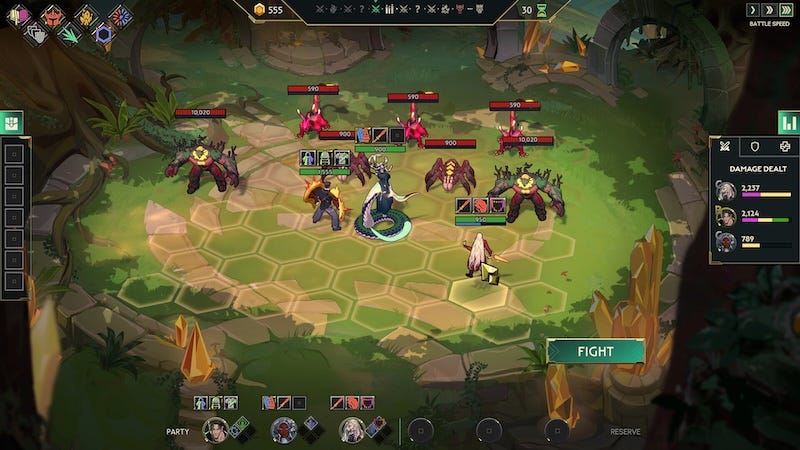
Despite a lower 75% approval rating compared to the original, the sequel achieved a median playtime of 14 hours, indicating strong engagement driven by its shift to a roguelite 'road trip' structure.
Geographic sales for Darkest Dungeon II are distributed globally, with 30% of units sold in the United States, 30% in Europe, and 18% in China.
GOG.com generated $45 million in revenue and $1.2 million in profit during 2022, maintaining a niche for DRM-free single-player RPGs and 'modern classics' like Cyberpunk 2077 and The Witcher 3.
Sequel announcements can significantly boost the original title's performance, evidenced by a fivefold increase in concurrent users for the game Ghostrunner.
Successful sequels can thrive by intentionally diverging from the predecessor's core mechanics while maintaining specific 'anchors' and managing player expectations regarding the shift.
This analysis examines the commercial performance and strategic evolution of Darkest Dungeon II, alongside broader market data from GOG.com and the PC gaming sector in mid-2023. The primary thesis suggests that successful sequels can thrive by intentionally diverging from their predecessor's core structure, provided they maintain specific mechanical "anchors" and transparently manage player expectations regarding these shifts.
Data from Red Hook Studios reveals that Darkest Dungeon II achieved over 600,000 units sold within its first month of full release, split evenly between an 18-month Epic Games Store early access period and its subsequent Steam launch. Despite a "Mostly Positive" 75% approval rating—lower than the original’s—the sequel demonstrates superior engagement metrics, including a median playtime of 14 hours. This performance is attributed to a shift from a nihilistic, roster-management "medieval hockey coach" simulator to a roguelite "road trip" focused on perseverance. Geographic sales data indicates a global market led by the United States (30%), Europe (30%), and China (18%).
The scope extends to an analysis of GOG.com’s 2022 performance, where the platform generated $45 million in revenue and $1.2 million in profit. Top-grossing titles like Cyberpunk 2077 and The Witcher 3 highlight a trend of users purchasing directly from GOG to support developers. The findings suggest GOG remains a vital niche for "modern classics" and DRM-free single-player RPGs, even as the platform begins to integrate more online-only and multiplayer experiences to broaden its audience.
Methodological insights are drawn from Steam API tracking, developer-provided sales figures, and CD Projekt’s financial reports. Additional industry observations include the impact of sequel announcements on original title engagement—noted by a fivefold increase in concurrent users for Ghostrunner—and the rising popularity of horror and sandbox genres in short-form video content.