Players spent 2.78 billion hours in third-party games.
Overall Spending. Overall PC player spending on the Epic Games Store reached $1.16 billion, up 6% year-over-year.
Developers can now keep 100% of their first $1 million in annual net revenue per product.
An average of 77% of games set an all-time peak concurrent user record during their free offer week.
New features launched in 2025 include a new Download Manager, enhanced Search and Browse, and Gifting. Over 100,000 gifts were sent during the holidays.
The platform also aims to enhance social features with community spaces and voice chat. A program to leverage Fortnite's marketing for participating games is also planned.
The Epic Games Store 2025 Year in Review outlines the platform's performance, strategic shifts, and operational growth throughout the 2025 calendar year. The primary thesis centers on the store’s commitment to a developer-first marketplace, characterized by competitive revenue-sharing models and increased autonomy for partners regarding payment processing and storefront management. By prioritizing developer choice, the platform aims to foster a more open ecosystem that drives long-term engagement and financial success for both creators and players.
Key financial and engagement metrics demonstrate significant growth in third-party activity. Player spending on third-party PC games reached $400 million, a 57% increase, while total PC player spending on the store rose 6% to $1.16 billion. The platform achieved a record 78 million monthly active users in December 2025. While total gameplay hours across the store saw a 14% decline, engagement within third-party titles grew by 4%, totaling 2.78 billion hours. The Free Games Program remained a vital discovery tool, with 662 million titles claimed, often resulting in peak concurrent user records for participating developers.
Operational highlights include the implementation of a revised revenue share model, allowing developers to retain 100% of their first $1 million in annual net revenue per product. The store also expanded its infrastructure to include Epic Web Shops, a new download manager, and enhanced social features like cross-platform text chat. Looking ahead to 2026, the platform plans to rebuild its launcher architecture, introduce community spaces, and further integrate mobile-specific tools, including expanded self-publishing capabilities and regional storefronts, to solidify its position as a global, cross-platform marketplace.
Rokky · 2025
PlayWay · 2018
GungHo Online Entertainment

Koei Tecmo
Nacon
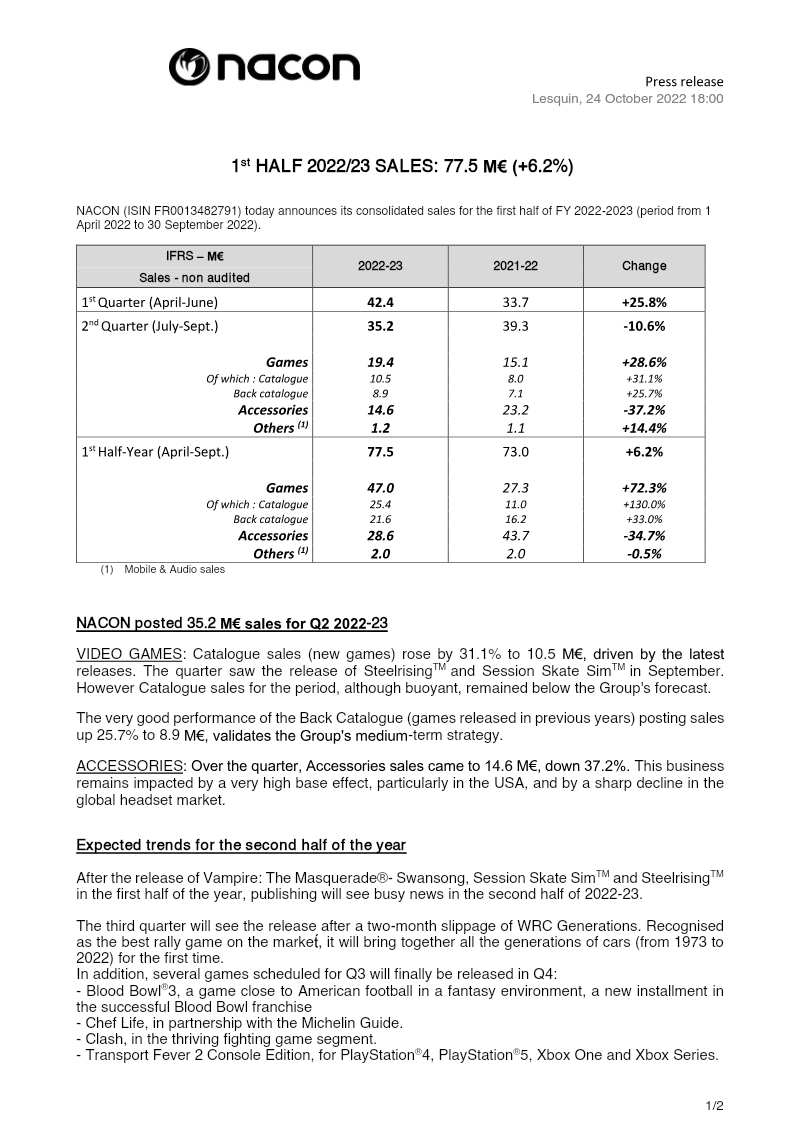
Nacon
11 bit studios
11 bit studios
Newzoo · 2026

IGN Entertainment · 2026

Ubisoft · 2026
Newzoo · 2026