More from Nokia Research Center
View all
More on Game Design
View all
PocketGamer.biz
Block Blast Hit 300M Players — And Kills 95% of Ideas
PocketGamer.biz · 2026
Whitepaper
How Do Players Experience Win/Loss Patterns? An In-The-Wild Study of a Casual Mobile Game
DiGRA · 2026
Whitepaper
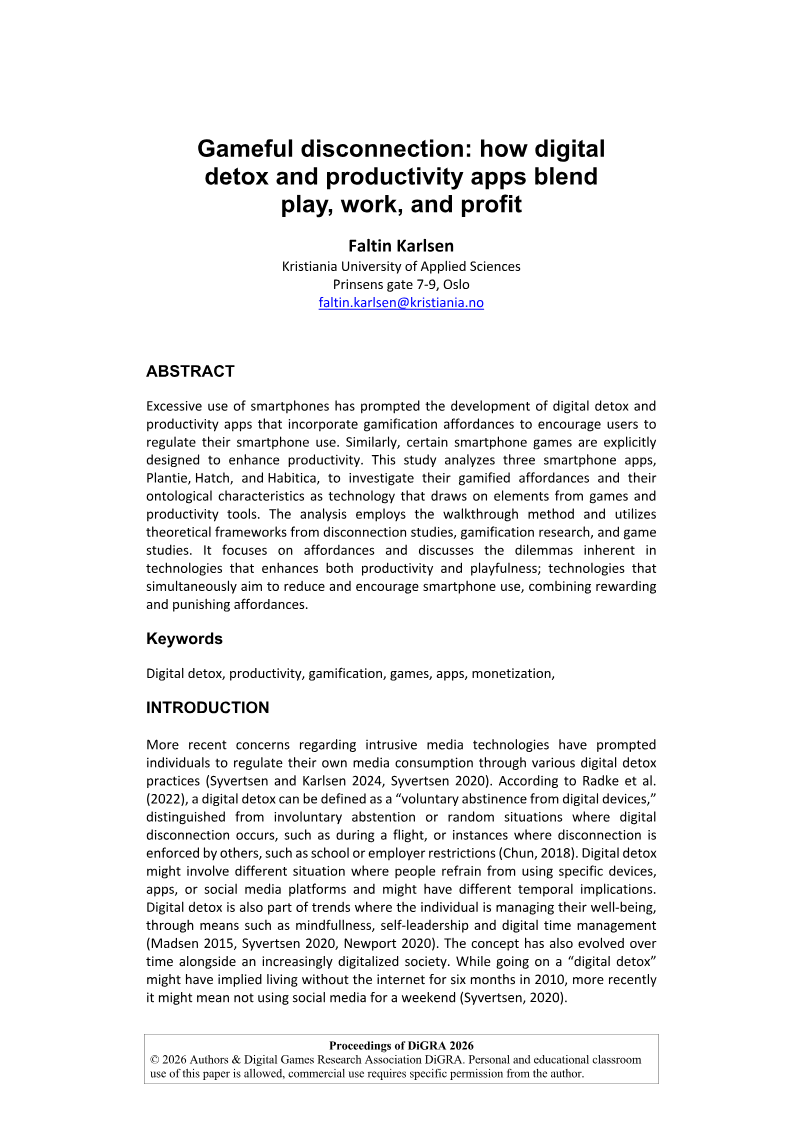
Gameful Disconnection: How Digital Detox and Productivity Apps Blend Play, Work, and Profit
DiGRA · 2026

Naavik
True Crime, Now Playable: Inside Scriptic's Cross-Platform Bet
Naavik · 2026
Whitepaper
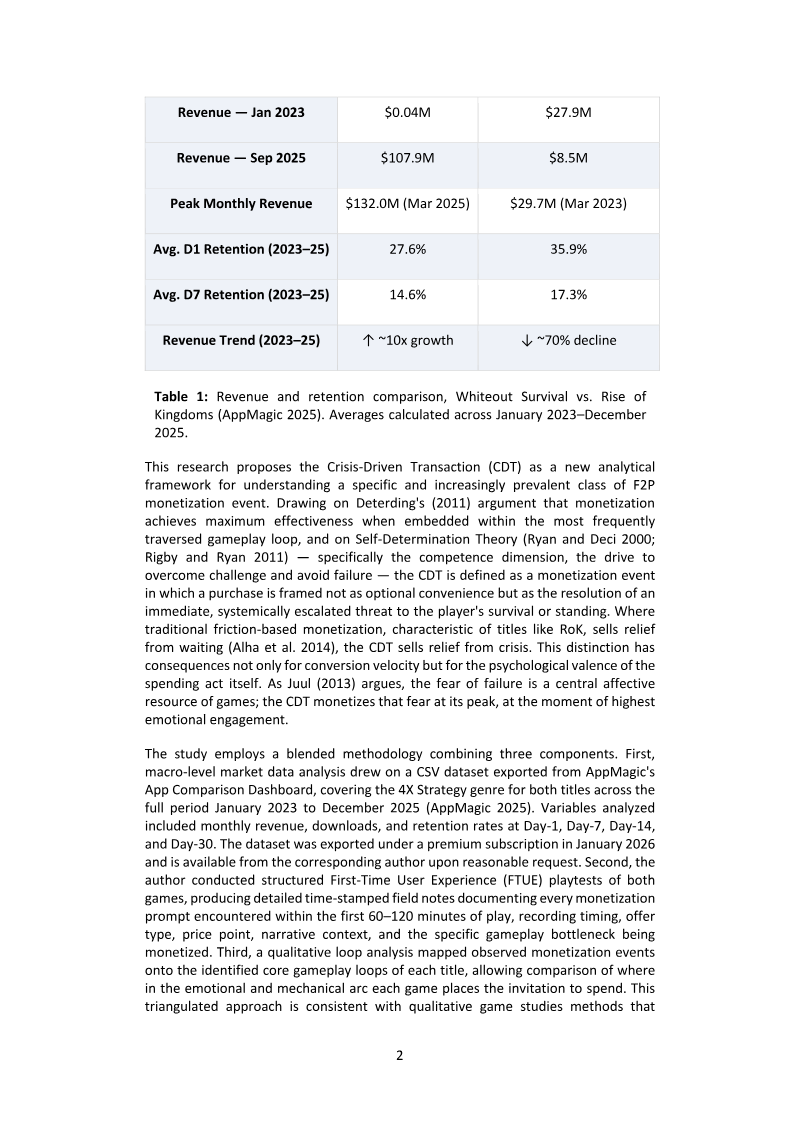
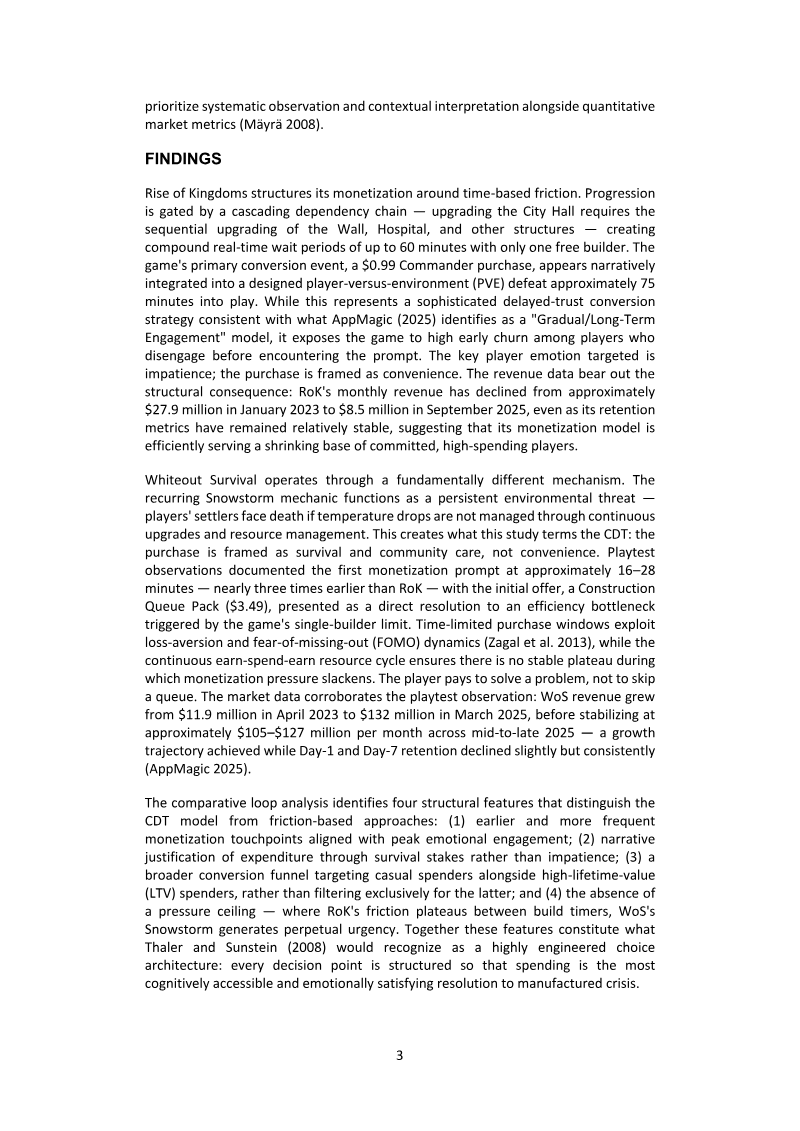
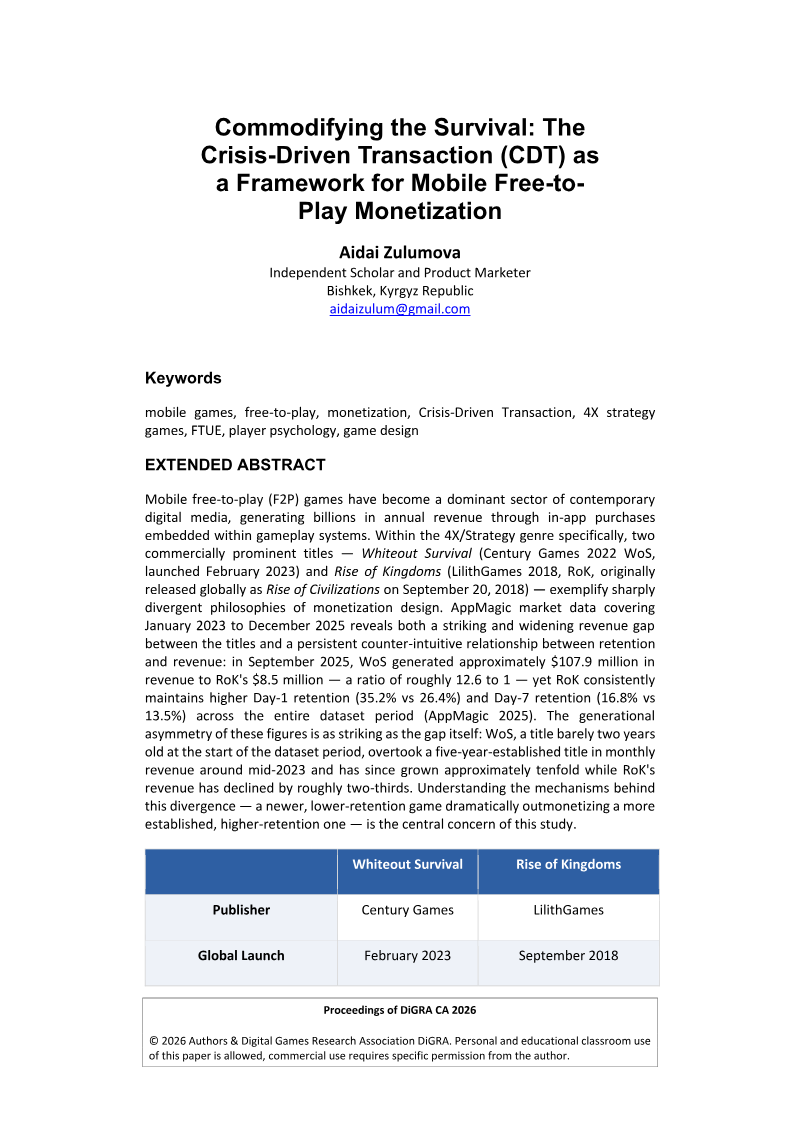
Commodifying the Survival: The Crisis-Driven Transaction (CDT) as a Framework for Mobile Free-to-Play Monetization
DiGRA · 2026

Naavik
The State of Gaming in 2026 (with Sensor Tower)
Naavik · 2026

Two & a Half Gamers
🎮 ARKNIGHTS: ENDFIELD - Gacha meets factory automation
Two & a Half Gamers · 2026

PocketGamer.biz
Session: From Steps to Spending: A New Motivation Loop That Turns Player Movement Into Engagement...
PocketGamer.biz · 2026
Whitepaper
The Prevalence and Co-occurrences of Dark Patterns in Mobile Free-to-Play Games
DiGRA · 2025
Deconstructor of Fun
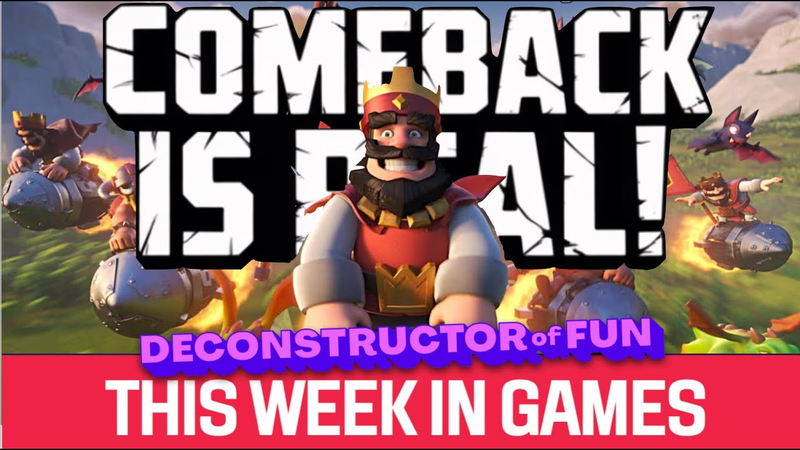
TWIG #345 Clash Royale’s BIG Comeback and LEGO’s Digital Gamble
Deconstructor of Fun · 2025
Deconstructor of Fun
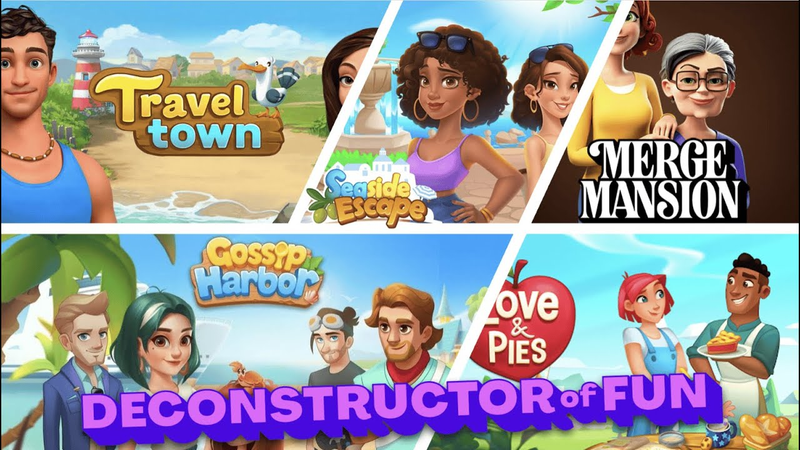
What Makes Merge 2 Games So Popular in 2025?
Deconstructor of Fun · 2025
Gamigion
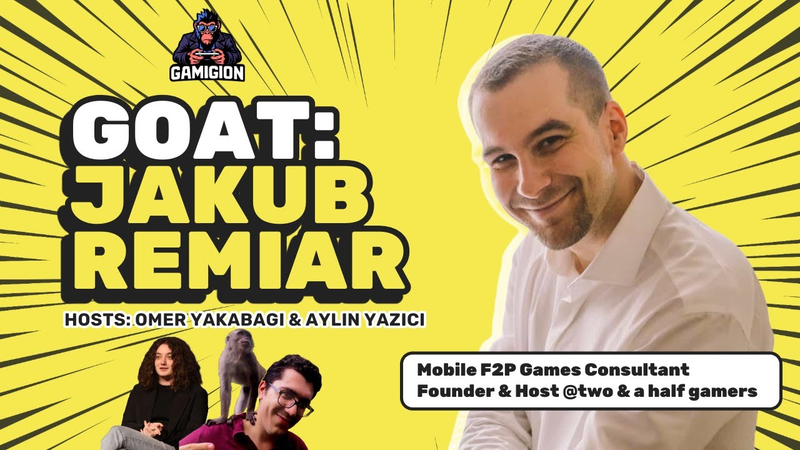
GOAT: Jakub Remiar on Mobile Gaming, Gacha Mechanics, and Trends | Full Interview
Gamigion · 2025