Loading the document
Key insights
6 slides
Core principle
Humans instinctively apply social norms to computer interactions.
Players treat non-player characters (NPCs) as social actors rather than mere tools. This phenomenon is known as the media equation.
It's like talking to a smart speaker as if it understands your mood.
1 / 6
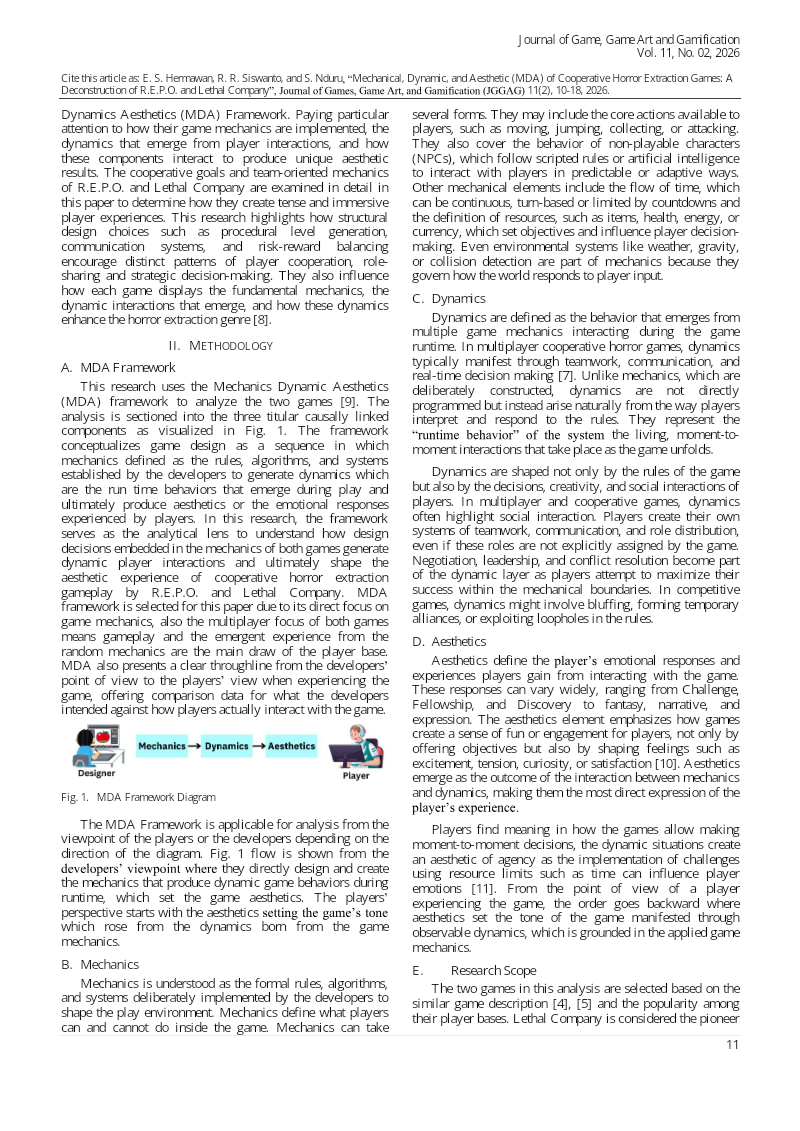
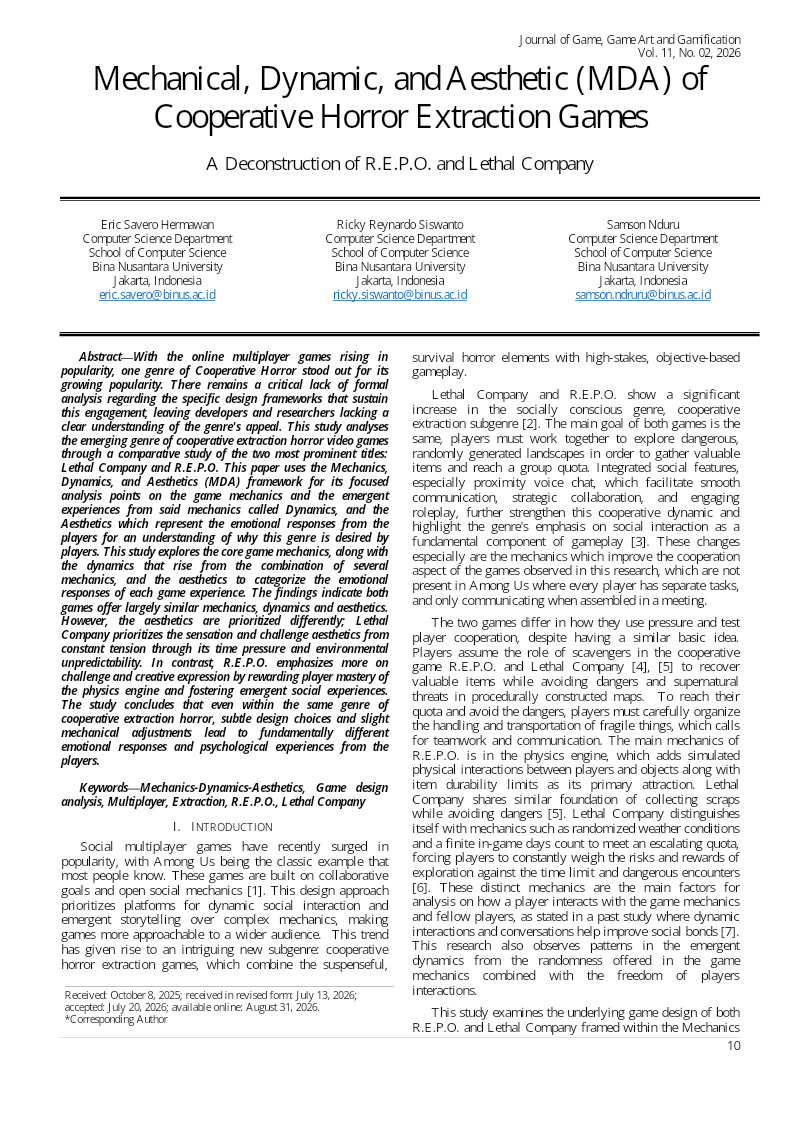
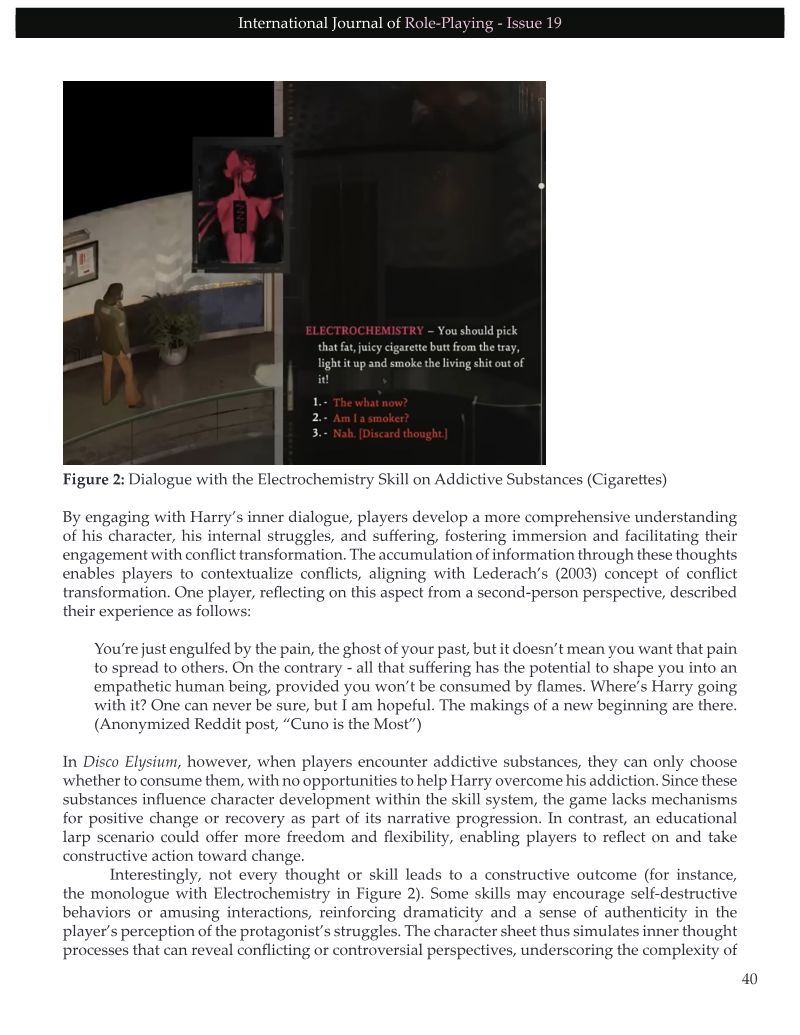
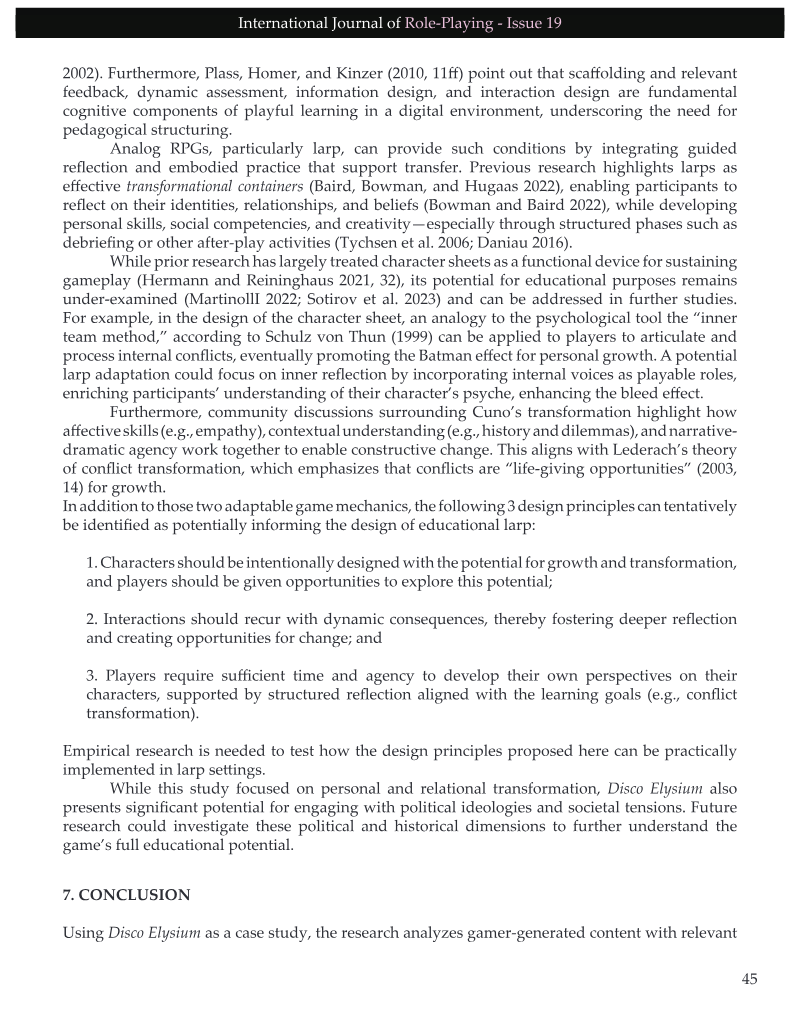
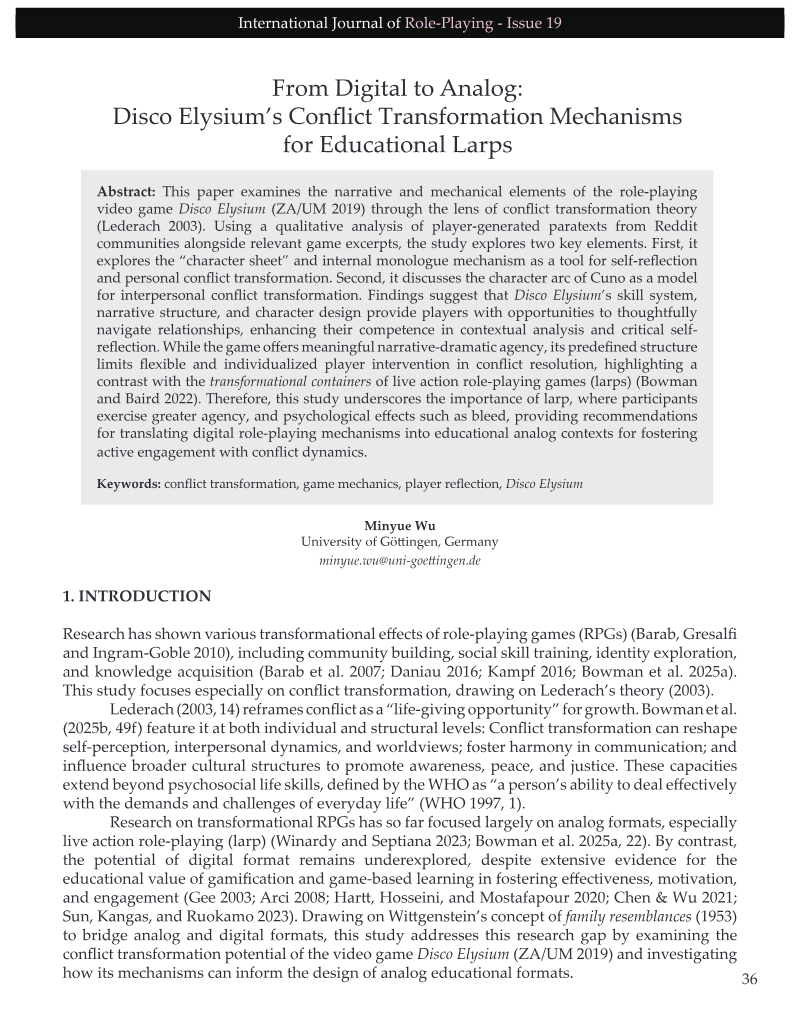
- 01Humans instinctively apply social norms to computer interactions, meaning players treat non-player characters (NPCs) as social actors rather than mere tools.See it on page 12
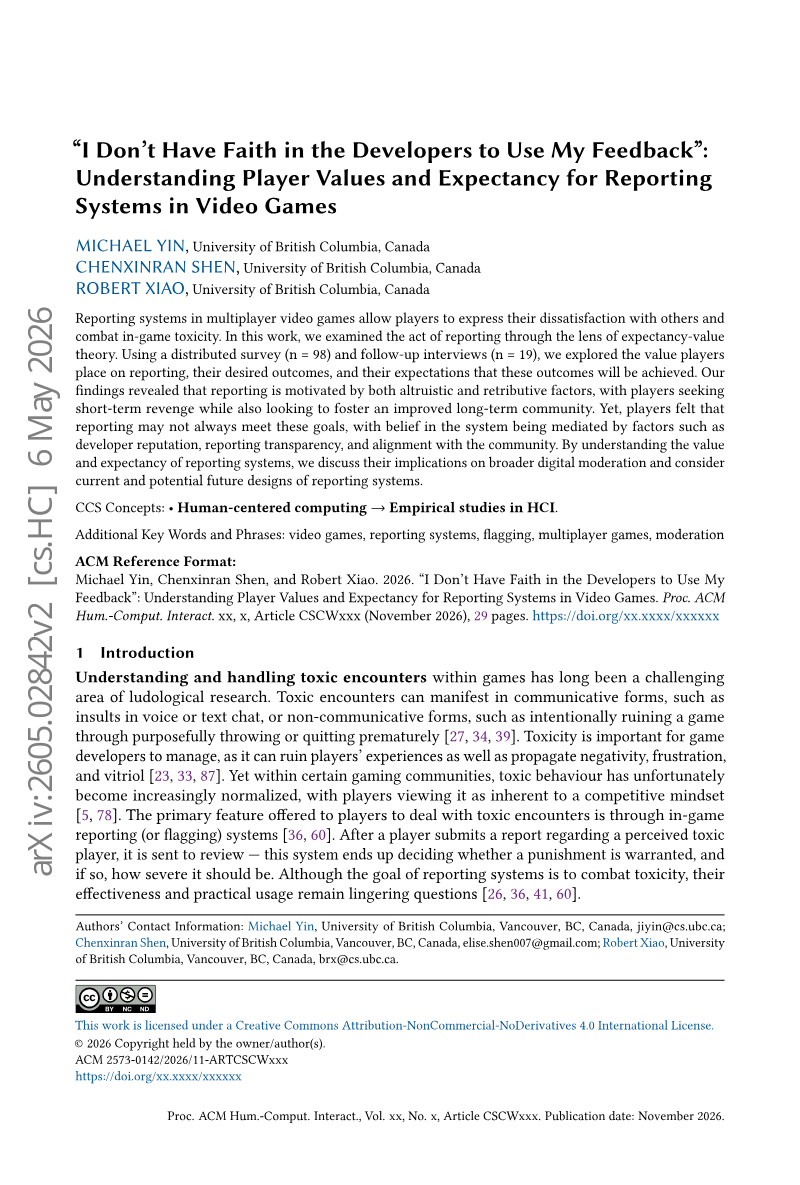
- 02Players often exhibit the 'Black Sheep Effect,' reacting more critically toward computer-controlled teammates than human peers to reinforce their own group identity.See it on page 10
- 03Developers can strategically use NPCs as 'scapegoats' to absorb negative player sentiment, which paradoxically strengthens the social cohesion of the human team.See it on page 12
- 04Character affinity can be increased by integrating psychological principles such as similarity-attraction, reciprocity, and gain-loss theory into NPC design.See it on page 12
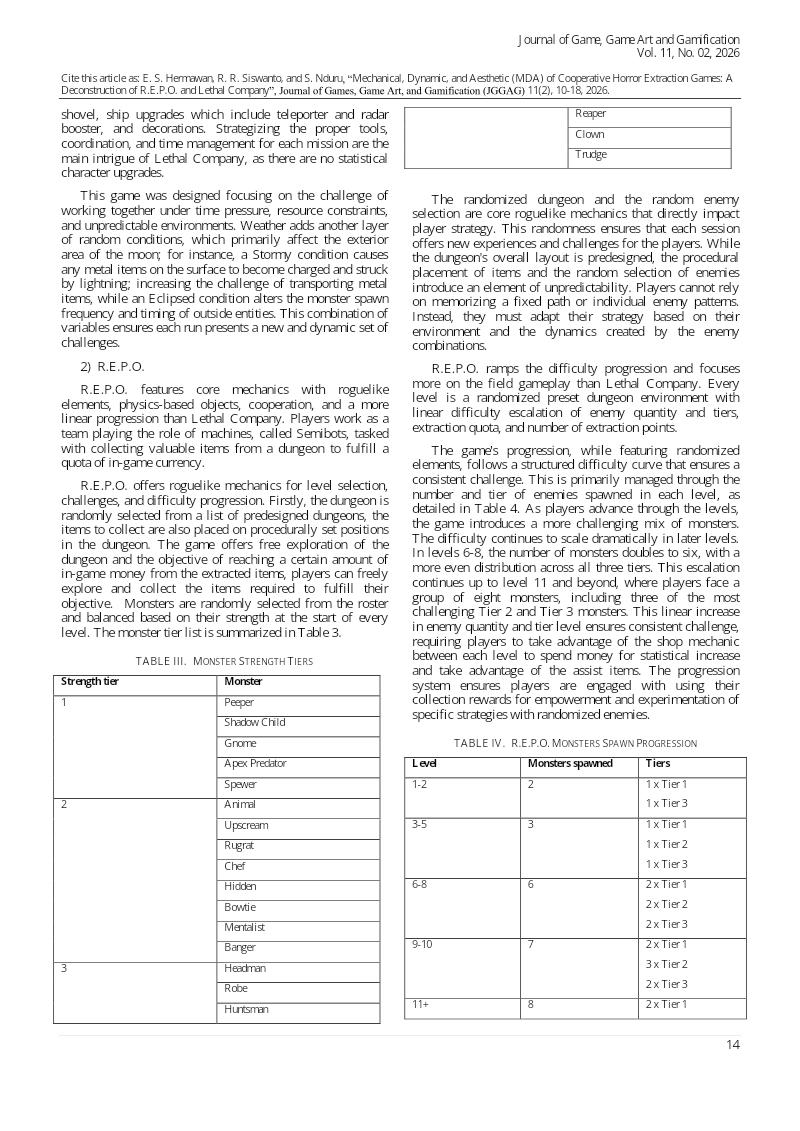
- 05Using flattery or providing meaningful in-game benefits through NPCs effectively manipulates user social intelligence, leading to improved perceptions of overall game performance.See it on page 13
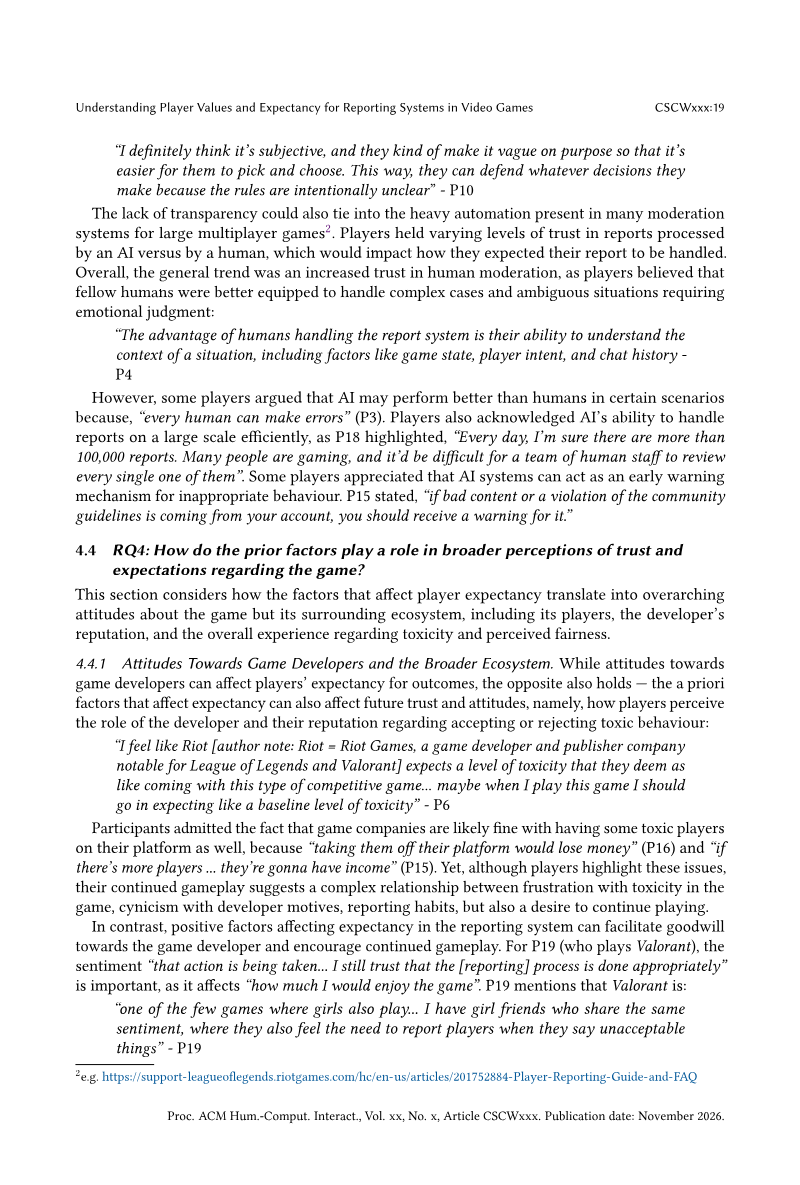
- 06The future of immersive software design relies on intentional application of human-like behavioral cues to bridge the gap between digital systems and human social expectations.See it on page 5
Ask AI about this report
Summary
Humans naturally apply social norms and interpersonal expectations to computer interactions, a phenomenon known as the media equation. This tendency persists even among experienced users who consciously recognize the artificial nature of their digital counterparts. While users readily accept computers as teammates, they frequently exhibit the Black Sheep Effect, a psychological response where individuals derogate marginal group members to reinforce the identity and cohesion of the primary team. Consequently, players often react more critically toward computer-controlled teammates than human peers, viewing them as outsiders despite their functional role within the group.
Game design can strategically leverage these social dynamics to enhance player engagement and team cohesion. By positioning computer-controlled non-player characters as scapegoats, developers can provide a focal point for negative sentiment, which paradoxically strengthens the bond between human players. Furthermore, integrating psychological principles such as similarity-attraction, reciprocity, and gain-loss theory into character design allows for more sophisticated social interactions. When NPCs utilize flattery or provide meaningful in-game benefits, they effectively manipulate the user’s social intelligence, leading to increased character affinity and improved perceptions of overall game performance.
These findings suggest that the future of immersive software design lies in the intentional application of human-like behavioral cues. By treating the computer not merely as a tool but as a social actor, developers can create more compelling, emotionally resonant experiences. This approach is particularly relevant for multiplayer environments and complex narrative-driven games, where the integration of social intelligence models can bridge the gap between digital systems and human social expectations. Ultimately, understanding the nuances of how users project social norms onto technology enables the creation of more intuitive and engaging interactive environments.