FinancialDoubleDown Interactive
DoubleDown Interactive 20‑F FY2023
28 Mar 20241 pages~437 min full read
DoubleDown Interactive’s FY 2023 filing presents a company navigating a complex financial and regulatory landscape while pursuing growth through data‑driven live operations and selective acquisitions. Revenue declined 3.8 % to $308.9 million, largely due to inflation‑driven shifts in player spending and a 22.7 % drop in monthly active users, yet average revenue per paying user rose 8.4 %. Operating costs fell modestly; however, one‑time charges—including a $141.8 million settlement for the Benson class action and a $269.9 million goodwill impairment—shifted the company from an operating profit in 2022 to a loss of $313.9 million in 2023, resulting in a net loss of $233.98 million.
The company’s financial structure is heavily tied to related‑party transactions with controlling shareholder DoubleU Games, which provide licensing and capital support but also expose the firm to royalty termination risk. A single flagship title, DoubleDown Casino, dominates revenue and concentrates dependence on a small cohort of high‑spending players. Regulatory exposure is significant, with U.S., Korean, and European gaming authorities potentially tightening controls on social casino games; platform fees from Apple, Google, Facebook, and Amazon consume roughly 30 % of gross receipts and can alter terms unilaterally. Data‑privacy laws (GDPR, CCPA, Apple IDFA) and ESG scrutiny further threaten operational continuity and cost structures.
Geographically, the company operates primarily in Korea, the United States, Malta, and Europe, with recent expansion through the acquisition of SuprNation AB. This move introduces additional data‑privacy obligations and cybersecurity risks but also offers a broader player base and new content pipelines. Tax considerations are complex: the firm is classified as a foreign private issuer, potentially subject to PFIC rules for U.S. investors, and Korean withholding taxes on dividends may affect investor returns.
Strategically, DoubleDown emphasizes rapid content updates, cloud‑based analytics, and proprietary IP development to reduce third‑party dependence. Despite a challenging fiscal year marked by regulatory uncertainty, cost discipline, and significant one‑time charges, the company remains focused on scaling its social casino portfolio, expanding into adjacent mobile genres, and leveraging acquisitions to diversify revenue streams while maintaining a robust governance framework under Korean law.

DoubleDown Interactive · 2026
DoubleDown Interactive · 2025
DoubleDown Interactive · 2023
DoubleDown Interactive · 2022
DoubleDown Interactive · 2021
PitchBook · 2026
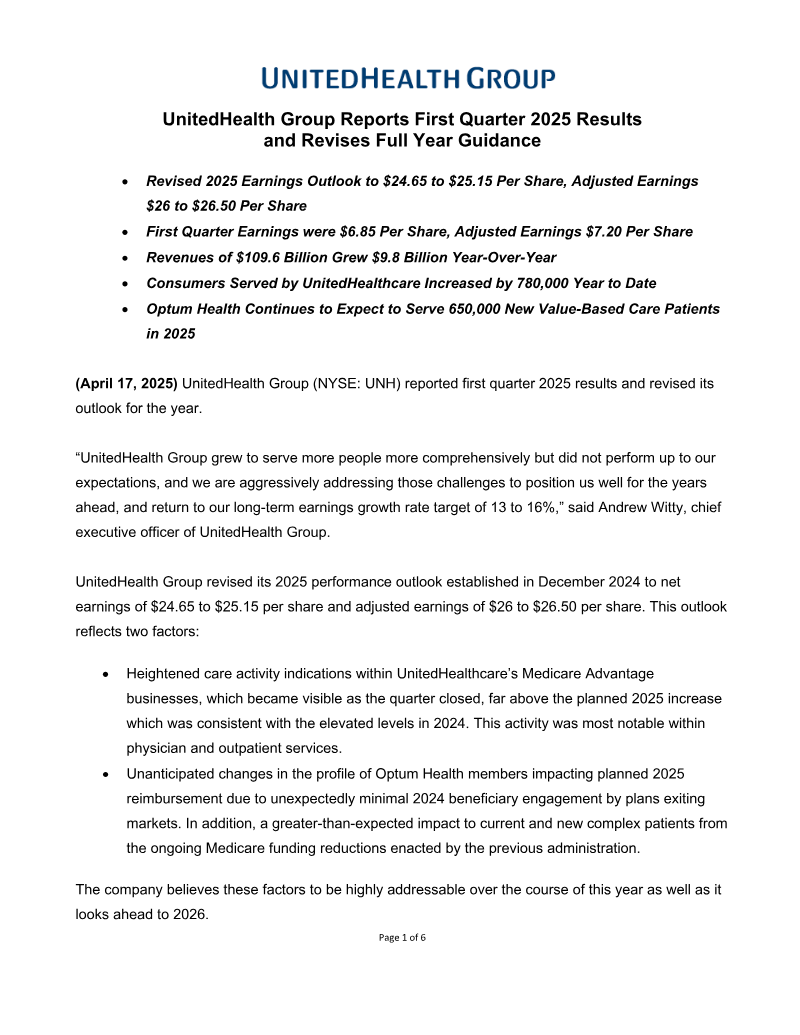
UnitedHealth Group
InvestGame · 2026
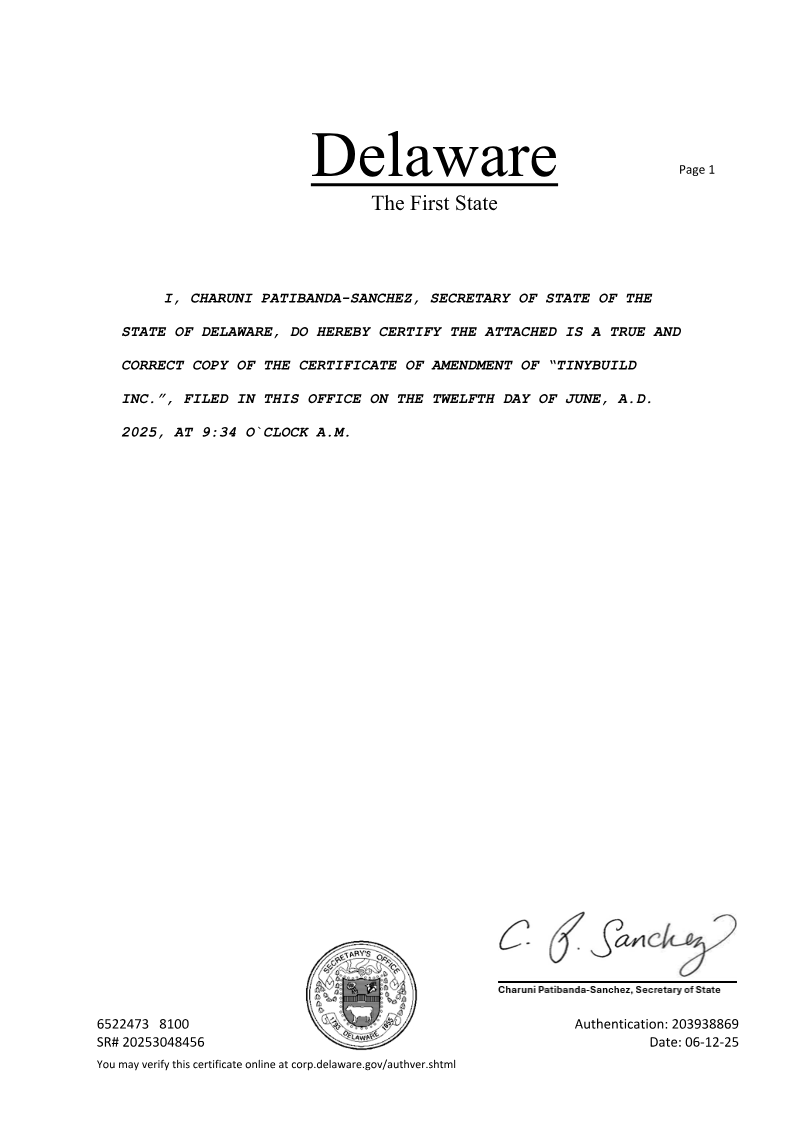
State of Delaware · 2026
Aream & Co · 2026
Bushiroad · 2026
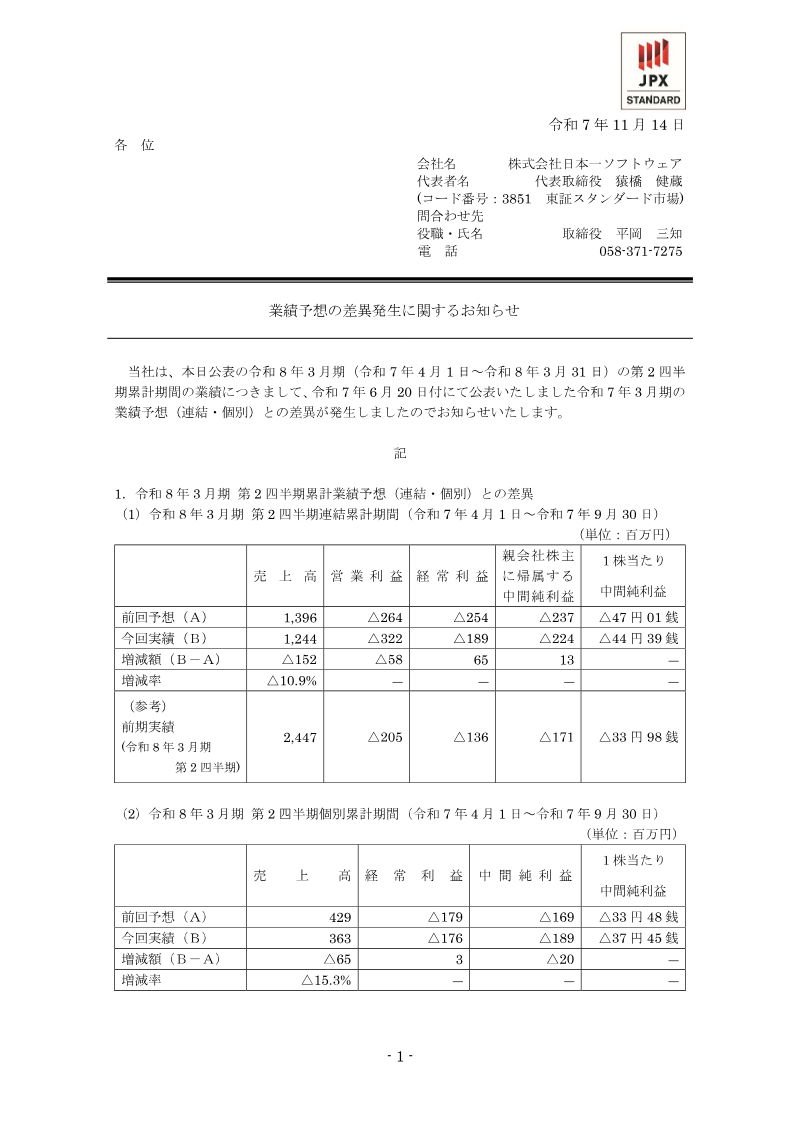
Nippon Ichi Software · 2025
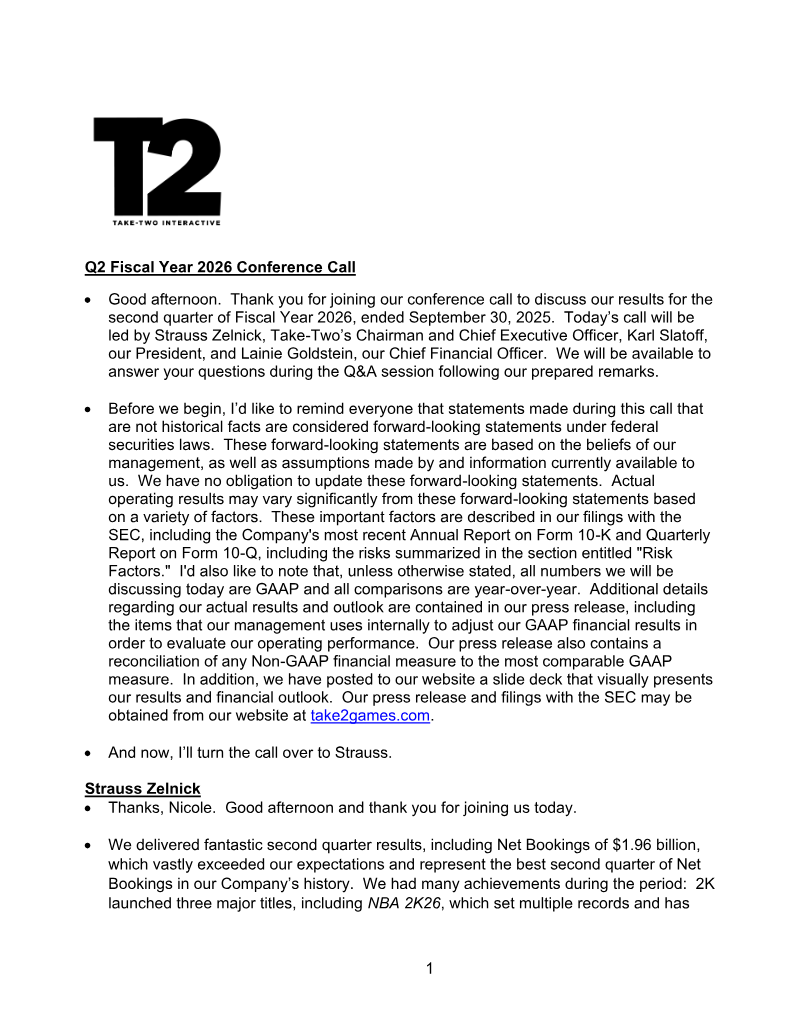
Take-Two Interactive · 2025
GREE · 2025
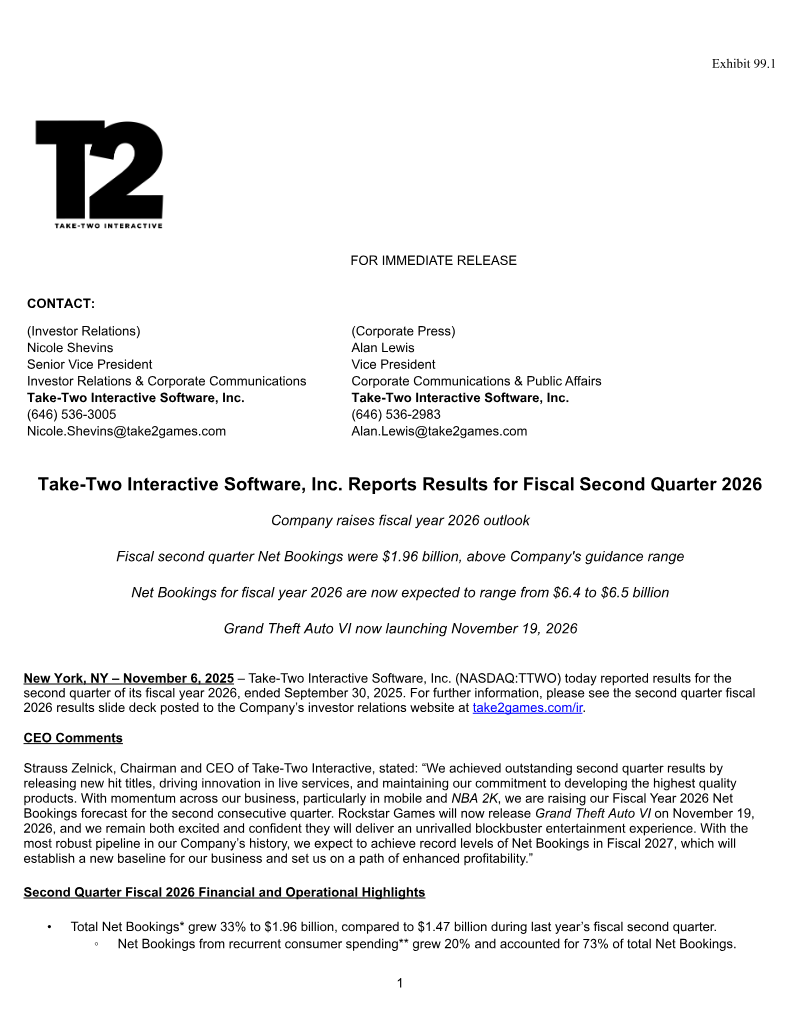
Take-Two Interactive · 2025
Bushiroad · 2025
Frontier Developments · 2025