Key insights
6 slides
Project context
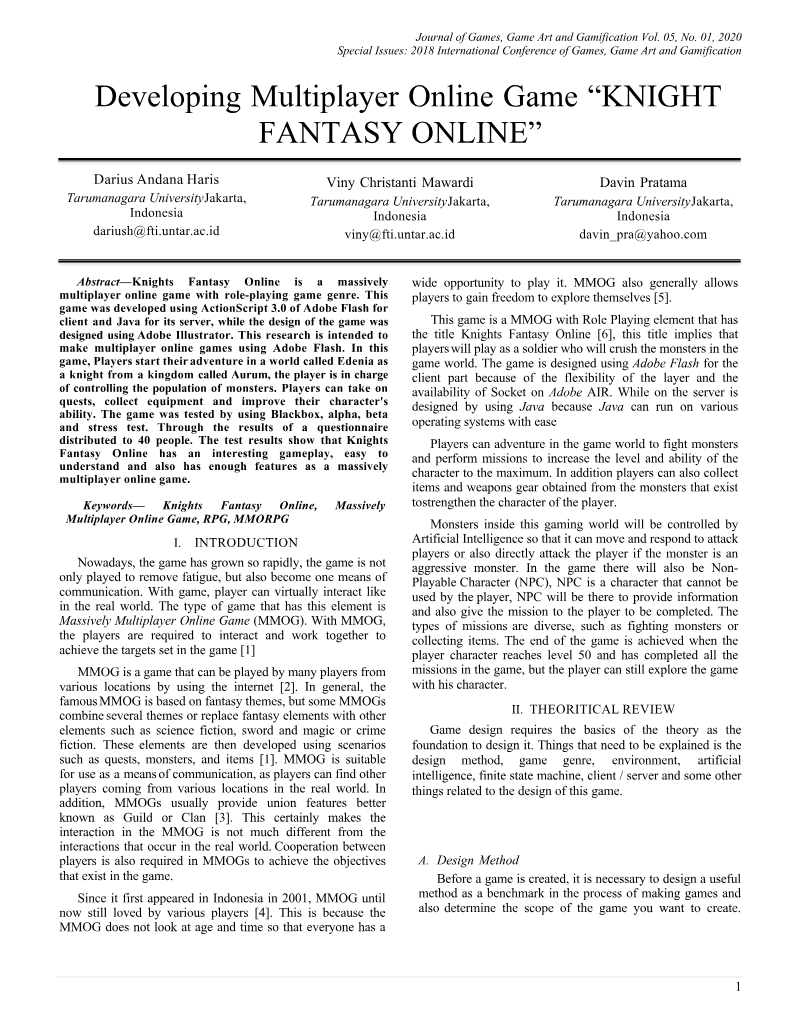
Knight Fantasy Online is a fantasy-themed MMORPG with AI-driven characters.
The game features a quest-driven environment where players engage in combat and character development. Artificial intelligence drives the behavior of NPCs and monsters.
1 / 6
- 01The current server configuration is limited to a maximum capacity of 20 concurrent players due to hardware constraints identified during custom Java-based stress testing.See it on page 7
- 02Beta testing results showed that 80% of the 40 participants felt immersed in the game's atmosphere, indicating strong core gameplay and visual design.See it on page 7
- 03The technical architecture utilizes Adobe Flash and ActionScript 3.0 for the client-side interface and Java for server-side operations to ensure cross-platform compatibility.See it on page 1
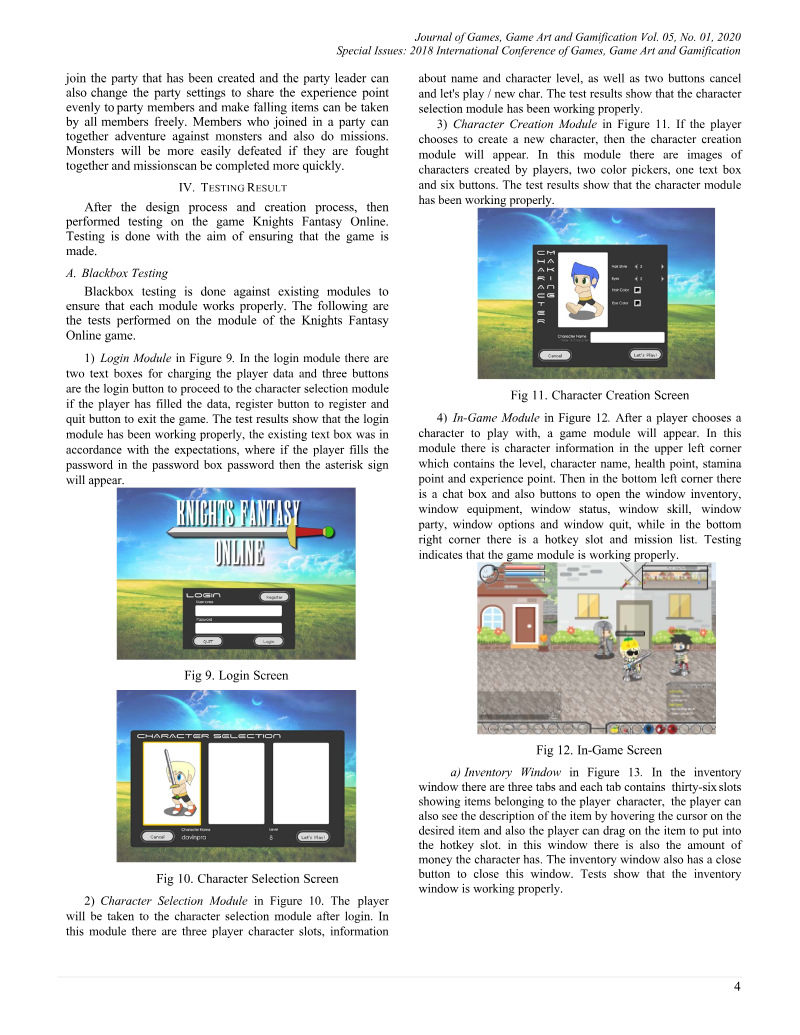
- 04Core mechanics including inventory, party, and skill systems were validated as functional and intuitive through a multi-stage testing process involving Blackbox, alpha, and beta phases.See it on page 4
- 05Future development priorities include upgrading server hardware, expanding character customization options, and implementing web-based account management features like email verification.See it on page 7
- 06The game utilizes artificial intelligence to drive NPC and monster behavior within its quest-driven, fantasy-themed environment.See it on page 1
Ask AI about this report
Summary
The development of Knight Fantasy Online, a massively multiplayer online role-playing game (MMORPG), serves as a case study for integrating client-side flexibility with robust server-side architecture. The project utilizes Adobe Flash and ActionScript 3.0 for the client interface, while employing Java to manage server-side operations, ensuring compatibility across various operating systems. The game features a fantasy-themed world where players engage in quest-driven progression, monster combat, and character development, supported by artificial intelligence-driven NPCs and monsters.
The research methodology involved a multi-stage testing process, including Blackbox, alpha, beta, and stress testing. Alpha testing involved 20 experienced players, while beta testing expanded to 40 participants with diverse gaming backgrounds. Stress testing was conducted using a custom Java-based simulation to determine server capacity. These tests evaluated user interface intuitiveness, gameplay engagement, and network stability.
Key findings indicate that the game’s core mechanics, such as the inventory, party, and skill systems, function effectively and are generally intuitive for users. Beta testing revealed that 80% of participants felt immersed in the game’s atmosphere, and a majority found the gameplay and visual design attractive. However, the stress tests highlighted hardware limitations, establishing a maximum recommended capacity of 20 concurrent players for the current server configuration. The study concludes that while the game successfully delivers a functional MMORPG experience, future iterations would benefit from enhanced server hardware, expanded character customization, and improved account management features, such as email verification and web-based registration.