1 free read left. Create a free account for unlimited reading + AI research.
Create free accountWhitepaper DiGRA
1 free read left. Create a free account for unlimited reading + AI research.
Create free accountWhitepaperDiGRA
Single-player puzzle design is well documented, but guidance for collaborative puzzles is scarce.
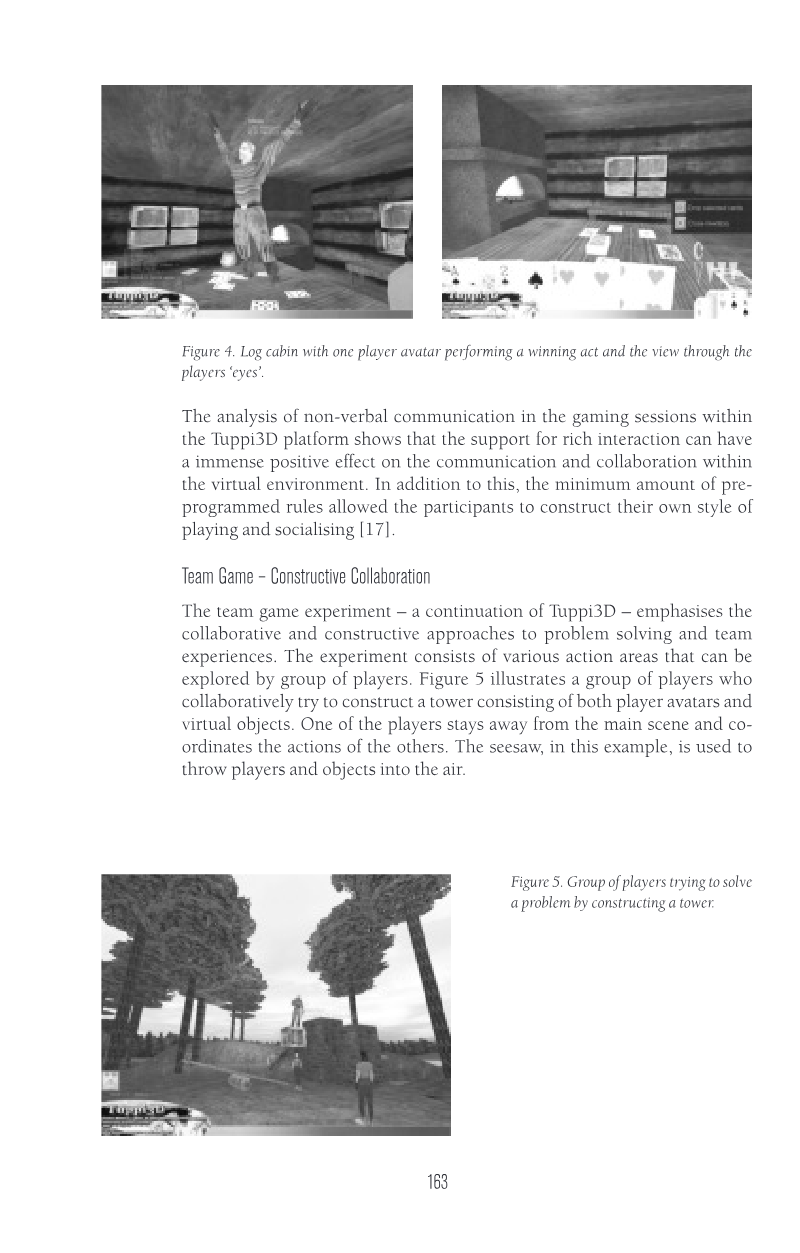
The document examines the design of collaborative puzzles for multiplayer games, using CASE eScape, a four-player social action-adventure built as a total conversion of Unreal Tournament 2003, as its test case. Its central aim is to address a gap in design guidance: while single-player puzzle design is well documented, multiplayer puzzles that genuinely require cooperation have received little systematic attention. The authors combine conceptual analysis drawn from computer-supported cooperative work and play research with empirical observation, asking how designers can create meaningful puzzles that demand collaboration and how far collaboration mechanics can be pushed. eScape's eight linked puzzles were built around six pedagogically defined collaboration processes, including negotiation, planning, information sharing, and joint rule-making, and were designed for roughly sixty minutes of play.
The empirical component observed six groups of four non-gamers playing the game, using video, audio, in-game recordings, and stimulated recall interviews. A notable finding was a gap between players' perceptions and observed behavior: participants consistently reported stronger collaboration than the recordings showed, with several puzzles such as the climbing and bee puzzles often solved by only one to three players. Trial-and-error approaches frequently produced coordination problems, and awareness of other players suffered, partly because name tags were invisible at a distance. Puzzle recognition and balloon-building mechanics generated frustration, and existing puzzle taxonomies proved of limited help in analyzing collaborative design.
The authors conclude that collaborative puzzle design is achievable but considerably more difficult than designing destructive multiplayer games. The eScape puzzles were relatively simple and forgiving of trial and error, and only two, the drums and balloon-building puzzles, strictly enforced cooperation through hard-wired requirements. Although all groups finished on time and reported enjoyment, leadership often emerged unnoticed, and the work suggests that effective collaborative puzzles must balance solo and team solutions, likely through higher difficulty, greater risk, or stronger communication support.
Each row is a game or company this document names, each column a document, oldest first. A mark means that document names it. Select a row to see those documents.
DiGRA · 2016
DiGRA · 2016
DiGRA · 2016
DiGRA · 2016

DiGRA · 2016

DiGRA · 2016



DiGRA · 2016

DiGRA · 2016

DiGRA · 2016

DiGRA · 2016

DiGRA · 2016

DiGRA · 2016
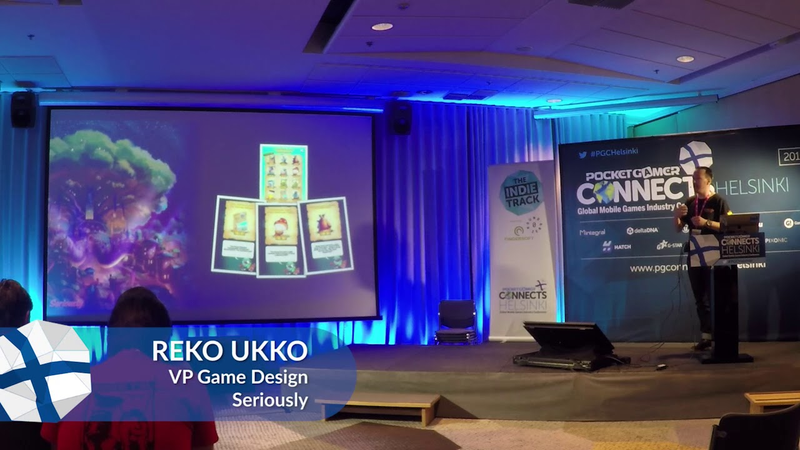
PocketGamer.biz · 2018