Loading the document
Key insights
5 slides
Core Purpose
The Mobile Exergaming Platform (MEP) integrates geolocation with game mechanics to incentivize physical activity.
MEP is designed to encourage activities such as walking and cycling. It aims to bridge digital entertainment with real-world engagement.
1 / 5
- 01The Mobile Exergaming Platform (MEP) successfully integrates geolocation services with game mechanics to incentivize physical activities like walking and cycling.See it on page 2
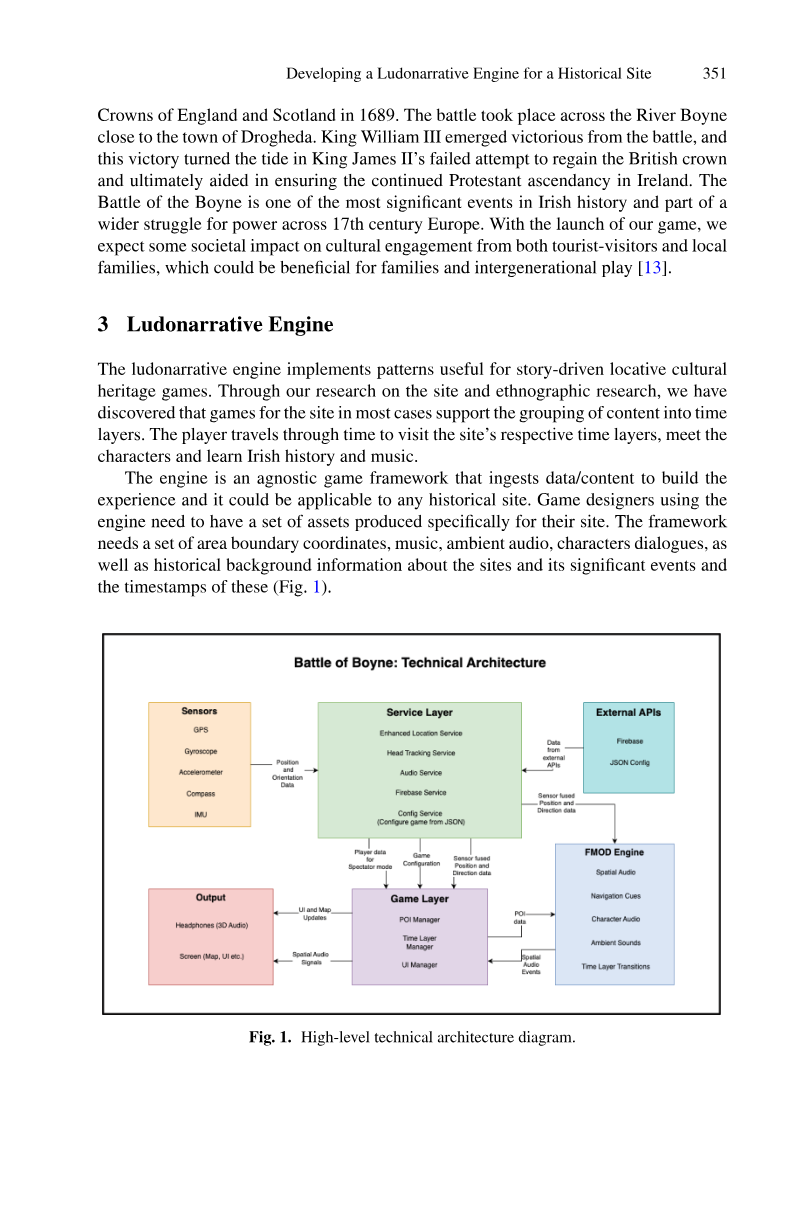
- 02The platform utilizes a multi-tier architecture that combines inTrack middleware for location services with an XML-based engine for managing quests, NPCs, and inventory.See it on page 4
- 03The Kyoto Mobile Exergaming Project (KMEP) pilot, conducted using NTT DoCoMo handsets, confirmed that collaborative game mechanics effectively foster social interaction and real-world movement.See it on page 7
- 04To mitigate restricted access to real-time GPS data from mobile service providers, the system implements player-to-player verification as a workaround for tracking puzzle completion.See it on page 7
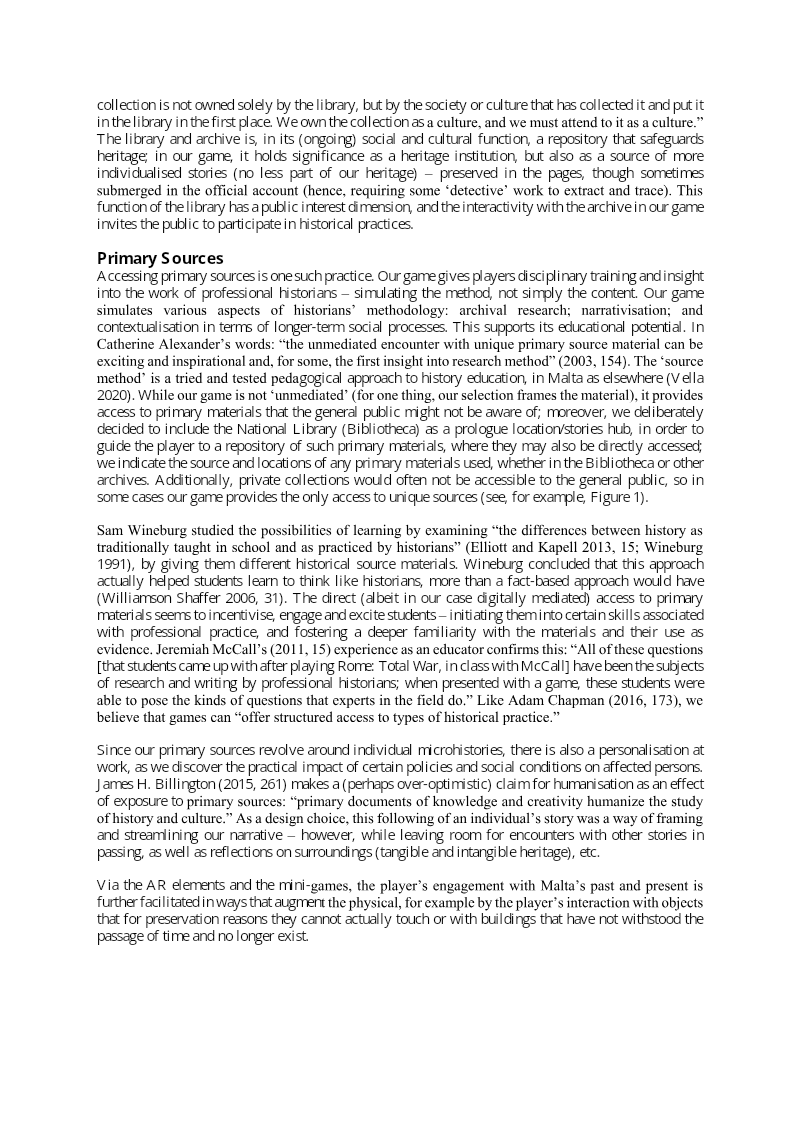
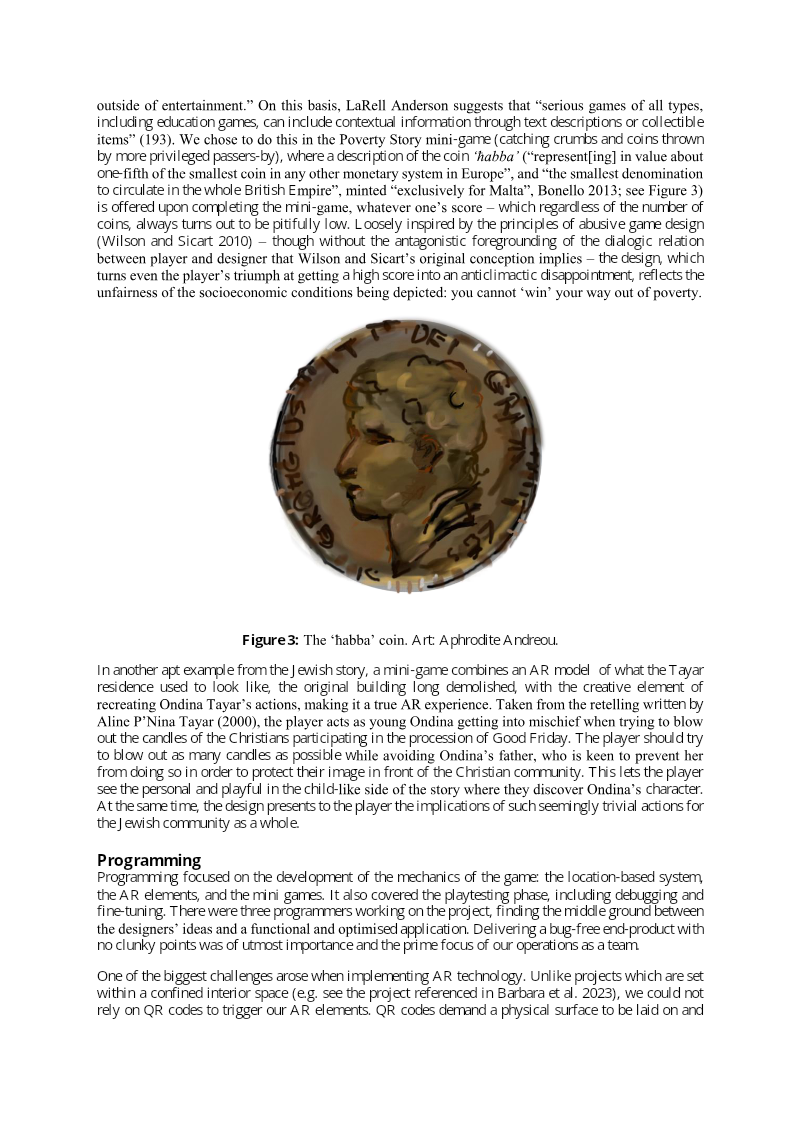
- 05The platform features three core quest types—geographical targeting, item collection, and collaborative rebus puzzles—which are mapped to physical environments via XML configuration.See it on page 4
- 06Future development of the platform requires the creation of user-friendly authoring tools to reduce the technical complexity currently required for designers to configure game content.See it on page 8
Ask AI about this report
Summary
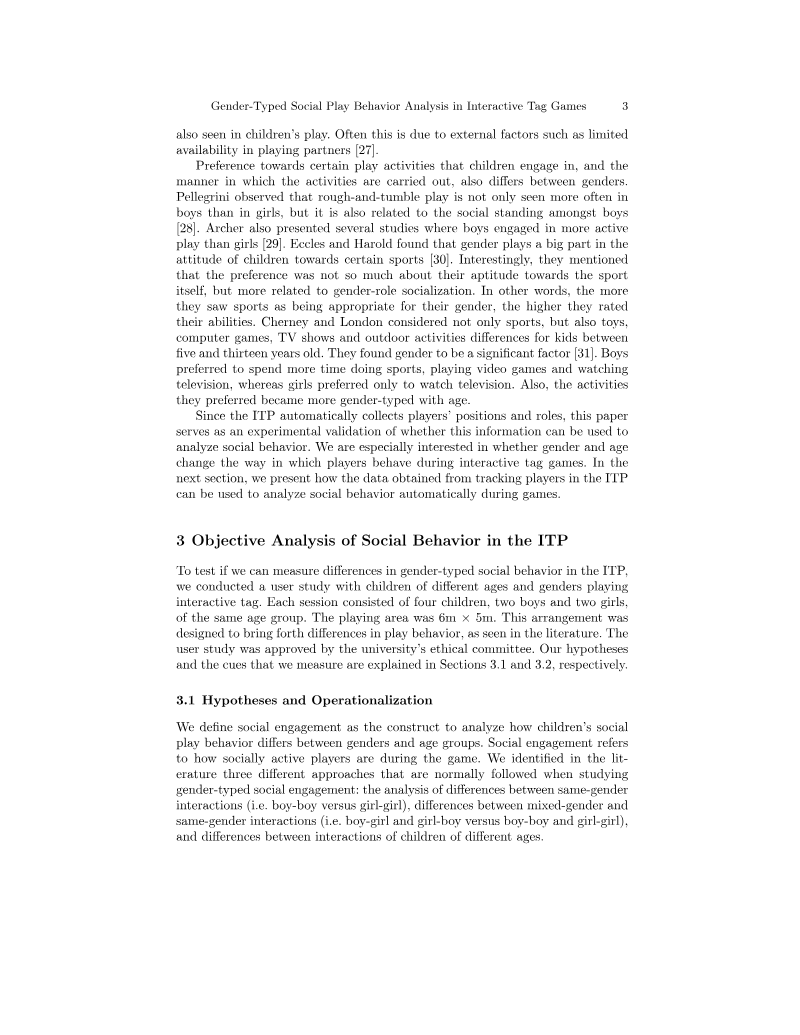
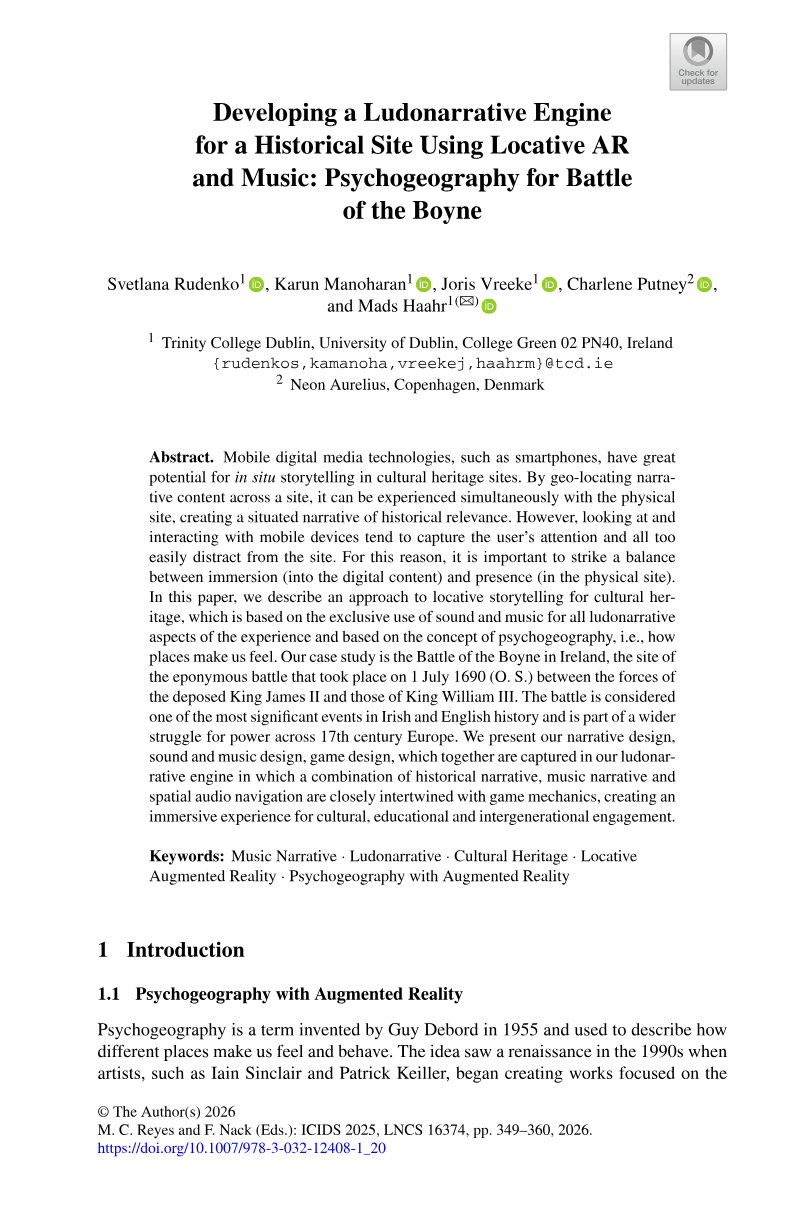
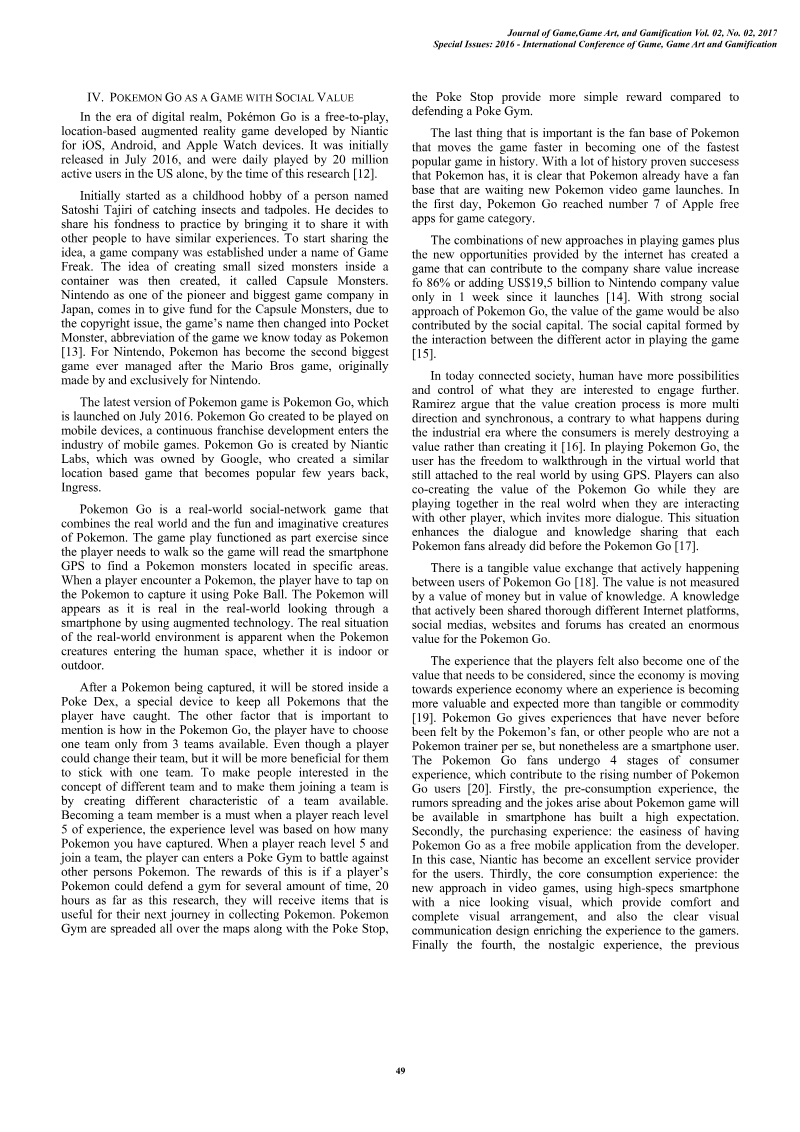
The Mobile Exergaming Platform (MEP) is a framework designed to encourage physical activity and social interaction through location-based role-playing games. By integrating pervasive computing with mobile technology, the platform aims to combat sedentary lifestyles and social withdrawal, particularly among populations prone to excessive screen time. The system utilizes a multi-tier architecture, combining the inTrack middleware for geolocation services with a game engine that manages quests, non-player characters (NPCs), and virtual inventory.
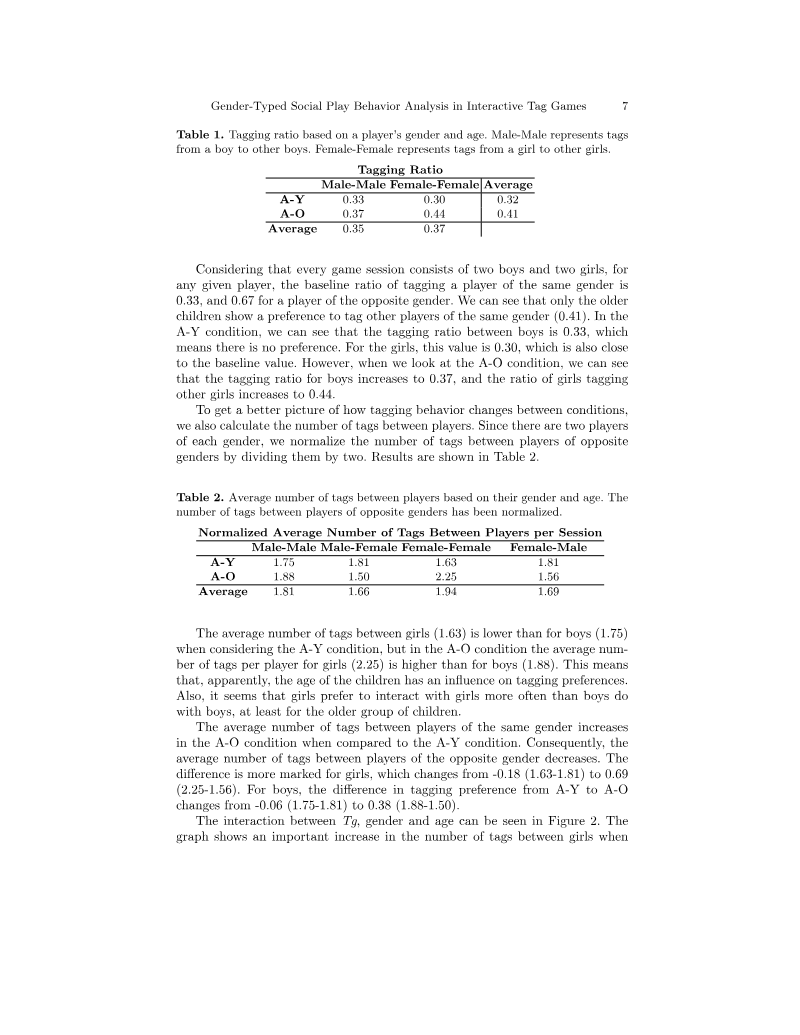
The platform’s methodology centers on three primary quest types: reaching specific geographical targets, collecting virtual items, and solving collaborative rebus puzzles. These elements are configured via XML files, allowing designers to map virtual objectives onto physical environments. A trial implementation, the Kyoto Mobile Exergaming Project (KMEP), successfully tested the platform in Japan using NTT DoCoMo mobile handsets. This pilot demonstrated that game mechanics could effectively motivate users to engage in outdoor activities, such as walking or cycling, while fostering social cooperation through shared puzzle-solving.
Technical findings highlight the challenges of working within the constraints of mobile service providers, specifically regarding restricted access to real-time GPS data. To overcome these limitations, the platform employs creative workarounds, such as using player-to-player verification for puzzle completion rather than relying solely on continuous tracking. The research concludes that while the MEP is a functional and flexible tool for creating pervasive games, future development should prioritize the creation of user-friendly authoring tools to simplify game configuration and reduce the technical burden on designers. The platform serves as a viable model for leveraging mobile technology to bridge the gap between digital entertainment and physical, real-world engagement.