1 free read left. Create a free account for unlimited reading + AI research.
Create free accountArticleInternational Journal of Role-Playing
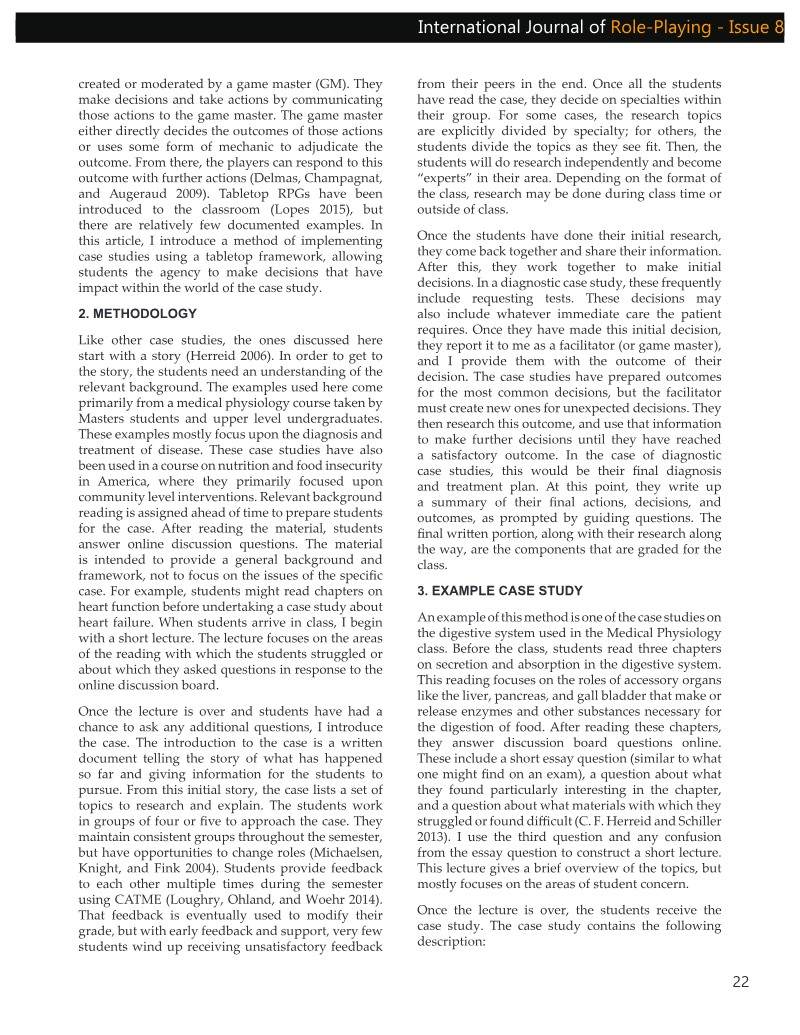
Susan Weiner proposes adapting tabletop role-playing game structure to college science case studies. Students take specialist roles and make decisions that shape the unfolding narrative.
Susan Weiner's article proposes a method for implementing case studies in college science courses by borrowing the structure of tabletop role-playing games. Her central argument is that traditional case studies, which typically divide research among group members and close with discussion questions, can be made more interactive and engaging if students take on specialist roles, make decisions that affect the unfolding narrative, and receive consequences for those choices. The approach aims to give students a sense of ownership and agency while preserving the subject-specific focus that makes case studies useful for science instruction.
The method is illustrated through a medical physiology case study on digestive system disease, used with graduate and upper-level undergraduate students. Groups of four or five students adopt medical specialties, research their assigned topics, and then collectively decide on diagnostic tests and treatments. The instructor acts as a game master, supplying outcomes for each decision and adjusting the case based on what students choose. The case is supported by assigned readings, a preparatory lecture addressing student confusion, and graded written summaries of final decisions and outcomes.
The author reports that student response has been very positive. In course evaluations, about 80 percent of students rated the case studies as "very effective," and 74 percent said the course helped them think independently about the material more than other courses. The evidence is limited to course evaluations and selected student comments, without a controlled comparison against conventional instruction. The author also acknowledges significant drawbacks: the method is highly teacher-intensive, group progress slowed in classes of up to 43 students while awaiting facilitator responses, and the approach may require additional support, such as teaching assistants, before it can be adapted for lower-level or high school classes.
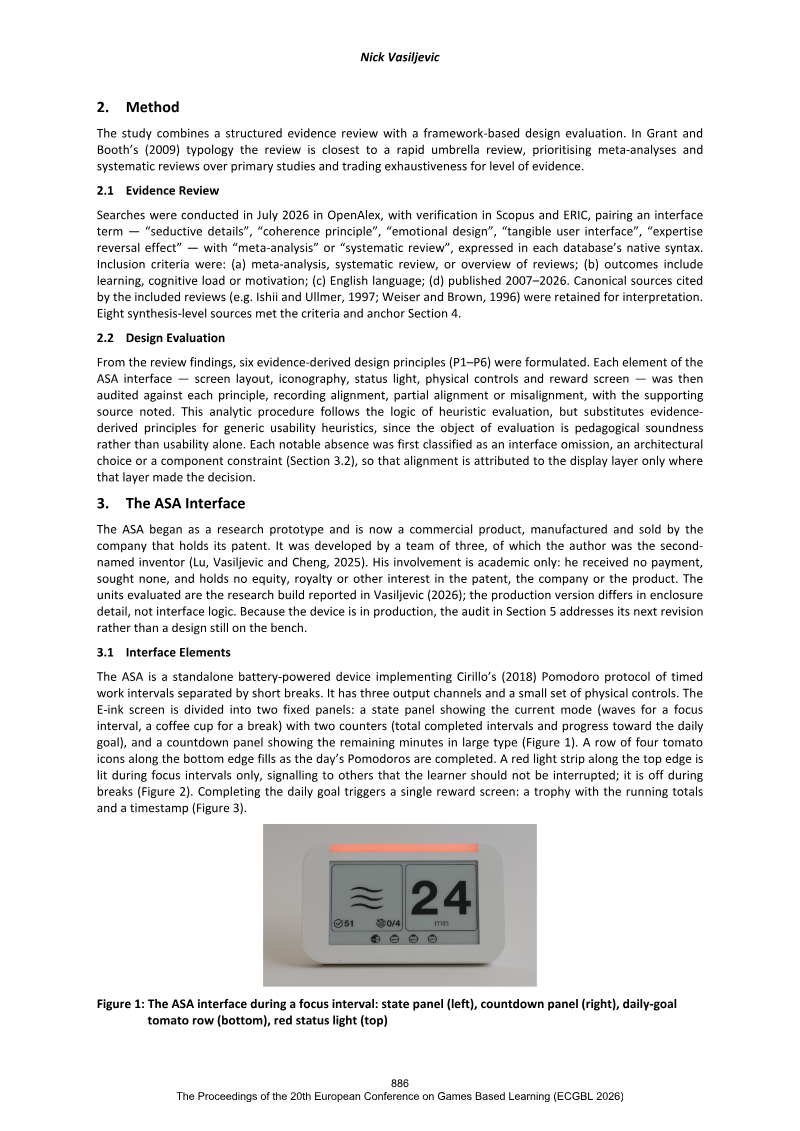
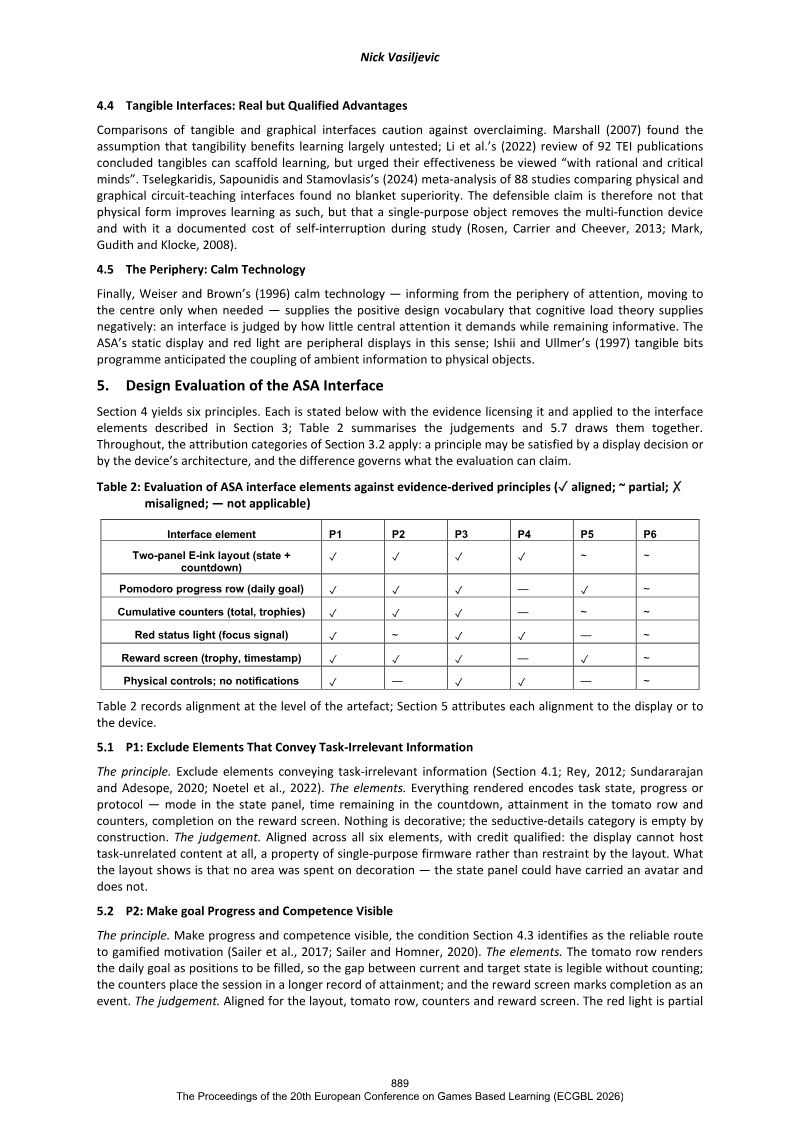
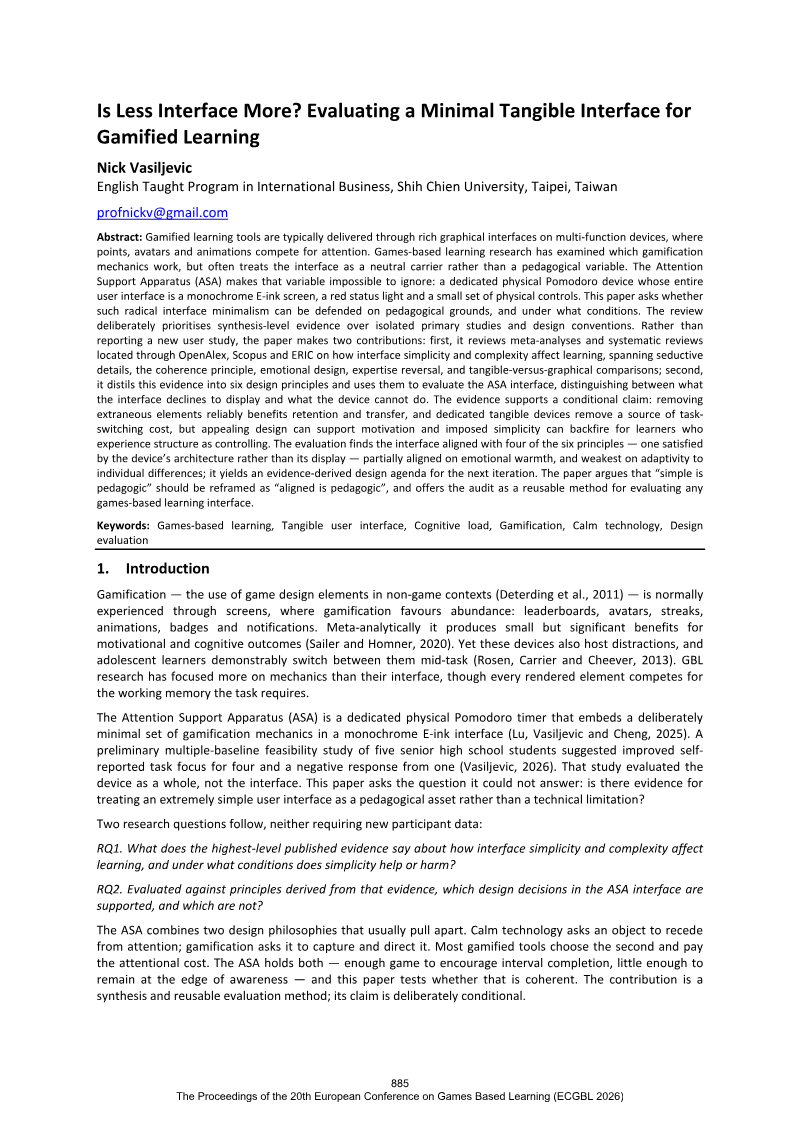
European Conference on Games Based Learning (ECGBL) · 2026



European Conference on Games Based Learning (ECGBL) · 2026



European Conference on Games Based Learning (ECGBL) · 2026
























Comments