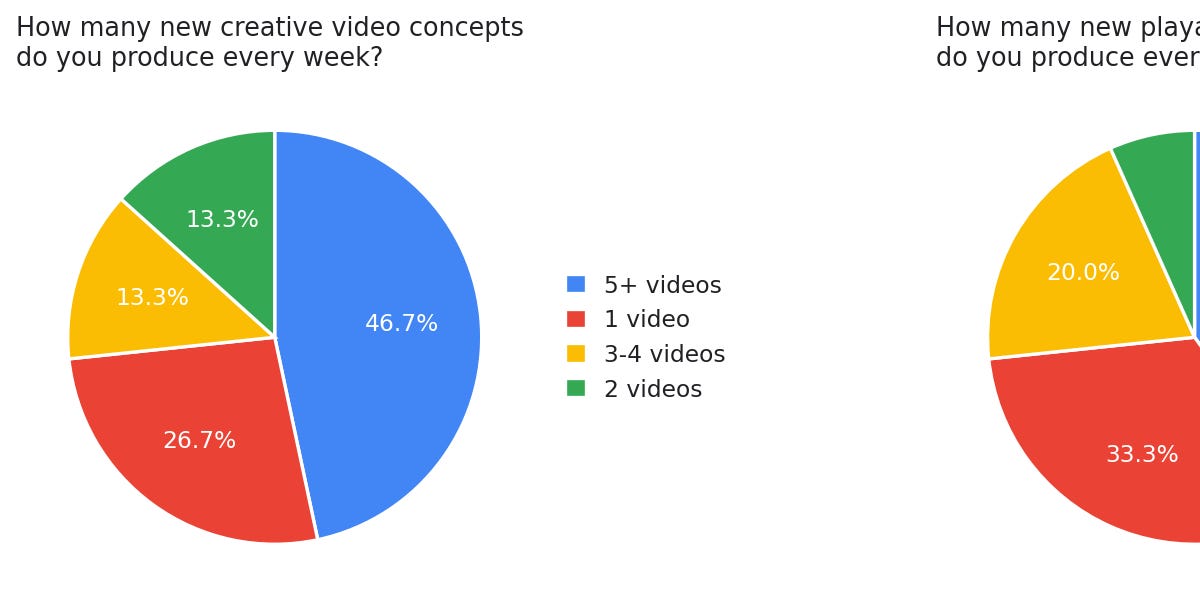
The mobile user acquisition landscape in August 2024 is defined by a shift toward sophisticated, multi-layered creative strategies that prioritize psychological engagement and technological integration. Current trends emphasize the growing role of artificial intelligence, particularly in generating celebrity-style endorsements and complex visual assets. This evolution marks a transition from simple promotional materials to longer-form content, with video advertisements increasingly exceeding the one-minute mark to incorporate deeper storytelling and user-generated content styles.
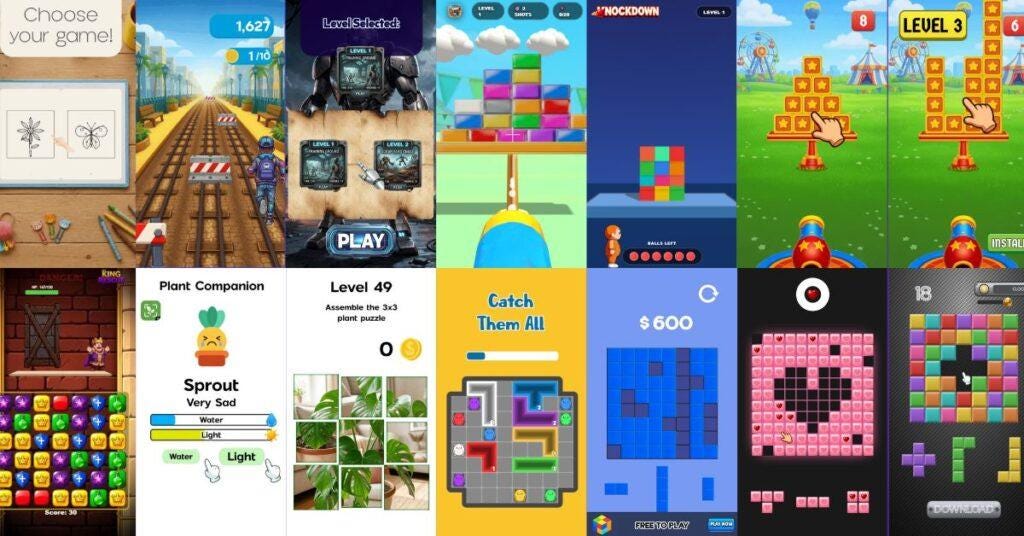
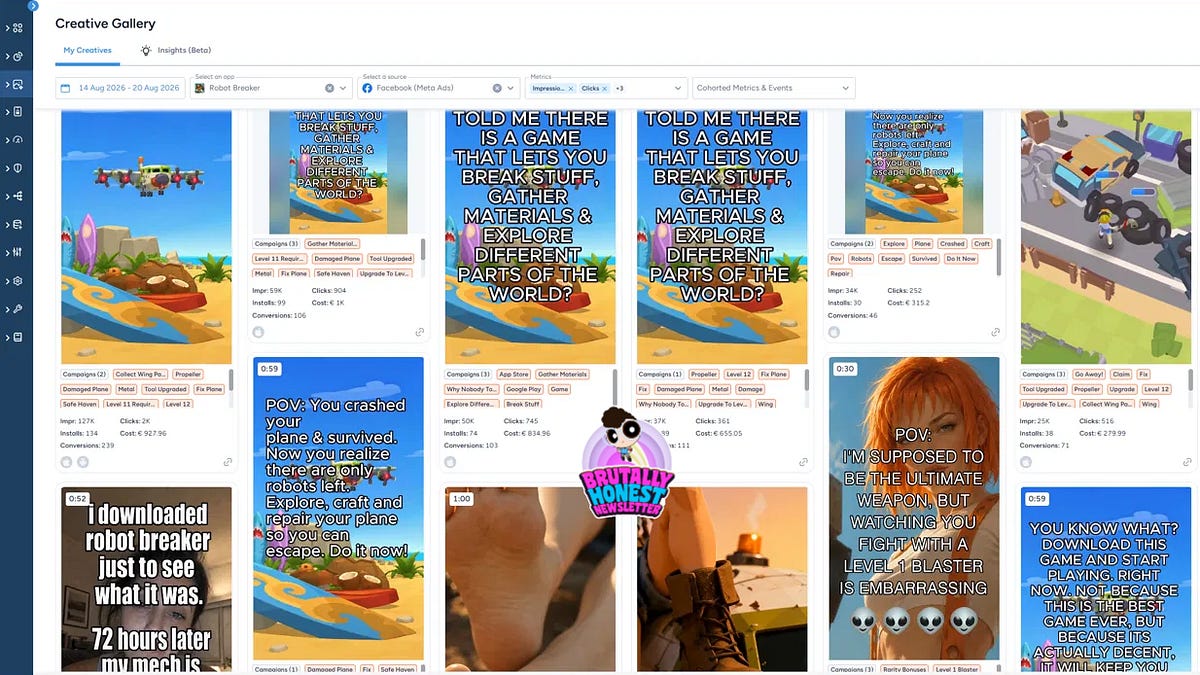
Marketing tactics are currently dominated by several distinct creative tropes designed to capture immediate player attention. These include high-stakes scenarios such as near-death experiences, animal rescue narratives, and the use of "fake ad" parodies that meta-referentially acknowledge industry trends. Additionally, the industry is seeing a rise in the "wall of text" approach and point-of-view perspectives to create a sense of urgency or intimacy. While hypercasual elements remain prevalent, there is a noticeable trend toward increasing the complexity of creatives by showcasing diverse game features rather than singular mechanics.
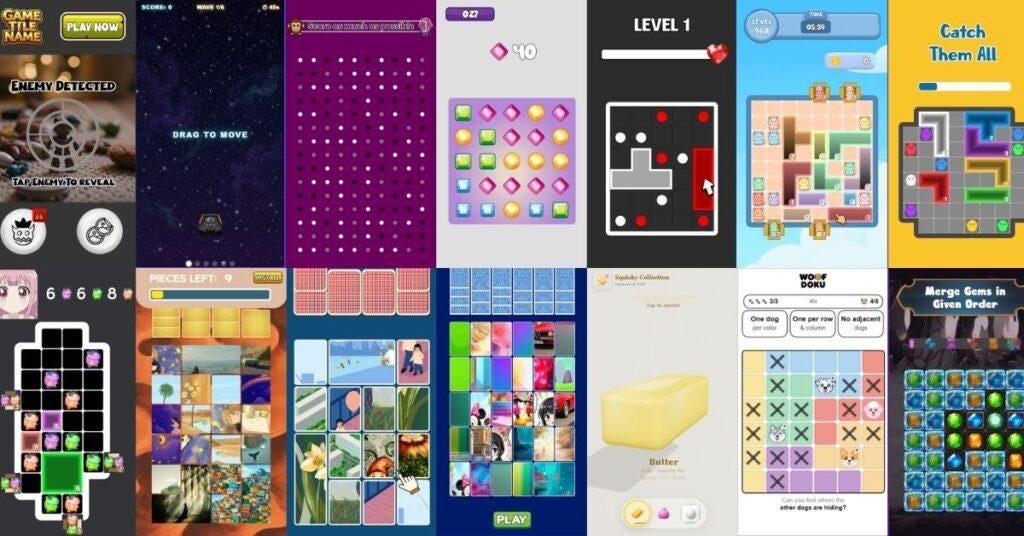
The strategic focus for developers and marketers has moved toward highly personalized and targeted approaches that leverage intellectual property and celebrity influence. The integration of playable ads continues to be a staple for driving engagement, while the industry simultaneously grapples with the controversial practice of adapting creative concepts from competitors. Ultimately, the future of mobile game marketing appears rooted in the fusion of AI-driven efficiency and authentic-feeling user-generated content to navigate an increasingly competitive digital ecosystem.