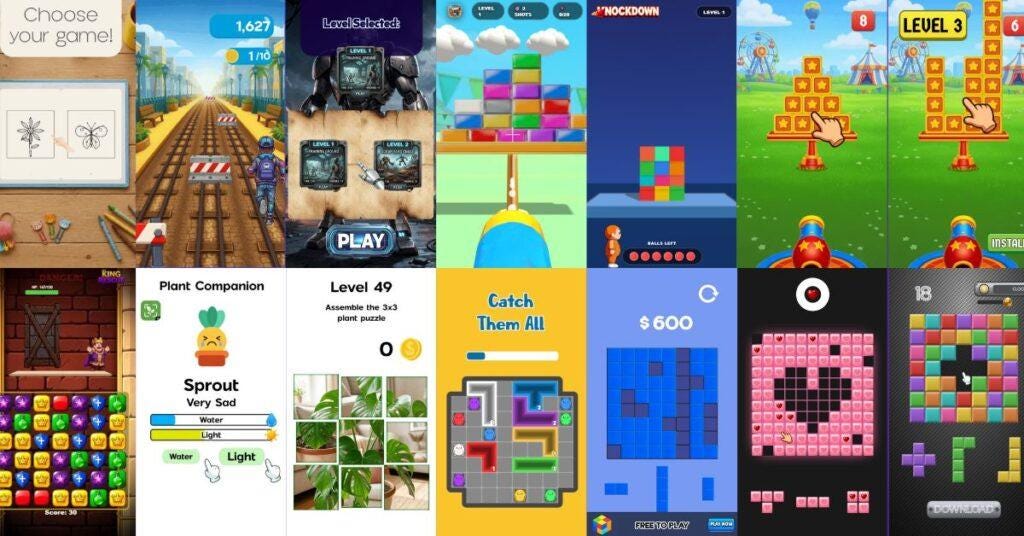
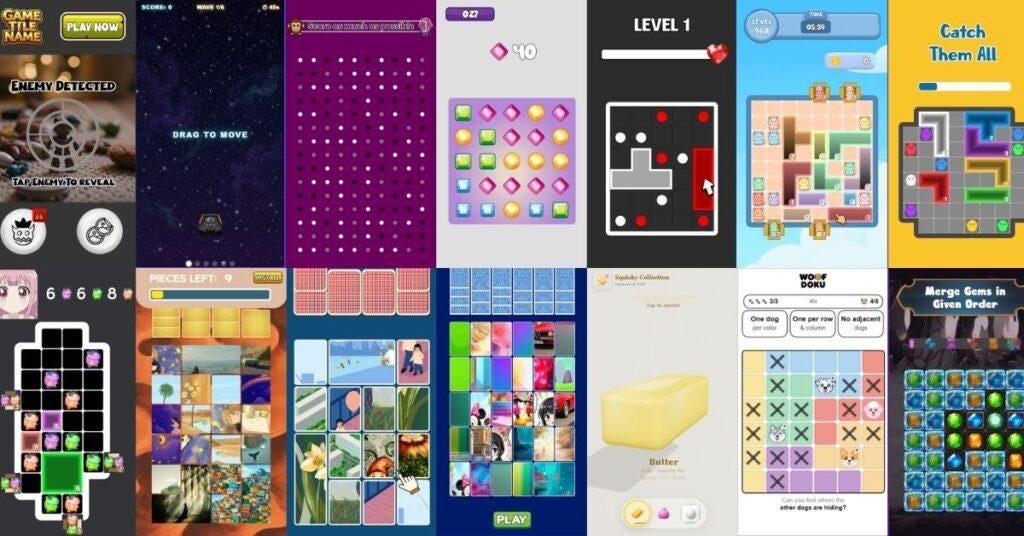
This strategic framework outlines a comprehensive methodology for mobile game user acquisition (UA) in 2024, focusing on creative production as the primary lever for reducing Costs Per Install (CPI) and increasing Return on Ad Spend (ROAS). The thesis posits that success in the current market requires a shift from simple variations to aggressive iteration and the integration of high-impact hooks. By refining the first three seconds of an ad and utilizing "altered gameplay" or hypercasual mechanics, developers can reportedly decrease CPIs by up to 50% and double Day 7 ROAS.
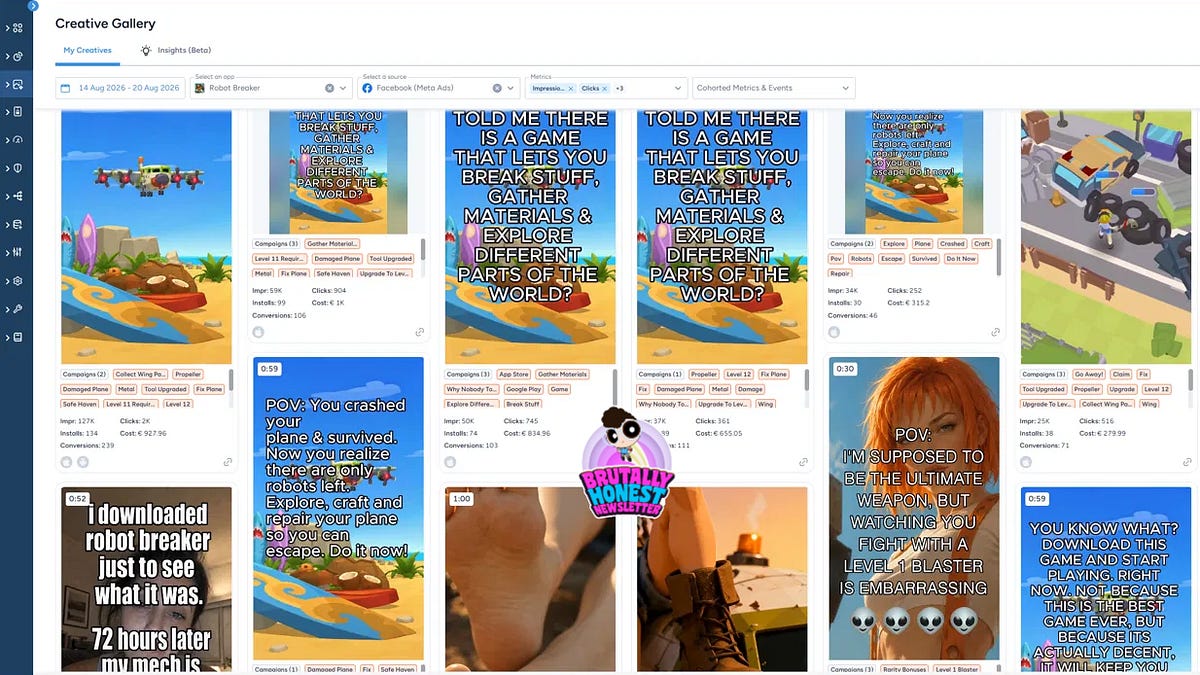
The scope of the analysis covers the global mobile gaming industry, with specific mentions of mid-core and hypercasual segments. It details a rigorous creative process involving competitor "espionage" via tools like the Facebook and TikTok Ad Libraries, followed by collaborative brainstorming between motion designers and game product managers. The methodology emphasizes a "don't reinvent the wheel" approach, suggesting that teams should initially produce exact copies of competitor winners to establish a baseline before iterating on elements like pace, urgency, and failure states.
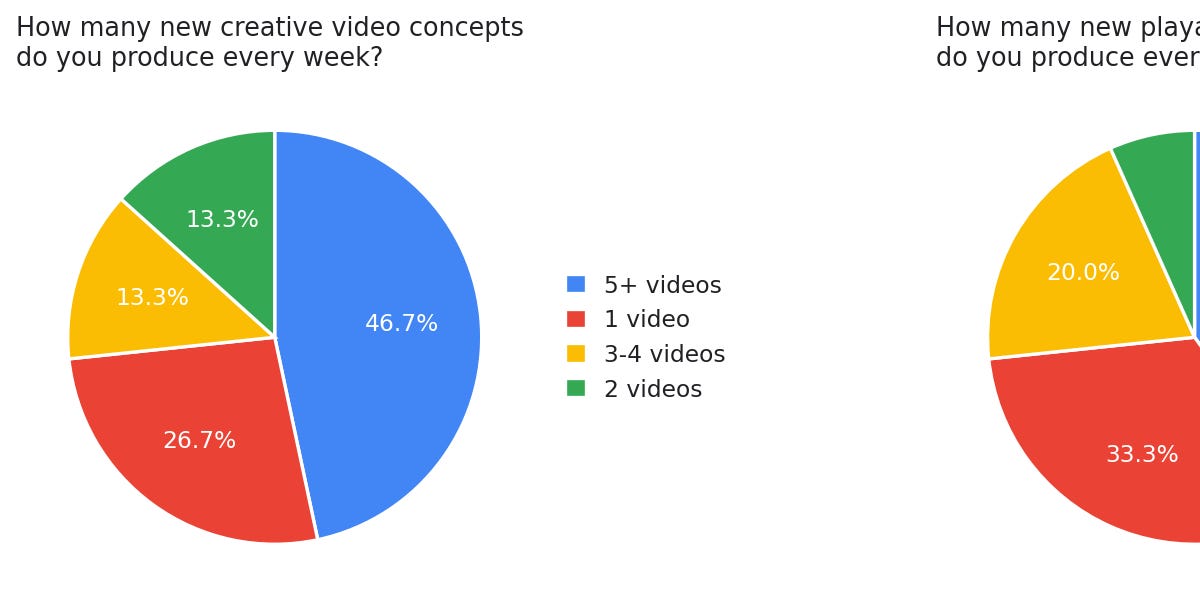
Key findings include specific testing frameworks for major platforms: using Tier-4 countries for initial Impression Per Mille (IPM) testing on Facebook and Unity before scaling to Tier-1 markets. The framework also highlights the rising role of AI tools like Midjourney and Synthesia for rapid prototyping and the necessity of the TikTok Creative Challenge for authentic user-generated content. Finally, it provides a scalable organizational model, recommending that creative output increase proportionally with budget, ranging from four unique concepts for small budgets to over 20 for monthly spends exceeding $1 million.