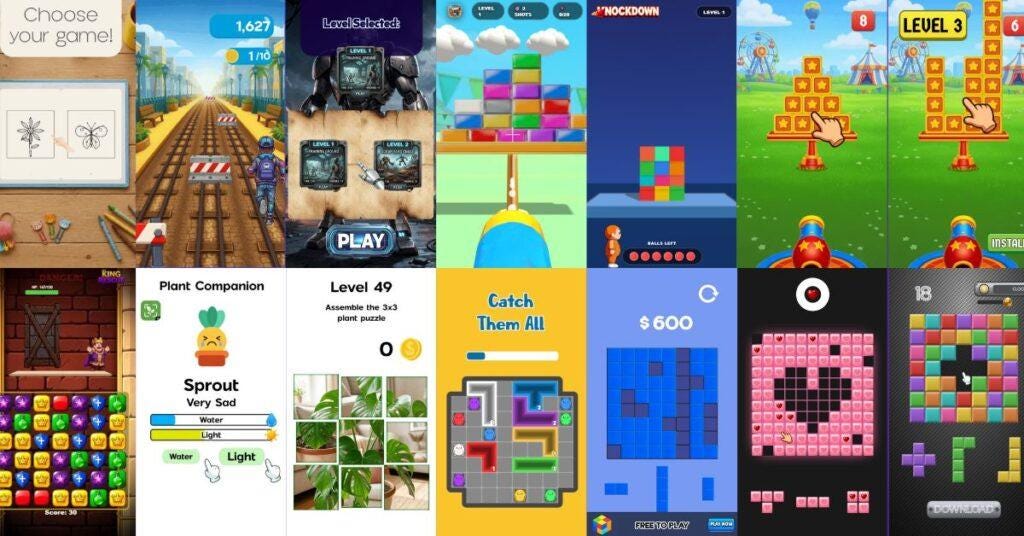
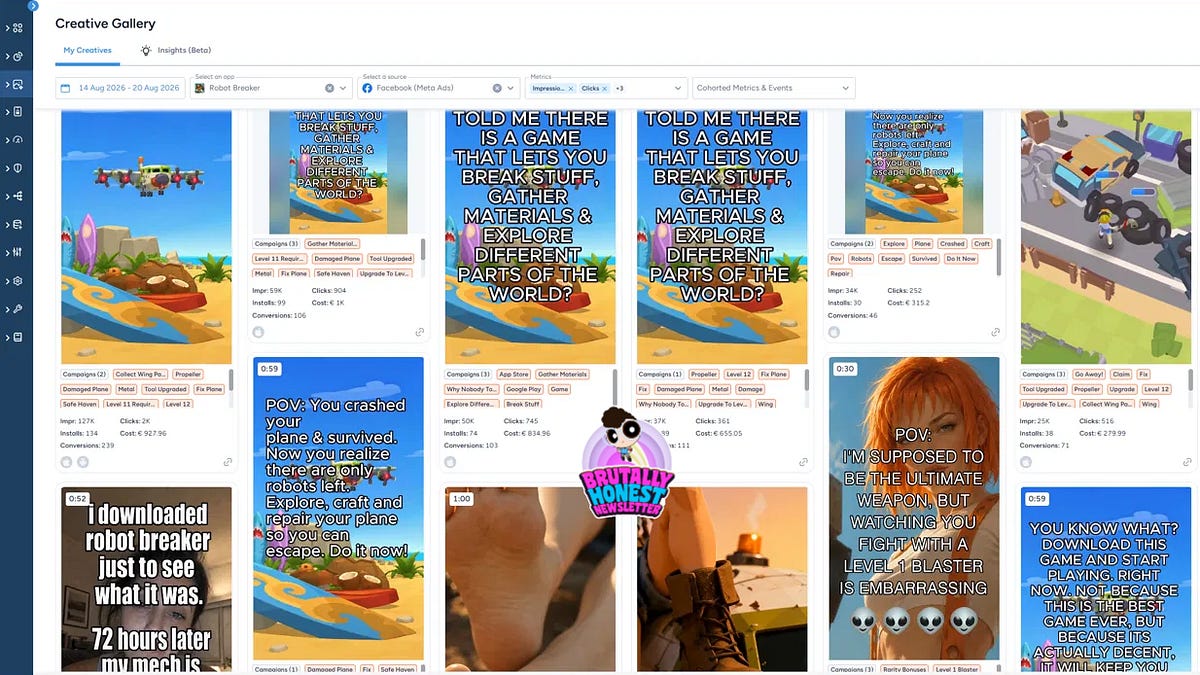
User acquisition strategies in the mobile gaming sector have shifted significantly following the deprecation of the Identifier for Advertisers (IDFA), necessitating a heavier reliance on creative innovation and automated tools. Current trends emphasize the dominance of User-Generated Content (UGC) as a primary driver for engagement. While traditional high-production UGC remains effective, there is a growing movement toward low-cost, accessible production methods, such as utilizing TikTok’s artificial intelligence voiceovers and Animoji to create "cheap and dirty" advertisements that resonate with modern audiences.
The integration of artificial intelligence into creative workflows has reached a point where AI-generated UGC frequently outperforms content featuring real people. Data from late 2023 suggests that these AI-driven assets have become a staple for performance marketing teams over the preceding six months. Beyond creative production, the industry is observing a structural shift in the Web3 gaming space, where developers are increasingly moving toward free-to-play models. This transition is largely attributed to the integration of AI and a desire to move away from the controversial "play-to-earn" scholarship models that defined earlier iterations of blockchain gaming.
The scope of these insights covers global mobile gaming trends with a specific focus on creative performance over a 90-day window in late 2023. Analysis is based on direct campaign management experience and industry observations regarding ad monetization and creative testing. The findings suggest that success in the post-IDFA landscape requires a blend of rapid creative iteration, the adoption of AI-assisted production tools, and a shift toward more inclusive community-building within the professional gaming industry.