The primary objective of this analysis is to provide actionable user acquisition (UA) strategies for mobile game developers operating in a privacy-centric, post-IDFA environment. The central thesis suggests that a successful global launch for a casual puzzle game requires a diversified budget allocation across multiple platforms to balance broad reach with high-intent targeting.
The recommended strategy for a $1 million monthly spend involves a specific distribution across five major channels. Google receives the largest share at 40% ($400,000), utilizing machine learning across Search, Play, and YouTube. Applovin is allocated 25% ($250,000) to target hardcore mobile gamers and drive high return on investment. Facebook accounts for 20% ($200,000) of the budget, focusing on casual audiences who may not identify as traditional gamers. TikTok and Apple Search Ads receive 10% ($100,000) and 5% ($50,000) respectively, with TikTok emphasized for its creative discovery potential and Apple Search Ads for brand defense on iOS.
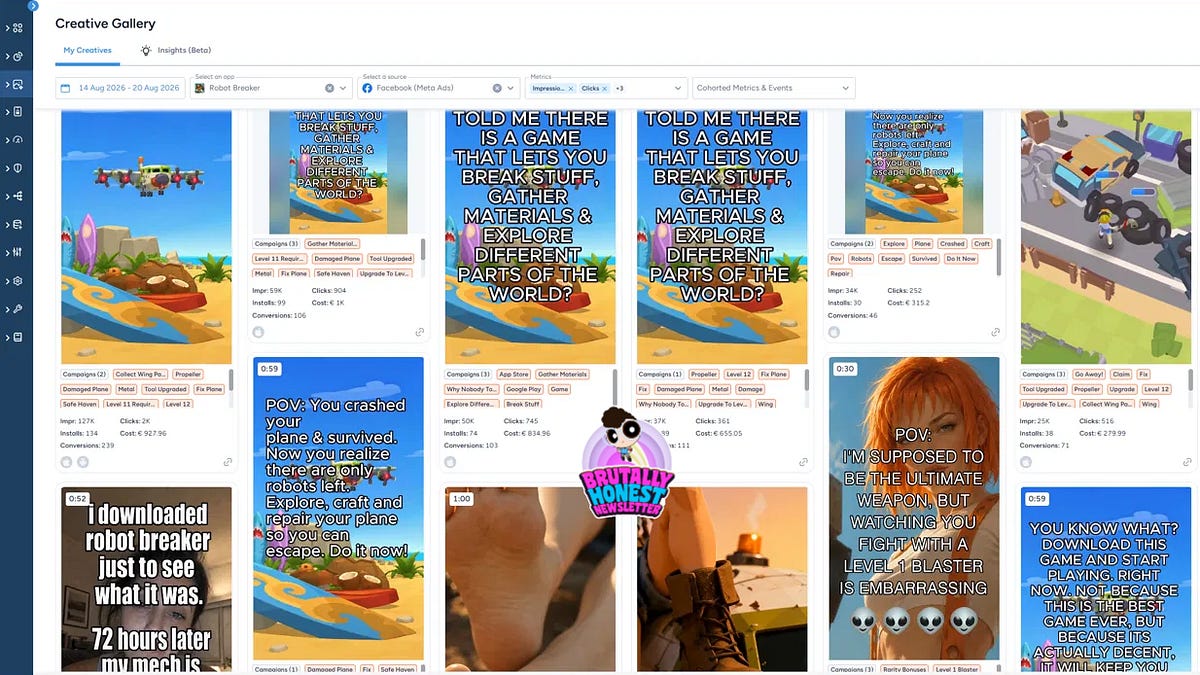
The geographic scope is global, with specific platform recommendations divided by operating system. For Android, the focus remains on Google, Facebook, and Applovin. For iOS, the strategy shifts toward Applovin, Facebook, TikTok, and Apple Search Ads. The analysis also highlights the importance of the TikTok Creative Challenge as a source for low-cost, high-performing creative assets that can be iterated upon for other networks.
The methodology relies on expert industry experience and anecdotal market observation. Beyond UA tactics, the findings touch upon broader industry trends, such as the critical success of Baldur’s Gate 3 despite initial skepticism from major publishers, and the necessity of agile planning in professional collaborations. The tone is informal yet analytical, aimed at mobile marketing professionals and game developers seeking practical budget benchmarks.