The provided text outlines the strategic approach taken by Blizzard Entertainment during the soft launch phase of Warcraft Rumble, formerly known as Warcraft Arclight Rumble. The analysis focuses on the transition from the initial reveal in May 2022 through various beta testing phases to the rollout of the first launch build in late 2023. It emphasizes the importance of iterative testing and brand evolution within the mobile gaming sector, specifically for high-profile intellectual properties.
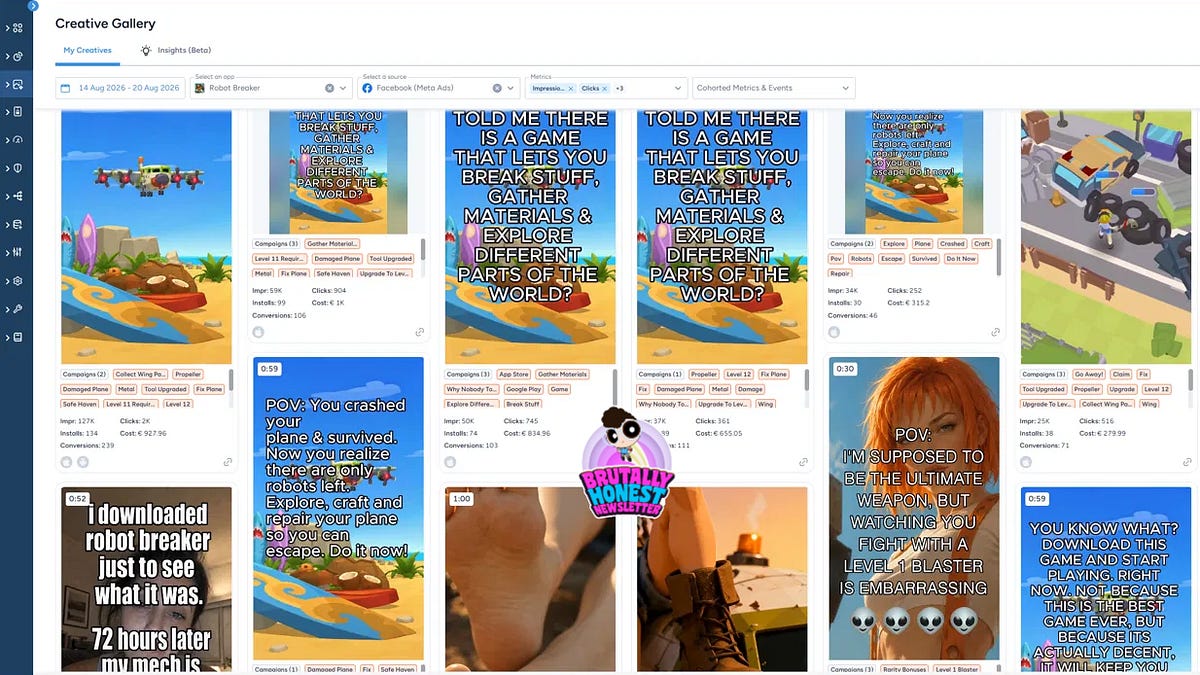
Key findings highlight the critical role of user acquisition (UA) and creative strategy in the post-IDFA mobile landscape. The analysis suggests that effective creative hooks, such as those combining real-life imagery with gameplay, are essential for driving engagement. By utilizing static image testing to identify high-performing hooks before integrating them into video content, developers can significantly improve campaign performance. This methodology underscores a data-driven approach to creative production that prioritizes early-second engagement to capture player attention.
The scope of the discussion extends to broader industry trends, including the challenges faced by non-endemic companies like Yuga Labs when entering the gaming space and the performance fluctuations of titles like Top Troops following a global launch. The findings indicate that even established franchises must navigate complex market dynamics, requiring seasoned gaming expertise and a disciplined soft launch playbook to ensure long-term viability. The tone is analytical and industry-focused, providing a professional overview of current mobile marketing and development hurdles.