This industry analysis provides strategic guidance on user acquisition (UA) and creative development within the mobile gaming sector during the post-IDFA era. The primary thesis emphasizes that successful marketing now requires a sophisticated balance between creative iteration and bold innovation, tailored specifically to a game’s lifecycle stage. In the early phases of a game, developers should focus 80% of resources on new concepts. As a title matures, this shifts to a 50-50 split, eventually reaching a late-stage ratio where 80% of efforts are dedicated to iterating on proven winners while reserving 20% for high-risk, boundary-pushing ideas.
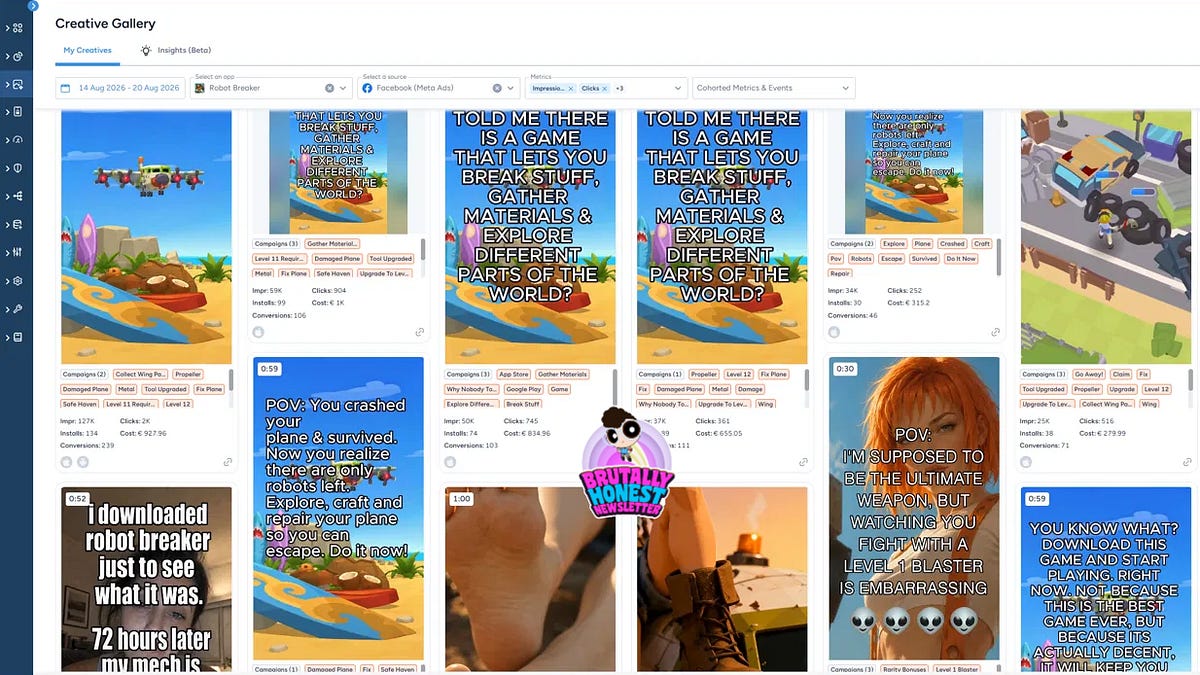
The analysis highlights specific creative trends, such as the effectiveness of "native-style" advertisements. By mimicking the aesthetic of the Apple Notes app, developers can reduce ad blindness and foster trust through organic-looking recommendations. Key engagement drivers identified include the use of gift codes for immediate value, clear hooks like "must-know" checklists, and the "Save the Character" trope. For the latter, success is predicated on high visual polish, a sense of urgency, and direct implementation of the advertised mechanic within the actual gameplay.
The scope of the commentary is global, covering major industry players like Habby, Dream Games, and Good Job Games, while noting significant investment trends such as the $23 million funding for the team behind Match Villains. The findings are based on professional observations of market performance, creative testing results, and broader industry shifts, including the impact of AI on marketing workflows and the competitive pressure from open-source AI models. The report concludes with a comprehensive overview of the current labor market, listing high-level marketing and monetization vacancies at leading firms like Supercell, Scopely, and Voodoo.