This industry analysis explores the evolving landscape of mobile user acquisition (UA) in 2024 and 2025, specifically addressing the challenges of the post-IDFA environment. The primary thesis emphasizes that channel diversification is no longer optional but a necessity for survival. Strategic growth requires a disciplined "kill fast, scale faster" approach to testing new platforms, where initial underperformance is expected. Key benchmarks for new channel testing include expecting 20–30% higher costs-per-install (CPI) initially and allowing a three-to-four-week window to hit defined KPIs before reallocating budget.
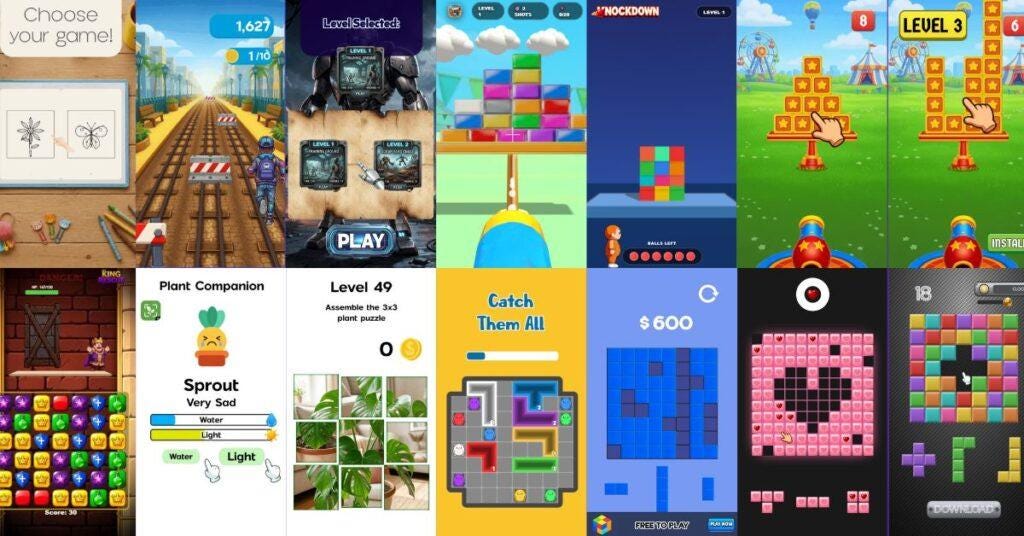
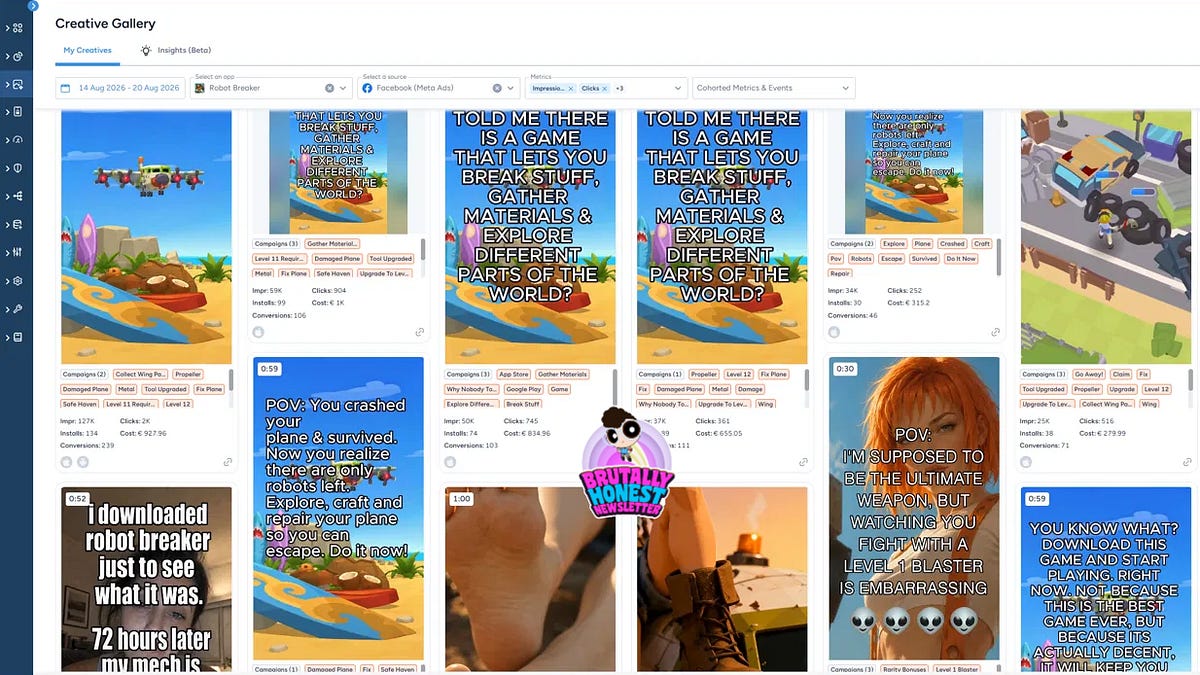
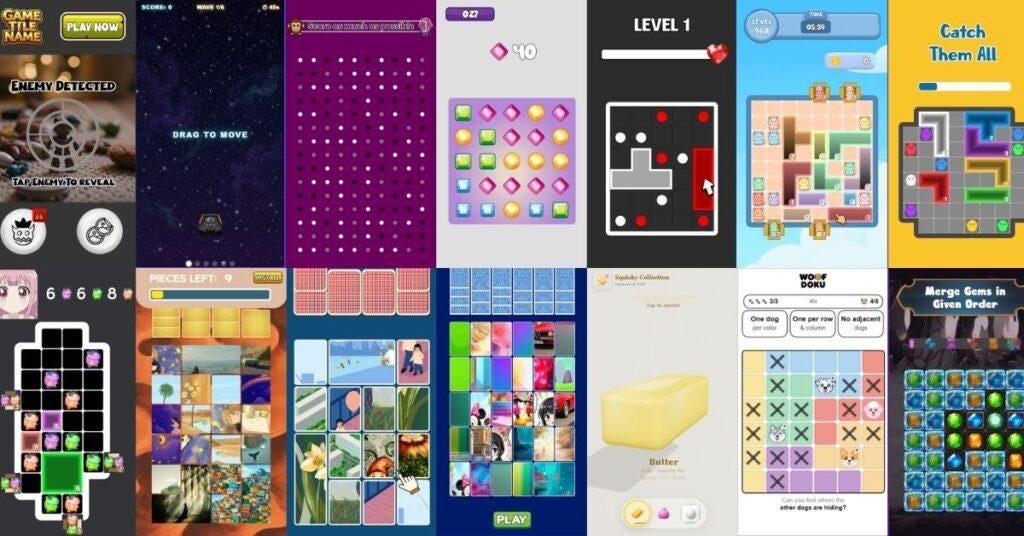
The analysis identifies a significant shift in creative trends, noting the rise of "UA-led game design." This involves integrating multiple core mechanics—such as combining screw puzzles, makeover elements, and Match-3D—to drive lower CPIs through diverse ad creatives. There is a notable increase in ads utilizing ASMR, stress relief messaging, and controversial makeover themes to capture attention. Furthermore, the industry is moving away from traditional User Generated Content (UGC) toward more polished "Creator UA videos" that feel native to social platforms rather than traditional advertisements.
The scope of the findings covers global mobile gaming trends with specific mentions of major industry players like Unity, Playrix, and AppLovin. Data points suggest that successful creative production in the current market can decrease CPIs by up to 40% when leveraging AI-driven UGC tools. The methodology relies on expert observation of market trends, creative performance data from early 2025, and professional insights from industry veterans. The tone remains analytical and direct, cautioning developers against the sunk cost fallacy while highlighting AI and playable ads as the next frontiers for profitable growth.