This analysis explores evolving user acquisition (UA) and creative strategies for the mobile gaming industry as it enters 2025. The primary thesis suggests that in a post-IDFA environment, the quantity and emotional resonance of creative assets have become more critical than high-production polish. Success in the current landscape requires a shift toward high-volume, lo-fi content and the integration of artificial intelligence to maintain competitive cost-per-install (CPI) rates.
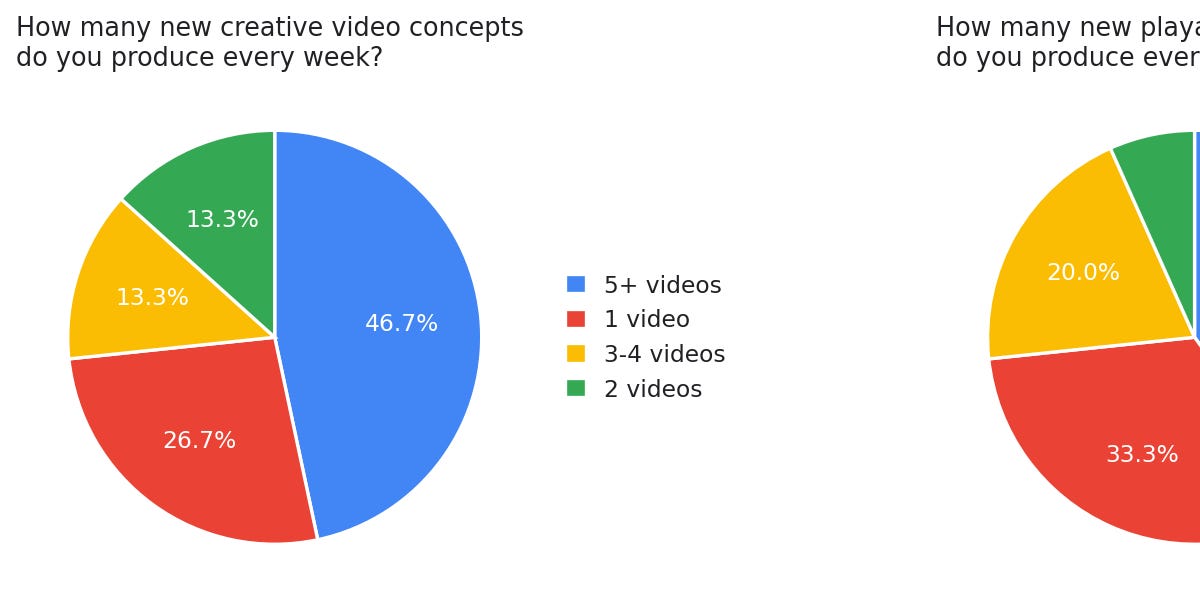
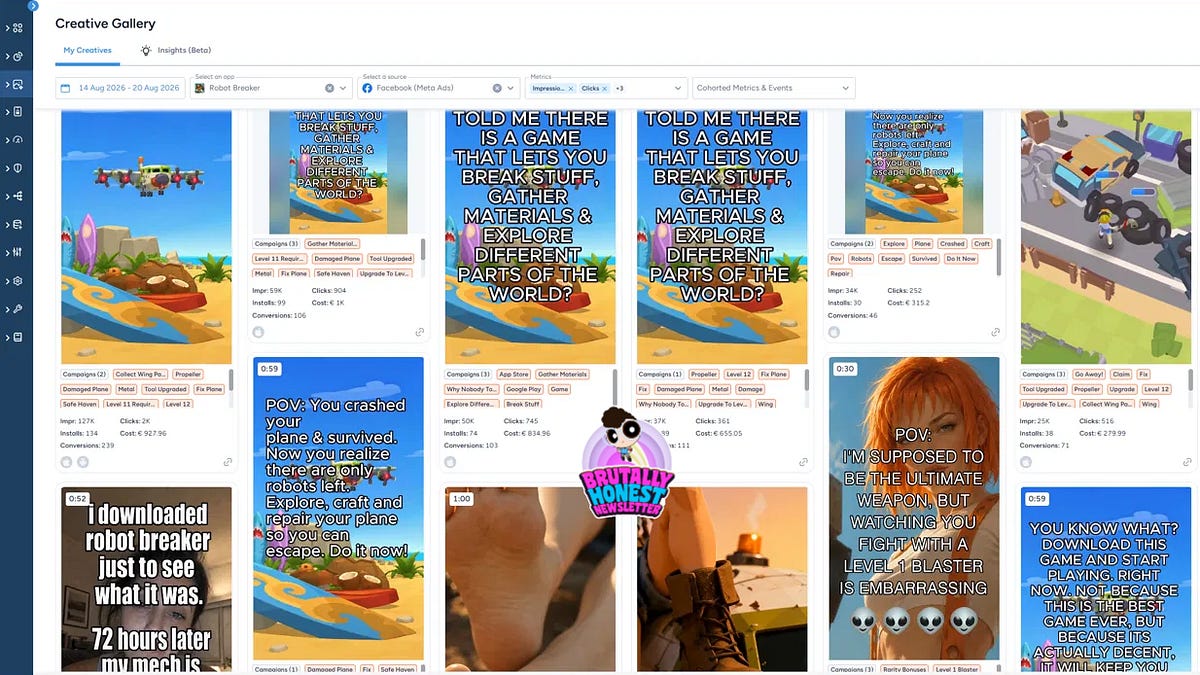
Key findings indicate that "ugly ads"—unpolished, authentic videos featuring real people or AI-generated user-generated content (UGC)—frequently outperform professional productions. To optimize performance, marketers are encouraged to deploy five to eight creatives per ad group and increase refresh frequencies to two or three times per week on major platforms like Facebook and TikTok. Data suggests that leveraging AI for UGC production can decrease CPIs by as much as 40% while significantly accelerating the creative testing cycle.
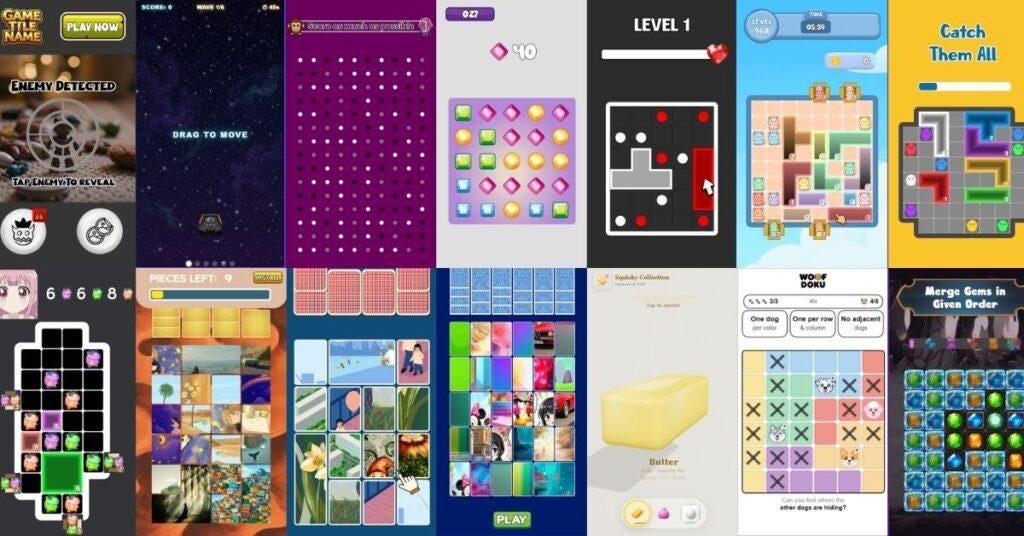
The scope of the analysis covers the global mobile gaming market, specifically focusing on the transition from 2024 into 2025. It highlights a trend where creative mechanics from the 4X genre, such as runner gates and high-tension "near-death" scenarios, are being adopted by casual and puzzle game developers to drive engagement. This cross-genre inspiration is driven by the universal effectiveness of emotional hooks in capturing player attention.
Methodological insights are derived from industry observations, soft-launch data from major publishers like Scopely and Voodoo, and practical campaign testing. The conclusions emphasize that the future of UA is a volume play where AI-driven creative diversity and rewarded UA channels are essential for scaling effectively in an increasingly competitive digital advertising ecosystem.