This industry analysis explores the complexities of mobile user acquisition (UA) in the contemporary privacy-focused landscape, specifically addressing strategies for Facebook and TikTok. The primary thesis suggests that achieving stability in a post-IDFA environment requires extensive experimentation across geographic targeting, campaign optimization, bidding strategies, and creative formats. Successful scaling to daily spends of $4,000 to $5,000 on these platforms often necessitates several months of testing to identify the optimal combination of variables.
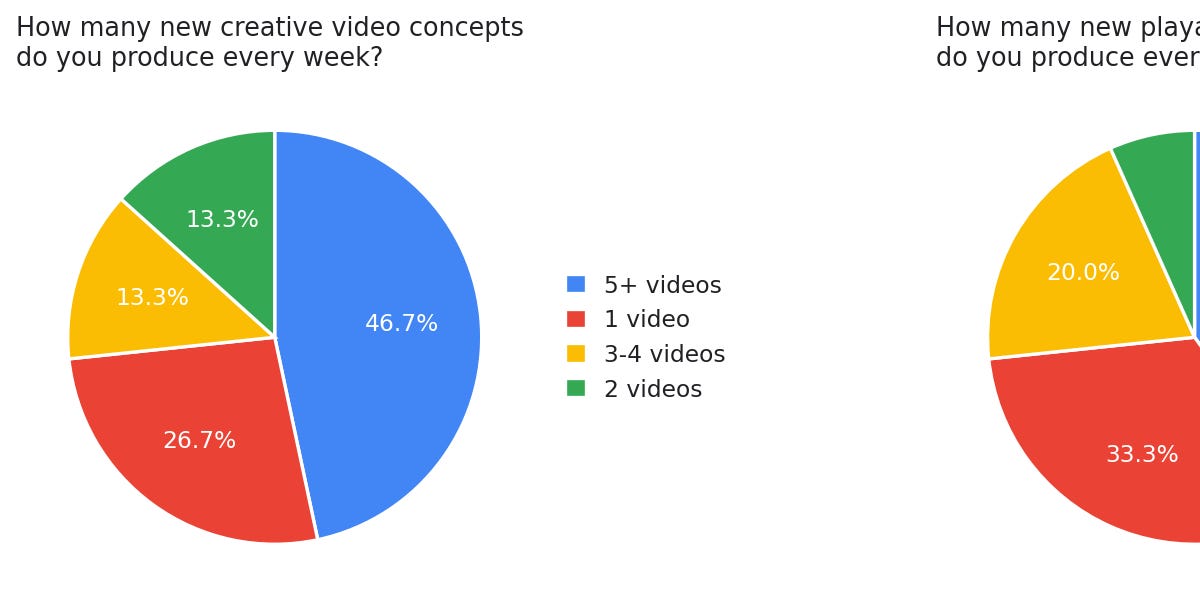
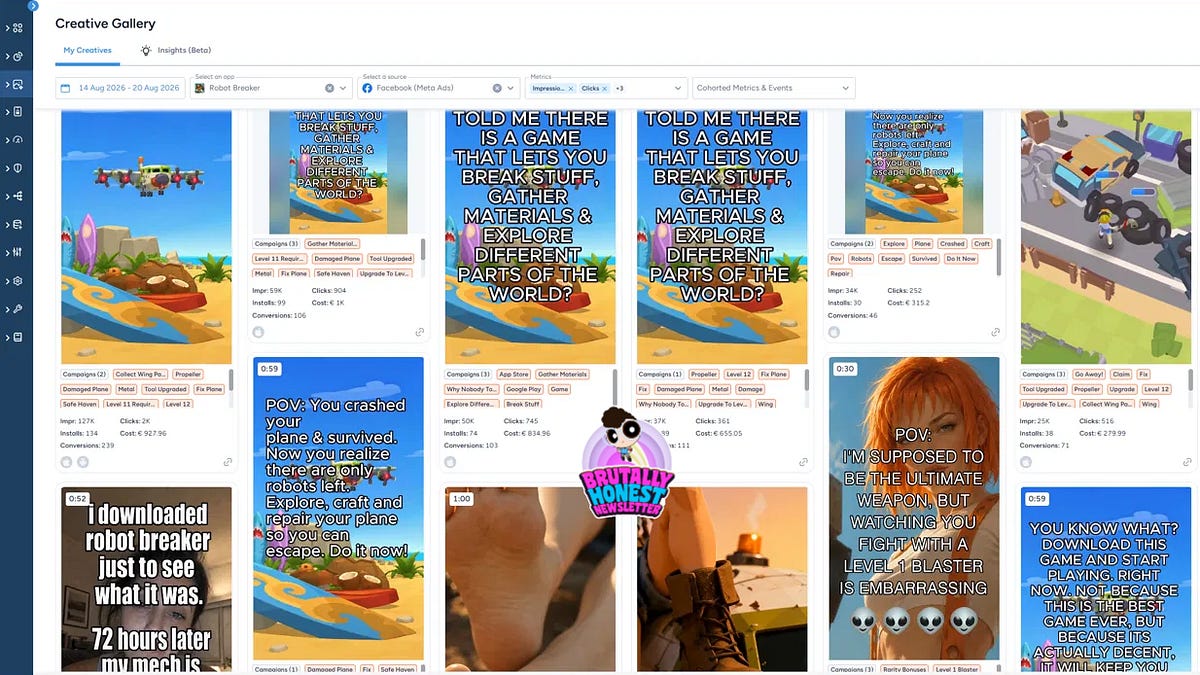
Key findings highlight a shift toward diverse creative strategies, including the use of AI-generated static images, User-Generated Content (UGC), and weekly creative refreshes to maintain performance. Specific case studies demonstrate varied approaches: one successful campaign utilized worldwide targeting with App Event Optimization (AEO) and cost caps on Facebook, while another focused on Tier 1 iOS markets using Value Optimization (VO) and autobidding on TikTok. The data suggests that while Android remains viable for worldwide reach, iOS campaigns often require more granular targeting and specific bidding models like minimum Return on Ad Spend (minROAS).
The scope of the analysis covers the global mobile gaming market in 2024, with specific mentions of the PC gaming sector via Valve. Internal data from Valve reveals a lean operational structure, noting that in 2021, the company employed only 336 people, with fewer than 80 dedicated to the Steam platform. Additionally, the review of Supercell’s Project Rise pre-alpha indicates a trend toward cooperative rogue-lite mechanics in mobile development. The methodology relies on direct practitioner experience, real-time campaign data, and leaked court documents to provide a transparent view of current industry benchmarks and operational realities.