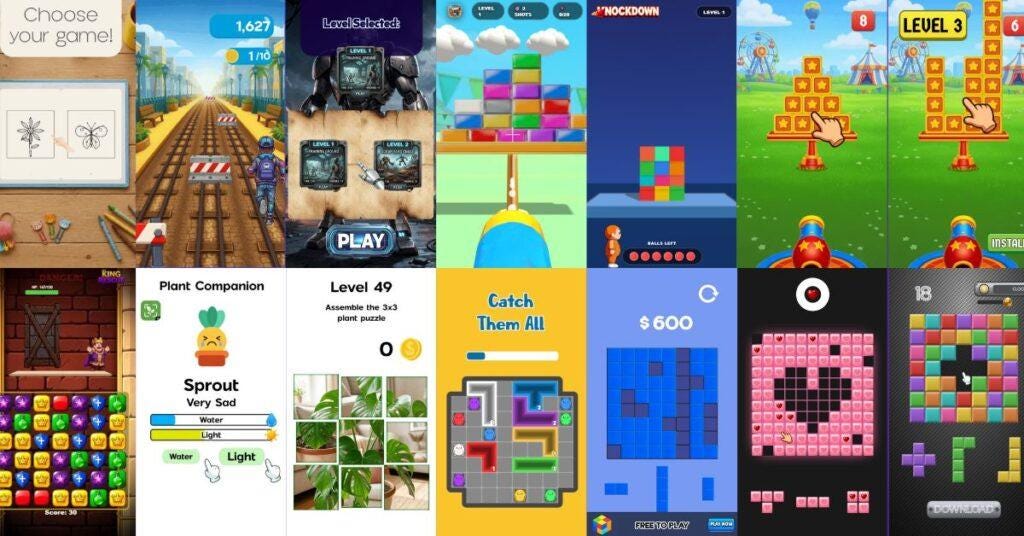
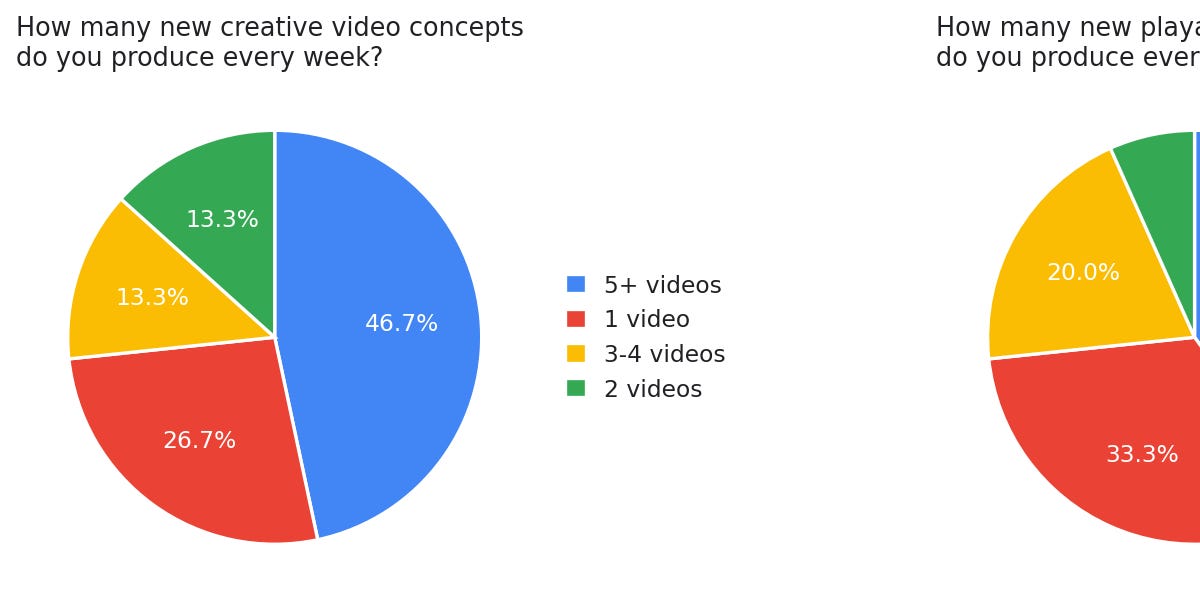
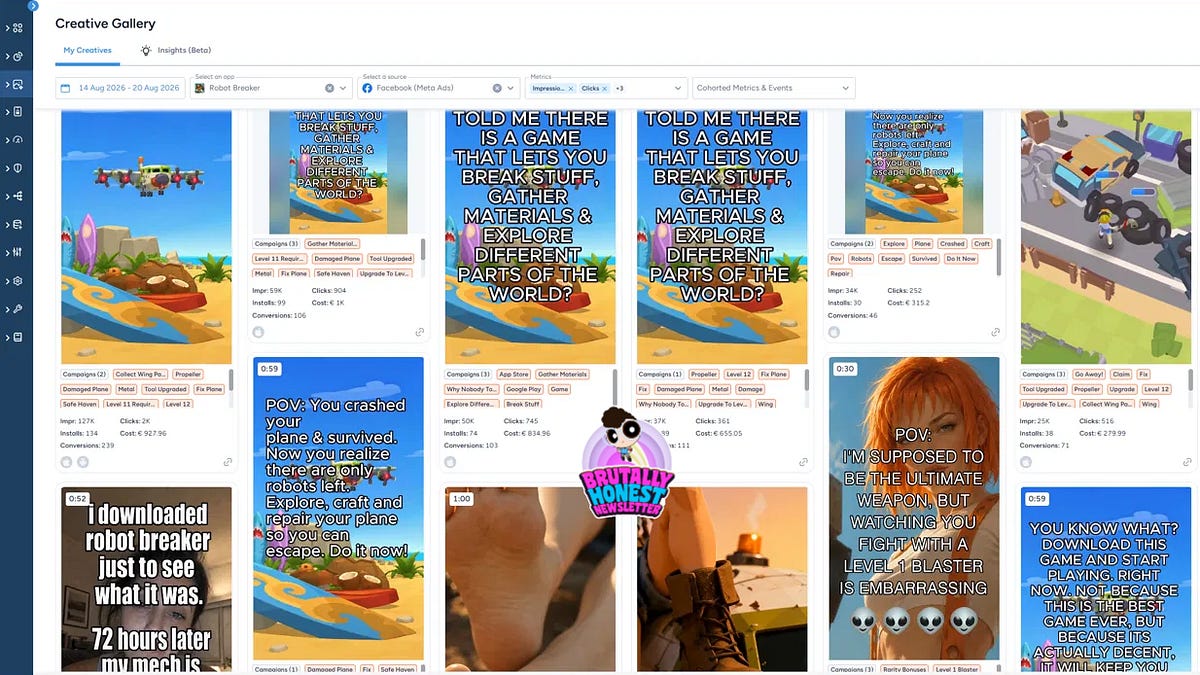
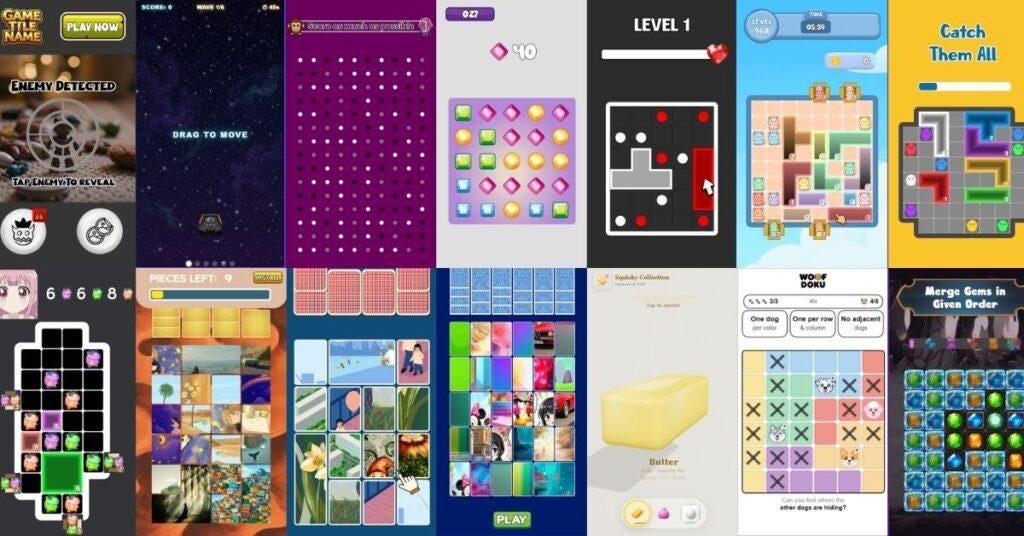
This industry analysis provides a strategic overview of mobile user acquisition (UA) and creative frameworks for 2024, specifically addressing the challenges of the post-IDFA landscape. The primary thesis emphasizes the necessity of diversifying UA channels and adopting a rigorous, data-driven approach to creative testing. By moving beyond traditional platforms like Facebook and Google, developers can find incremental growth through non-traditional engagement networks and hybrid monetization models.
Key findings highlight the rising importance of Cost per Engagement (CPE) and offerwall networks. While these channels typically scale to only 20-30% of the budget of major platforms, a synergistic approach using multiple networks—such as Mistplay, Tapjoy, and Adjoe—can provide significant reach. The analysis also details the evolution of the "hybrid-casual" segment, citing Voodoo’s success in achieving a 50/50 split between ad revenue and in-app purchases. This shift requires a transition in UA strategy and a specialized skill set for managing IAP-based economies within traditionally ad-supported genres.
The methodology relies on professional consultancy experience and qualitative industry insights, including performance data from specific gaming studios and UA campaigns. The scope is global, focusing on mobile gaming trends and creative processes as of early 2024. Conclusions suggest that winning in the current market requires a "static-to-video" testing pipeline—often enhanced by AI—where multiple static concepts are validated before investing in high-production video assets. Ultimately, the findings advocate for a focus on profit margins and channel synergy to maintain competitiveness in a fragmented mobile ecosystem.