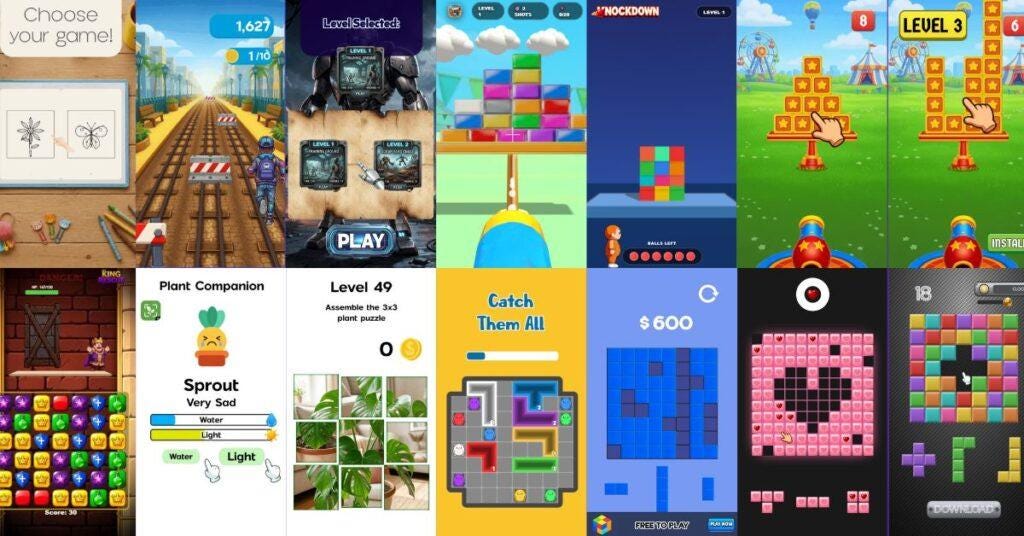
The mobile gaming industry in 2025 is defined by rapid iteration, hybrid monetization, and the integration of artificial intelligence in creative production. Success in the current market requires a shift from hit-driven development to a templatized model where studios quickly swap core gameplay mechanics while maintaining perfected metagame structures. This approach, combined with the rise of webshops that bypass traditional app store fees, suggests the industry is maintaining double-digit growth despite perceived slowdowns in traditional storefront charts.
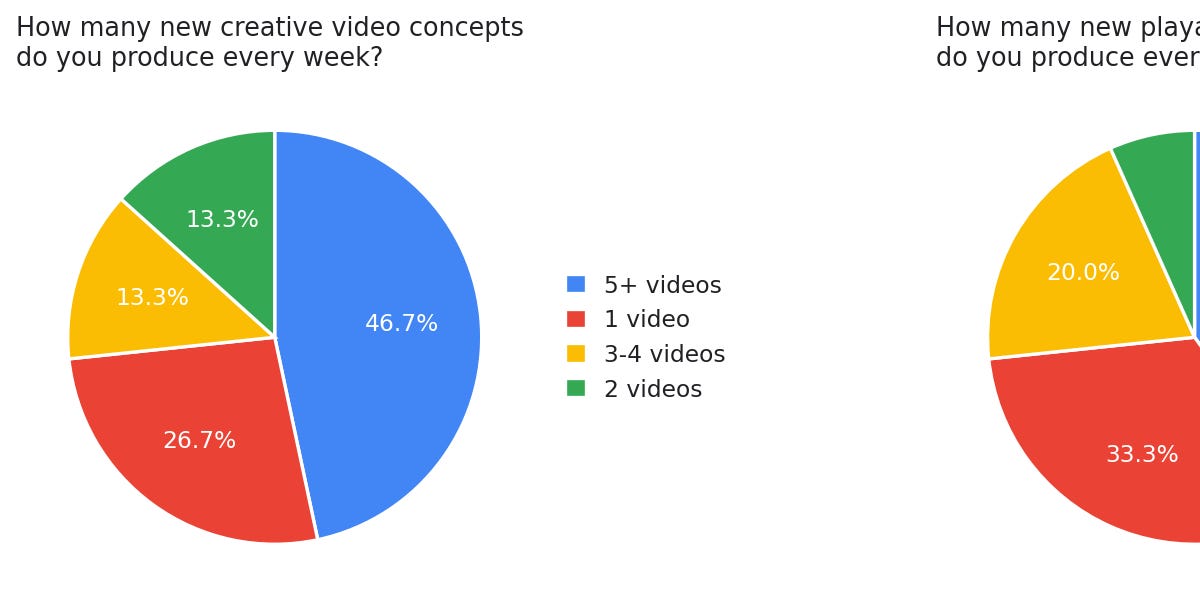
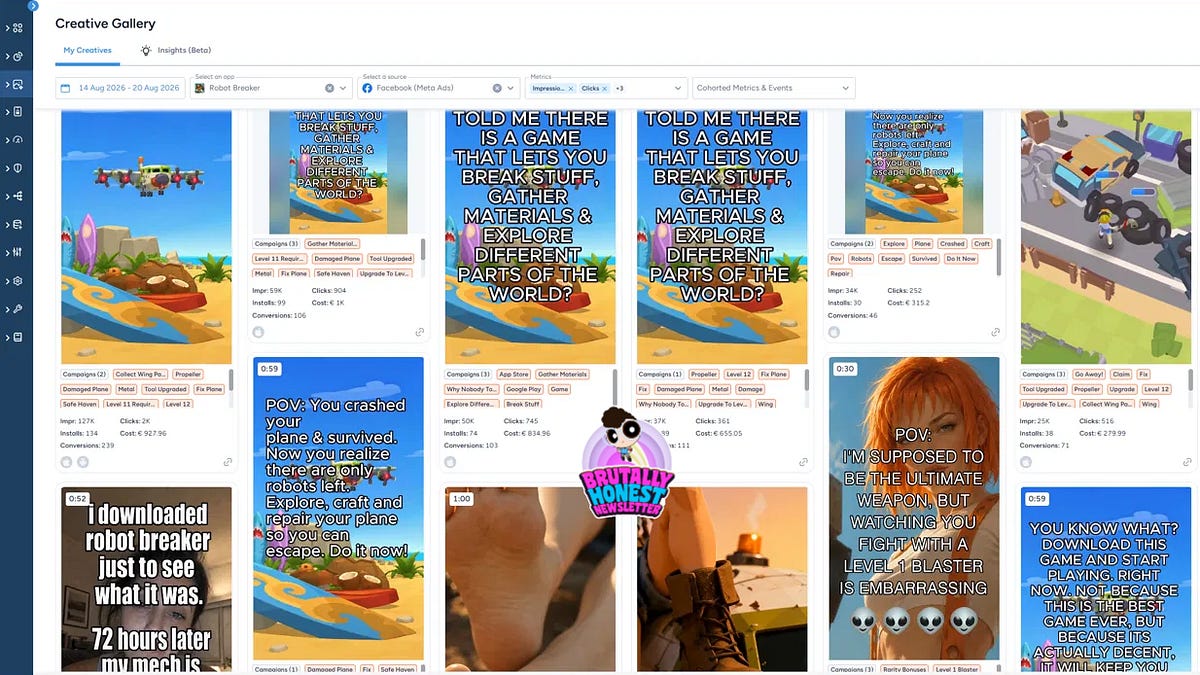
User acquisition strategies have evolved toward extreme diversification, with successful developers typically managing eight to twelve different channels simultaneously. The role of the UA manager has expanded into a multidisciplinary position involving marketability testing, product onboarding analysis, and creative direction. To manage the high volume of content required—specifically for platforms like TikTok and Facebook where creatives must be refreshed every few days—the use of AI tools for video production and playable ad generation has become a competitive necessity rather than an elective choice.
Monetization has stabilized around a hybrid model, ideally split 40-60% between advertising and in-app purchases. This requires sophisticated player segmentation to ensure that high-value spenders are not repelled by excessive ads while ad-responsive users are monetized early. Furthermore, the global nature of the industry demands localized strategies, such as streamlining complex Asian game features for Western audiences. Data-driven decision-making is supported by predictive lifetime value models, which must be recalibrated at least every three months to remain accurate in a fast-paced market. These findings are based on industry insights from the Two and a Half Gamers podcast and analysis of current market trends in the hyper-casual and hybrid-casual segments.