Square Enix achieved a significant financial recovery during the fiscal year ended March 31, 2014, returning to profitability with a net income of ¥6.5 billion following substantial losses the previous year. Net sales rose to ¥155 billion, driven primarily by the Digital Entertainment segment, which generated over ¥94 billion in revenue. This turnaround was fueled by the successful relaunch of Final Fantasy XIV: A Realm Reborn, strong performance from high-definition remasters, and the rapid growth of mobile titles such as Dragon Quest Monsters Super Light. While the Amusement and Merchandising segments also saw improved profitability, the Publication segment experienced a decline due to a reduction in new comic releases.
The strategic focus shifted toward a digital-first business model, emphasizing variable pricing, cloud gaming, and shorter development cycles to mitigate the risks associated with traditional console disc distribution. Management prioritized regional specialization, particularly in the JRPG genre, while aggressively expanding into high-growth mobile markets in China, India, and South America. Despite a ¥1.7 billion extraordinary loss from a review of work-in-progress content and significant inventory write-downs, the company maintained a strong liquidity position with cash and deposits totaling ¥115.4 billion. This financial stability supported a consolidated dividend payout ratio target of approximately 30%.
Corporate governance remained a central priority, characterized by a board structure featuring external oversight and a robust audit system. The company also navigated various financial adjustments, including the adoption of new accounting standards for retirement benefits and the management of ¥35 billion in convertible bonds. With Japan accounting for over 71% of total revenue, the company continues to leverage its domestic strength while utilizing its global subsidiary network, including Taito and Eidos, to pursue international growth and high-quality production without incurring disproportionate expenses.

Square Enix · 2026
Square Enix · 2026
Square Enix · 2026

Square Enix · 2026
Square Enix · 2025

Square Enix · 2025
Square Enix · 2025
Square Enix · 2025
Square Enix · 2024
Square Enix · 2023
Square Enix · 2013
Square Enix · 2012

Capcom Co. · 2026
Bushiroad · 2026
Nippon Ichi Software · 2025

GREE · 2025
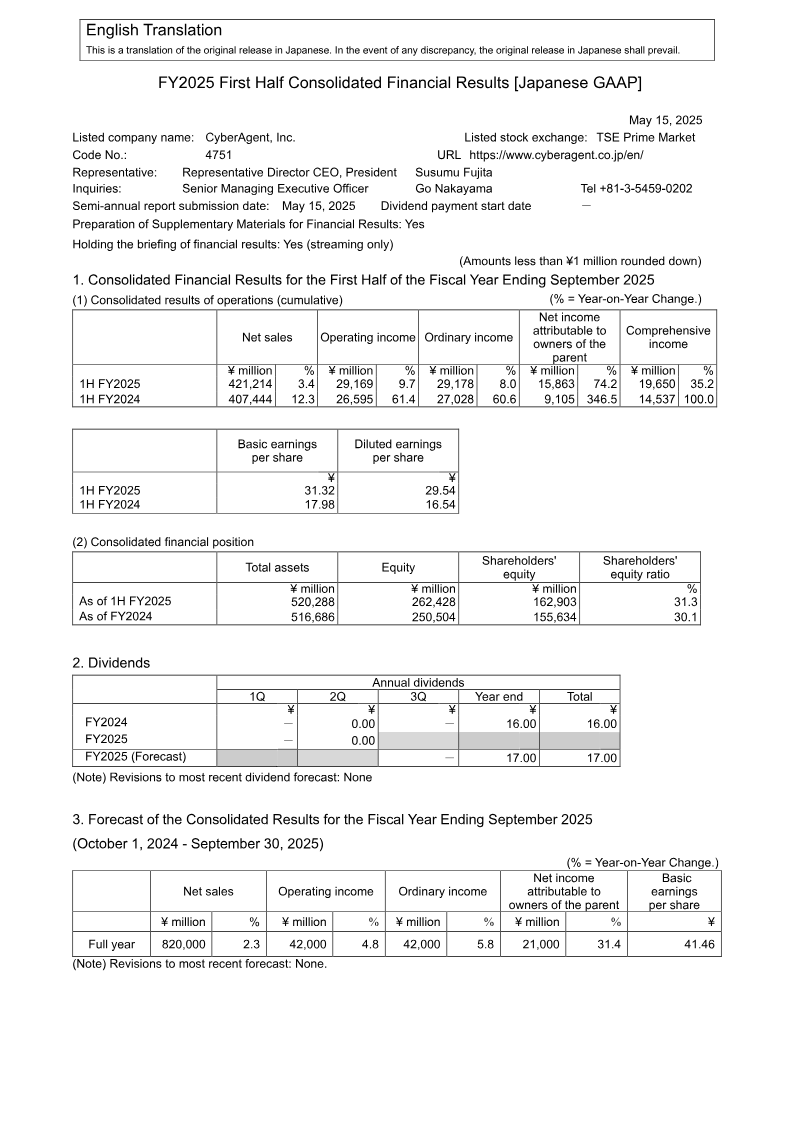
CyberAgent · 2025
Nintendo · 2025
Bandai Namco · 2024

Koei Tecmo · 2024
Capcom · 2023
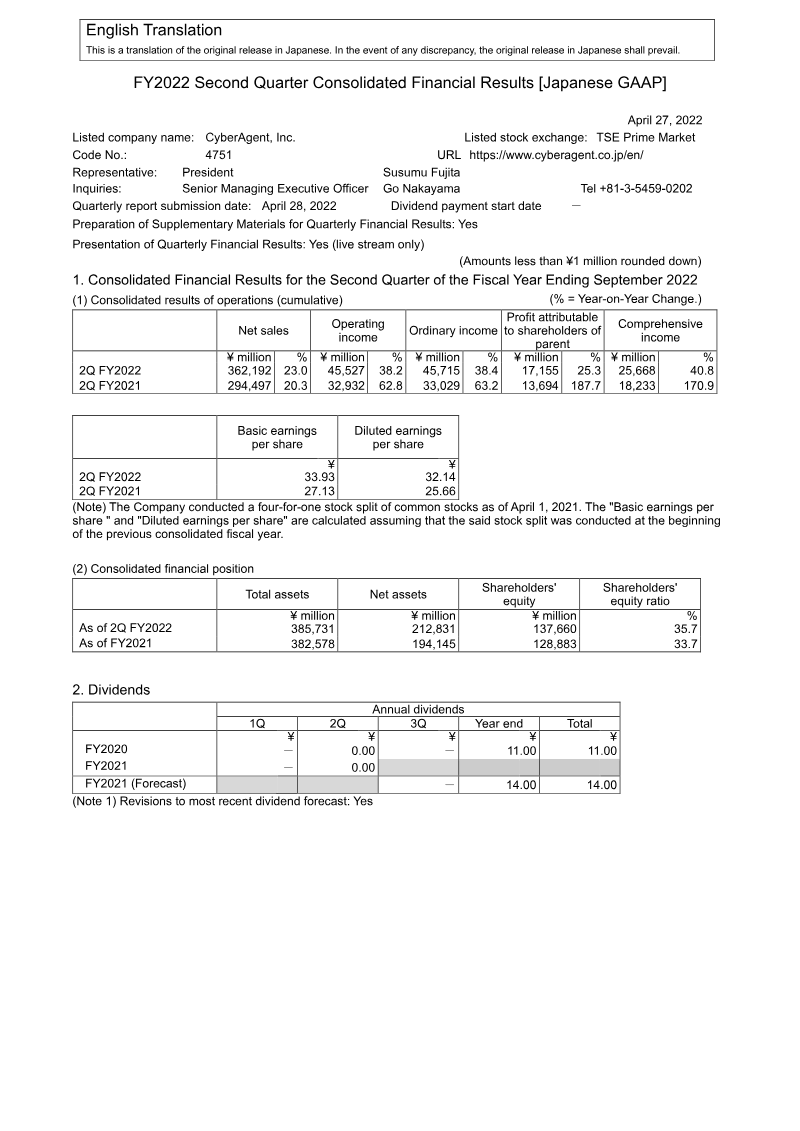
CyberAgent · 2022

Bandai Namco · 2021

Koei Tecmo · 2020