FinancialToho Holdings
Financial Results for the First Half of Fiscal Year Ending March 2017: Toho Holdings
15 pages~24 min full read
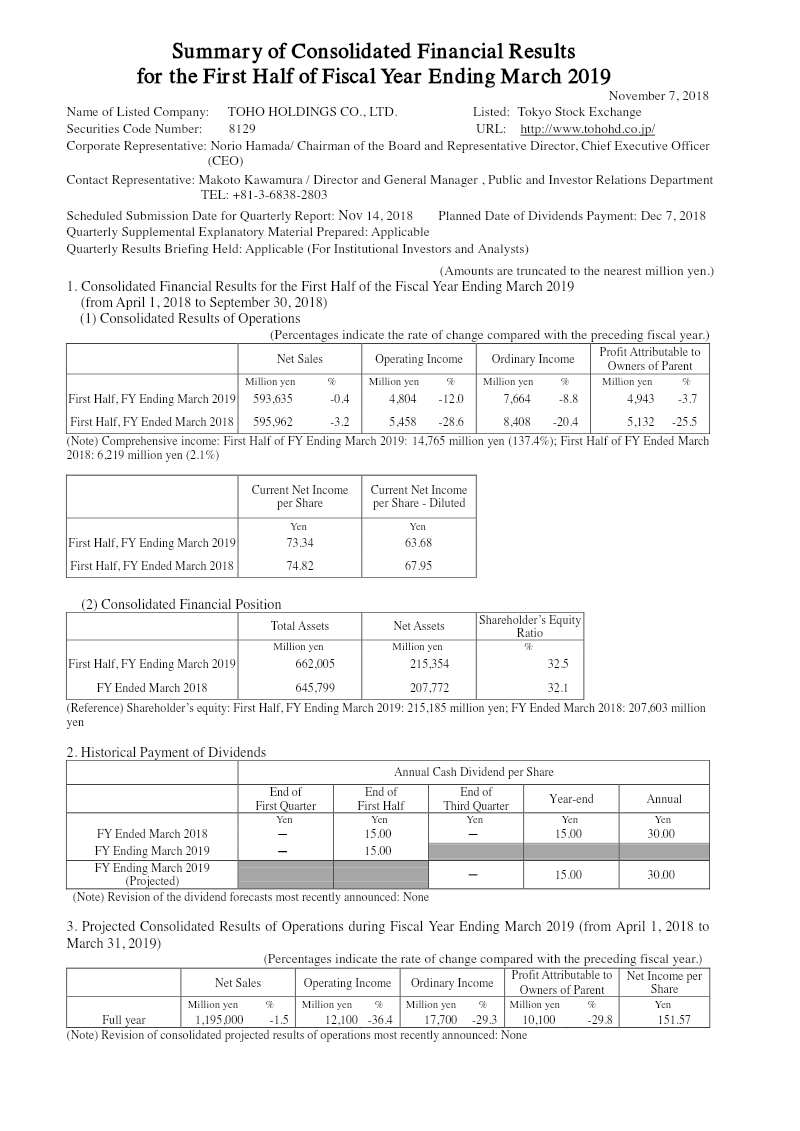
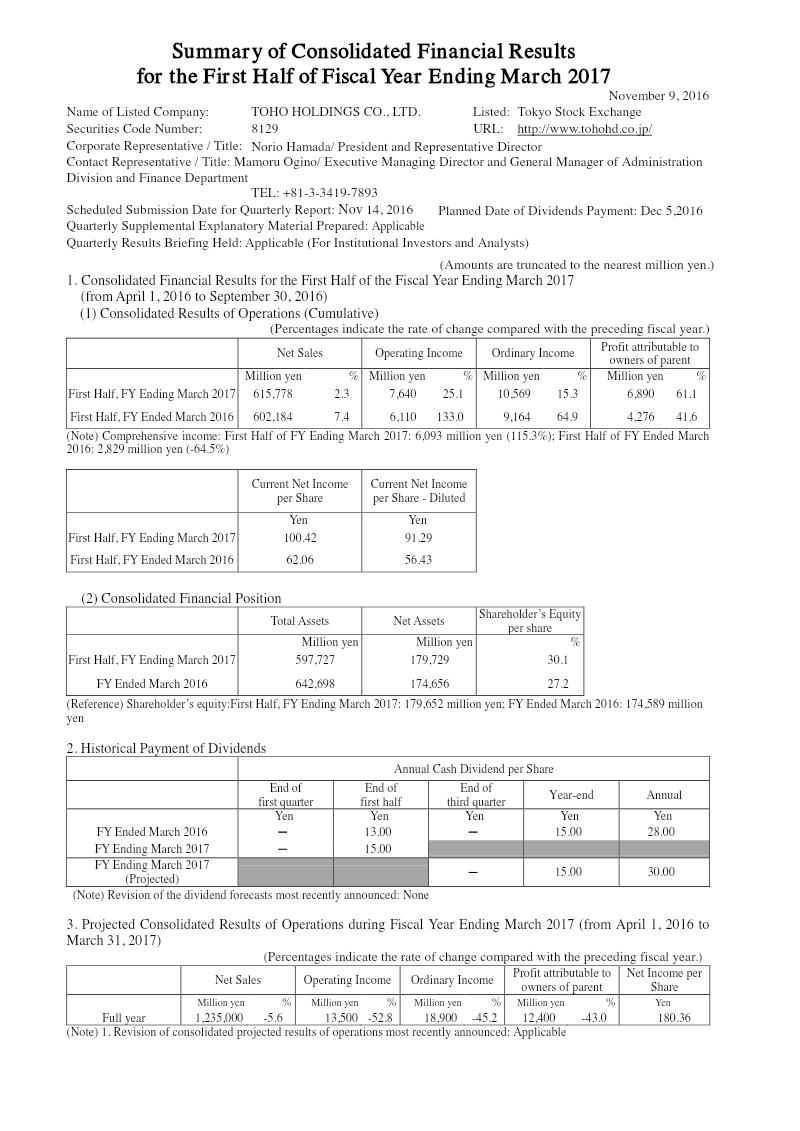
Toho Holdings reported its consolidated financial results for the first half of the fiscal year ending March 2017, covering the period from April 1, 2016, to September 30, 2016. The primary objective of the report is to detail the company’s operational performance and financial position amidst a challenging regulatory environment characterized by national health insurance drug price reductions and revisions to medical service fee systems.
The company achieved net sales of 615,778 million yen, representing a 2.3% increase compared to the same period in the previous year. Operating income rose significantly by 25.1% to 7,640 million yen, while profit attributable to owners of the parent surged by 61.1% to 6,890 million yen. The pharmaceutical wholesaling segment served as the primary driver of growth, posting 591,687 million yen in sales and a 49.0% increase in segment income, bolstered by strong demand for hepatitis C and cancer treatments, alongside the expansion of customer support systems. Conversely, the dispensing pharmacy business faced headwinds, with segment income declining by 79.7% due to the impact of price revisions and difficulties in improving productivity.
The financial position remains stable, with total assets of 597,727 million yen and a shareholder equity ratio of 30.1%. Cash flow from operating activities improved to an inflow of 17,233 million yen, a marked recovery from the previous year. The company also noted a change in accounting policy regarding the depreciation of structures and facilities attached to buildings, shifting from the declining-balance method to the straight-line method in accordance with 2016 tax reforms. Moving forward, the company has revised its full-year earnings forecasts to reflect the performance trends observed during the first half of the fiscal year.
Capcom · 2026
Capcom Co. · 2026
Capcom · 2026
Sony Group Corporation · 2026

Square Enix · 2026
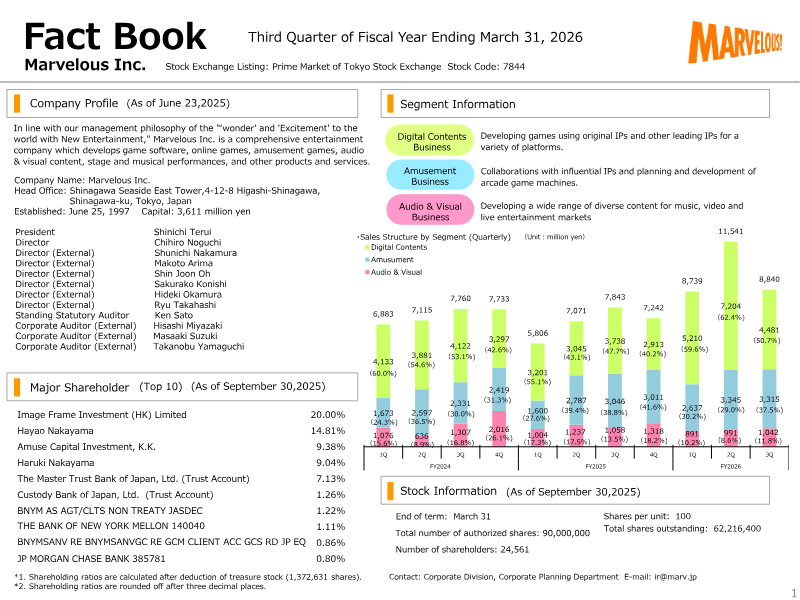
Marvelous · 2026
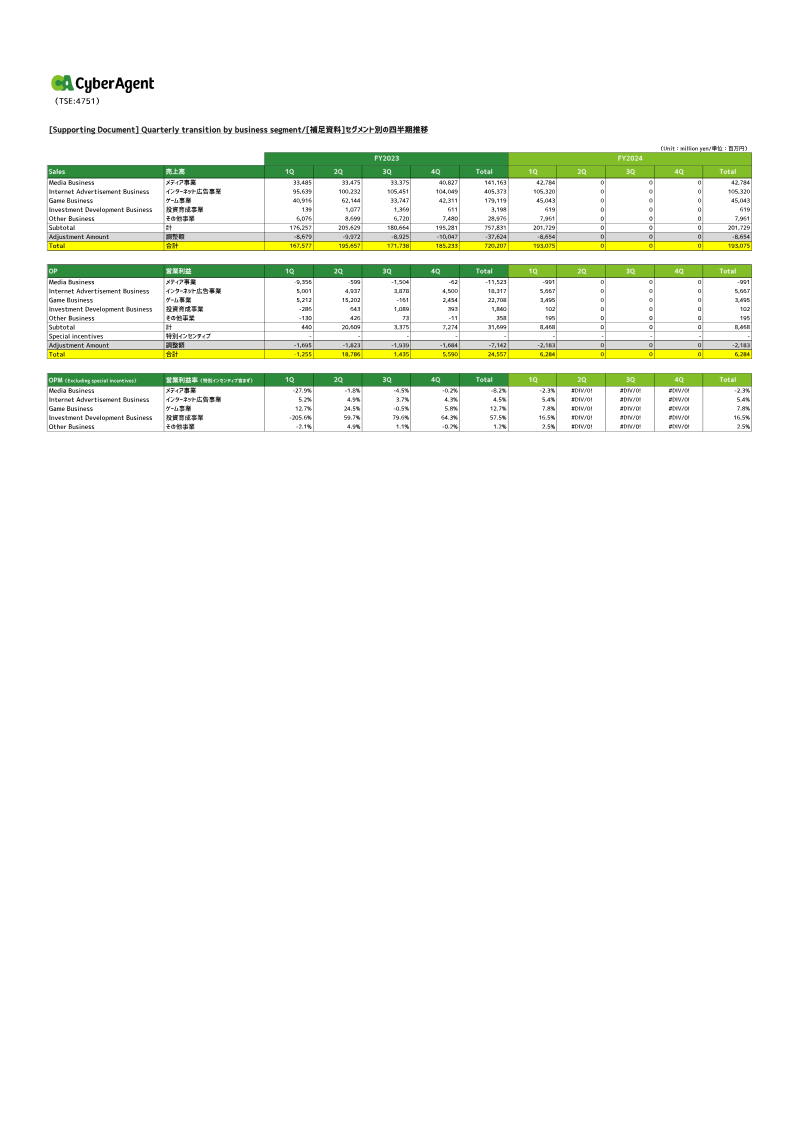
CyberAgent · 2026
Square Enix · 2026
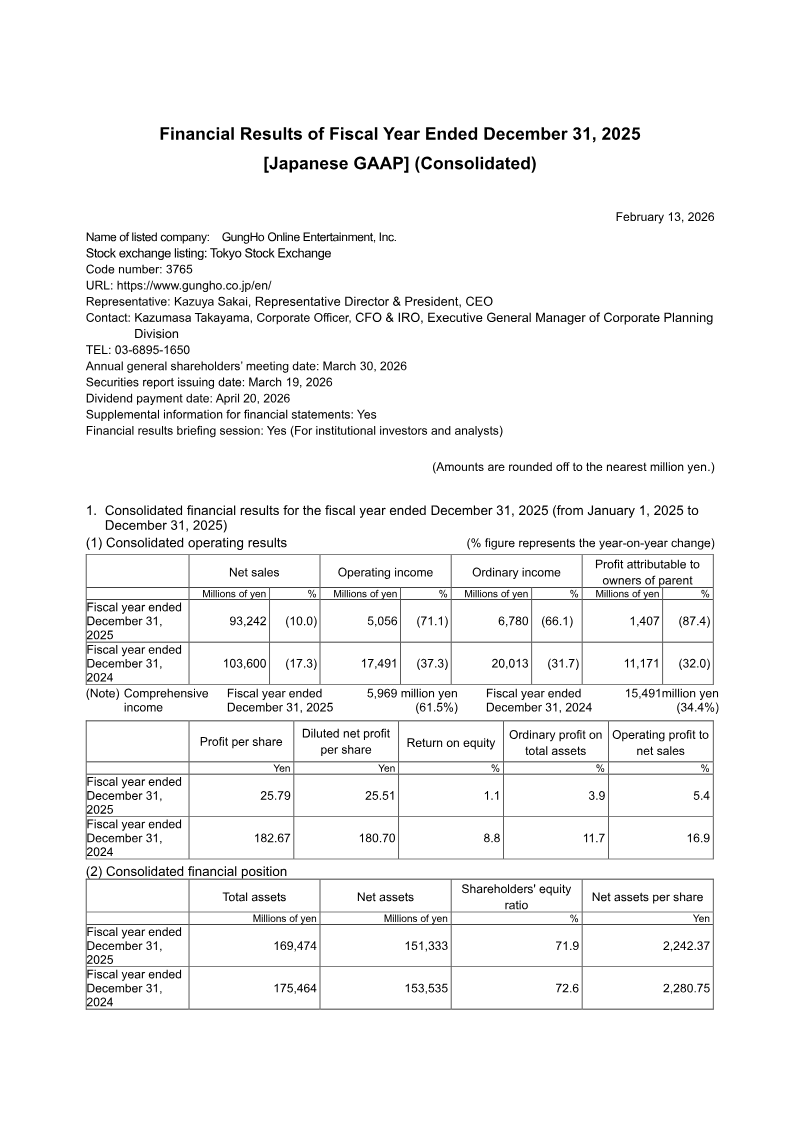
GungHo Online Entertainment · 2026
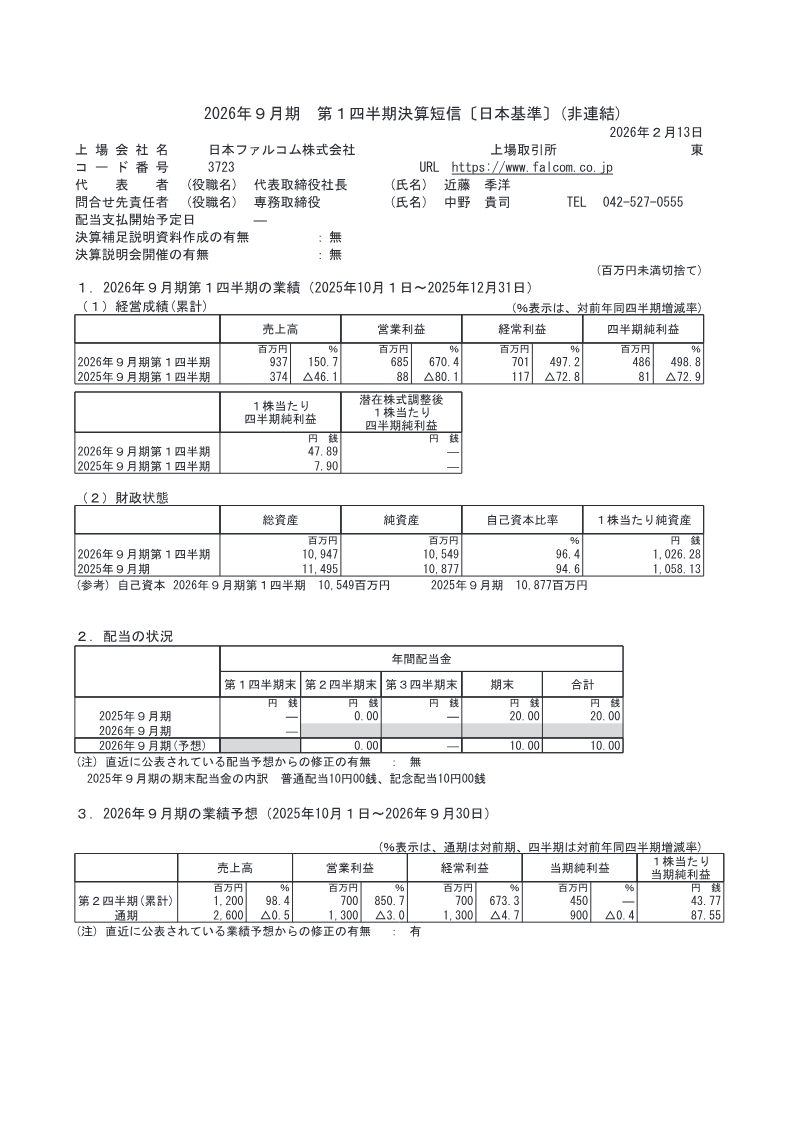
Nihon Falcom Corporation · 2026
Sega Sammy Holdings · 2026
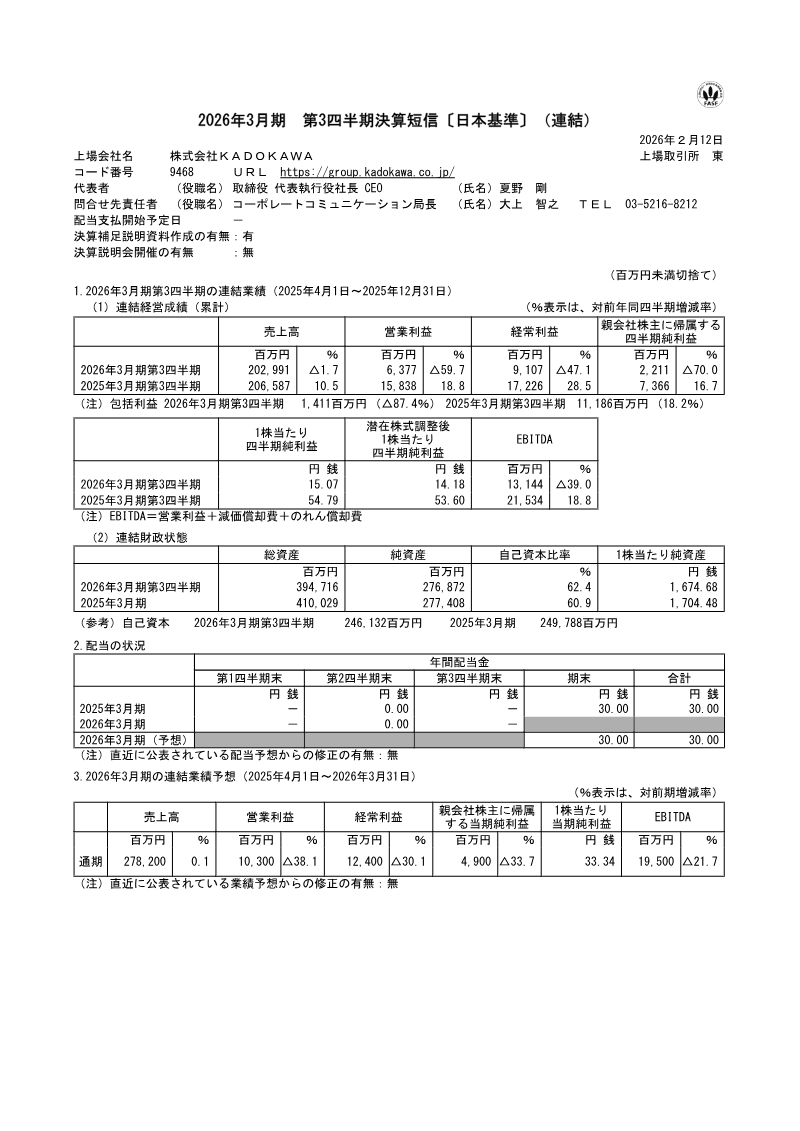
Kadokawa Corporation · 2026