
University of Huddersfield
Organization3 reports
The University of Huddersfield is a UK public university. It publishes research and reports on game design, development, interactive media, and their applications.
Documents
Whitepaper13 pages
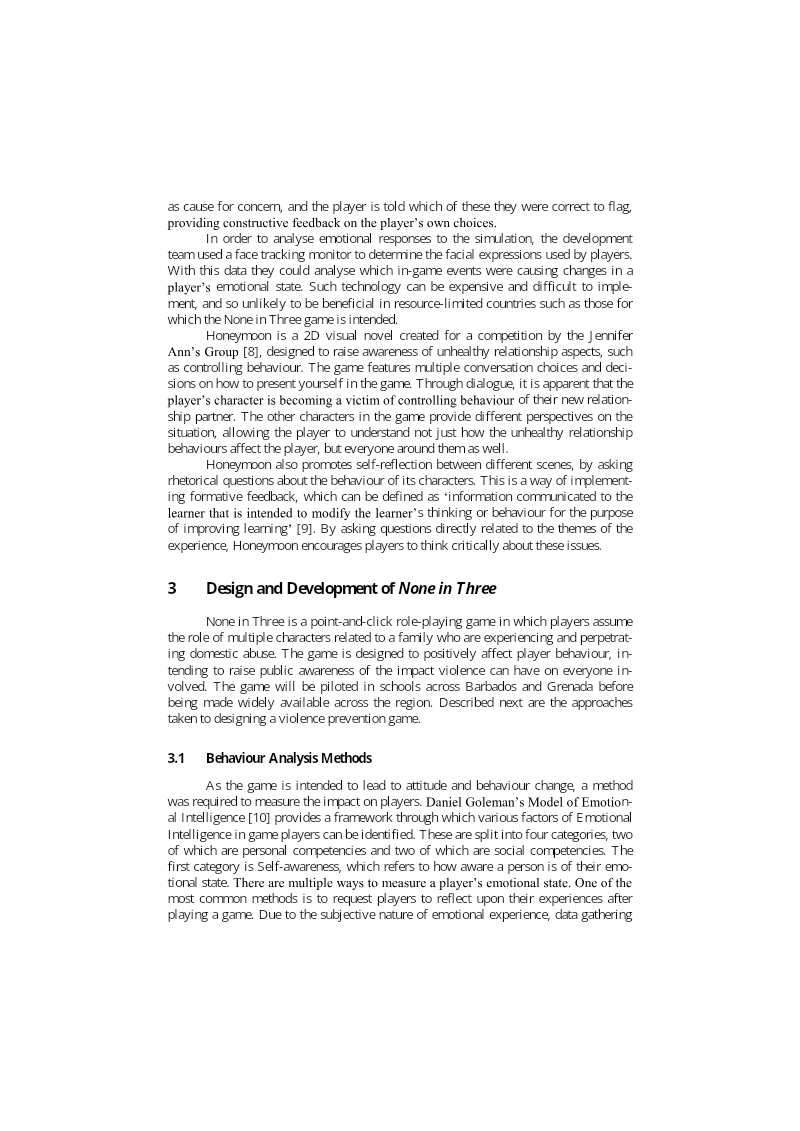
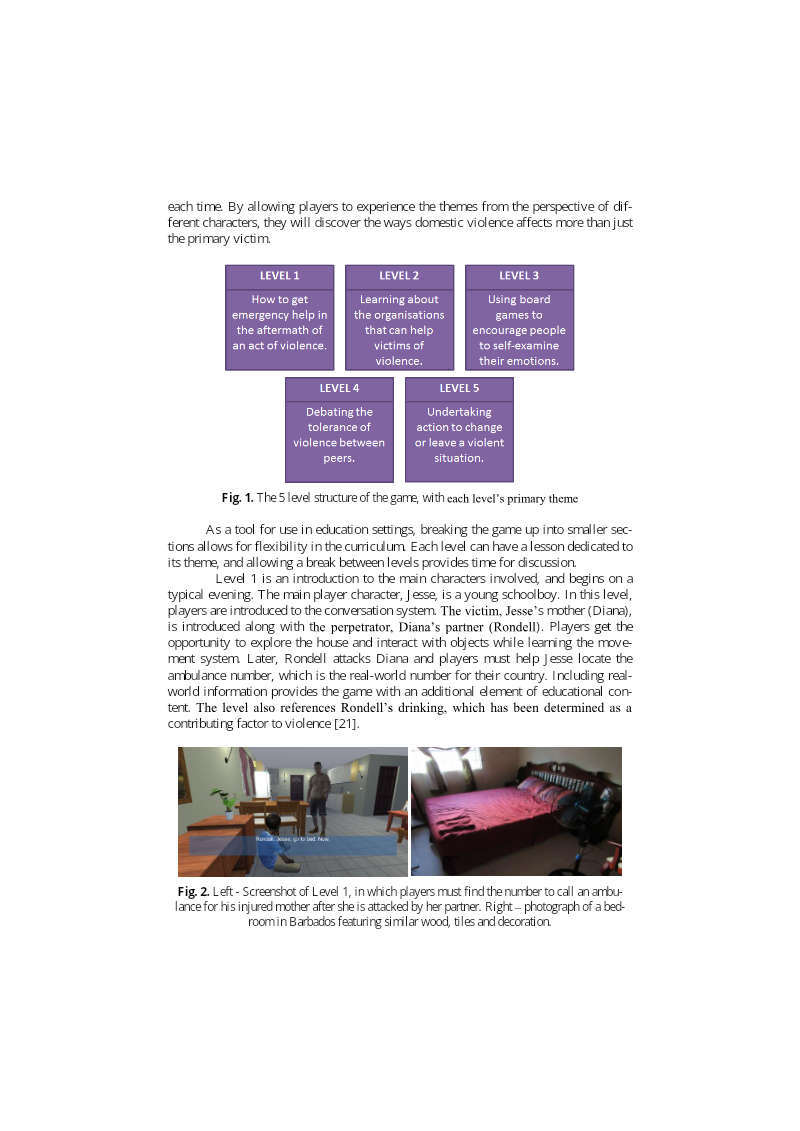
None in Three: The Design and Development of a Low-cost Violence Prevention Game for the Caribbean
The None in Three project functions as a strategic intervention designed to mitigate domestic and sexual violence among Caribbean youth through the medium of serious gaming.
- The 'None in Three' project utilizes point-and-click narrative gameplay to teach conflict management and empathy as a scalable intervention for domestic and sexual violence prevention among Caribbean youth.
- Development costs were minimized by using the Unity engine combined with custom tools like the Actus event editor and automated character generation systems.
- The game features a five-level structure that incorporates localized voice acting and culturally specific storytelling to ensure regional resonance.
University of HuddersfieldJan 2017
Whitepaper12 pages
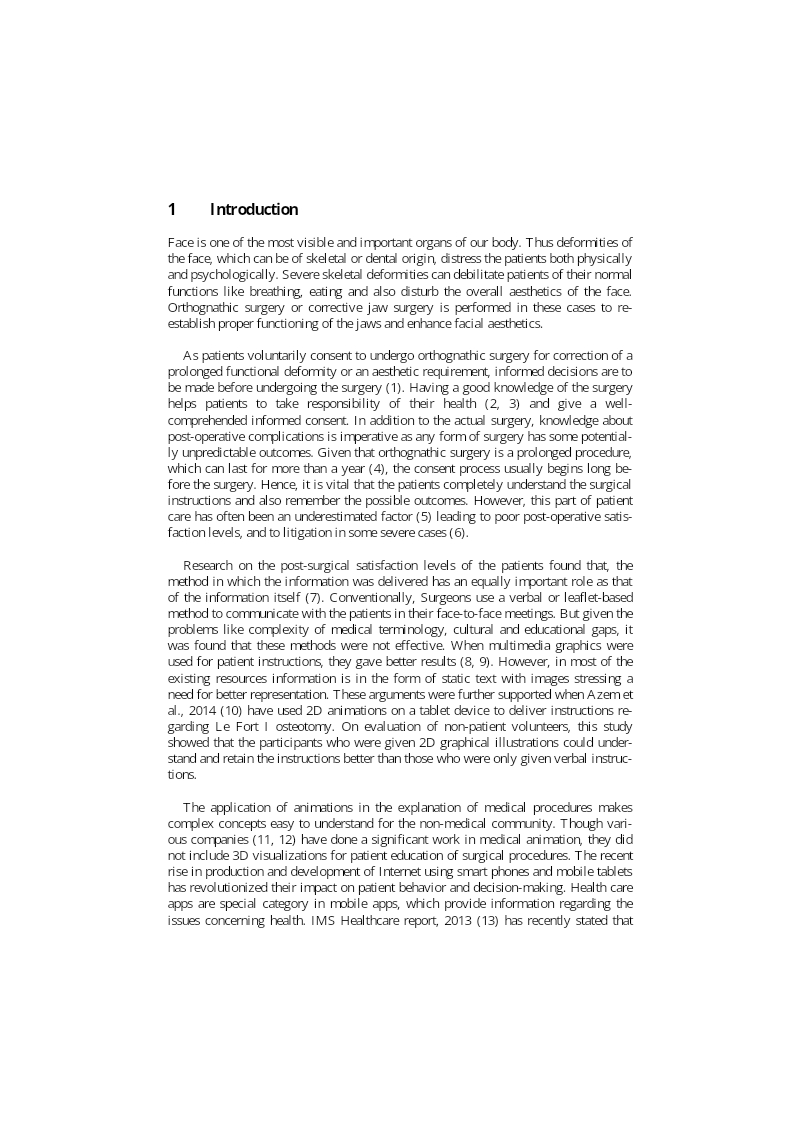
Design and Development of Sur-Face: An Interactive Mobile App for Educating Patients Regarding Corrective Surgery of Facial Deformities
The development of Sur-Face, an interactive mobile application, addresses the limitations of traditional, leaflet-based patient education for orthognathic surgery.
- The Sur-Face mobile application significantly improves patient comprehension of complex orthognathic surgery compared to traditional verbal instructions, evidenced by a statistically significant p-value of 0.0034 in a 50-person study.
- Interactive 3D visualizations and serious gaming elements are effective tools for managing patient expectations and facilitating informed consent in medical procedures.
- The application was built using Autodesk Maya for 3D modeling and the Unity 3D game engine to ensure cross-platform compatibility on Android and iOS.
SpringerJan 2015
Whitepaper12 pages
A Hypothesis of Brain-to-Brain Coupling in Interactive New Media Art and Games Using Brain-Computer Interfaces
This analysis explores the hypothesis of brain-to-brain coupling within the domains of interactive new media art and computer games.
- Brain-to-brain coupling uses EEG-based brain-computer interfaces (BCIs) to synchronize neural activity between multiple participants, moving beyond traditional single-user human-computer interaction.
- The research shifts the BCI paradigm from active, goal-oriented control to passive, observational coupling, where real-time EEG signals are mapped directly to audio-visual outputs.
- Multi-user applications like BrainArena and the performance piece Enheduanna - A Manifesto of Falling demonstrate that collaborative BCI environments can enhance user engagement and creative performance.
SpringerJan 2015
Do you work at University of Huddersfield? Get a free report of how these documents are read and cited here.