GamesIndustry.biz
Media21 documents
Documents

Article
Video Game Sales in Europe: July 2024 Monthly Charts
European video game sales demonstrated resilience in July 2024, recording 2.4 million units sold—a 3.4% increase compared to the same period in 2023. This growth occurred despite a notable absence of major new releases, as the market relied heavily on back-catalog titles and promotional activity. EA Sports FC 24 secured the top position, bolstered by the European Championships, with sales volume 69% higher than those of FIFA 23 during the equivalent month the previous year.
While software performance remained positive, the hardware sector experienced a significant downturn. Across selected European markets, console sales plummeted by 46% year-on-year, totaling 263,000 units. The PlayStation 5 remained the market leader despite a 56% decline, followed by the Nintendo Switch and the Xbox Series family, which saw year-on-year drops of 29% and 42%, respectively. The lack of major console game launches contributed to this cooling of hardware demand. Accessory sales followed a similar downward trend, falling nearly 20% compared to the prior year, with the PS5 DualSense controller emerging as the top-selling product in the category.
The analysis utilizes GSD data, which aggregates digital sales from major publishers across 30 European countries and physical sales from 15 markets. The findings highlight a market currently driven by established franchises and legacy titles rather than new software launches, as evidenced by the fact that only one game in the top ten, Luigi's Mansion 2 HD, was released in 2024. Promotional events, such as free game offerings, also played a measurable role in influencing consumer behavior and chart rankings throughout the month.
- European console hardware sales dropped 46% year-on-year in July 2024, totaling 263,000 units sold across major markets.
- Video game software sales reached 2.4 million units, marking a 3.4% increase over July 2023 despite a lack of major new releases.
- EA Sports FC 24 led the software charts with sales 69% higher than FIFA 23 during the same period last year, driven by the European Championships.
- Hardware market leaders saw significant declines: PlayStation 5 sales fell 56%, Xbox Series consoles dropped 42%, and Nintendo Switch sales decreased by 29%.
- Accessory sales fell nearly 20% year-on-year, with the PS5 DualSense controller remaining the category's top-selling product.
GamesIndustry.bizAug 2024

Article
EA Sports College Football 25 Impresses in the UK: UK Monthly Charts
The UK video game market experienced a quiet period in July 2024, characterized by a lack of major new releases and a general contraction in both software and hardware sales. Total sales of PC and console games reached 2.35 million units, representing a 2.9% decline compared to the same month in the previous year. The top six best-selling titles were all released prior to 2024, underscoring the limited impact of new software on the market during this timeframe.
Despite the broader market slowdown, EA Sports College Football 25 emerged as a notable performer, entering the charts at number seven. This result is particularly significant given the niche status of American football in the UK, with sales figures more than doubling those of the previous year’s Madden NFL 24 release. EA Sports FC 24 maintained its position as the top-selling game of the month, bolstered by the European Football championships, and recorded a 46% increase in sales volume compared to the performance of FIFA 23 during the same period in 2023.
Hardware performance faced a more pronounced downturn, with console sales dropping 22% month-on-month to approximately 77,000 units, a 30% decrease year-on-year. PlayStation 5 remained the market leader despite a 31% decline in monthly sales, followed by the Nintendo Switch and Xbox Series consoles. In the accessories segment, the PlayStation Portal continued to perform strongly, consistently ranking as the top-selling gaming accessory by revenue since its launch in November 2023. Data for these insights were provided by GfK, covering the UK market through July 2024.
- UK video game software sales reached 2.35 million units in July 2024, a 2.9% decline year-on-year, while hardware sales dropped 30% year-on-year to approximately 77,000 units.
- EA Sports College Football 25 debuted at number seven in the UK charts, achieving sales more than double those of Madden NFL 24 during its comparable release period.
- EA Sports FC 24 remained the top-selling game of July 2024, experiencing a 46% increase in sales volume compared to FIFA 23's performance during the same period in 2023.
- Console hardware sales fell 22% month-on-month, with the PlayStation 5 remaining the market leader despite a 31% decline in its own monthly sales.
- The top six best-selling titles in the UK for July 2024 were all released prior to 2024, highlighting a lack of major new software impact on the market.
+1
GamesIndustry.bizAug 2024

Article
PS5 Hits 4m UK Sales, 31 Weeks Slower Than PS4
The PlayStation 5 has reached the four-million-unit sales milestone in the United Kingdom, becoming the ninth console to achieve this feat. According to GfK data, the console reached this target in 192 weeks, which is 31 weeks slower than its predecessor, the PlayStation 4. Despite this slower adoption rate, the PlayStation 5 ranks as the fifth-fastest-selling console in the region, trailing behind the Nintendo Wii, PlayStation 2, PlayStation 4, and PlayStation 1.
A primary factor influencing these sales figures is the console's price point. The PlayStation 5 has the highest average selling price of the top nine consoles to reach the four-million-unit mark, at £460. This contrasts sharply with historical trends where consoles reached similar milestones through lower launch prices or significant, rapid price reductions. Consequently, while the unit sales velocity is lower than previous generations, the PlayStation 5 has generated higher total revenue at this milestone than any other console, totaling approximately £1.85 billion.
Industry analysis suggests that the era of consoles serving as low-cost, impulse-purchase items has largely concluded. While earlier platforms like the Wii and PlayStation 2 relied on aggressive pricing to drive volume, modern hardware strategy reflects a shift toward higher price points. This transition highlights a change in market dynamics where revenue generation per unit has become a more significant metric than the speed of reaching mass-market penetration.
- The PlayStation 5 reached the 4-million-unit sales milestone in the UK in 192 weeks, making it 31 weeks slower to reach this target than the PlayStation 4.
- Despite slower unit velocity, the PlayStation 5 has generated approximately £1.85 billion in total revenue at this milestone, the highest of any console to reach the 4-million mark.
- The PlayStation 5 holds the highest average selling price of the top nine consoles to reach 4 million units in the UK, at £460 per unit.
- The PlayStation 5 currently ranks as the fifth-fastest-selling console in the UK, trailing the Nintendo Wii, PlayStation 2, PlayStation 4, and PlayStation 1.
- The gaming industry has shifted away from low-cost, impulse-purchase hardware strategies toward higher price points that prioritize revenue per unit over mass-market penetration speed.
GamesIndustry.bizAug 2024
Article
European Game Sales: First Half 2024
The European video game market demonstrated resilience during the first half of 2024, with total unit sales for PC and console games reaching nearly 80 million. This figure represents a modest decline of 1.6% compared to the same period in 2023. This performance is notable given the absence of a high-profile AAA release slate, which contrasted sharply with the first half of 2023, a period bolstered by major titles such as Hogwarts Legacy, The Legend of Zelda: Tears of the Kingdom, and Diablo IV.
Market data, provided by GSD, tracks physical sales across major European markets and digital sales from most leading publishers, though Nintendo remains a significant omission from digital reporting. While unit sales remained relatively stable, revenue experienced a more pronounced downturn, particularly in the UK, where revenue fell by 30%. This discrepancy is attributed to the lower average selling prices of the top-performing games in 2024 compared to the premium AAA releases of the previous year.
The hardware sector faced more significant challenges, with console sales dropping 24% during the first six months of 2024 to 2.2 million units. All major platforms saw declines, with the Xbox Series S and X experiencing the steepest drop at 37%, followed by the Nintendo Switch at 32% and the PlayStation 5 at 16%. Similarly, the accessories market saw an 8.4% decrease in unit sales for the first half of the year. Despite these broader trends, specific titles like Elden Ring saw massive surges in engagement following downloadable content releases, and EA Sports FC 24 maintained strong performance, benefiting from the European football championships.
- European console hardware sales dropped 24% to 2.2 million units in the first half of 2024, with Xbox experiencing the steepest decline at 37%.
- Total unit sales for PC and console games reached nearly 80 million, a modest 1.6% decline compared to the same period in 2023 despite a lack of major AAA releases.
- Revenue experienced a significant downturn, highlighted by a 30% drop in the UK, driven by lower average selling prices compared to the premium titles released in early 2023.
- Nintendo Switch sales fell by 32% and PlayStation 5 sales decreased by 16% during the first six months of 2024.
- The accessories market saw an 8.4% decrease in unit sales during the first half of the year.
GamesIndustry.bizJul 2024
Article
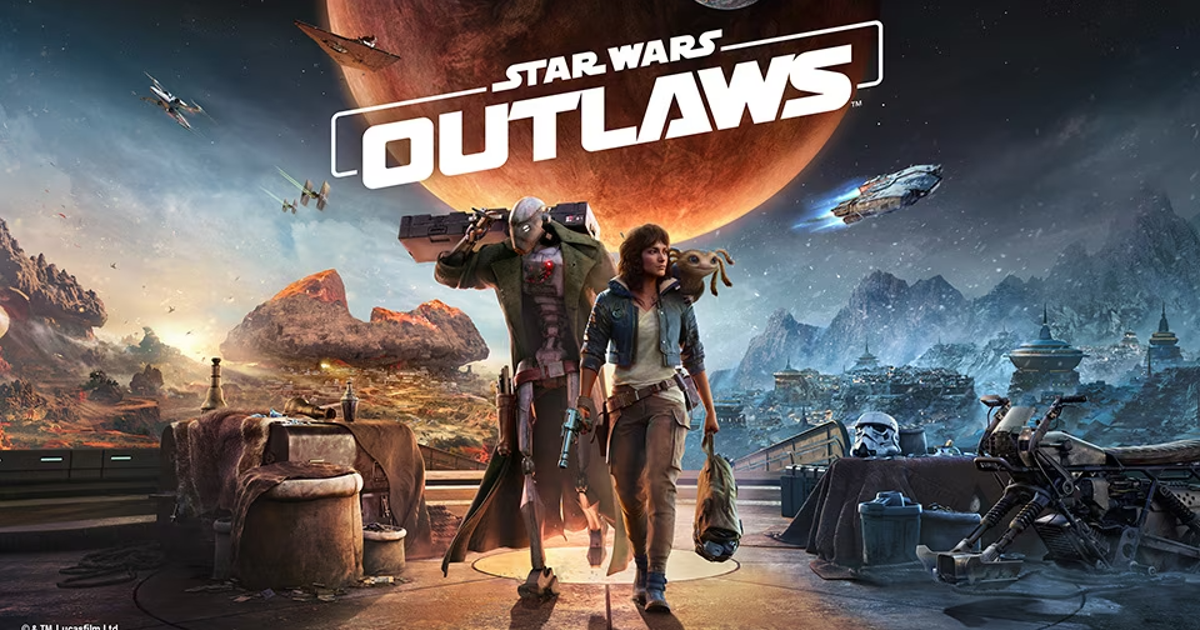
Star Wars Outlaws Remains IGN's Most Wishlisted Game: June Wishlist Chart
Star Wars Outlaws maintains its position as the most wishlisted game of 2024 among IGN users, despite ranking 17th in monthly additions for June. While Grand Theft Auto 6 remains the most wishlisted title overall, Star Wars Outlaws holds the second-highest number of wishlist additions over the past 12 months. These findings are derived from IGN Playlist, a digital platform that tracks user backlog and play activity, providing insights into consumer anticipation and engagement trends.
The June wishlist chart was heavily influenced by a series of high-profile game reveals, which pushed established titles down the monthly rankings. The Legend of Zelda: Echoes of Wisdom emerged as the most wishlisted game for the month, followed by Doom: The Dark Ages, Mario & Luigi: Brothership, Gears of War: E-Day, and Astro Bot. Notably, the new intellectual property Clair Obscur: Expedition 33 also secured a spot in the top ten for June, signaling strong interest in new titles following the industry's summer showcase events.
Beyond wishlist data, IGN Playlist provides broader metrics on player behavior. The Witcher 3: Wild Hunt currently stands as the most backlogged game both for the month of June and historically, reflecting its enduring status in player libraries. In terms of completion rates, Red Dead Redemption 2 led the list for June, while Assassin's Creed Valhalla was identified as the most abandoned title among the platform's users. These metrics offer a comprehensive view of how players interact with their libraries, balancing long-term anticipation for upcoming releases with the completion of existing titles.
- Star Wars Outlaws is the most wishlisted 2024 release among IGN users and holds the second-highest number of wishlist additions over the past 12 months, trailing only Grand Theft Auto 6.
- The Legend of Zelda: Echoes of Wisdom topped the June wishlist chart for new additions, followed by Doom: The Dark Ages, Mario & Luigi: Brothership, Gears of War: E-Day, and Astro Bot.
- The Witcher 3: Wild Hunt remains the most backlogged game on the IGN Playlist platform, both historically and for the month of June.
- Red Dead Redemption 2 achieved the highest completion rate among users in June, while Assassin's Creed Valhalla was the most abandoned title.
- New intellectual property Clair Obscur: Expedition 33 reached the top ten in June wishlist additions, indicating strong consumer interest in new franchises following summer showcase events.
+1
GamesIndustry.bizJul 2024

Article
EA Sports FC 24 and GTA 5 Top European Charts: May 2024
The European video game market experienced a significant downturn in May 2024, with total console and PC game sales reaching 11.6 million units. This figure represents a nearly 17% decline compared to the same five-week period in 2023. The primary driver for this contraction is the absence of major software releases comparable to the previous year, specifically the launch of The Legend of Zelda: Tears of the Kingdom, which alone outperformed the entire top ten list of May 2024.
EA Sports FC 24 secured the top position in the monthly charts, followed by Grand Theft Auto 5. F1 24 debuted at number three, though its launch performance was 35% lower than its predecessor. Other notable entries included Ghost of Tsushima: Director's Cut at number four, bolstered by its PC release, and Paper Mario: The Thousand Year Door at number five. Hardware sales also faced a sharp decline, dropping 40% year-on-year, with the Nintendo Switch experiencing the most substantial impact due to difficult comparisons against the high-profile hardware and software activity observed in May 2023.
The analysis utilizes GSD figures, which aggregate digital sales from major publishers—excluding Nintendo—and physical retail data across key European markets. The scope of the data covers a broad range of European countries, with specific regional variations for hardware and accessory tracking. Beyond software and hardware, accessory sales also saw a 25% decrease, although the DualSense controller remained a notable exception with year-on-year growth. Overall, the market performance reflects a challenging period characterized by a lack of blockbuster titles to sustain the high consumer spending levels seen in the prior year.
- European video game sales fell by nearly 17% in May 2024 to 11.6 million units, primarily due to the absence of a blockbuster release comparable to 2023's The Legend of Zelda: Tears of the Kingdom.
- Hardware sales experienced a sharp 40% year-on-year decline, with the Nintendo Switch suffering the most significant impact compared to the high activity levels of May 2023.
- EA Sports FC 24 and Grand Theft Auto 5 led the monthly software charts, while the new release F1 24 debuted at number three with performance 35% lower than its predecessor.
- Accessory sales dropped 25% overall, though the DualSense controller remained a notable exception by achieving year-on-year growth.
- Ghost of Tsushima: Director's Cut reached the number four spot on the charts, driven specifically by its new PC release.
+2
GamesIndustry.bizJun 2024
Article
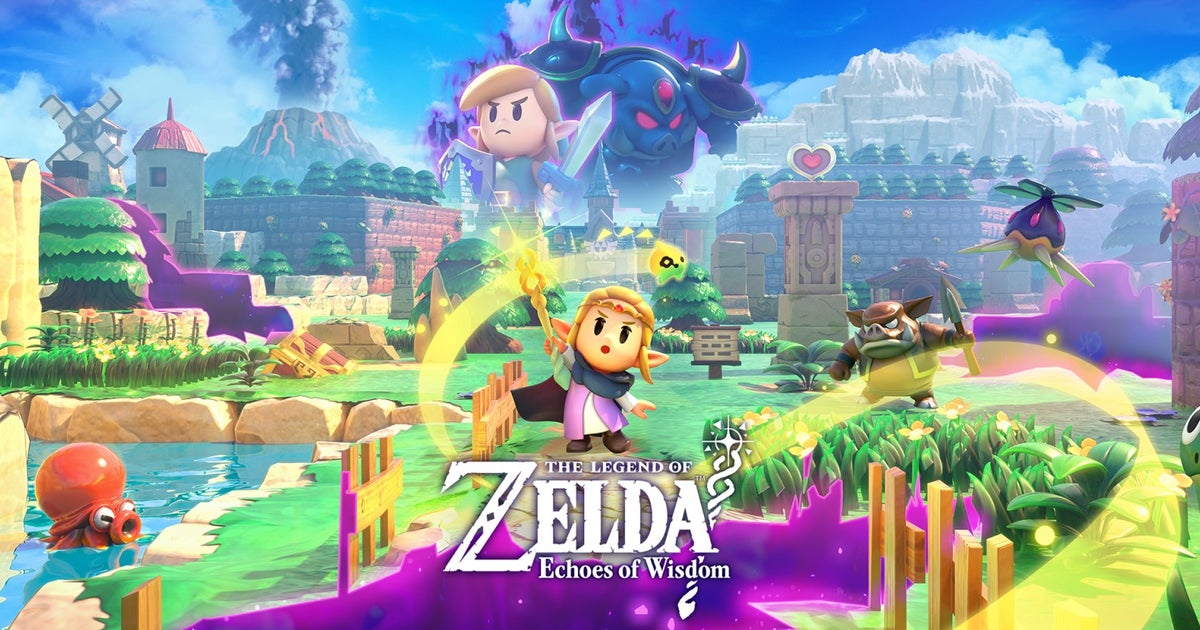
Zelda, Doom and Astro Bot Were the Top Wishlisted Games of the Summer Showcases
The summer game showcases of 2024 generated significant consumer interest, with The Legend of Zelda: Echoes of Wisdom, Doom: The Dark Ages, and Astro Bot emerging as the most wishlisted titles. This data, derived from the IGN Playlist backlog and activity tracker, reflects purchase intent among over 43,000 gamers between May 30 and June 23, 2024. The analysis focuses on new wishlists generated specifically during the event period, providing a snapshot of immediate audience resonance following major industry announcements.
The findings highlight that while sequels and established franchises dominate the top of the list, there is notable interest in new intellectual properties. Astro Bot, in particular, demonstrated strong performance, likely bolstered by the massive install base of the PlayStation 5 and its predecessor, Astro’s Playroom. Doom: The Dark Ages achieved high visibility, aided by its multi-platform release strategy, while The Legend of Zelda: Echoes of Wisdom saw rapid adoption immediately following its surprise reveal. Other titles, such as Clair Obscur: Expedition 33 and South of Midnight, represented the strongest new IP entries within the top 25.
Methodologically, the data captures a specific window of engagement rather than total lifetime wishlists, which inherently favors games announced or showcased during the summer events. Because the metrics exclude pre-existing interest for titles announced earlier in the year, the results serve as a barometer for current marketing effectiveness and immediate player excitement. The analysis concludes that these showcases successfully engaged a broad audience, with a diverse mix of indie projects and major studio releases capturing significant attention across the industry.
- The Legend of Zelda: Echoes of Wisdom, Doom: The Dark Ages, and Astro Bot were the most wishlisted games during the 2024 summer showcase period.
- Data collected from over 43,000 gamers between May 30 and June 23, 2024, indicates high immediate purchase intent following major industry announcements.
- Astro Bot’s strong performance is attributed to the established PlayStation 5 install base and the popularity of its predecessor, Astro’s Playroom.
- Doom: The Dark Ages achieved high visibility through a multi-platform release strategy, while The Legend of Zelda: Echoes of Wisdom benefited from a surprise reveal.
- Clair Obscur: Expedition 33 and South of Midnight emerged as the top-performing new intellectual properties within the top 25 list.
+1
GamesIndustry.bizJun 2024
Article
Who Is Subscribing to Game Pass, PS Plus and Nintendo Switch Online, and Why?
This analysis examines the demographic profile and primary motivations of users subscribing to major gaming services, including Xbox Game Pass, PlayStation Plus, and Nintendo Switch Online. Drawing on data from Newzoo’s Global Gamer Study, the research focuses on Western markets across North America, Europe, and Australasia. The findings indicate that the typical subscriber is a core gamer, predominantly male (62%) and aged between 21 and 35 (42%).
A key finding is that subscribers generally possess higher income levels than non-subscribers, with 43% of subscribers falling into the high-income bracket compared to 34% of non-subscribers. While cost savings are often assumed to be the primary driver for subscription adoption, the data suggests that convenience is the most significant factor for mid- and high-income users. Specifically, the ability to trial and access a variety of games without individual purchases is the top motivation for these groups.
For low-income gamers, the motivations are more evenly split between cost-related benefits and access to multiplayer features. Across all income levels, the desire for online multiplayer functionality remains a consistent secondary driver for subscription. Ultimately, while subscription services effectively serve as a discovery tool for new titles, the data suggests that the value proposition is defined more by the convenience of a curated library than by pure financial savings, particularly among more affluent gaming demographics.
- Convenience and access to a variety of titles are the primary drivers for subscription adoption among mid- and high-income users, rather than pure financial savings.
- The typical subscriber to Xbox Game Pass, PlayStation Plus, and Nintendo Switch Online is a core gamer who is predominantly male (62%) and aged between 21 and 35 (42%).
- Subscription services skew toward higher-income demographics, with 43% of subscribers in the high-income bracket compared to 34% of non-subscribers.
- For low-income gamers, the motivation for subscribing is split between cost-related benefits and the necessity of accessing online multiplayer features.
- Access to online multiplayer functionality serves as a consistent secondary driver for subscription adoption across all income levels.
+2
GamesIndustry.bizMay 2024
Article
PC and Console Game Sales: Europe April 2024
European PC and console game sales experienced a downturn in April 2024, characterized by a 6.2% year-on-year decline with 10.5 million units sold. This contraction is primarily attributed to a lack of major new software releases compared to the same period in 2023, which saw high-profile debuts like Star Wars Jedi: Survivor and Dead Island 2. The only new entry to reach the top ten in April 2024 was Stellar Blade, which debuted at number nine.
Market performance was notably bolstered by the resurgence of the Fallout franchise, driven by the popularity of the Amazon Prime television series and associated price reductions. Fallout 4 emerged as the top-selling game of the month, with the PC version accounting for over half of its total sales. Other titles in the top ten included EA Sports FC 24 and Helldivers 2, which competed closely for the second position.
Hardware and accessory segments faced more significant challenges, with console sales dropping 47% compared to April 2023. This decline reflects a broader market cooling, as major platforms struggle with a weaker release schedule and the natural lifecycle maturation of hardware like the Nintendo Switch. Accessory sales also saw a decrease of nearly 17%, totaling just over one million units sold, though the PS5 DualSense controller maintained its position as the top-selling accessory.
The data, provided by GSD, tracks digital sales across most major European markets and physical sales in key regions, excluding the UK and Germany for hardware metrics. The findings underscore a period of market stagnation, highlighting an industry-wide requirement for high-profile software and new hardware to stimulate consumer spending.
- European PC and console game sales fell 6.2% year-on-year in April 2024, with 10.5 million units sold due to a lack of major new software releases.
- Console hardware sales experienced a significant 47% decline compared to April 2023, reflecting market cooling and the natural lifecycle maturation of platforms like the Nintendo Switch.
- Fallout 4 became the top-selling game of the month, driven by the Amazon Prime television series, with the PC version accounting for more than 50% of its total sales.
- Accessory sales dropped nearly 17% to just over one million units, though the PS5 DualSense controller remained the best-selling item in the category.
- Stellar Blade was the only new release to reach the top ten in April 2024, debuting at number nine.
+1
GamesIndustry.bizMay 2024