1 free read left. Create a free account for unlimited reading + AI research.
Create free account
Why My Game's Demo Cost Over $100,000
Key insights
6 takeaways- 01Developing a high-quality first-person shooter demo can exceed $100,000 in costs and require multiple years of development time.
- 02The development process is inherently fragile, requiring a highly structured approach to integrate thousands of assets without causing project collapse.
- 03Level blockouts are the essential first phase of development, used to validate core gameplay mechanics and spatial flow before investing in expensive artistic polish.
- 04Custom character controller development is required to achieve fluid, intuitive movement mechanics such as sprinting, crouching, sliding, and weapon switching.
- 05Set dressing is the final stage of the workflow, where detailed environmental assets and lighting are applied to transform functional blockouts into immersive, professional-grade worlds.
- 06Adhering to a sequential methodology—moving from blockouts to mechanics to set dressing—is critical for maintaining project stability and meeting modern industry quality standards.
Ask AI about this video
Transcript
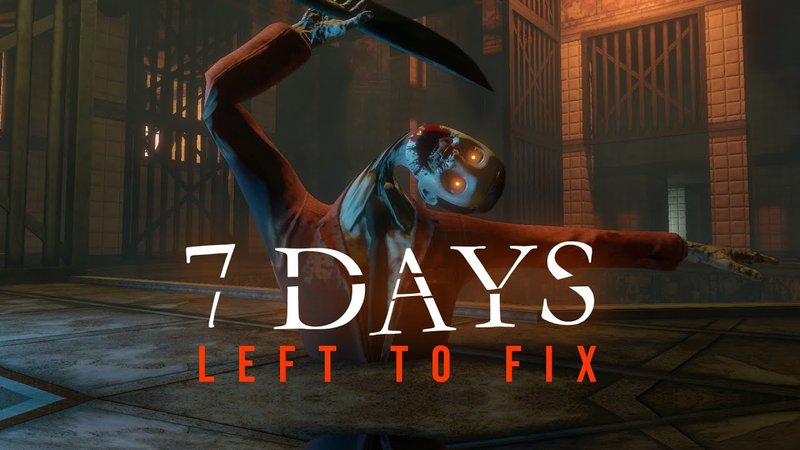
so I've been working on my third commercial release for I think it's been 2 years at this point it's called Twisted Tower and I swore I wasn't going to take a long time on my third game but like clockwork here I am two years later still working on this thing so there's a reason why this project has taken two years there's a reason why this project costs more than six figures to make this little demo it's because making a firstperson shooter can be really it can be really complicated I compare making a games but specifically a first- person shooter I compare it to building like a house of cards and you're always going to feel like it's going to collapse so as you can see here it's a very complicated and delicate process we've just got thousands thousands of Assets in this one scene But ultimately a first-person shooter scene is Three core elements
um there's the level blockout which is just the core basic elements of a level and this is usually what we start with so for example just a basic terrain very simple and you can paint the trees on it this all within uh unity's terrain editor now the problem here is that as a director of this game um and somebody who was a noob uh to making 3D games I had no idea about blockouts so I'm I'm not joking when I say that we took more than a year just learning the basics the basics of making a blockout of utilizing uh Assets in combination with a blockout so I want to save you the trouble and actually show you how a blockout is actually used the reason you block out is because you don't want to polish up the entire level and then have a a tester play the level or you play the level yourself and it's a crappy level it's not fun so you want to make sure
it's fun at its most basic core element so let me show you what a blockout looks like with the interior levels now the base blockout for this level is going to be something like this so let's bring this all the way up here this is what we started with right so this is what we've been working on for the last 2 years figuring out which textures we like and how we're putting together this game the second element of creating a first-person shooter is the character controller right so we got the level block out next we needed to create the character controller and this is why this small little demo took so long to create is making our character controller that can carry weapons turn on a flashlight and explore and you really want it to feel good right so I want to be able to Sprint I want to be able to crouch and I want to be able to slide I want to be able to attack I want to be able to hold and then do a big Mega attack right I want to be able to switch weapons hold Tab and switch weapons this all took a long time to
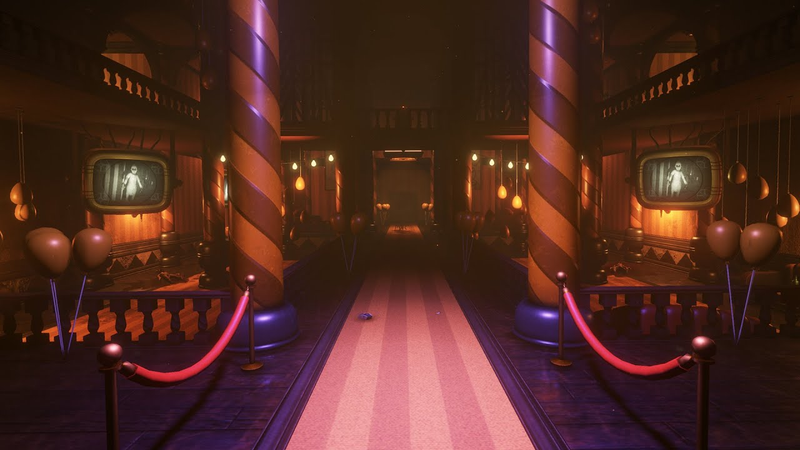
create we had created all of this from scratch now the third aspect of creating a great firstperson shooter it's what me and my team call polish or it's called set dressing right so right now this is a level we're working on currently called clown casino and clown casino is at its core this is the blockout it's very boring right it's just bricks a floor and these cutouts for doors but once you throw in all the po once you start doing set dressing then suddenly it feels like a totally different game even though you're moving around the same environment it just looks different it feels different so this is what it looks like with all of the set dressing so this is we're not in play mode yet so everything kind of looks crappy but once we enter in play mode you'll see the world come to life again the blockout is the same but now it feels like a double a game and I am just so impressed with what fully he's done here laying out
this level he has done such a good job with this set decoration but it only works it don't you can only stay sane if you block out the level first all right guys thanks for watching
Summary
Developing a high-quality first-person shooter is a complex, resource-intensive endeavor that requires significant financial and temporal investment. The production of a single game demo can exceed six figures in costs and span multiple years of development. This process is inherently fragile, often compared to building a house of cards, where the integration of thousands of assets necessitates a highly structured approach to avoid project collapse.
The development workflow relies on three fundamental pillars: level blockouts, character controller implementation, and set dressing. A level blockout serves as the essential foundation, allowing developers to test core gameplay mechanics and spatial flow before committing to expensive, time-consuming artistic polish. Neglecting this phase often leads to wasted effort on environments that fail to provide an engaging player experience. By prioritizing the blockout, teams ensure that the game is fun at its most basic level before adding visual complexity.
The character controller represents the second critical component, requiring custom development to achieve responsive movement and combat mechanics. Features such as sprinting, crouching, sliding, and weapon switching must be built from scratch to ensure the game feels intuitive and fluid. Finally, set dressing transforms the sterile, functional blockout into an immersive world. While the underlying geometry remains unchanged, the addition of detailed environmental assets and lighting elevates the project from a basic prototype to a professional-grade experience. Adhering to this sequential methodology is vital for maintaining project sanity and ensuring that the final product meets modern industry standards for quality and performance.



















Comments