1 free read left. Create a free account for unlimited reading + AI research.
Create free accountWhitepaper Press Start
1 free read left. Create a free account for unlimited reading + AI research.
Create free accountWhitepaperPress Start
LGBTQ+ romantic subplots are treated as secondary, optional deviations rather than integral narrative components in major titles.
The video game industry, particularly within the output of major developers like BioWare, maintains a persistent heterocentric and hypermasculine status quo that systematically marginalizes LGBTQ+ players. While these titles frequently incorporate queer romantic subplots, such narratives are treated as a burdensome secondary concern rather than an integral component of the player experience. By prioritizing the comfort of the heterosexual male demographic, the industry reinforces traditional power structures that frame queer identity as inherently shameful, awkward, or subordinate to the primary heterosexual narrative.
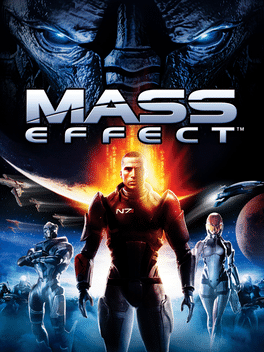
Across foundational titles such as Knights of the Old Republic, Jade Empire, and Mass Effect, queer romance is consistently relegated to the periphery. These experiences are often restricted to non-essential side characters, locked behind specific dialogue gates, or forced to conform to rigid, traditional gender roles. Furthermore, the reliance on recycled animations and restrictive narrative design forces queer players to navigate a landscape that demands apology for their existence. These design patterns ensure that queer arcs remain secondary, effectively signaling that non-heteronormative relationships are an optional deviation rather than a valid, core element of the game world.
To counter these exclusionary practices, the industry requires a fundamental shift in how queer narratives are conceptualized and implemented. Because major studio titles continue to rely on lazy, heteronormative tropes, the responsibility for authentic representation has increasingly shifted toward independent creators. Queer gamers and developers are encouraged to reclaim their narratives through independent game production, community-driven modding, and rigorous critical discourse. By bypassing the limitations imposed by major industry players, these efforts serve to challenge the status quo and foster a more inclusive environment that validates queer experiences without the burden of heteronormative compromise.
Each row is a game or company this document names, each column a document, oldest first. A mark means that document names it. Select a row to see those documents.
Press Start · 2026
Press Start · 2026
Press Start · 2026
Press Start · 2026
Press Start · 2026
Press Start · 2026
Press Start · 2026
Press Start · 2026
Press Start · 2025
Press Start · 2025
Press Start · 2025
Press Start · 2024
Digital Games Research Association · 2018