More on Game Development
View all
Whitepaper
Enhancing Learning Through VR Game Design in Higher Education
European Conference on Games Based Learning (ECGBL) · 2025
Whitepaper
Game Lab Innovations in Education: Insights from a Board Game Design Project
European Conference on Games Based Learning (ECGBL) · 2024
Game Developers Conference
The Best and Most 'Stealable' Mechanics from Tabletop RPGs
Game Developers Conference · 2023
Whitepaper
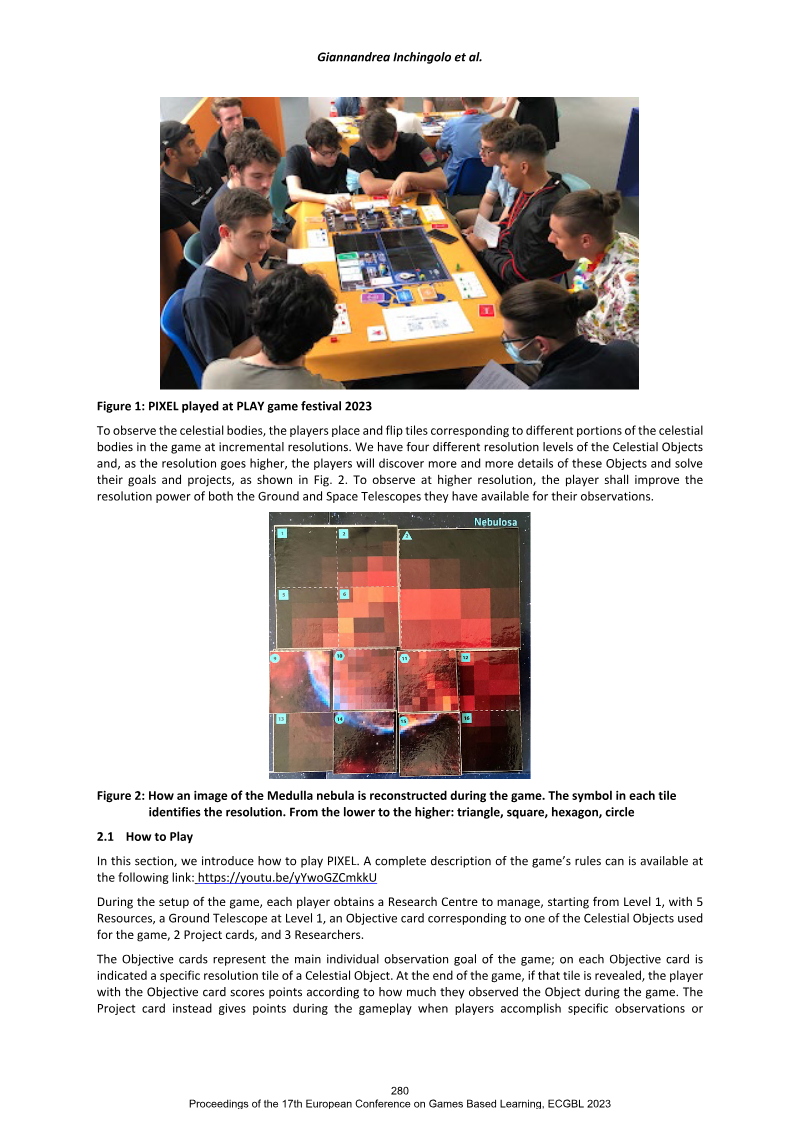
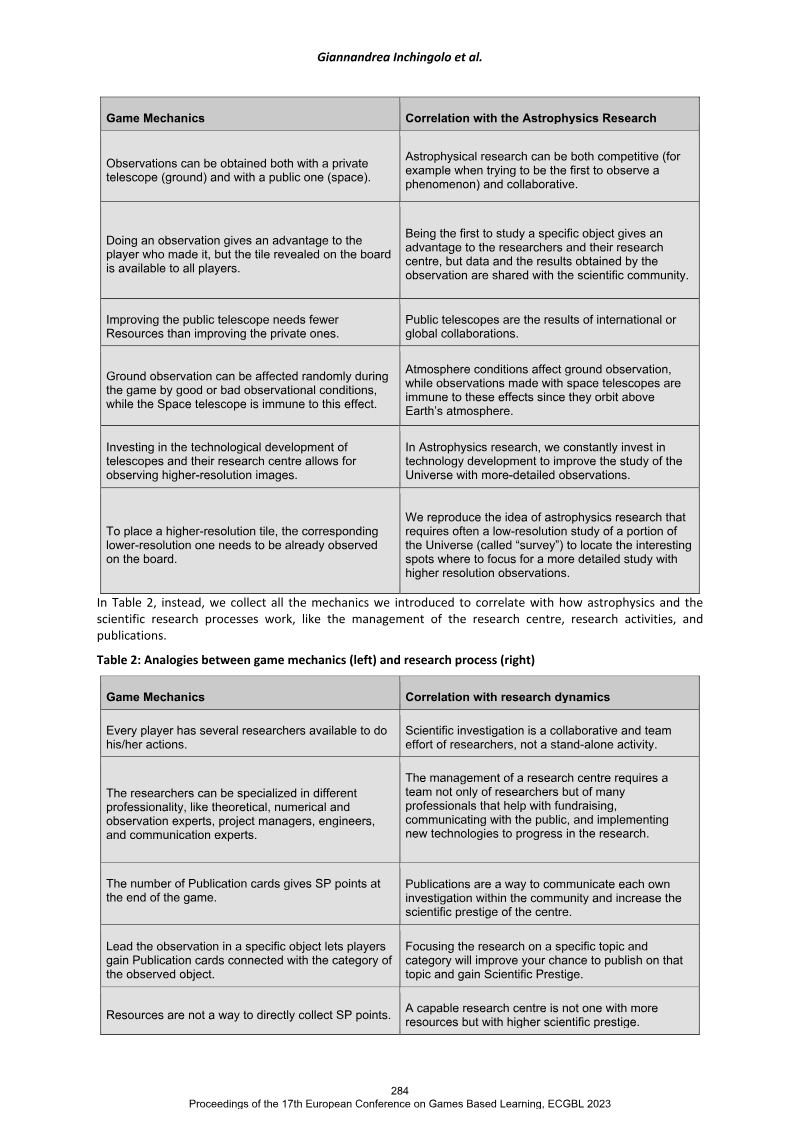
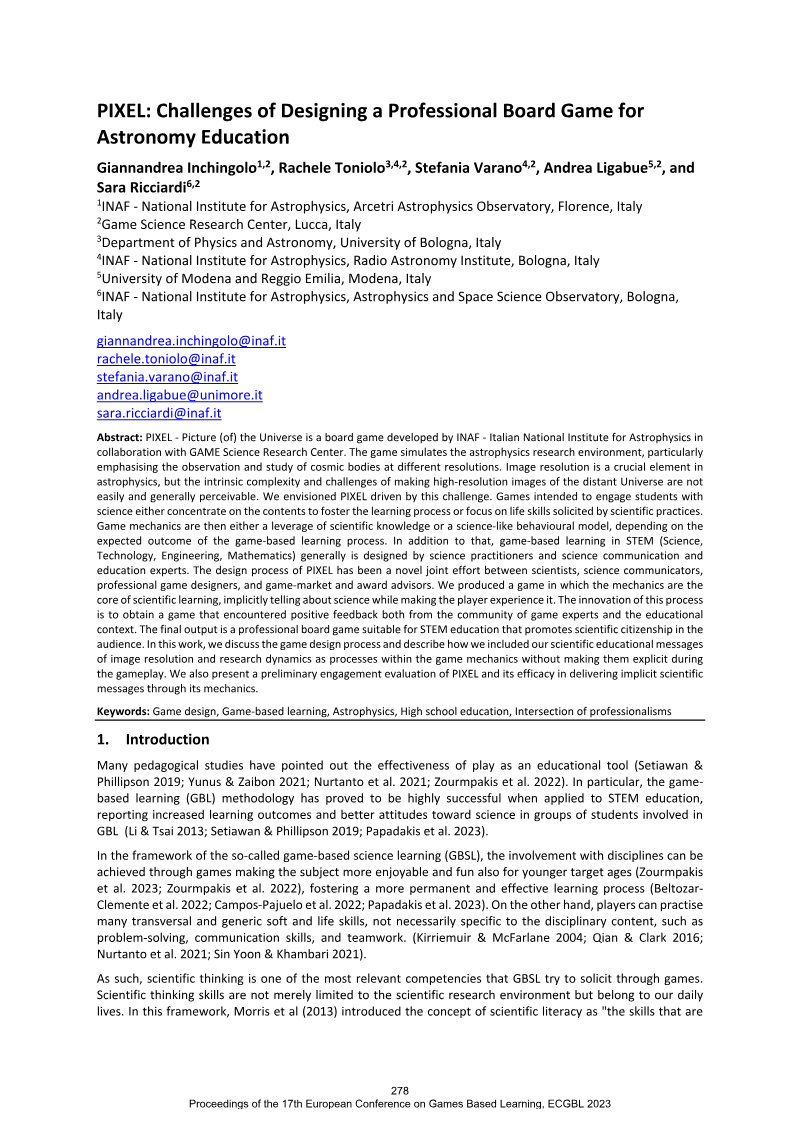
PIXEL: Challenges of Designing a Professional Board Game for Astronomy Education
European Conference on Games Based Learning (ECGBL) · 2023
Whitepaper
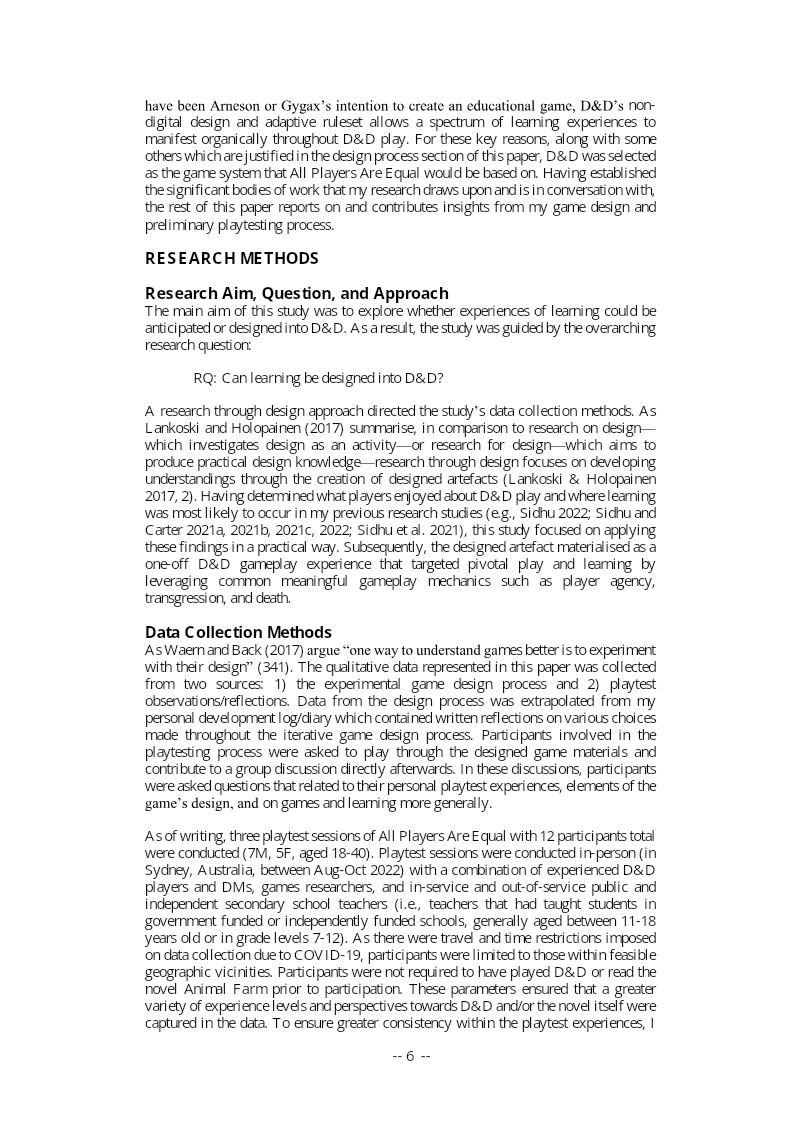
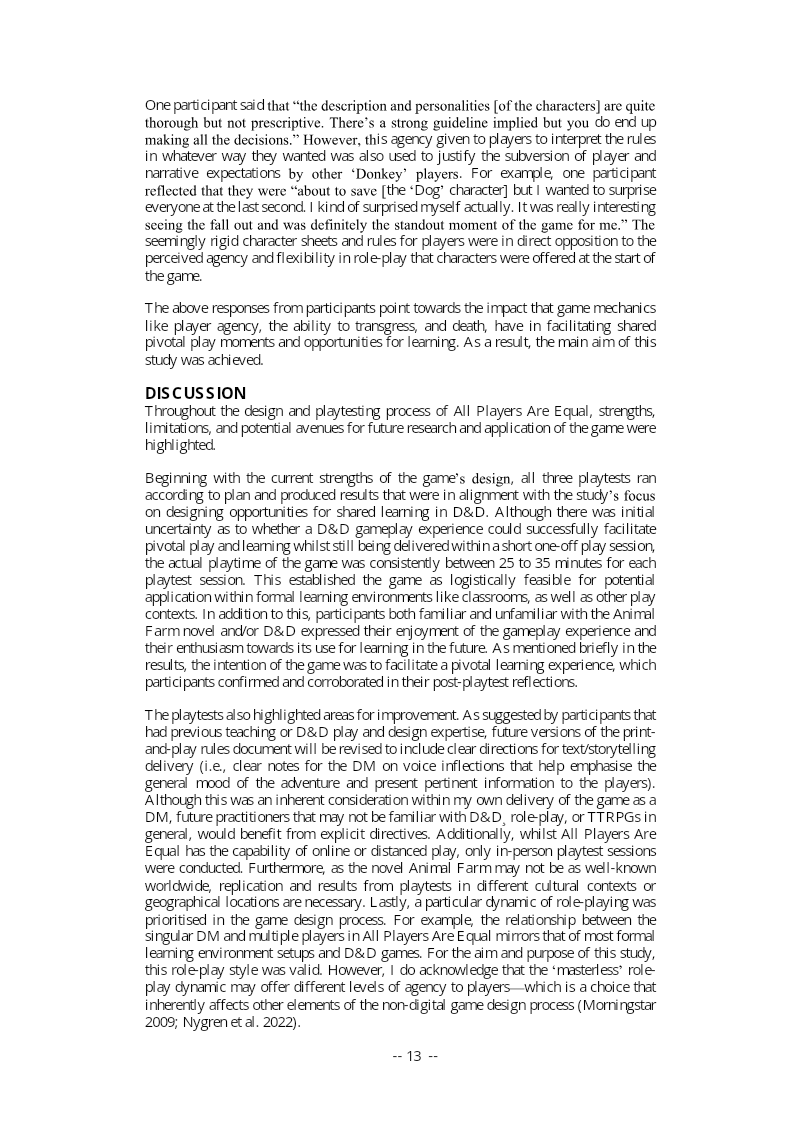
Playing Animal Farm: Designing a Dungeons & Dragons One-Shot for Pivotal Play and Learning
DiGRA · 2023
Extra Credits
Mechanics Shaping Story - Re-examining the Core Gameplay Loop - Extra Credits
Extra Credits · 2019



Whitepaper
Designing VR Games for Emotional Intelligence: Participatory Design Insights from Children
European Conference on Games Based Learning (ECGBL) · 2026
Whitepaper
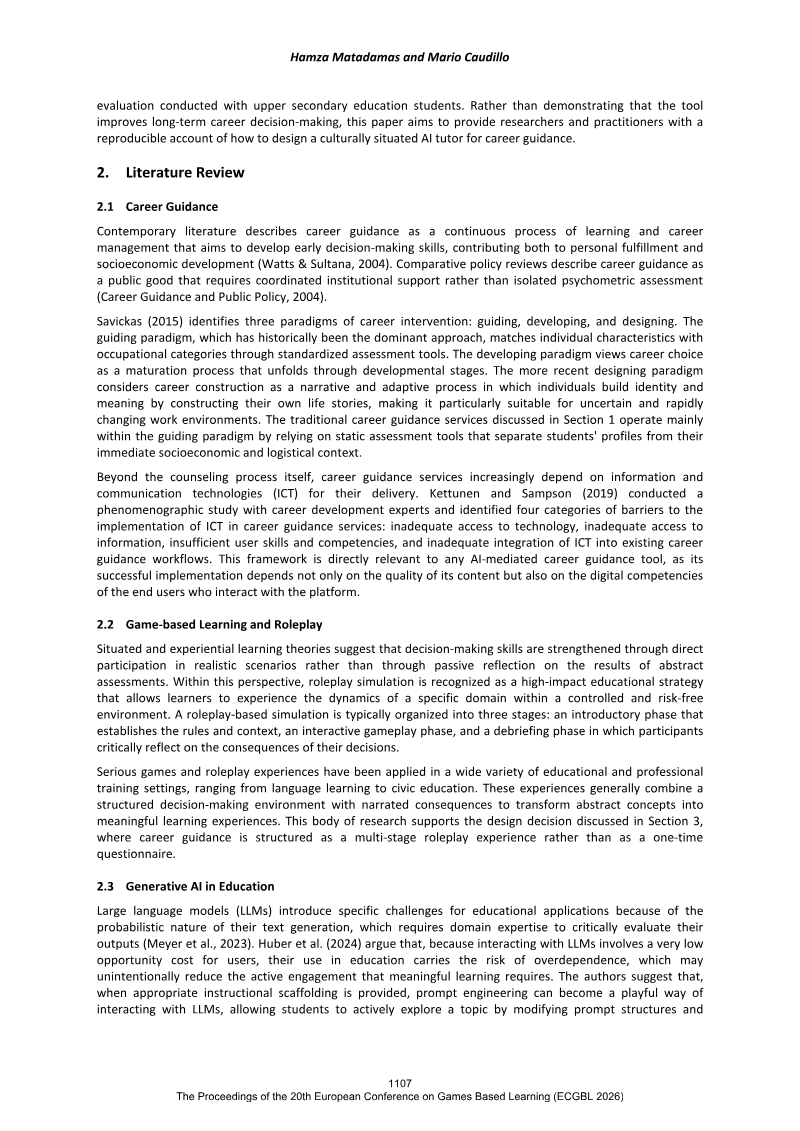
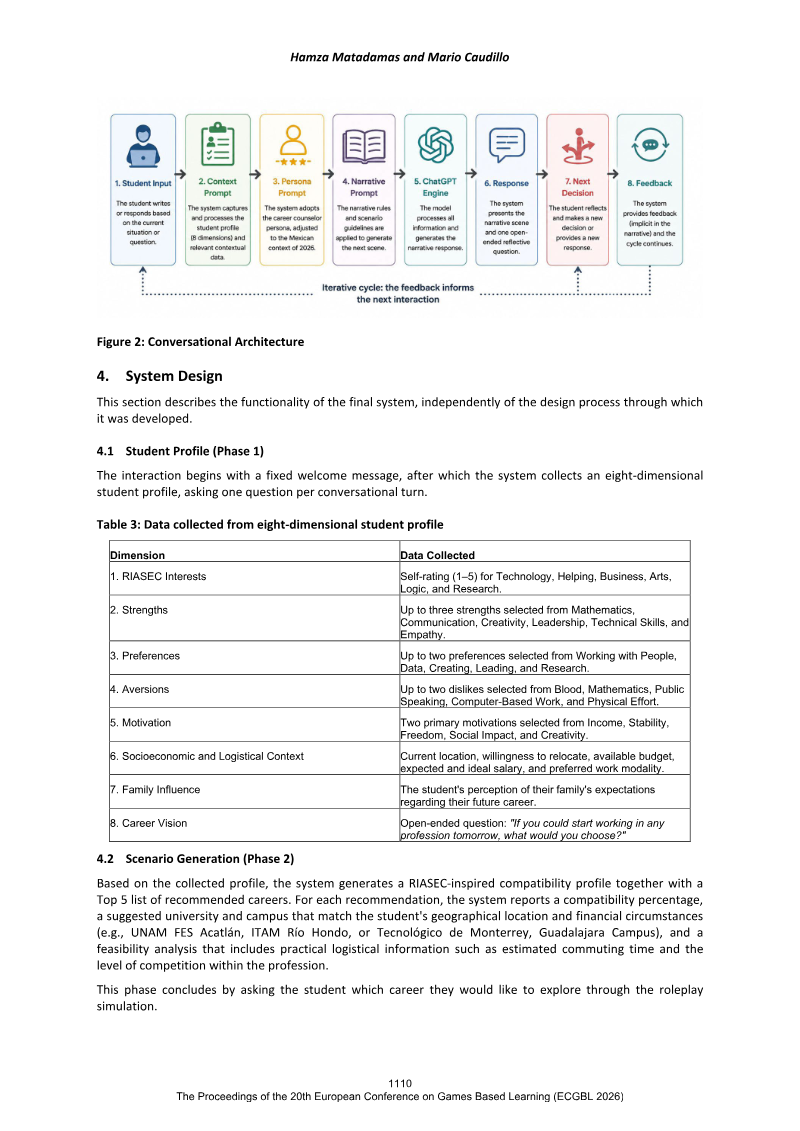
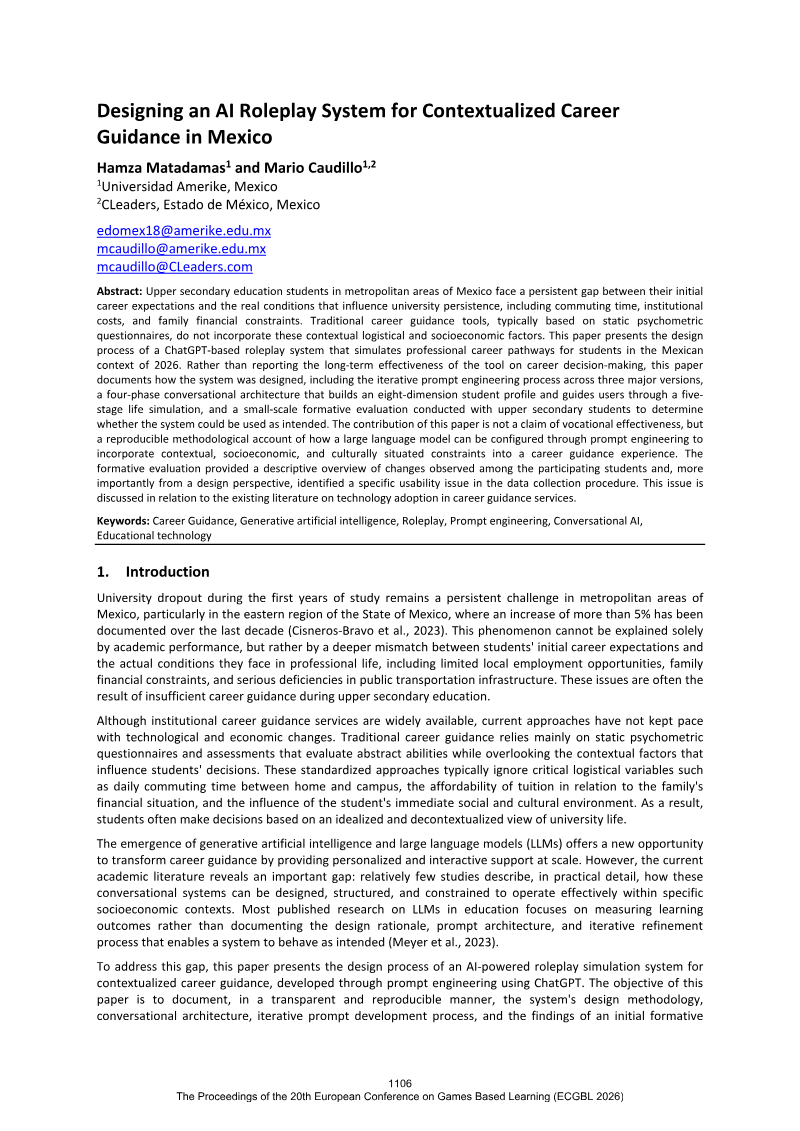
Designing an AI Roleplay System for Contextualized Career Guidance in Mexico
European Conference on Games Based Learning (ECGBL) · 2026
Whitepaper
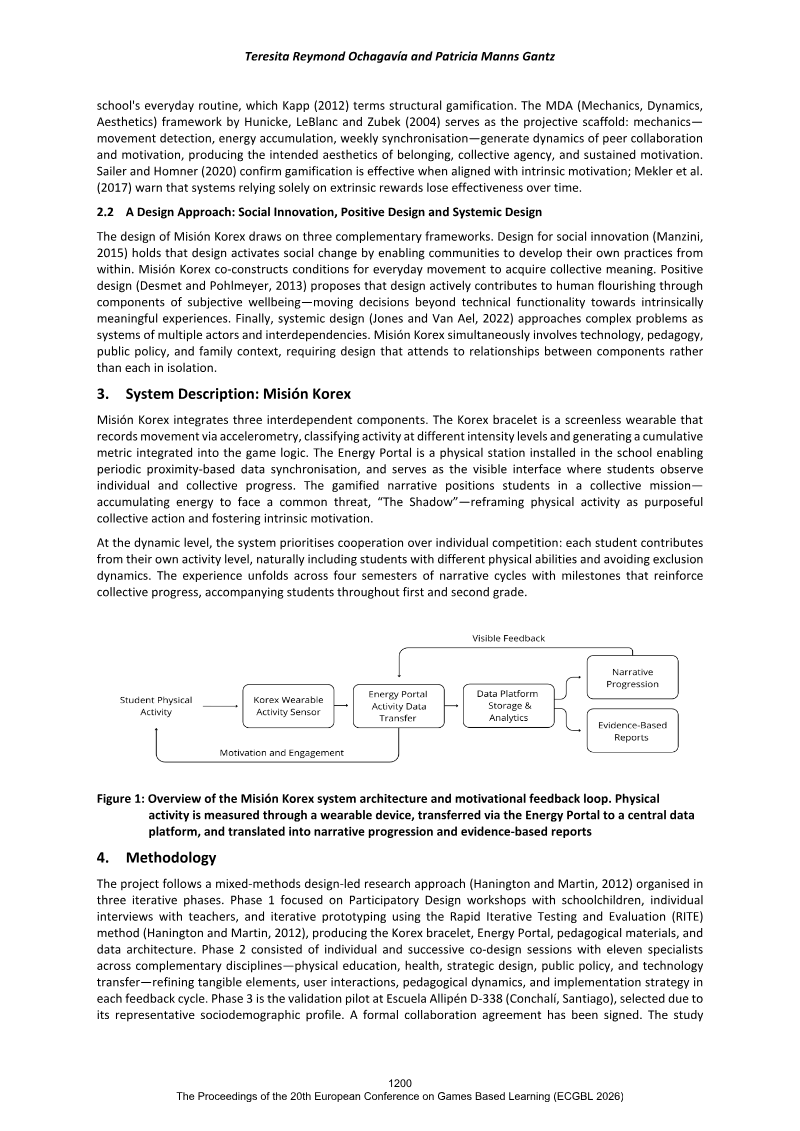
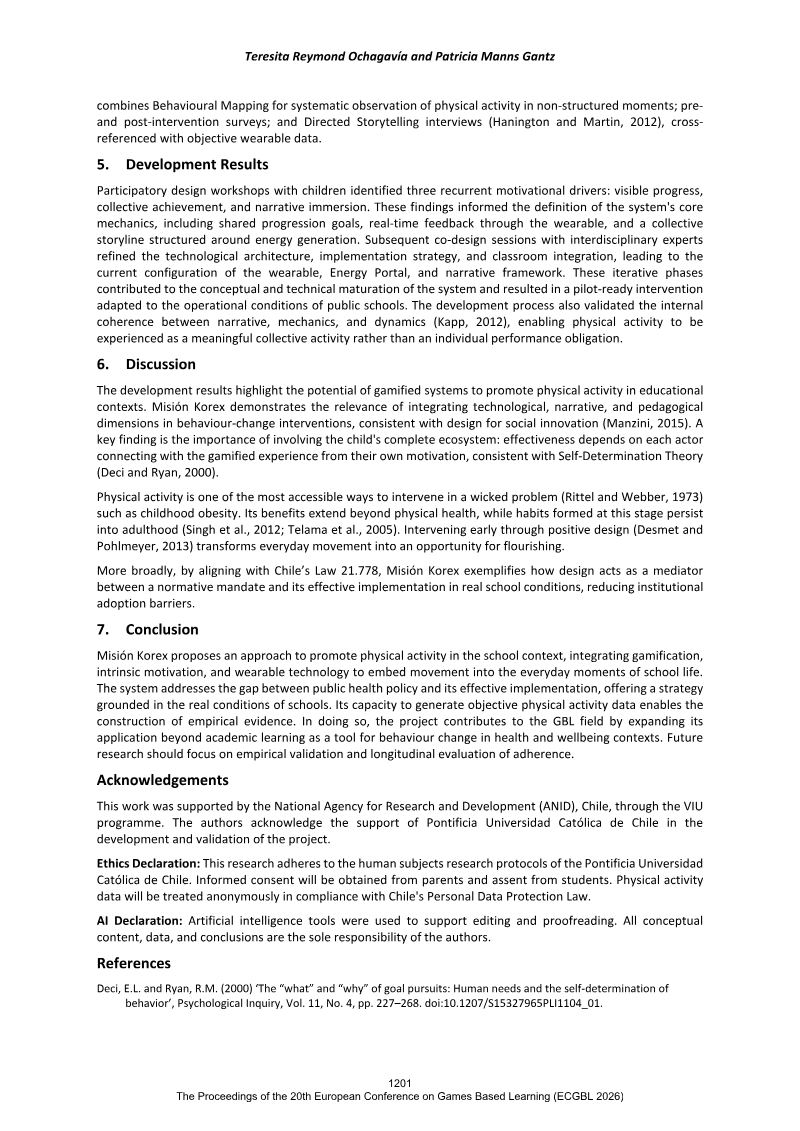
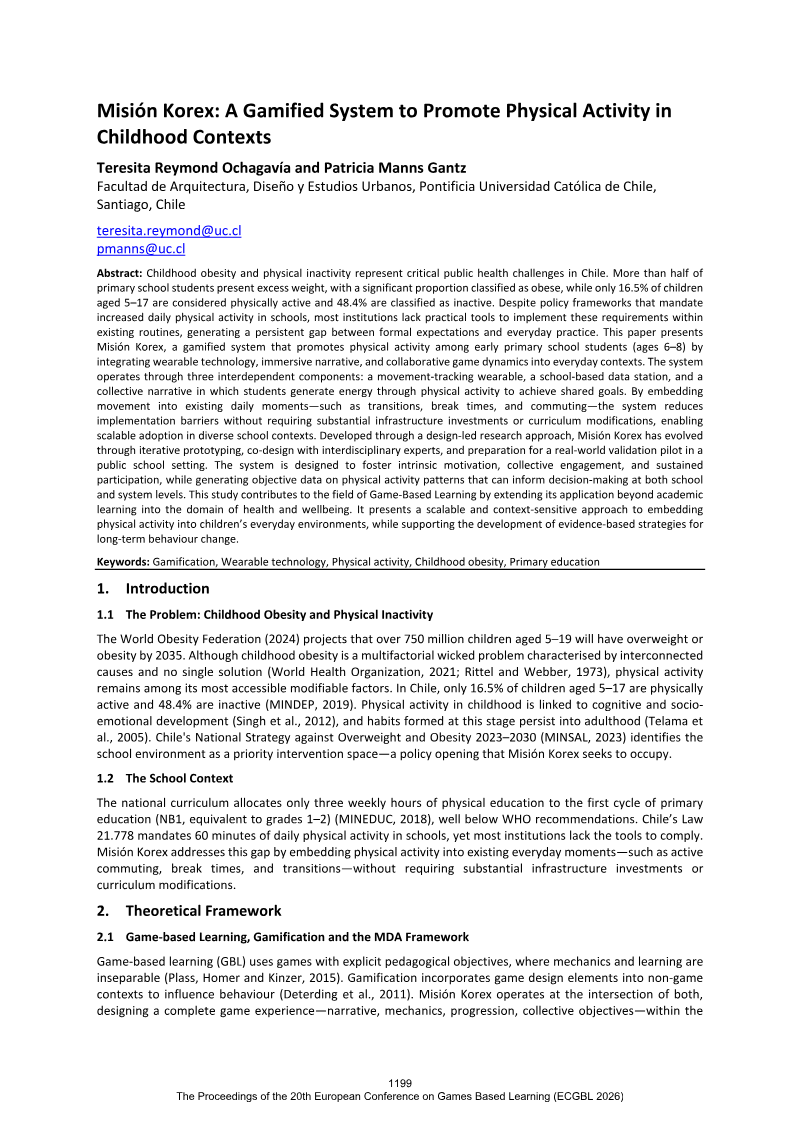
Misión Korex: A Gamified System to Promote Physical Activity in Childhood Contexts
European Conference on Games Based Learning (ECGBL) · 2026



Whitepaper
Masterpolis: Simulating Urban Planning Decisions Through a Boardgame Learning Environment
European Conference on Games Based Learning (ECGBL) · 2026
Whitepaper
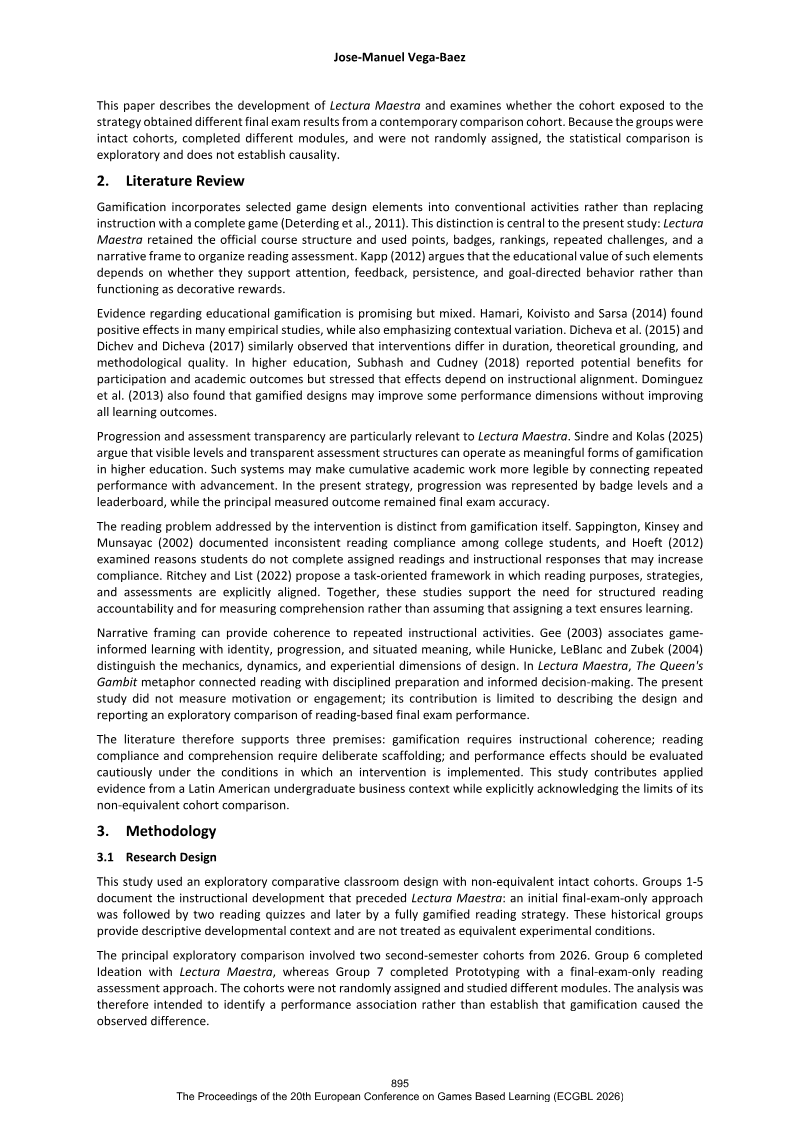
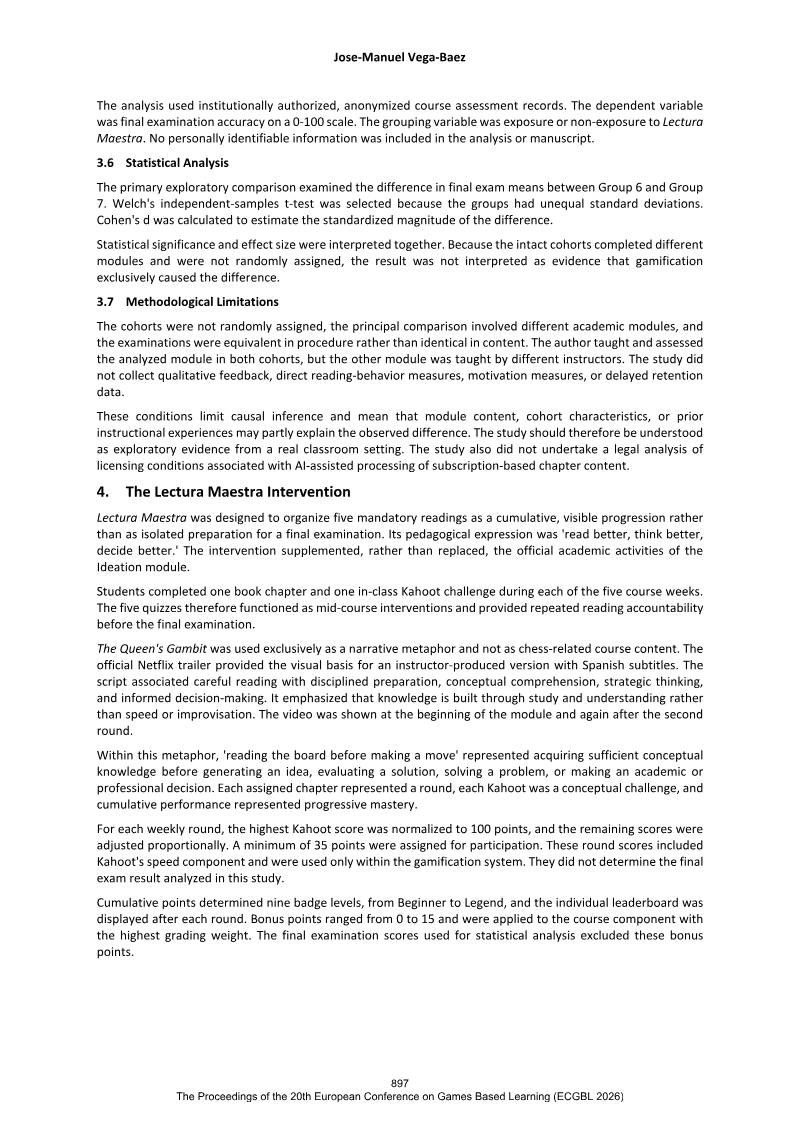
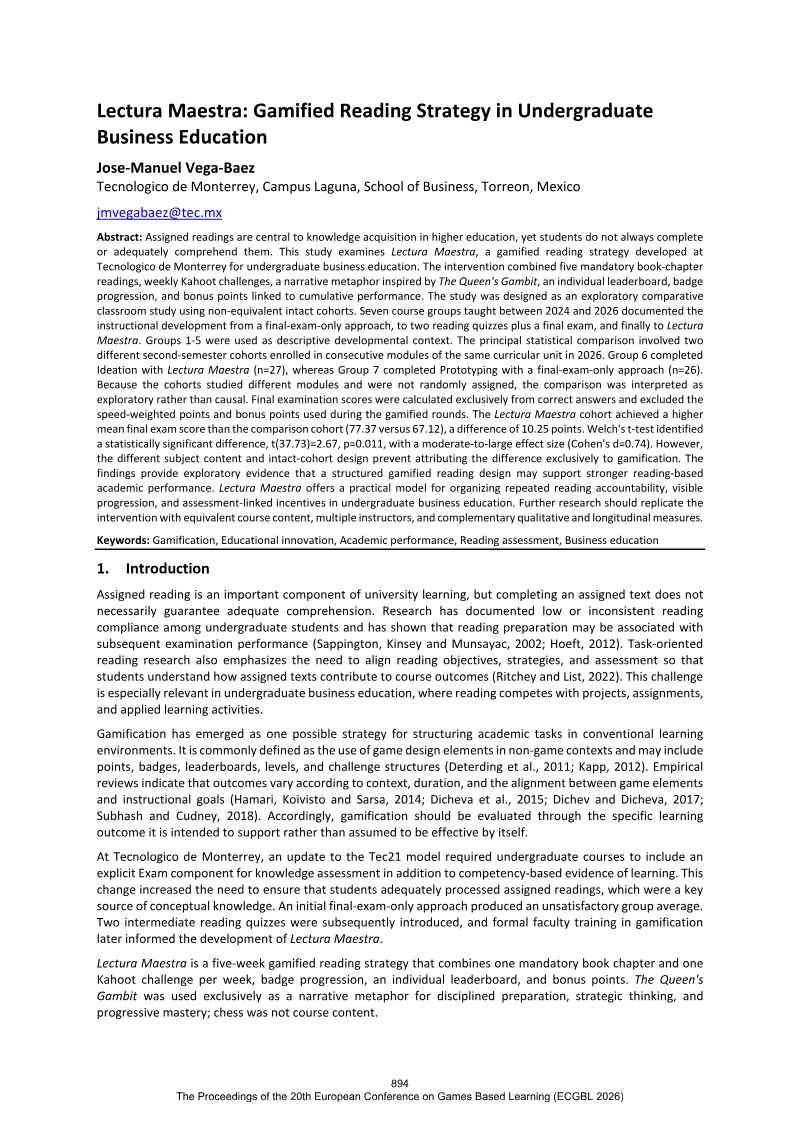
Lectura Maestra: Gamified Reading Strategy in Undergraduate Business Education
European Conference on Games Based Learning (ECGBL) · 2026
Whitepaper
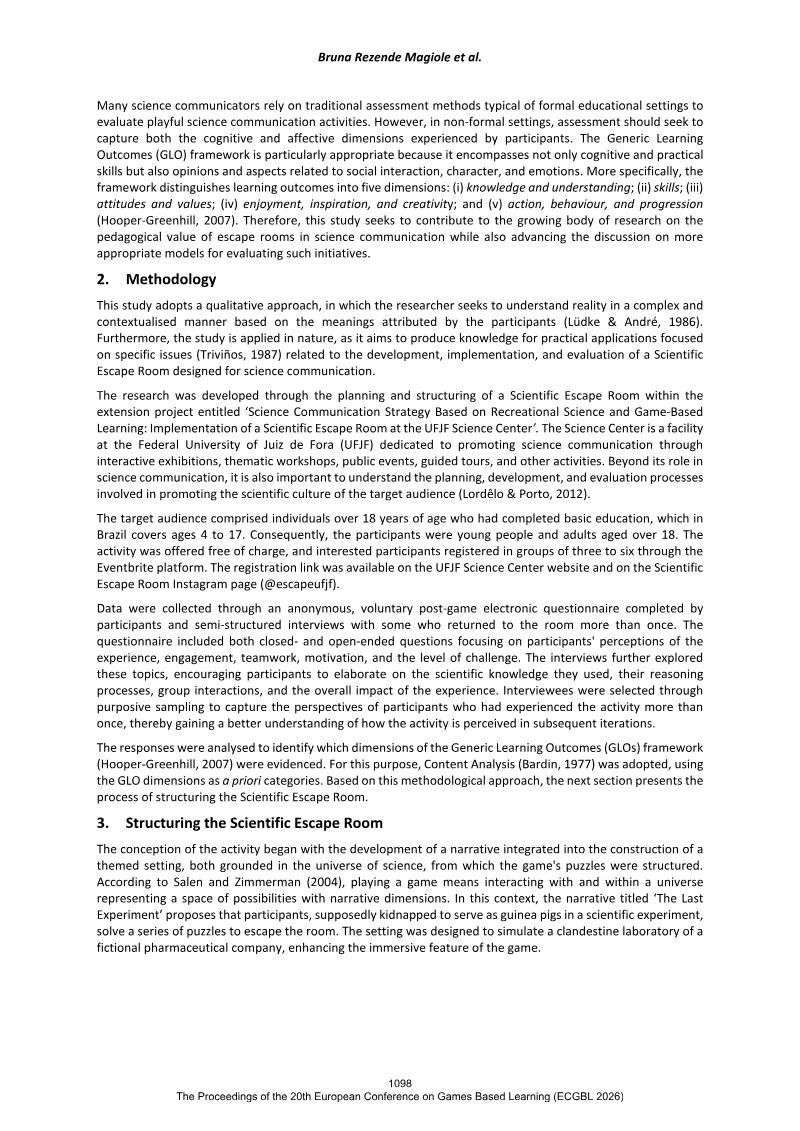
Scientific Escape Room: A Science Communication Initiative Evaluated by Generic Learning Outcomes
European Conference on Games Based Learning (ECGBL) · 2026