Roblox Corporation’s FY 2022 annual filing outlines a high‑growth, user‑generated content platform that monetizes through in‑game purchases (Robux), advertising, and premium subscriptions. In 2022, bookings rose to $2.87 billion and revenue reached $2.23 billion, a 16% increase driven by higher active user engagement and expanded monetization strategies. Operating expenses surged 42%, largely due to a 51% jump in infrastructure and trust‑&‑safety spending and a 64% rise in research & development, resulting in an operating loss of $923 million and a net loss of $934 million. The company continues to invest heavily in cloud infrastructure, developer tools, and safety systems while maintaining a negative free cash flow of $58 million; it expects current operating cash to support the next twelve months but may need additional financing if growth or inflationary pressures intensify.
Geographically, 77 % of daily active users and 34 % of revenue come from outside the United States and Canada, underscoring a strong international footprint. The platform serves more than 15 million active experiences across 180 countries, supported by over 100,000 servers and a robust moderation framework that combines machine learning with human review. Regulatory exposure is significant: compliance with COPPA, GDPR, CCPA, and emerging digital‑services laws requires substantial resources, while intellectual‑property disputes and potential changes to Section 230 pose additional risks. Financially, the company’s dual‑class share structure concentrates voting power in founder David Baszucki, and its high leverage—particularly 2030 notes—limits cash‑flow flexibility. Stock‑based compensation commitments total $1.4 billion in unrecognized expense, and a full valuation allowance offsets all deferred tax assets, reflecting the ongoing loss position. Overall, Roblox prioritizes long‑term growth over profitability, investing aggressively in infrastructure and developer engagement while navigating a complex regulatory landscape that could materially impact its financial condition and market position.
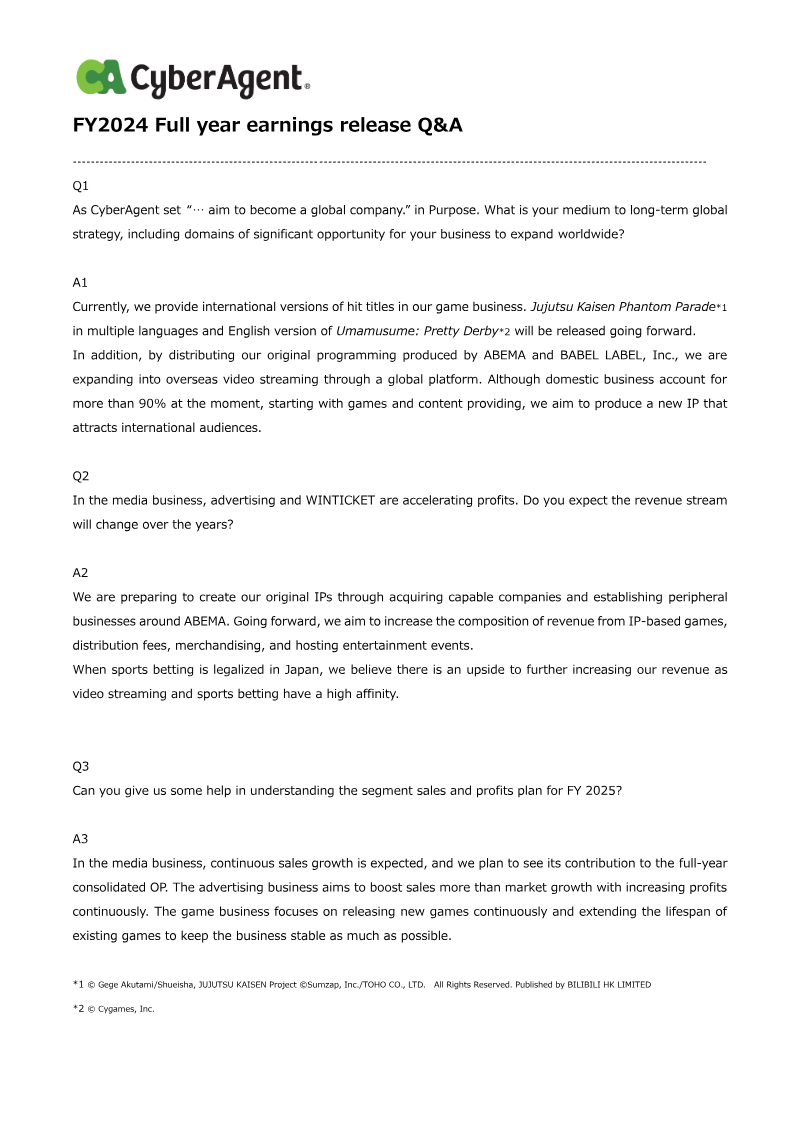
CyberAgent · 2026

G5 Entertainment AB · 2025
Boston Consulting Group · 2025
GameDiscoverCo · 2025

Koei Tecmo · 2024

Electronic Arts · 2024

Paradox Interactive · 2024

Sony Group · 2024
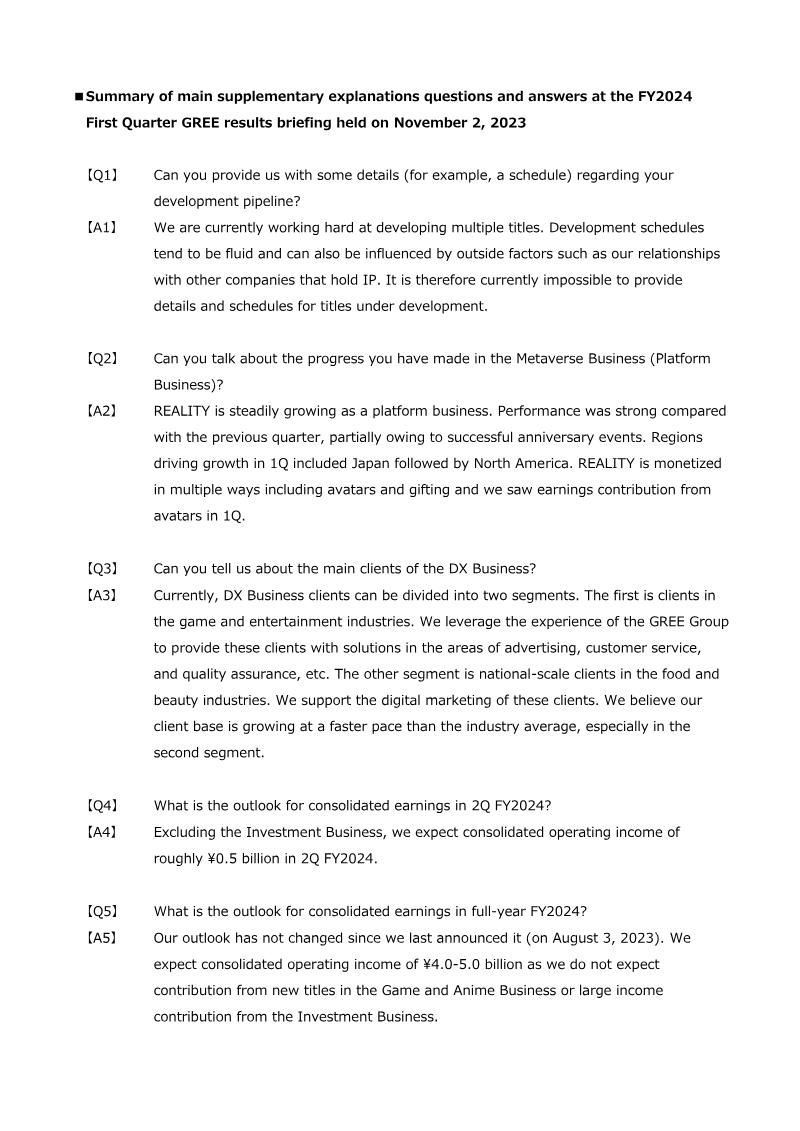
GREE · 2023
Huuuge · 2023
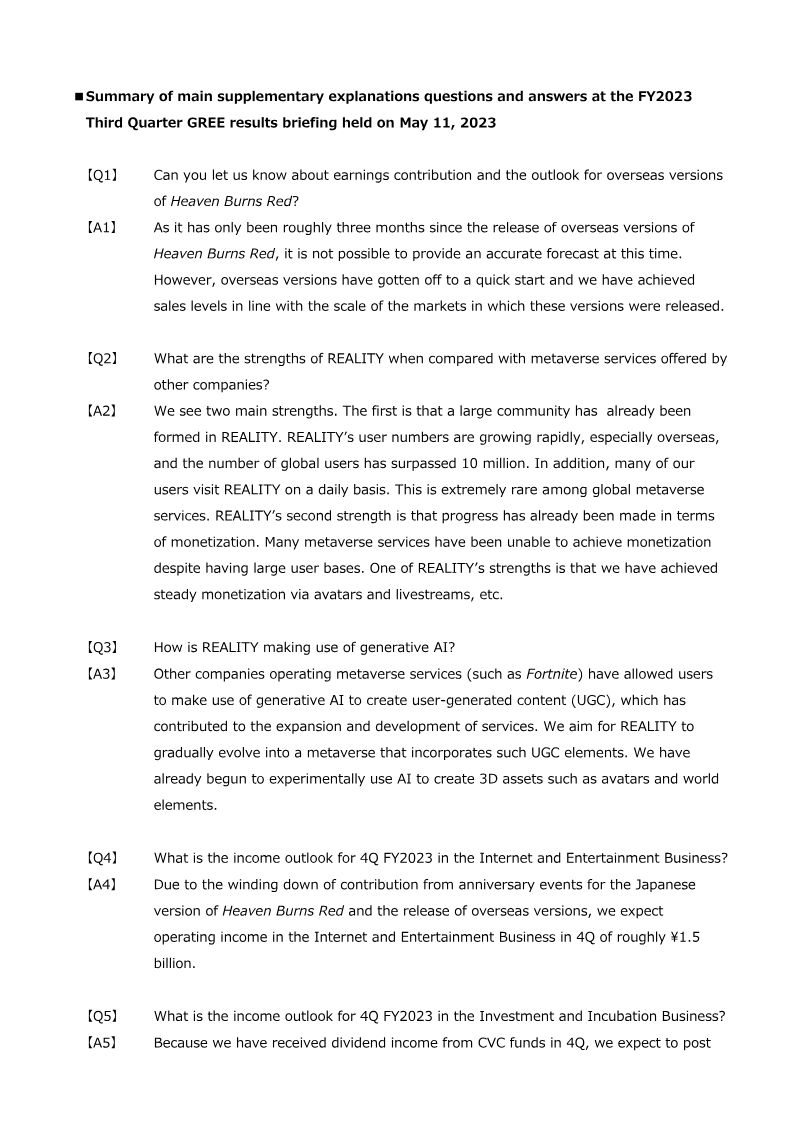
GREE · 2023
CyberAgent · 2023