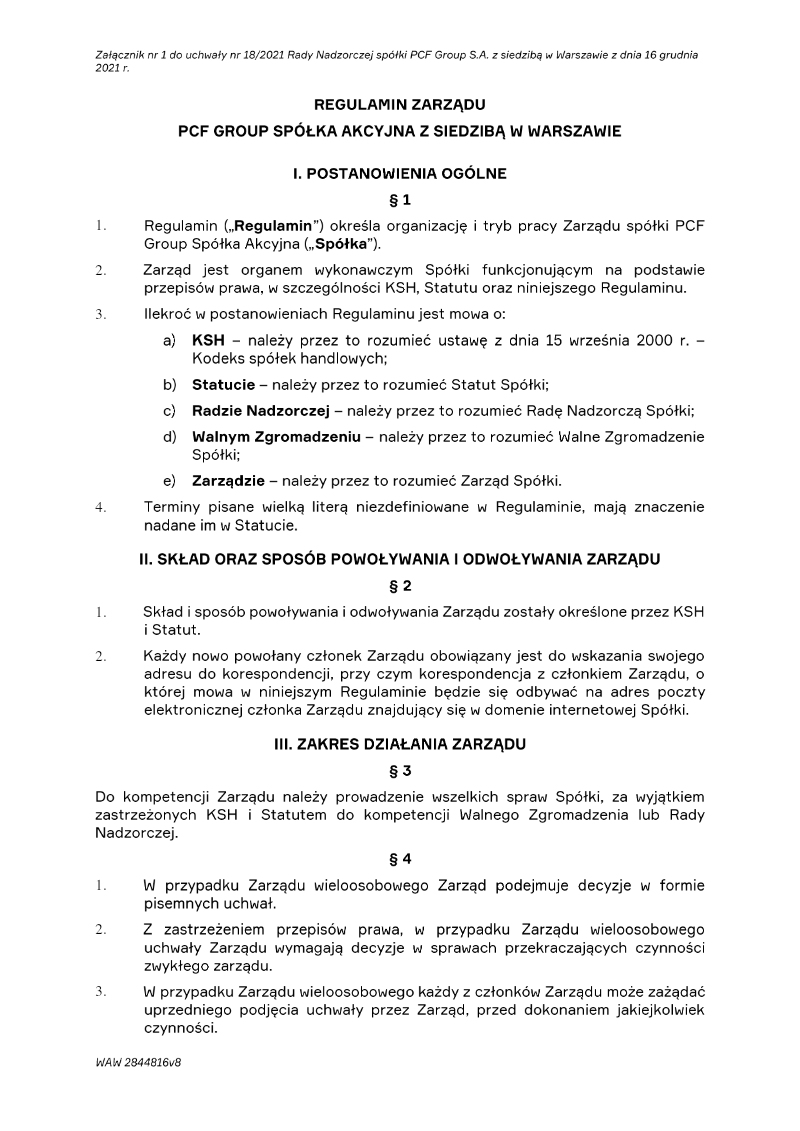
This document establishes the formal organizational framework and operational procedures for the Management Board of PCF Group S.A., a Warsaw-based joint-stock company. Acting as the executive body of the firm, the Board is tasked with managing all corporate affairs not explicitly reserved for the General Meeting or the Supervisory Board. The regulations define the legal basis for the Board’s activities, primarily grounded in the Polish Commercial Companies Code and the Company’s Statutes.
The scope of the regulations covers internal governance, including the appointment process, representation of the company in legal matters, and the specific duties of Board members. Key mandates include the implementation of corporate strategy, maintaining professional diligence, and managing conflicts of interest. Members are explicitly required to prioritize the company’s interests and image, refraining from professional activities that could create competitive conflicts. The document also outlines the transition of responsibilities and documentation upon the expiration of a member's mandate.
Operational procedures detailed in the text apply specifically to multi-person boards. The President of the Management Board holds significant authority, including organizing work, convening meetings, and casting the deciding vote in the event of a tie. Meetings can be conducted in person or via remote communication tools, provided they allow for real-time identification and participation. Resolutions are generally passed by a simple majority, and the regulations allow for various voting methods, including written ballots and mixed-mode participation. Formal documentation requirements are also specified, mandating that all meetings and resolutions be recorded in protocols signed by the attending members and the President. These regulations are public and can only be amended through a resolution by the Supervisory Board.
PCF Group · 2026
PCF Group · 2026
PCF Group · 2026
PCF Group · 2026
PCF Group · 2025
PCF Group · 2025
PCF Group · 2025
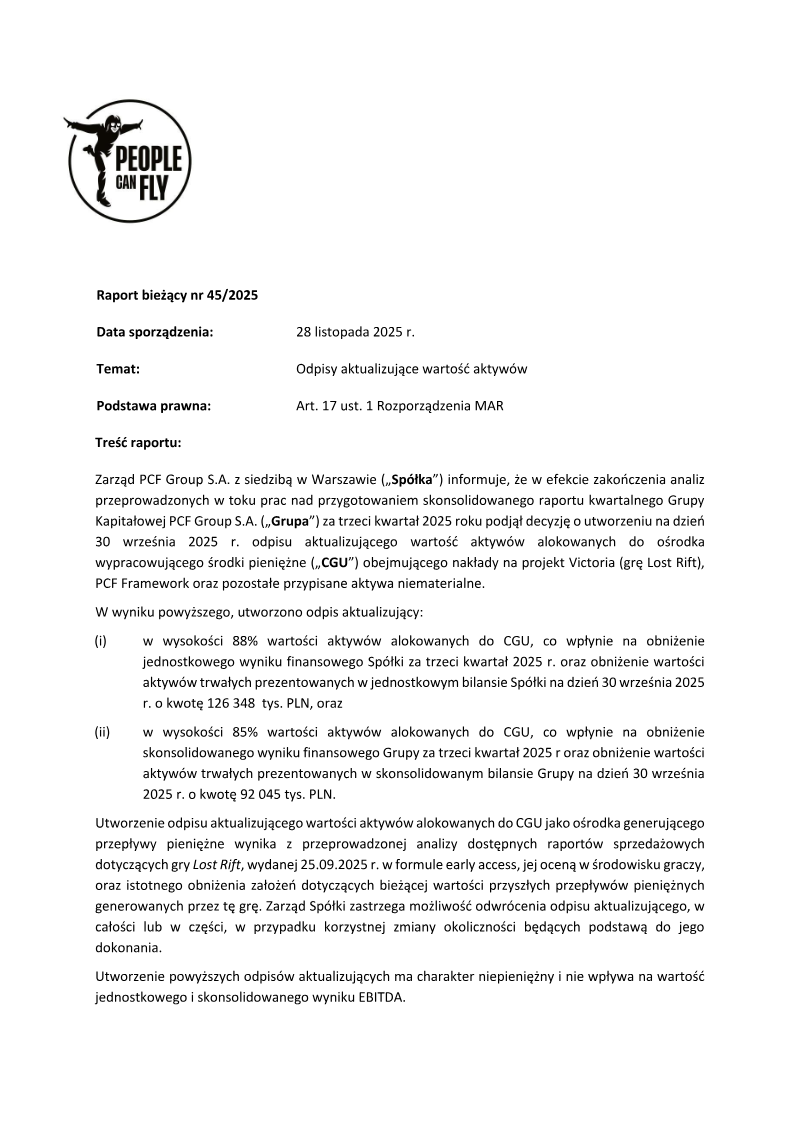
PCF Group · 2025
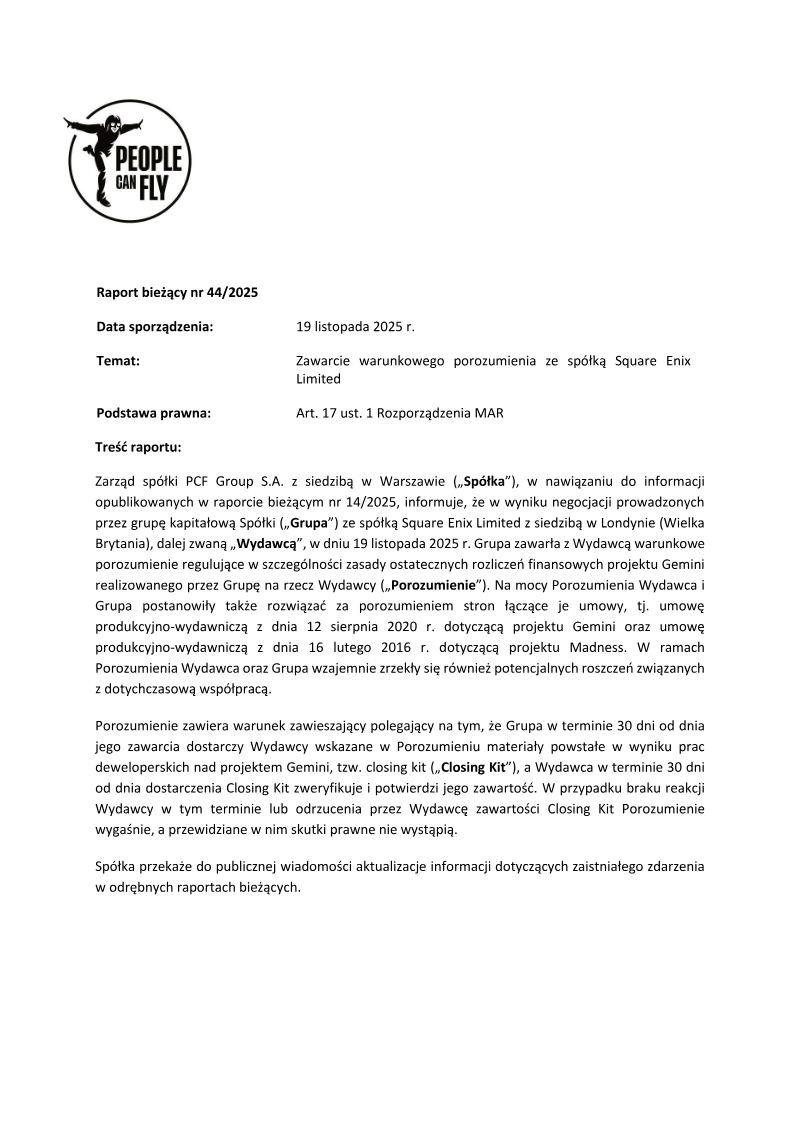
PCF Group · 2025
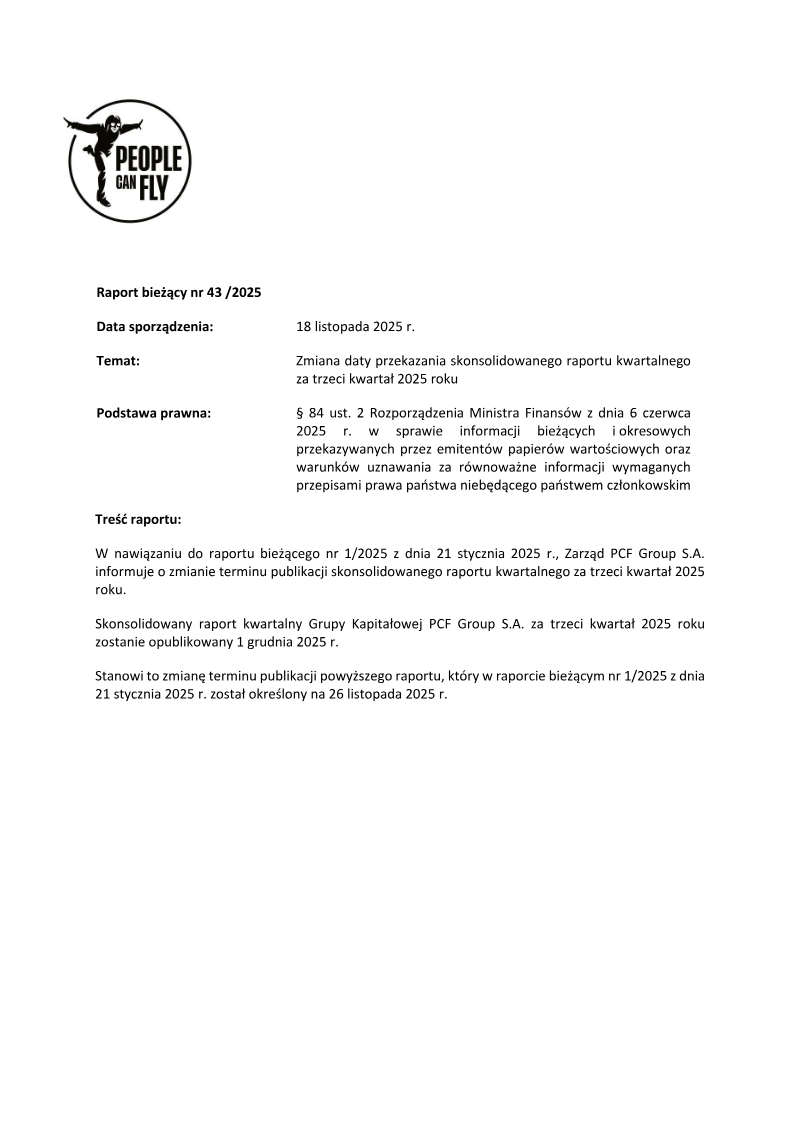
PCF Group · 2025
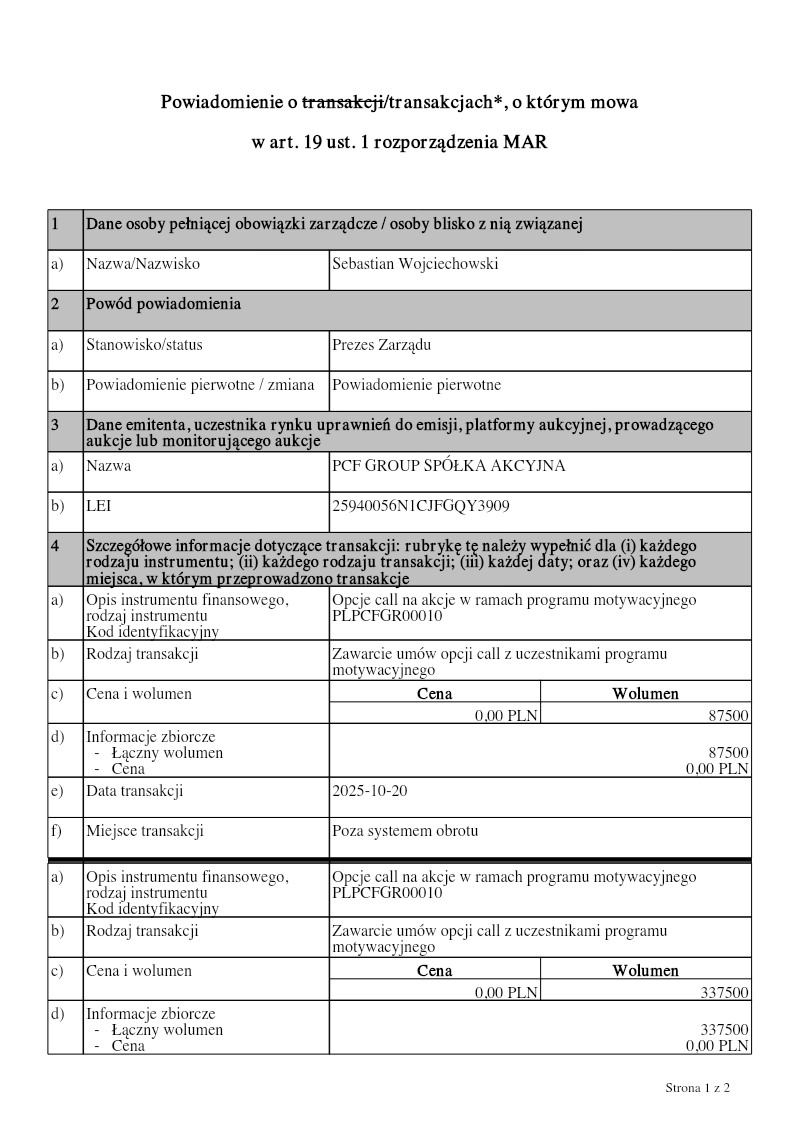
PCF Group · 2025
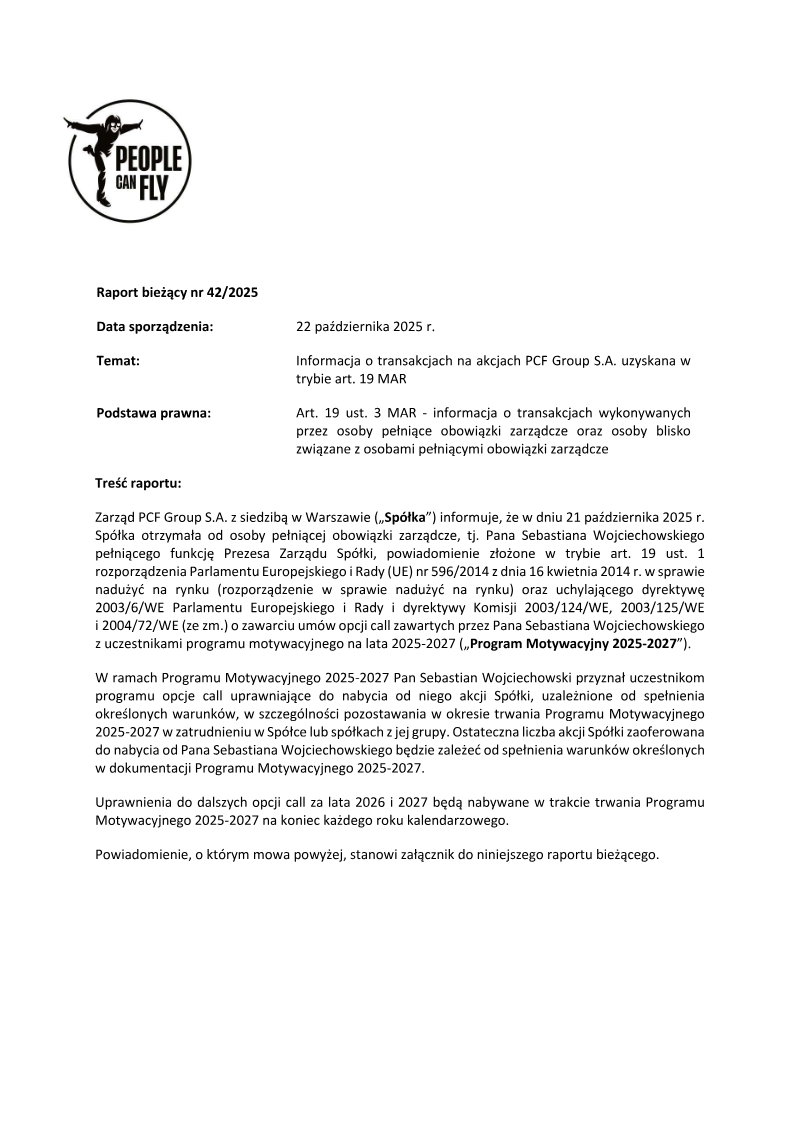
PCF Group · 2025
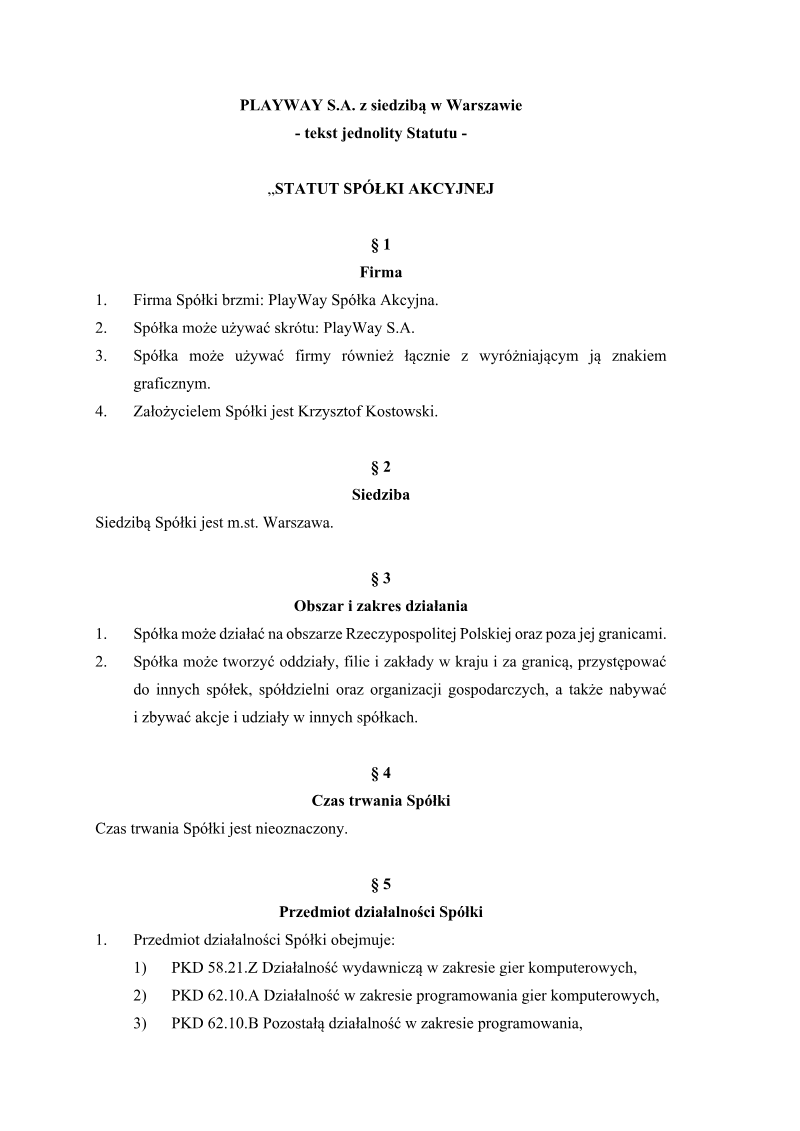
PlayWay · 2026
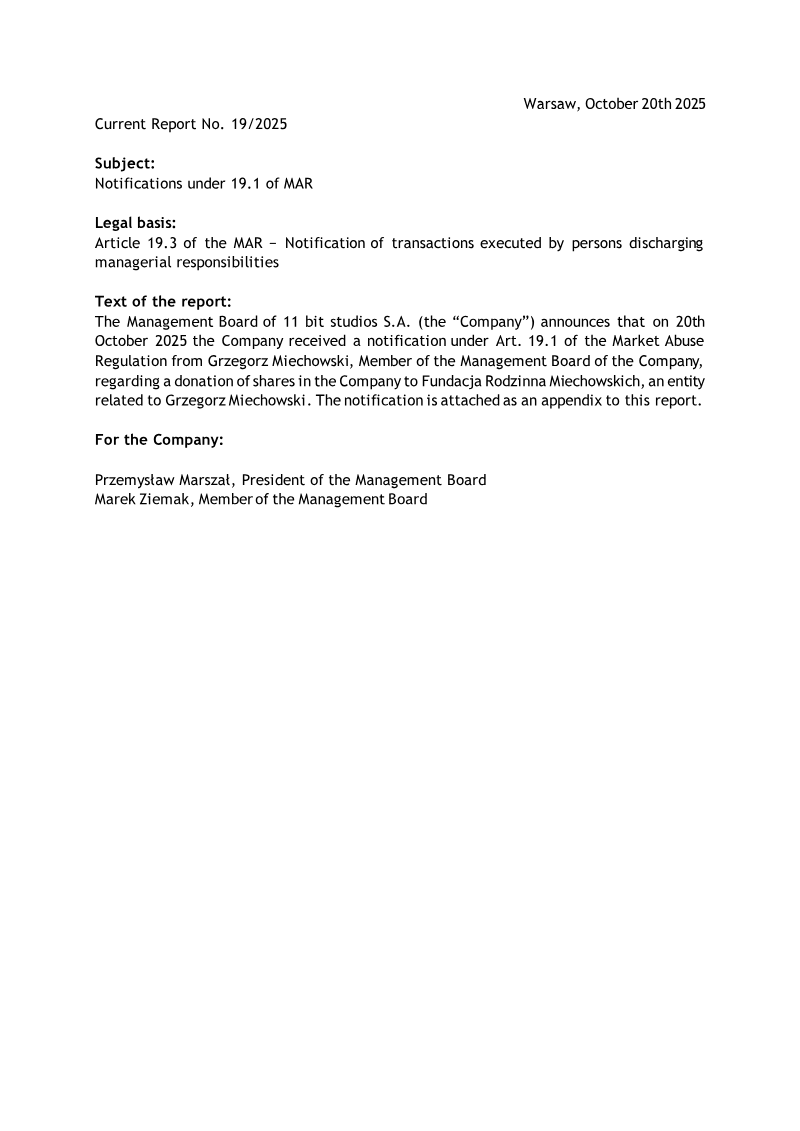
11 bit studios · 2025
PCF Group · 2025
PCF Group · 2025
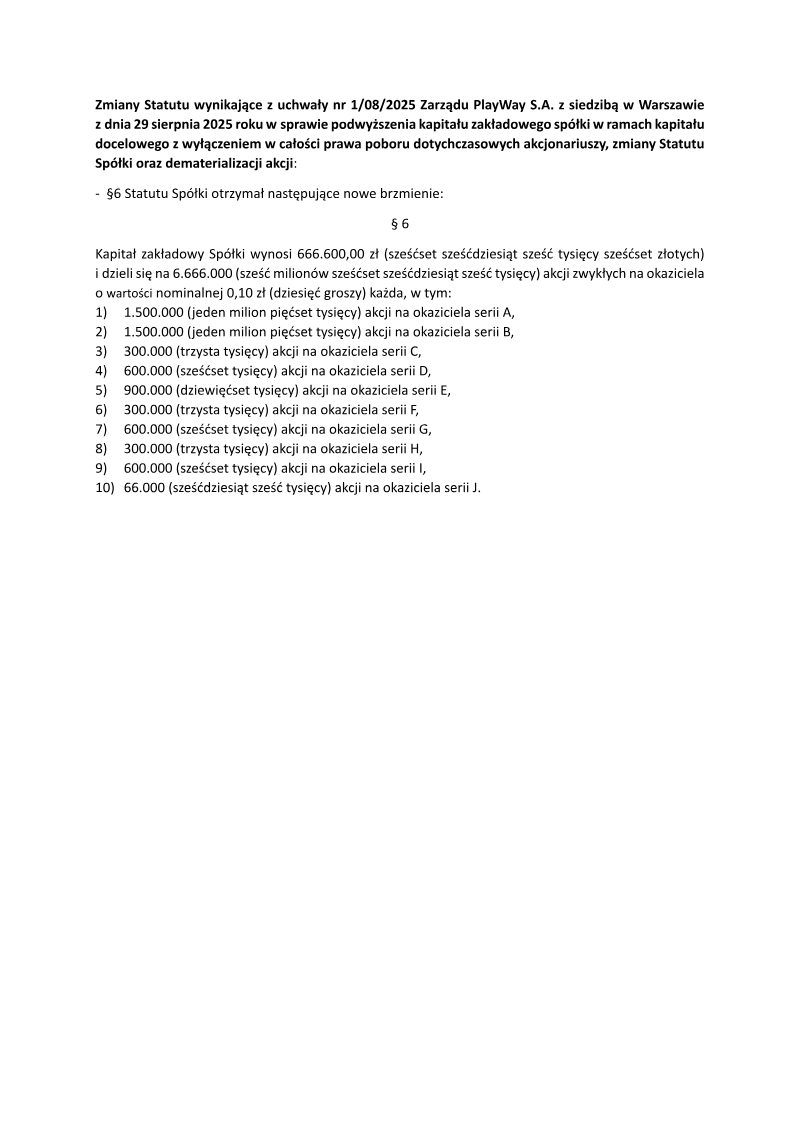
PlayWay · 2025
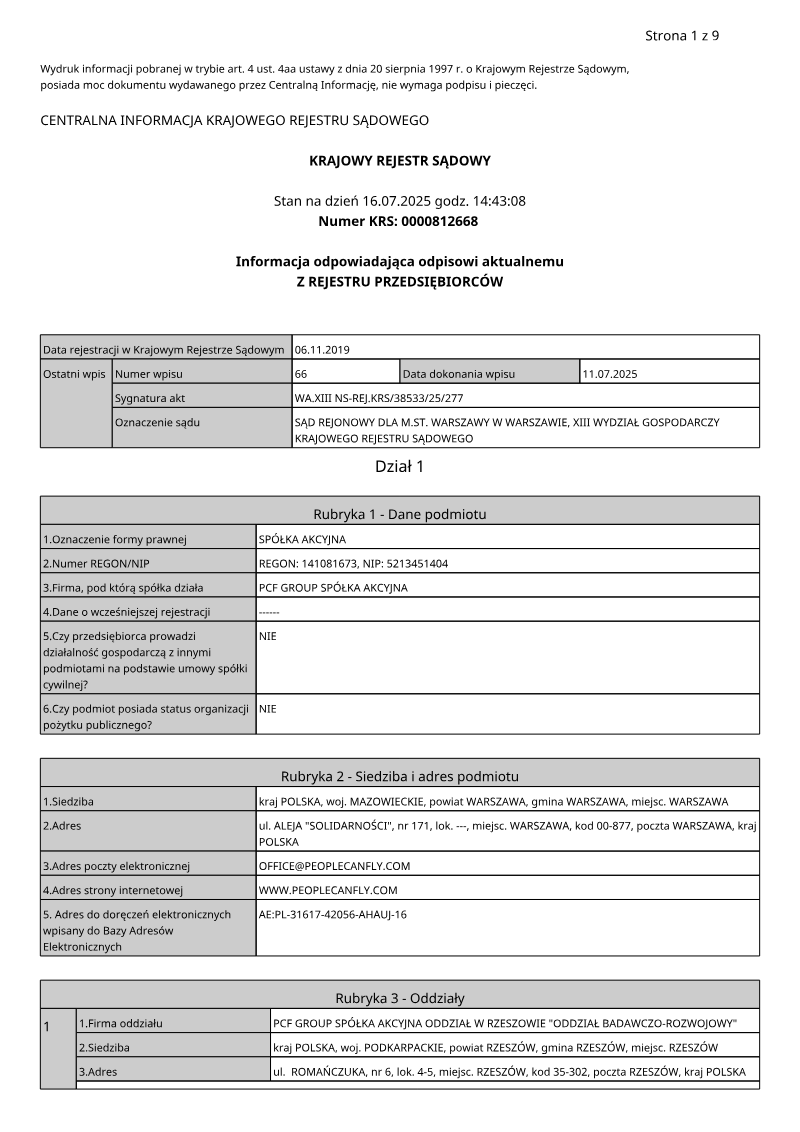
Centralna Informacja Krajowego Rejestru Sądowego · 2025
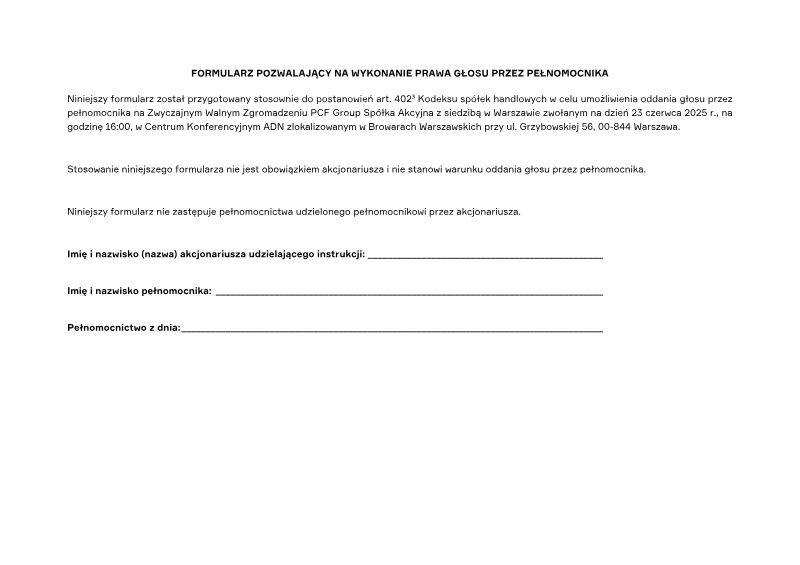
PCF Group · 2025
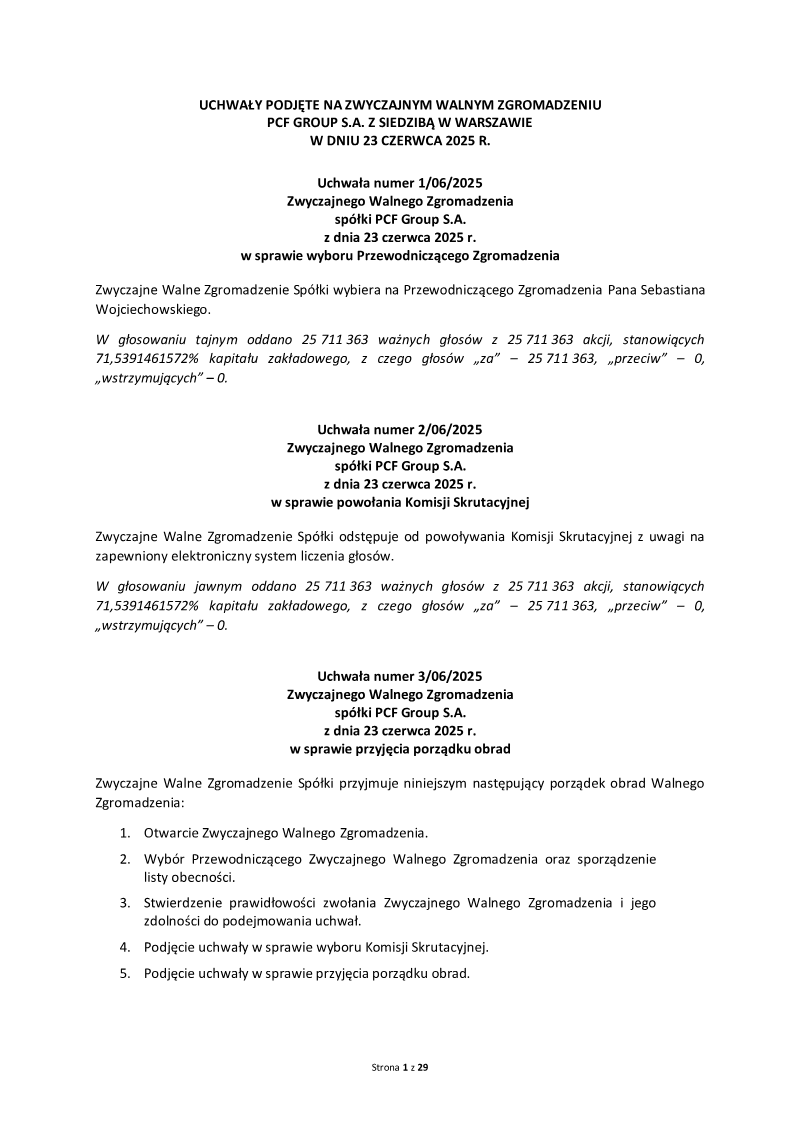
PCF Group · 2025
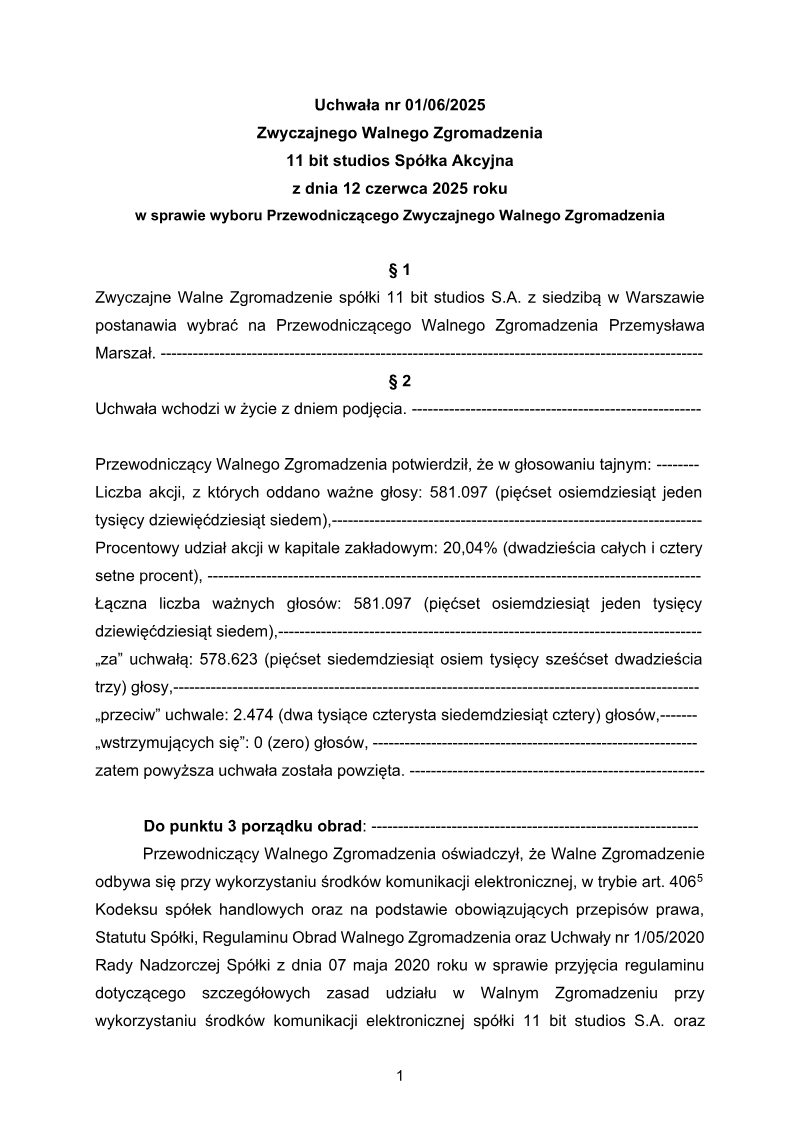
11 bit studios · 2025
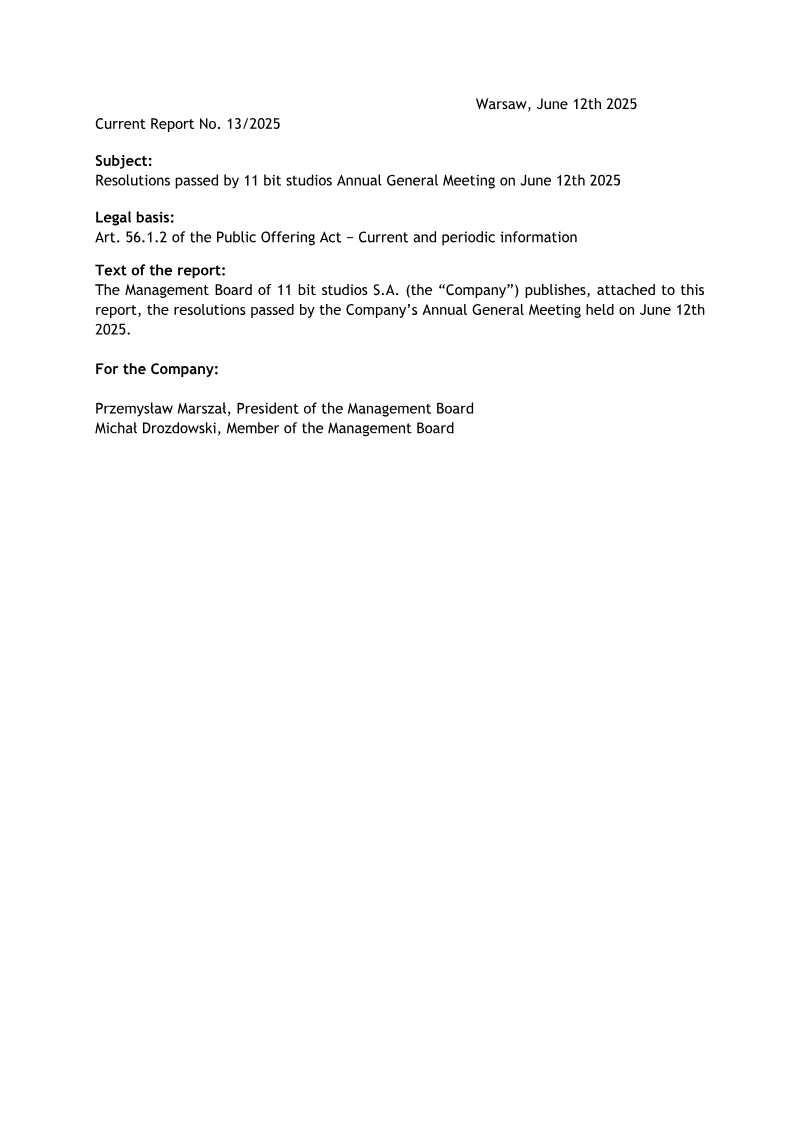
11 bit studios · 2025
PCF Group · 2025
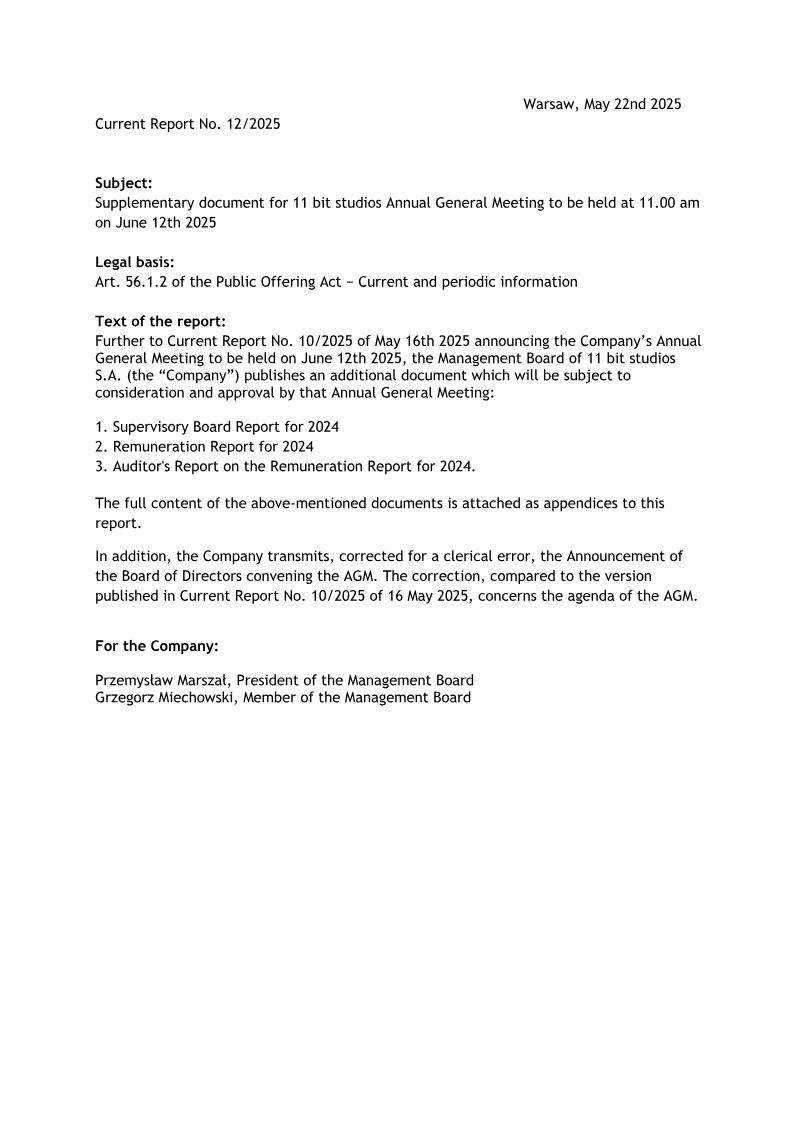
11 bit studios · 2025