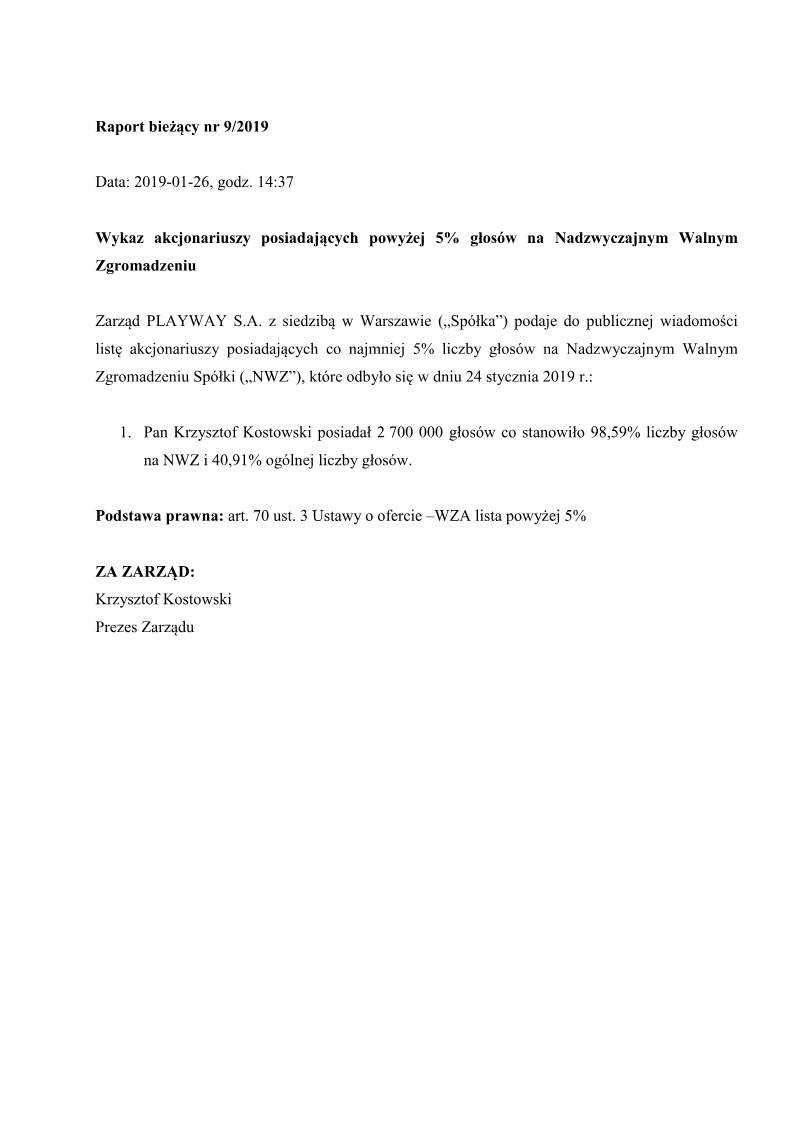
The disclosure details the concentration of voting power during the Extraordinary General Meeting of PlayWay S.A., held on January 24, 2019, in Warsaw. This regulatory filing identifies shareholders who controlled at least 5% of the votes during the session, providing a snapshot of the company’s governance structure and shareholder participation at that specific point in time. The scope is limited to the internal corporate actions of the Polish game developer and publisher, specifically focusing on the exercise of voting rights by major stakeholders.
Krzysztof Kostowski, the President of the Management Board, emerged as the dominant participant in the proceedings. He held 2,700,000 votes, which accounted for 98.59% of the total votes represented at the Extraordinary General Meeting. This figure represents 40.91% of the company’s total overall voting power. The significant disparity between the percentage of votes at the meeting versus the total shares outstanding indicates a low level of participation from other minority shareholders or institutional investors during this specific assembly.
The data confirms a high degree of centralized control within PlayWay S.A., as a single individual maintained nearly absolute authority over the resolutions passed during the January 2019 session. This information was released in accordance with Polish market regulations regarding public offerings and the conditions for introducing financial instruments into organized trading. The report serves as a formal record of shareholder attendance and the distribution of influence within the company’s executive decision-making process.
PlayWay · 2026
PlayWay · 2026
PlayWay · 2026
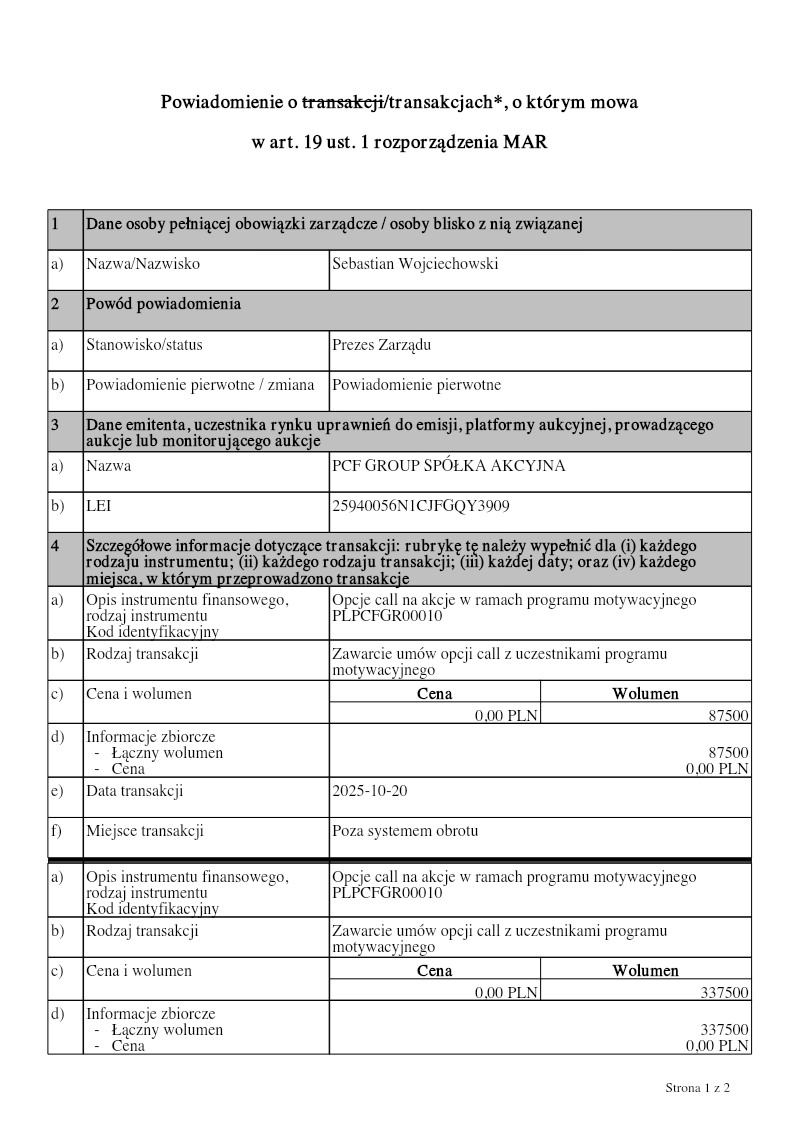
PCF Group · 2025
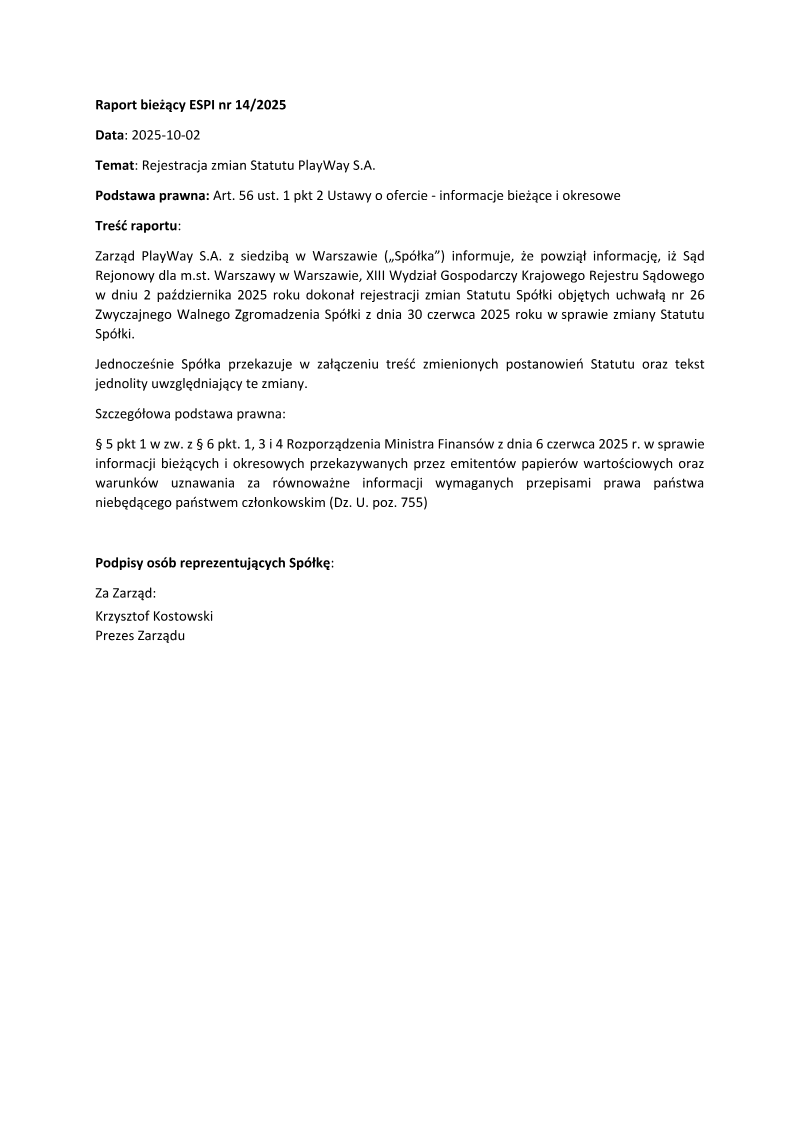
PlayWay · 2025
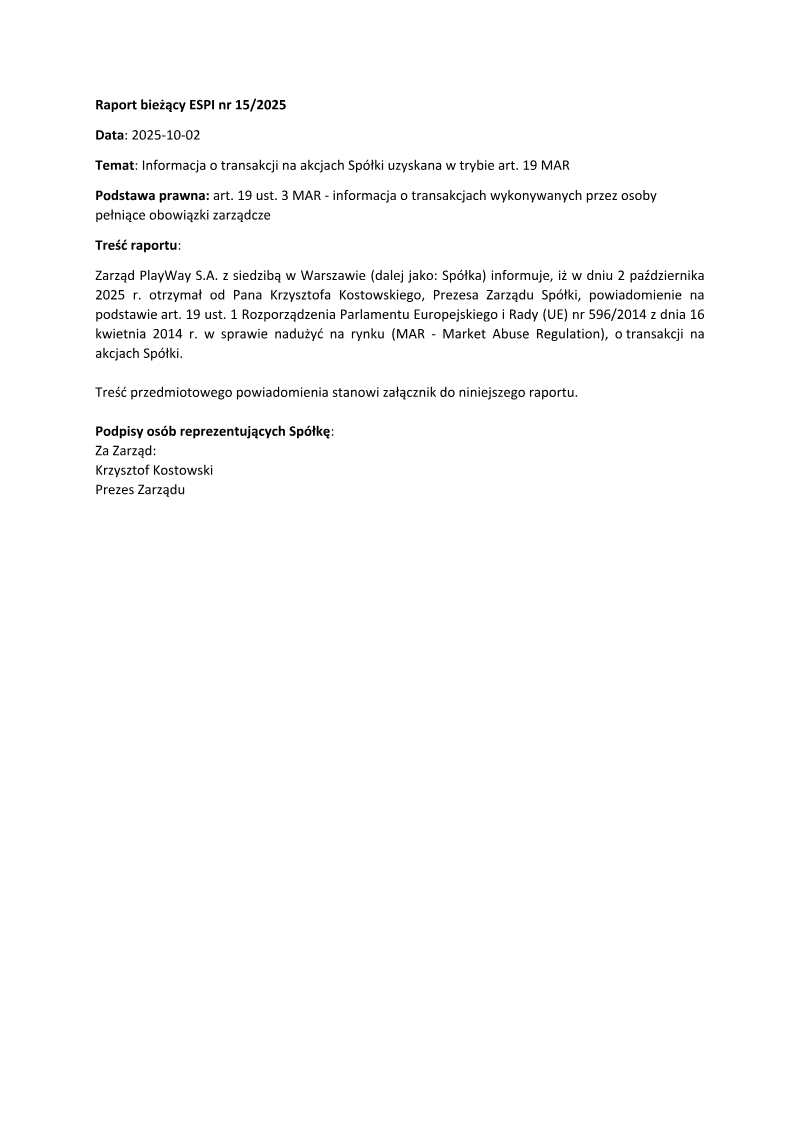
PlayWay · 2025
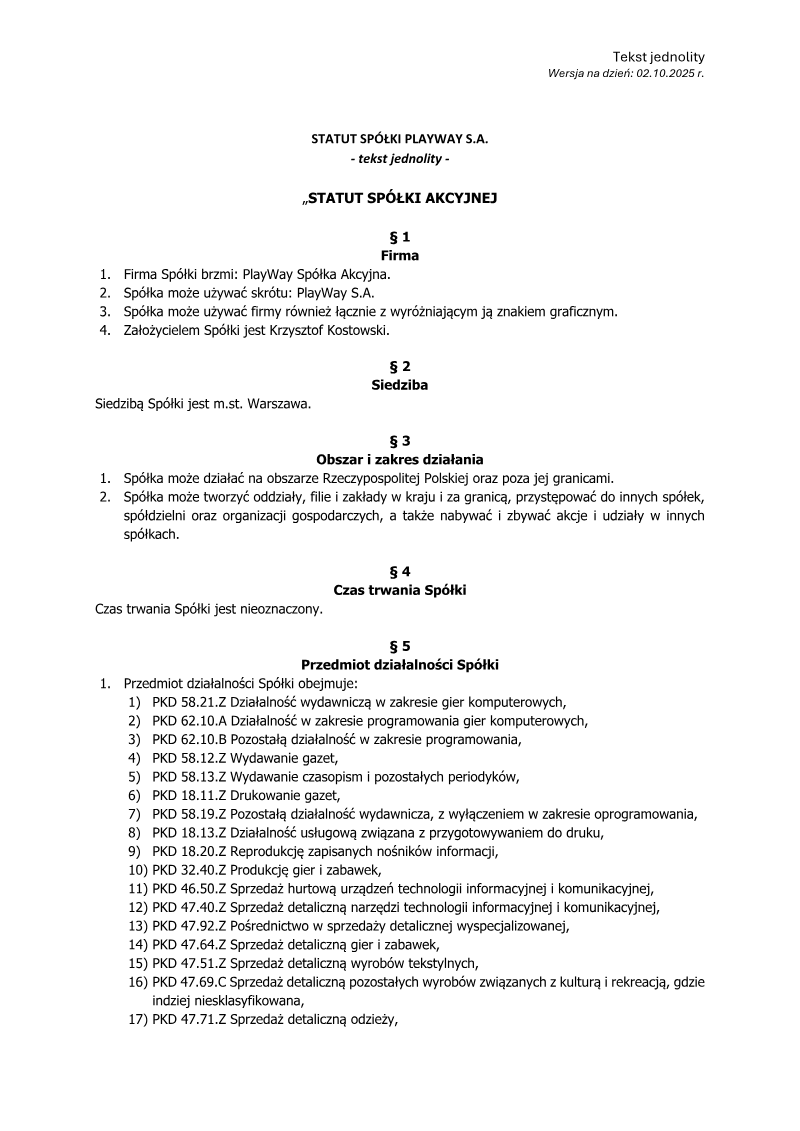
PlayWay · 2025
PlayWay · 2025
PlayWay · 2025
PlayWay · 2025
PlayWay · 2025
PlayWay · 2025
11 bit studios · 2025
11 bit studios · 2025
11 bit studios · 2025
11 bit studios · 2025
11 bit studios · 2025
11 bit studios · 2024
11 bit studios · 2024
11 bit studios · 2024
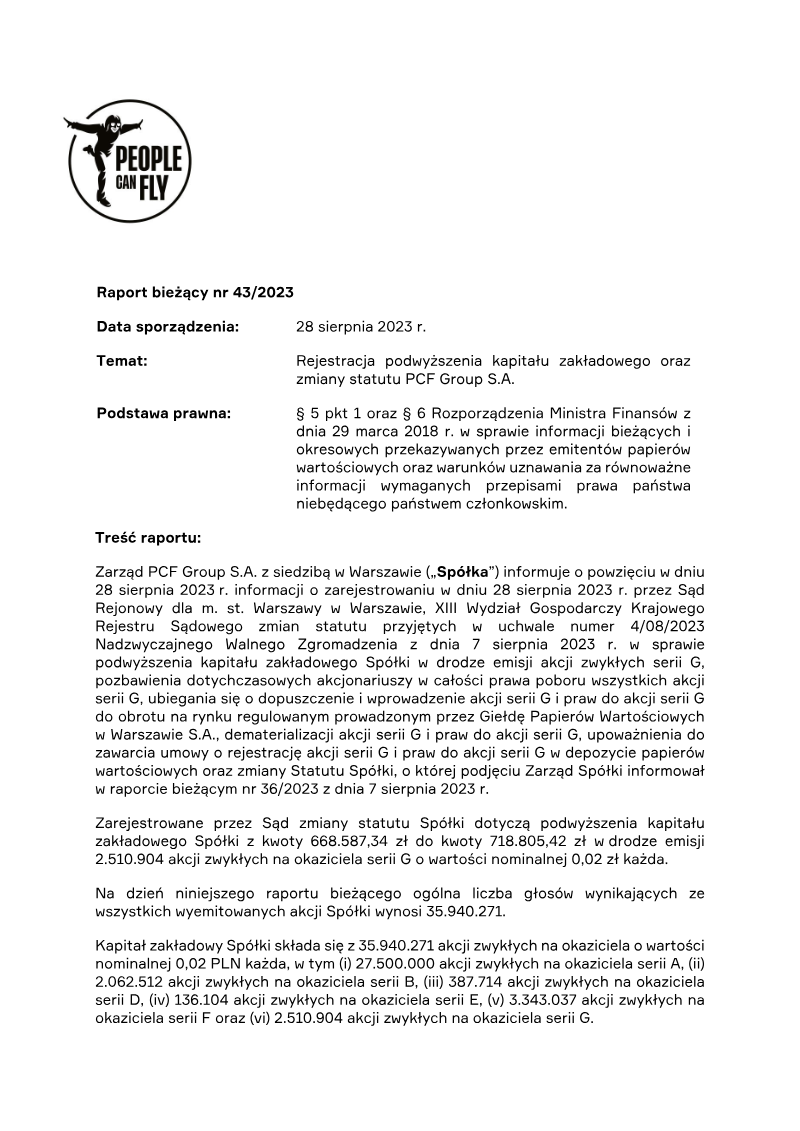
PCF Group · 2023
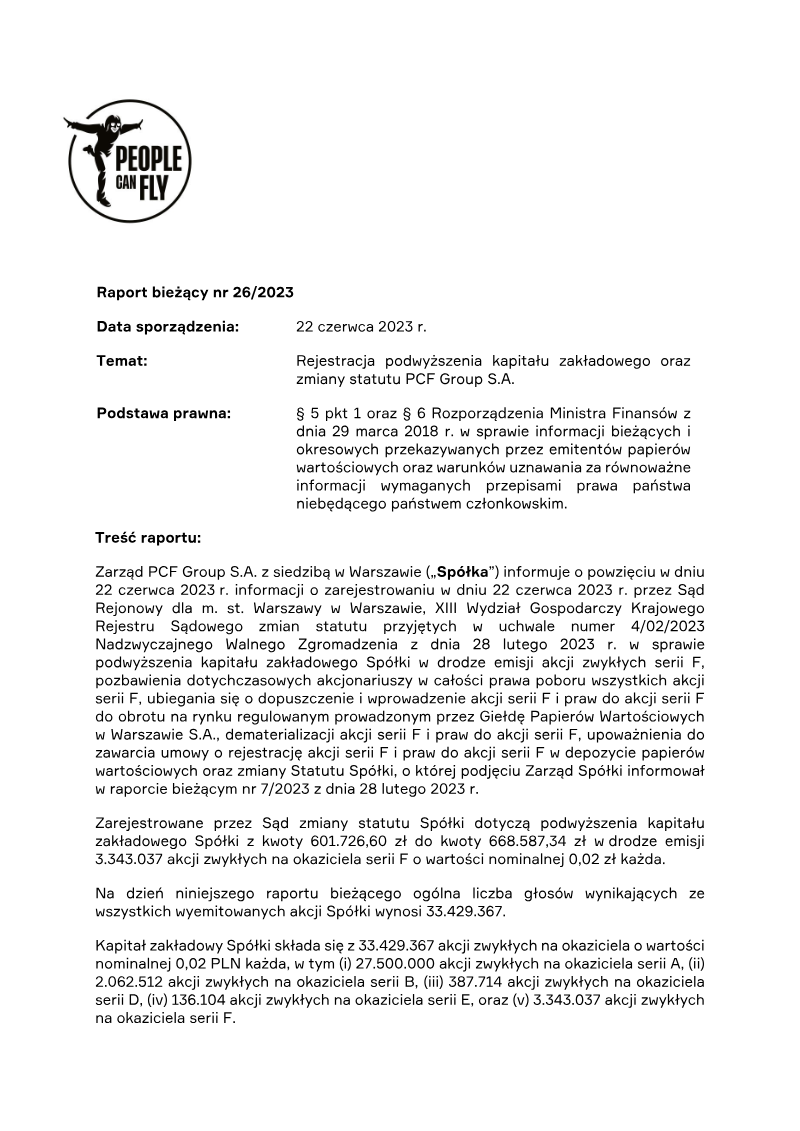
PCF Group · 2023
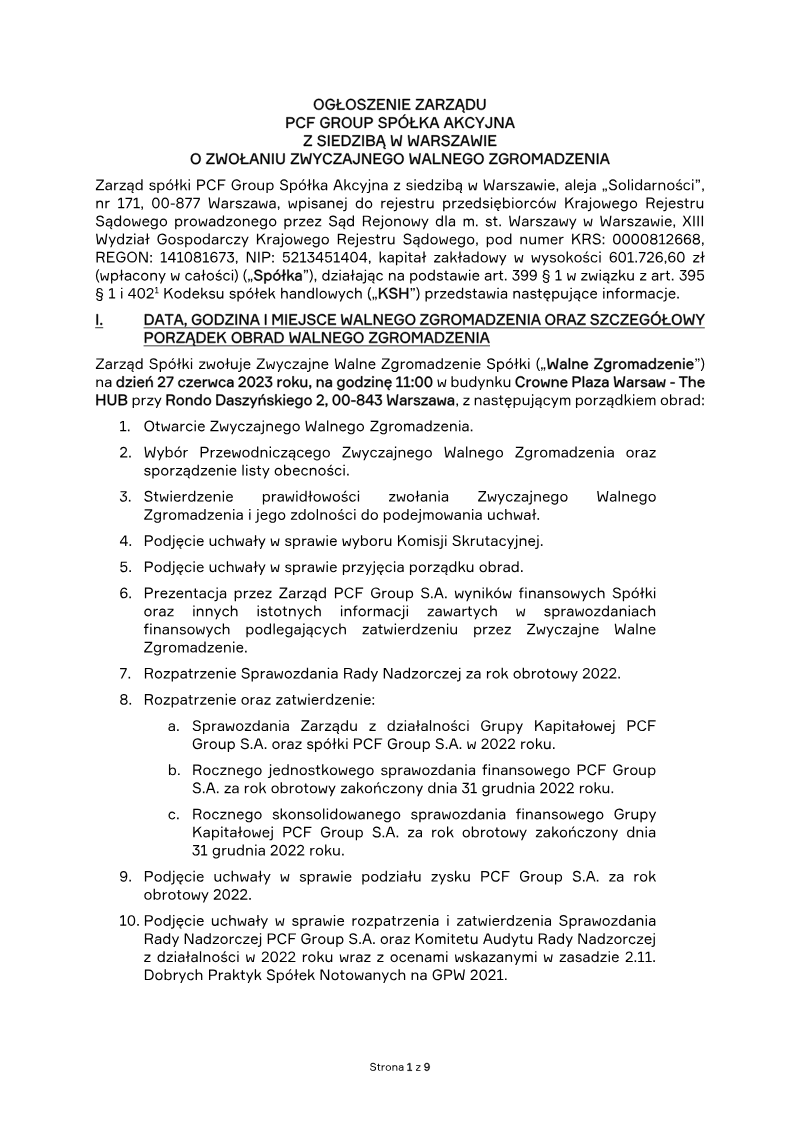
PCF Group · 2023
PCF Group · 2023