
The Gamer Generations Report 2022 examines the evolving relationship between younger consumers and the video game industry, asserting that gaming has become an integral, multi-dimensional pillar of daily life for Gen Alpha and Gen Z. The analysis highlights a shift where gaming serves not just as entertainment, but as a primary venue for socialization, self-expression, and immersion. This trend is positioning these generations as the primary drivers of future virtual worlds and the emerging metaverse.
Data for this study was collected between February and April 2022 via Computer Assisted Web Interviewing, surveying 75,930 respondents across 36 global markets. The scope covers Gen Alpha (ages 10-12) and Gen Z (ages 13-27), comparing their behaviors against the total online population. Key findings indicate that 90% of Gen Alpha and Gen Z are "game enthusiasts" who engage through playing, viewing, or social interaction, compared to 79% of the general population. Furthermore, these groups spend significantly more leisure time on gaming than older cohorts; it is the top entertainment source for Gen Alpha and a top-three source for Gen Z, rivaling social networks and video streaming.
Economic engagement is also high, with 52% of Gen Alpha and 48% of Gen Z spending money on games, primarily on mobile platforms. The top spending motivators include unlocking exclusive content and personalizing in-game experiences through currencies and gear. Socially, 70% of Gen Z expresses interest in using game worlds for non-gaming gatherings, such as concerts or virtual hangouts. The report concludes that as gaming becomes a ubiquitous social platform, brands and developers must adapt to these generations' preferences for multiplayer connectivity, character customization, and diverse content consumption.

Google · 2026
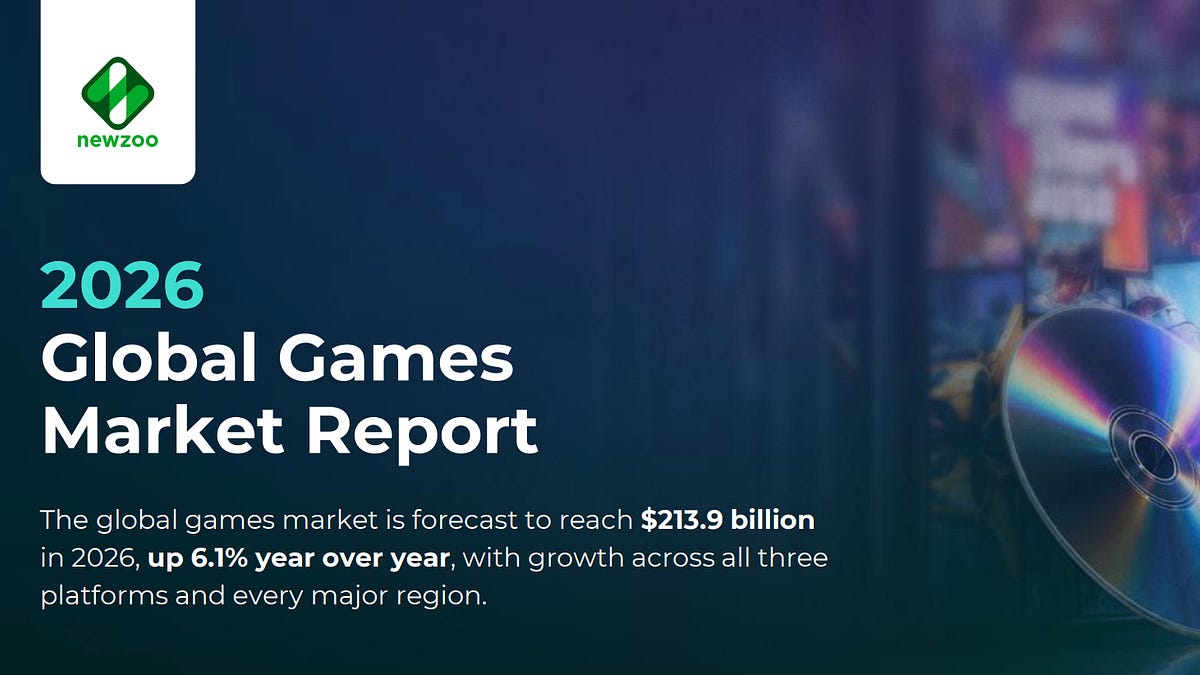
Newzoo · 2026

Newzoo · 2026
Newzoo · 2026

Deconstructor of Fun · 2026
Newzoo · 2026
Newzoo · 2026
Newzoo · 2026
Newzoo · 2026

Newzoo · 2026
Newzoo · 2026
Newzoo · 2025
Anzu · 2026

Sensor Tower · 2025

dentsu · 2022

InvestGame
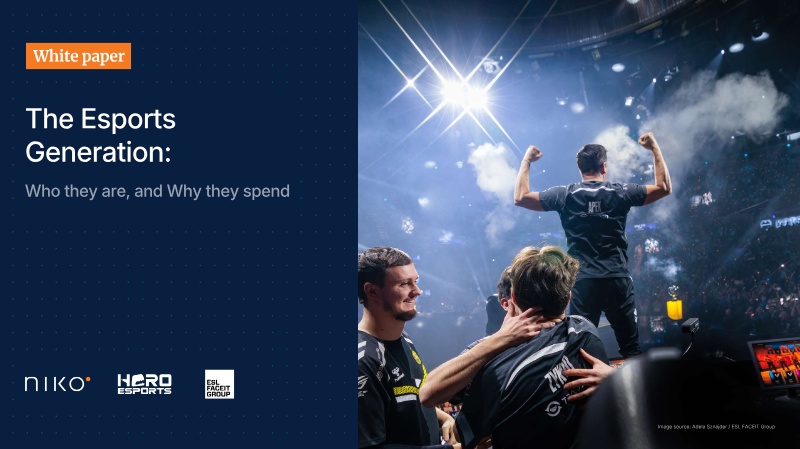
Niko Partners · 2026

Almedia · 2026
Gamesight · 2026
SocialPeta · 2026

SocialPeta · 2026

Raptive · 2026

InvestGame · 2026

InvestGame · 2026