1 free read left. Create a free account for unlimited reading + AI research.
Create free accountArticle Mobilegamer.biz
1 free read left. Create a free account for unlimited reading + AI research.
Create free accountArticleMobilegamer.biz
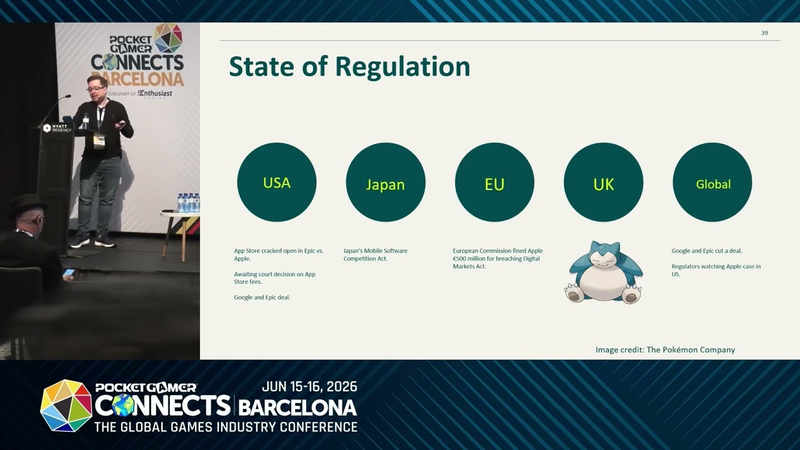
This development was influenced by legal disputes between Epic and Google. The shift has prompted industry-wide scrutiny of current fee structures.
The mobile games industry experienced a period of significant structural and operational shifts in June 2026, characterized by platform policy changes, studio restructuring, and ongoing debates regarding developer support. A central development involves the evolving relationship between major platform holders and game developers, highlighted by Google Play’s decision to permit third-party app stores on Android. This shift, driven by legal pressures, has prompted industry-wide scrutiny of current fee structures and the efficacy of platform-led initiatives like the Level Up program.
Operational stability remains a primary concern for major studios. While King has reportedly avoided the immediate impact of recent workforce reductions associated with the broader Xbox organizational reset, industry observers maintain concerns regarding the studio's long-term security. Simultaneously, the market continues to see the sunsetting of established titles, exemplified by the upcoming October closure of Scopely’s Looney Tunes World of Mayhem, a title that generated over $100 million in revenue from more than 40 million downloads since its 2018 launch.
Criticism regarding platform accountability has intensified, with leadership at Ustwo Games asserting that platform holders are failing to meet their obligations regarding game discoverability. Despite the 30% commission rates charged by major storefronts, developers argue that these entities are not providing sufficient support to help titles reach target audiences. These developments, alongside ongoing performance data for major franchises and shifting employment trends across prominent studios like Supercell and Sega-Rovio, underscore a volatile period for the global mobile gaming sector as it navigates increased regulatory oversight and changing market dynamics.
Mobilegamer.biz · 2026

Mobilegamer.biz · 2026

Mobilegamer.biz · 2026

Mobilegamer.biz · 2026

Mobilegamer.biz · 2026

Mobilegamer.biz · 2026

Mobilegamer.biz · 2026

Mobilegamer.biz · 2026

Mobilegamer.biz · 2026

Mobilegamer.biz · 2026
Mobilegamer.biz · 2026
Mobilegamer.biz · 2026
PocketGamer.biz · 2026