1 free read left. Create a free account for unlimited reading + AI research.
Create free accountHow to Make Game Art When You CAN'T!
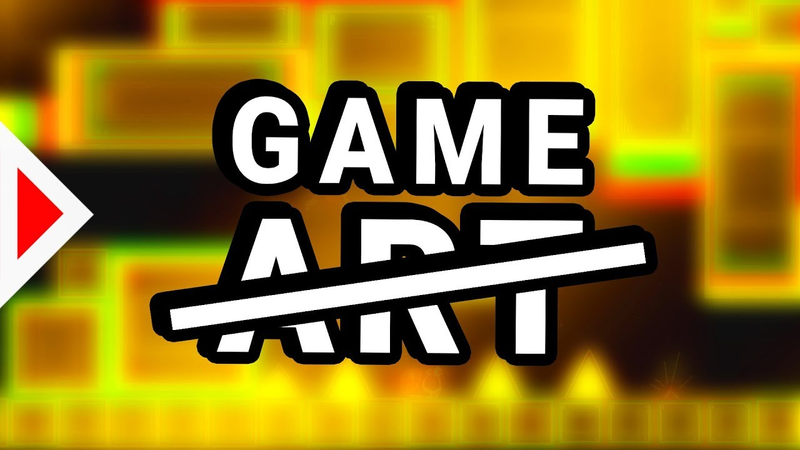
Key insights
6 takeaways- 01Non-artists should replace traditional design-from-scratch workflows with high-volume, iterative experimentation to achieve professional-looking game art.
- 02Developers should perform art experiments directly within the game engine rather than relying on static mock-ups in external software.
- 03Use scripts to procedurally generate variations in color palettes, object placement, and sprite outlines to ensure visual styles are technically feasible within the game architecture.
- 04Mitigate personal bias by using objective, side-by-side comparisons of multiple visual versions to guide decision-making.
- 05Supplement internal development with external feedback from peers or community members to validate the effectiveness of the chosen aesthetic.
- 06Define clear goals for the art style based on the specific emotions or player associations you intend to evoke before beginning iterations.
Ask AI about this video
Transcript
if you're making again chances are you're actually not an artist which is completely fine not everybody needs to be an artist but at some point you will need some graphics some sprites for your game and you will wonder where do I get them how do you make art for your game when you suck as an artist well and now guess why I've been thinking about this question now let's take a step back okay because I designed this to look crappy this is a game I'm working on at the moment will you snail it's a rage game and I wanted to have a pretty crappy look not exactly this kind of trap you okay so here's problem number one you need to figure out what you want for example I want it to look crappy but not this kind of crappy what does that mean if you want to design something you need to know what your goals are which feelings do you want to evoke which associations what's your game arts supposed to communicate to the player I think I mistake a lot of art newbs myself included makers we don't think enough about those kinds of questions
guess I'm doing this way too late but what do I actually want to get out of the art sell for will you snail in this case I just want this game to go as viral as possible though what I care most about is it needs to send out it needs to look crazy it needs to be memorable and it needs to look super interesting on screenshots so people who get interested and click on it on top of that it would be really cool if it would help me to communicate the main selling point of this game which is the artificial intelligence that tries to predict your movement and tries to destroy you now step number two is trying to figure out how you get what you want this step however only makes sense when you know exactly what you want now it's also the time to think about the question do you actually want to create the graphics for your video game yourself do you want to hire an artist do you want to download sprites and graphics from the asset store the problem is obviously hiring an actress is super expensive and exclusively using sounds and sprites and 3d models from the internet is kind of unoriginal that's why I want to make the graphics
for my game myself and that's what this video is all about [Music] so now that we're fully prepared let's ask the question one more time how do you create the graphics for your game when you suck as an artist when you are just really bad at drawing and when you're just really bad with colors now please correct me if you think I'm wrong or if you have her a different idea but I think the best way to handle that sort of situation is just to experiment and to experiment as efficiently as possible there's one thing you simply can not do when you're not a professional artist and that is coming up with the perfect art set from scratch just like that first tribe that simply doesn't work but there's one thing you can do however and that is looking at two different experiments and telling which one of them brings you closer to your design goals when you just have two screenshots side by side you will be able to tell which one of them you like better right just imagine you repeat this process hundreds of times of course your results gonna get better you probably agree but
you probably also think I don't have that much time so the new question we need to worry about is how do we make experimenting as efficient as possible because the more experiments we can make the higher the chance of finding something that actually works now what's the fastest way to run a lot of experiments for your game art the workflow that's best for you depends entirely on which kind of game you're making maybe the fastest way is to do a mock-up and Photoshop if you make a 3d game create a mock-up and blender whatever is the fastest way it's the best way and the one you should use here's a little trick I used for will you snail and if you have the chance to do so I highly recommend you try this as well first of all I run most of my experiments directly in engine because of what help is a mock-up if you can't reproduce the same style in game running your art experiments directly in game in engine make sure the style is actually
something you can technically do secondly if you're not an artist chances are you're at the very least familiar with programming and let me tell you programming can be very useful if you're looking for efficiency for example for will you snail I simply wrote a little script that randomly chooses the colors of the walls of the snail of the background of the outlines and then another little script that just places a couple of objects randomly in the background which generates these somewhat random backgrounds you can see here all I need to do now is wait for a color scheme and a background I like and go with that here you can see a color scheme that really stood out to me and that I wanted to run further design experiments on it certainly not super pleasant to look at but it fits to my design goals relatively well so I just took a screen shot opened it in Photoshop but you can also use or paint then just copy the colors over to your game a voila now you can keep experimenting with that what I wanted to try next is different outlines for the walls so I've traded like seven or nine different outlines for them and wrote a
script that randomly switches between them with different animation speeds and all that sort of stuff which once again just helps me to experiment faster and then obviously after a while I found our outline that I liked now I just keep experimenting with that one because I still need to decide on a background on some patterns in the foreground maybe there's still a lot of other design decisions but I think I'm slowly getting forward with this method and yes you might never quite reach the speed of a professional artist but at the very least you can get somewhere with this or can you because what if you're not sure which one of your experiments were works best what if all of them look stupid and what if you took the wrong position what if you spent a ton of time on one style and then figure out the one you had earlier was already way way better and you wasted a bunch of time all of that can happen and the only thing you can do about it is get feedback from others judging your own works objectively is really hard so try to find some people who know what they're talking about and ask for their opinion especially if you can show
people different experiments different versions of your style they will probably be able to give you very good and clear feedback maybe you remember how I created the art styles for over Sonova I basically did a little experiment where I created four art styles in four days which also was an awesome workflow I can highly recommend you try this because four days is not a huge time commitment for something that gives you that much value I mean or you can obviously check those videos out if you're interested how I created those styles but the main point I'm trying to get at here is I believe in experimentation make experimentation as quick and as efficient as possible then run 100 experiments compare them ask others for feedback ask others for their opinion by the way I'm also pretty curious which one of the we'll use nail Styles you liked best is this a good direction for reaching my design goals or should I go back to this also how do you go about creating the art for your game this is Jonas and I document the entire journey to becoming a game developer if you liked this video hit the subscribe button you know or the
like button whatever it's appreciated and I'm gonna see you in the next one
Summary
For independent game developers lacking formal artistic training, the challenge of creating high-quality, cohesive game art is a significant hurdle. The primary thesis is that non-artists can achieve professional-looking results by shifting from a traditional "design-from-scratch" approach to a high-volume, iterative experimentation workflow. By prioritizing efficiency and leveraging programming skills, developers can generate and evaluate numerous visual variations to arrive at a polished aesthetic that aligns with their specific design goals.
The core methodology centers on running art experiments directly within the game engine. Rather than relying solely on static mock-ups in external software, developers are encouraged to write scripts that procedurally generate variations in color palettes, object placement, and sprite outlines. This approach ensures that the chosen art style is technically feasible within the game’s architecture. By rapidly cycling through these automated iterations, developers can identify successful visual elements, capture them, and refine them further.
Success in this process requires clear goal-setting—defining the specific emotions or player associations the art should evoke—and objective evaluation. Because self-assessment is inherently biased, the process must be supplemented by external feedback from peers or community members. Comparing multiple side-by-side versions allows for clearer decision-making and prevents the wasted effort of pursuing ineffective styles. Ultimately, while non-artists may not match the speed of professionals, this systematic, data-driven approach to visual design allows developers to iterate toward a memorable and effective aesthetic that enhances the overall player experience.