Loading the document
1 free read left. Create a free account for unlimited reading + AI research.
Create free accountWhitepaper University of Southern California
1 free read left. Create a free account for unlimited reading + AI research.
Create free accountWhitepaperUniversity of Southern California
Updates designed to balance the game frequently widen the performance gap between high-skill and low-skill players.
Software patches in the Multiplayer Online Battle Arena genre exert complex, heterogeneous influences on competitive outcomes that frequently diverge from developer intentions. While updates are designed to maintain equilibrium, they often inadvertently exacerbate existing performance disparities between high-skill and low-skill participants. These adjustments trigger ripple effects throughout the game ecosystem, where modifications to a single champion alter the viability and performance of others, even those left untouched by the patch. Consequently, the impact of any given update is moderated significantly by the specific composition of teams and the underlying skill tiers of the players involved.
The ability of a player to adapt to these shifting game dynamics is heavily influenced by their engagement patterns. Data indicates that the duration of intervals between matches serves as a critical predictor of post-patch performance, with players who take longer breaks demonstrating a superior capacity to adjust to new meta-conditions. This suggests that the cognitive load required to process systemic changes is better managed when players are not engaged in continuous, repetitive play, allowing for a more effective recalibration of strategy.
This analysis, focused on the competitive landscape of League of Legends, highlights the limitations of uniform balancing strategies in high-complexity digital environments. By employing causal inference and causal tree modeling, the findings illustrate that game balance is not merely a function of numerical adjustments but a multifaceted interaction between software design and human behavior. Ultimately, the research underscores that developers must account for the non-linear ways in which players of varying skill levels internalize and respond to frequent software iterations to achieve true competitive parity.
Each row is a game or company this document names, each column a document, oldest first. A mark means that document names it. Select a row to see those documents.
Association for Computing Machinery · 2023
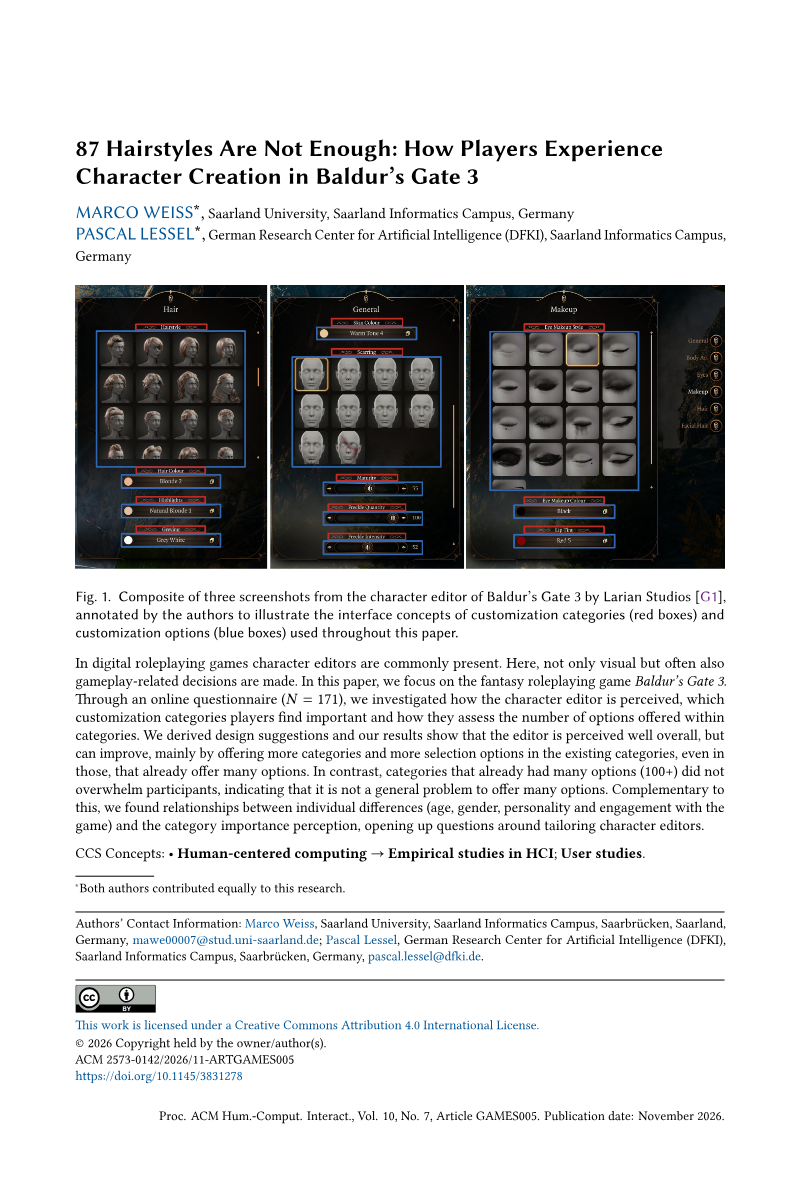
Saarland University · 2026
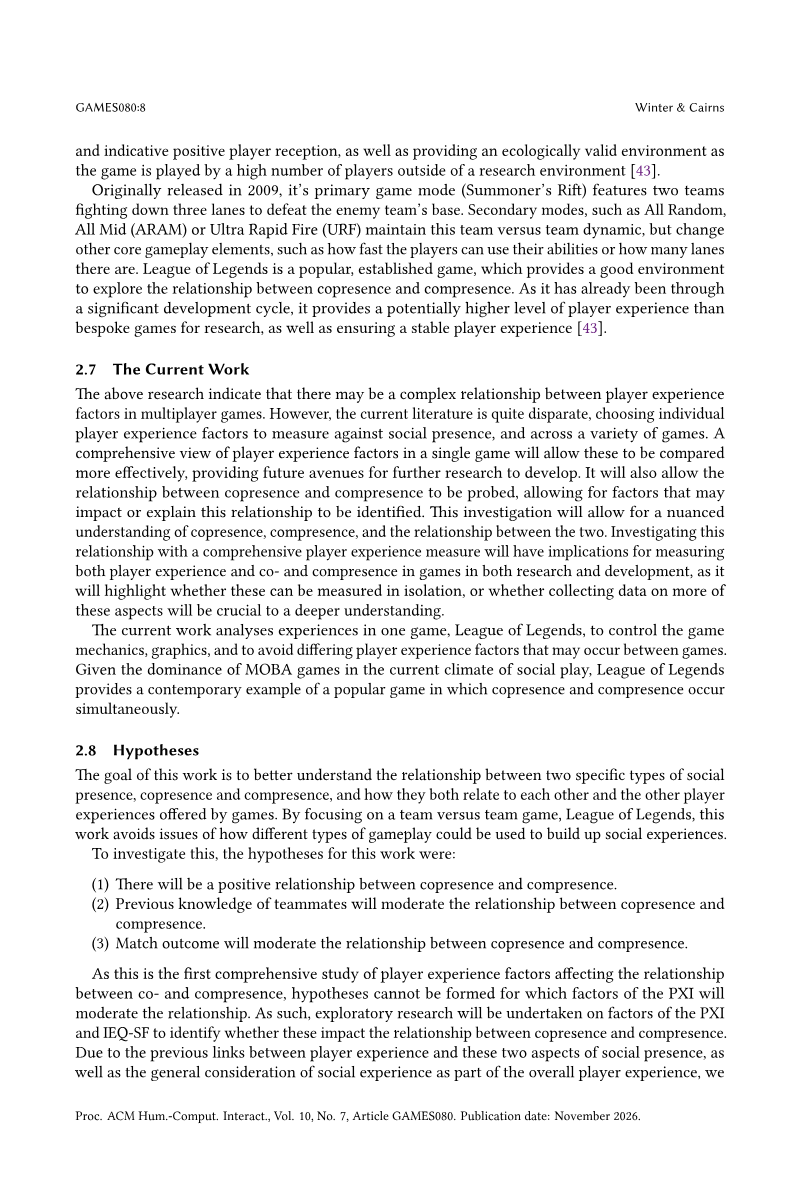
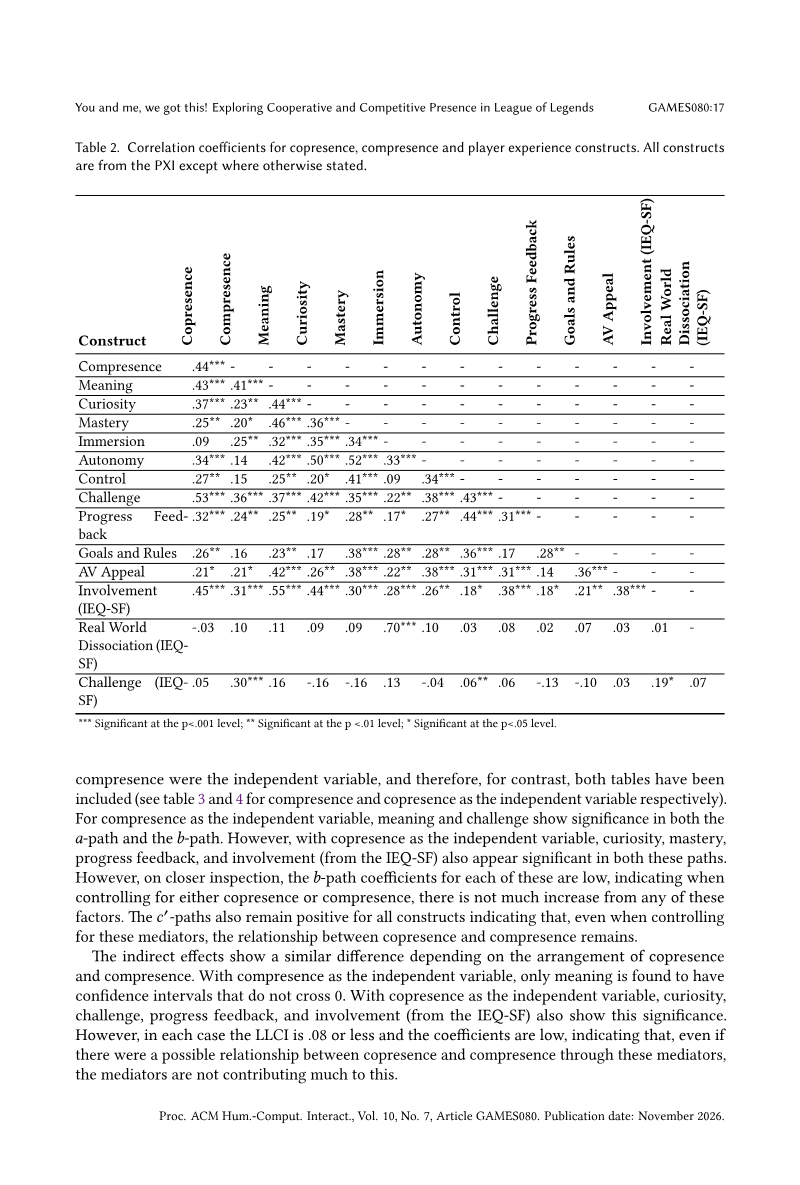
University of York · 2026
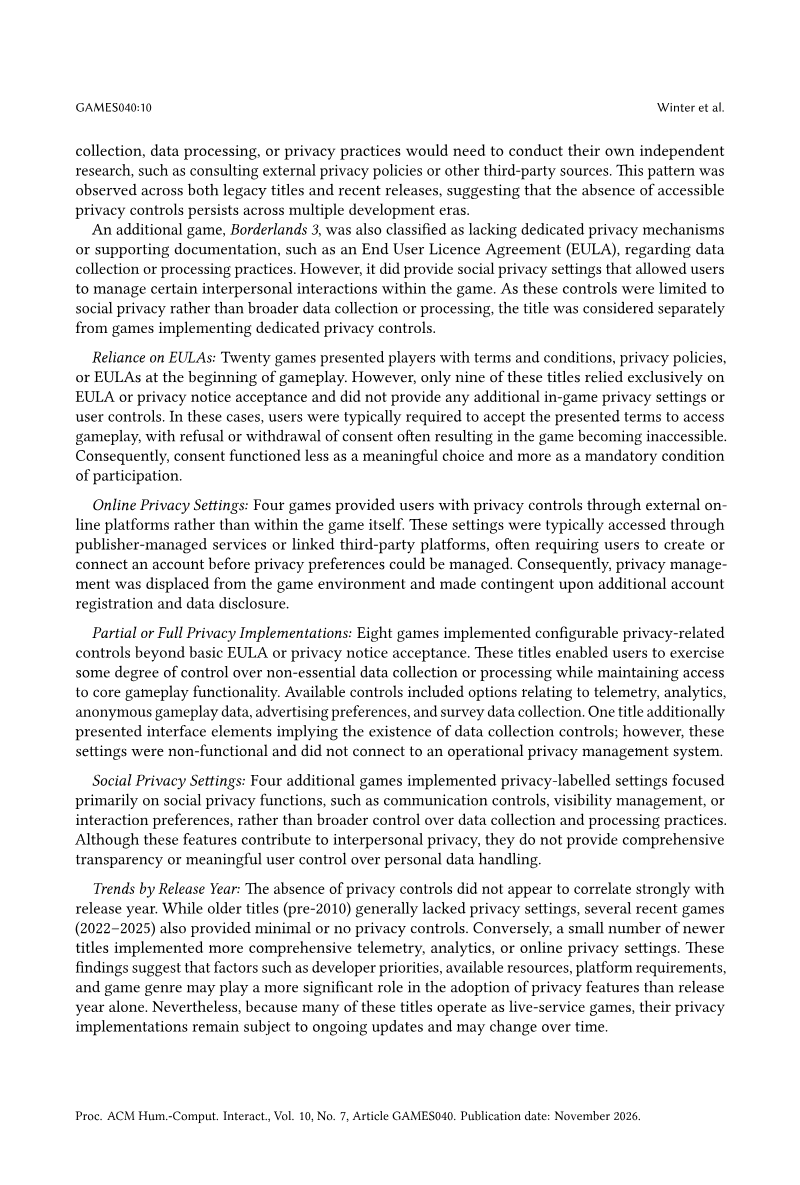
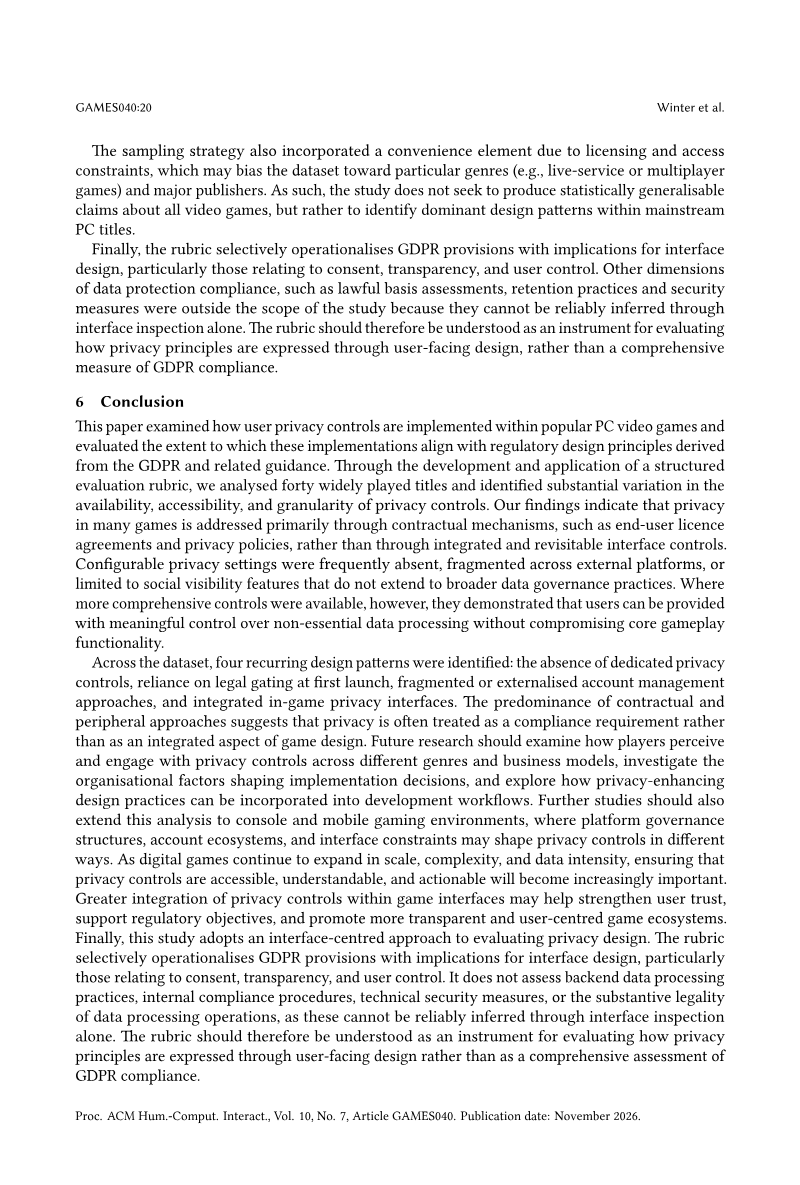
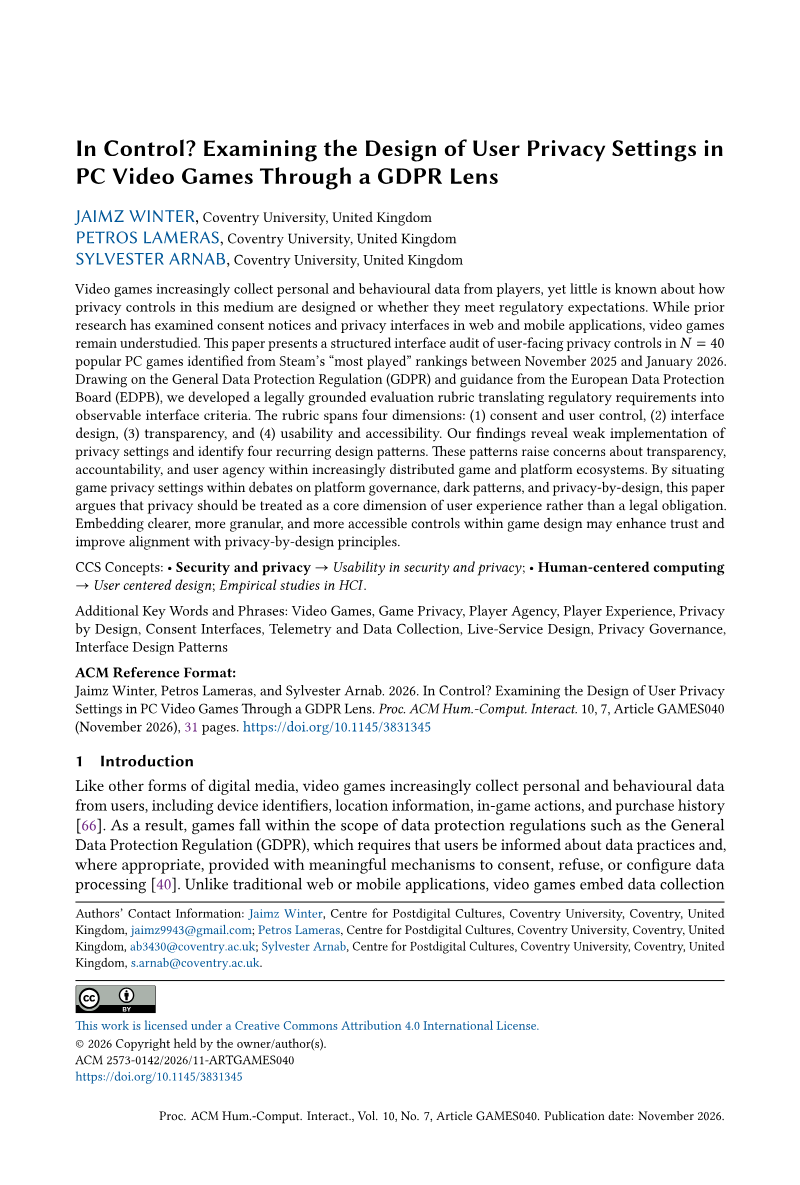
Coventry University · 2026
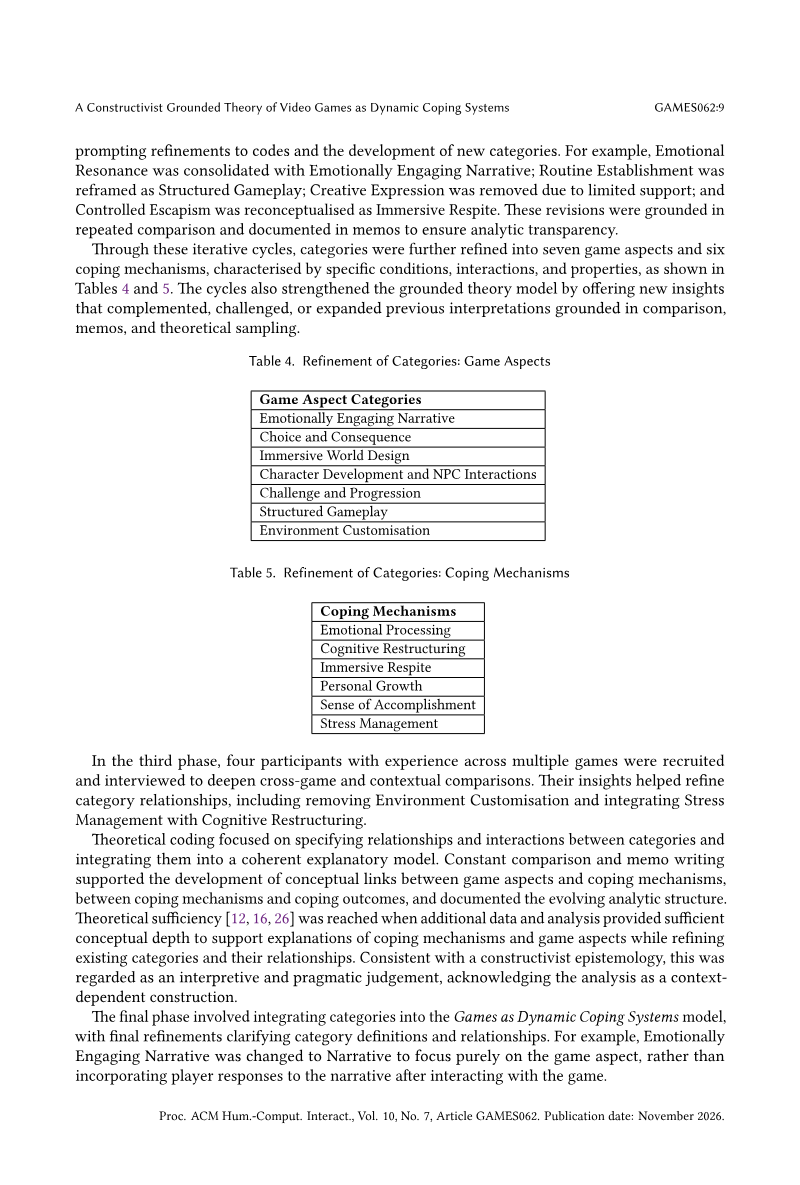
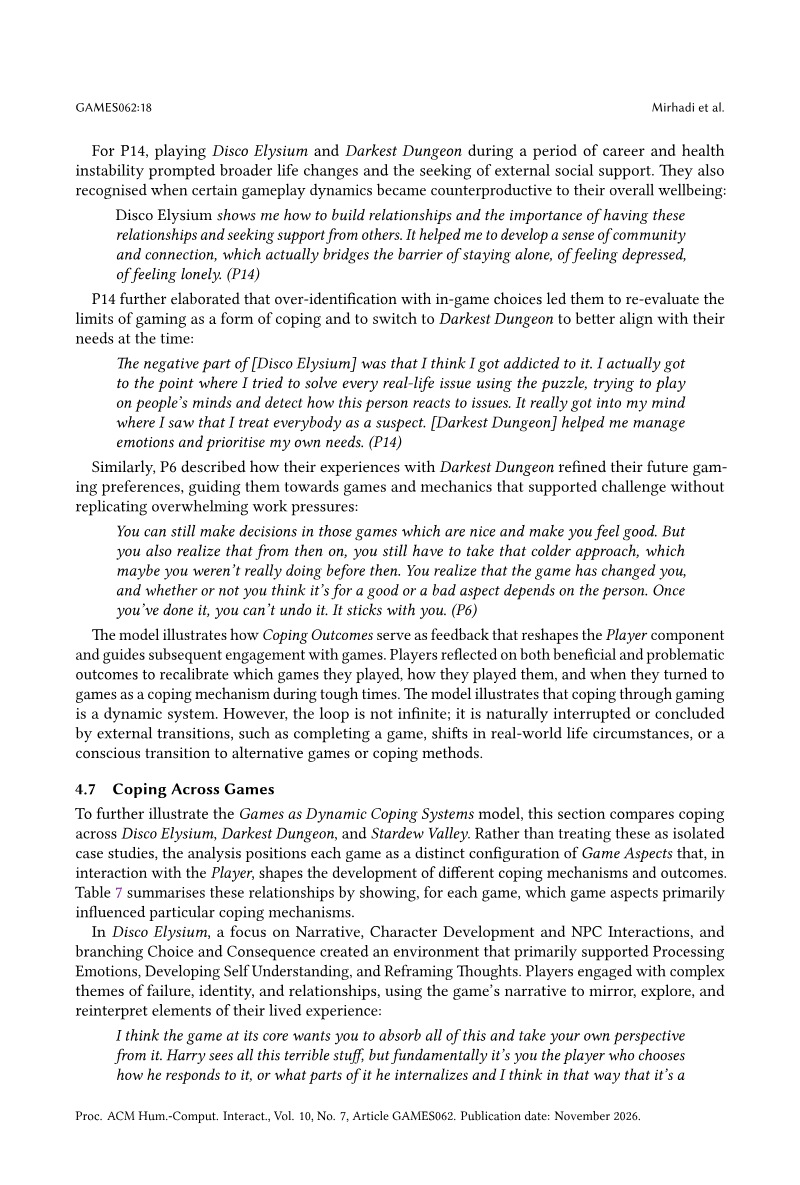
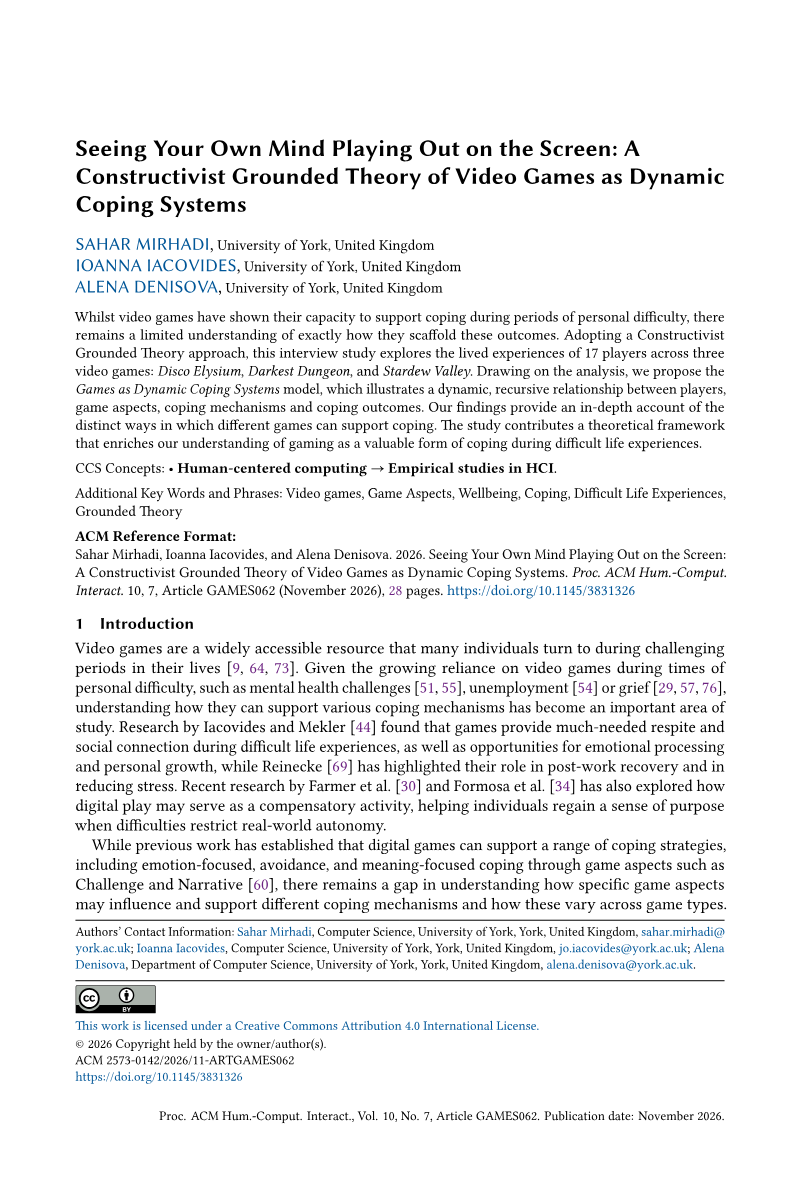
University of York · 2026
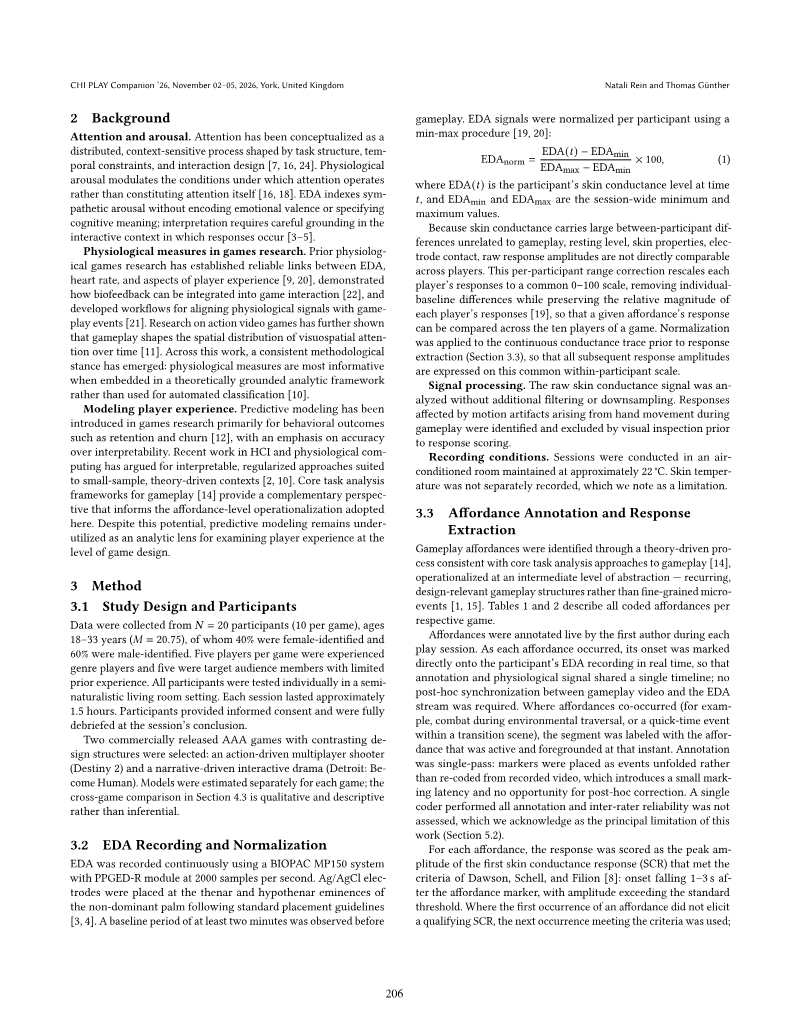
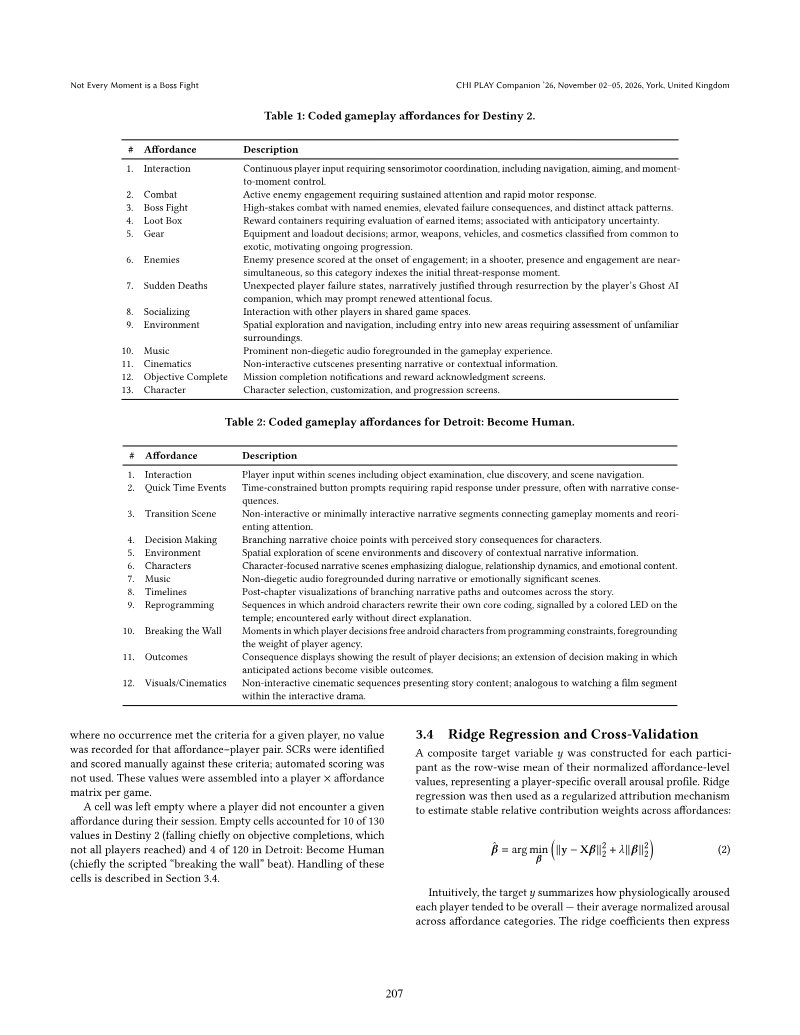
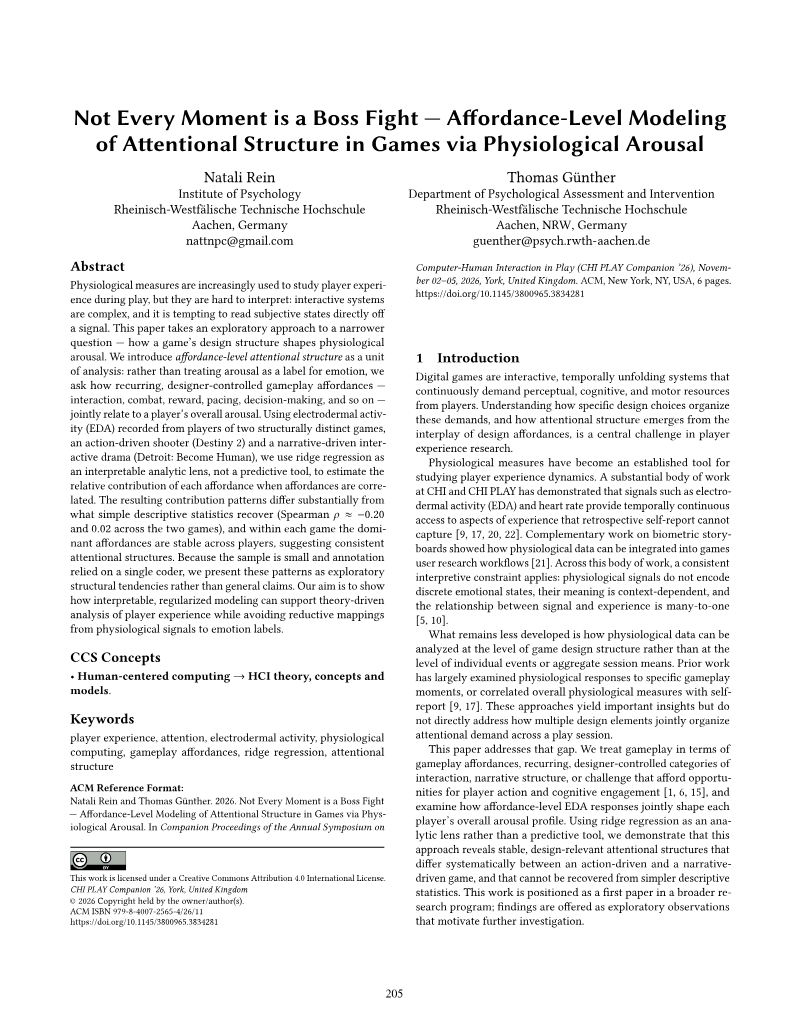
RWTH Aachen University · 2026
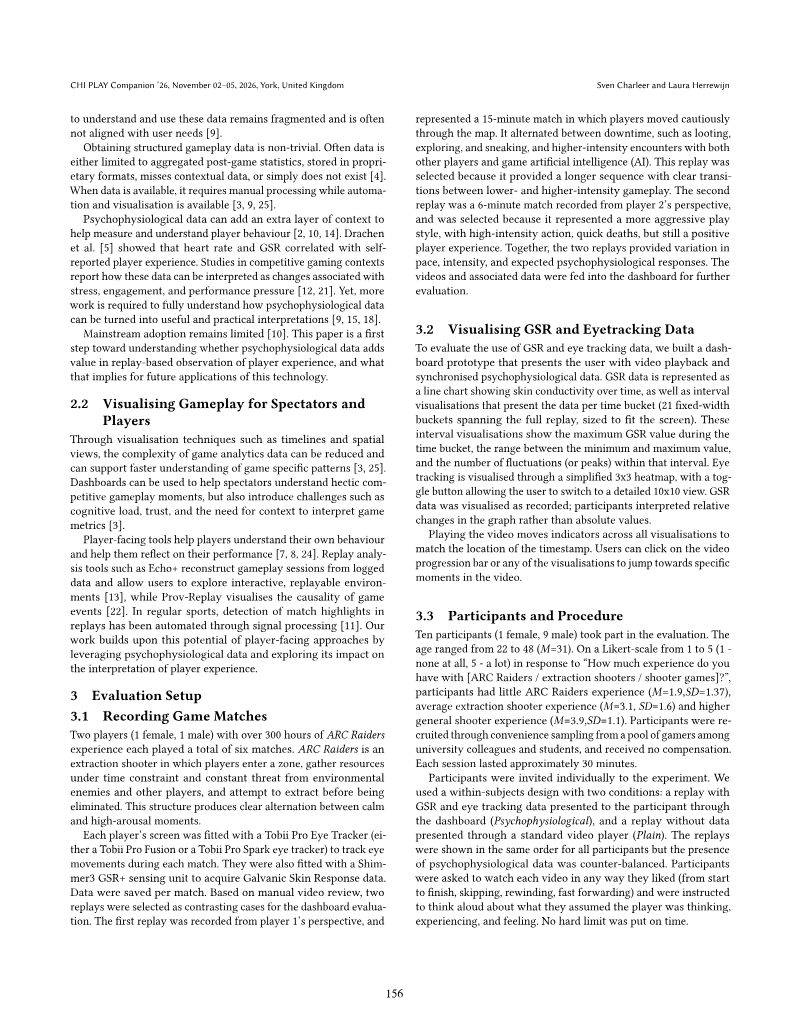
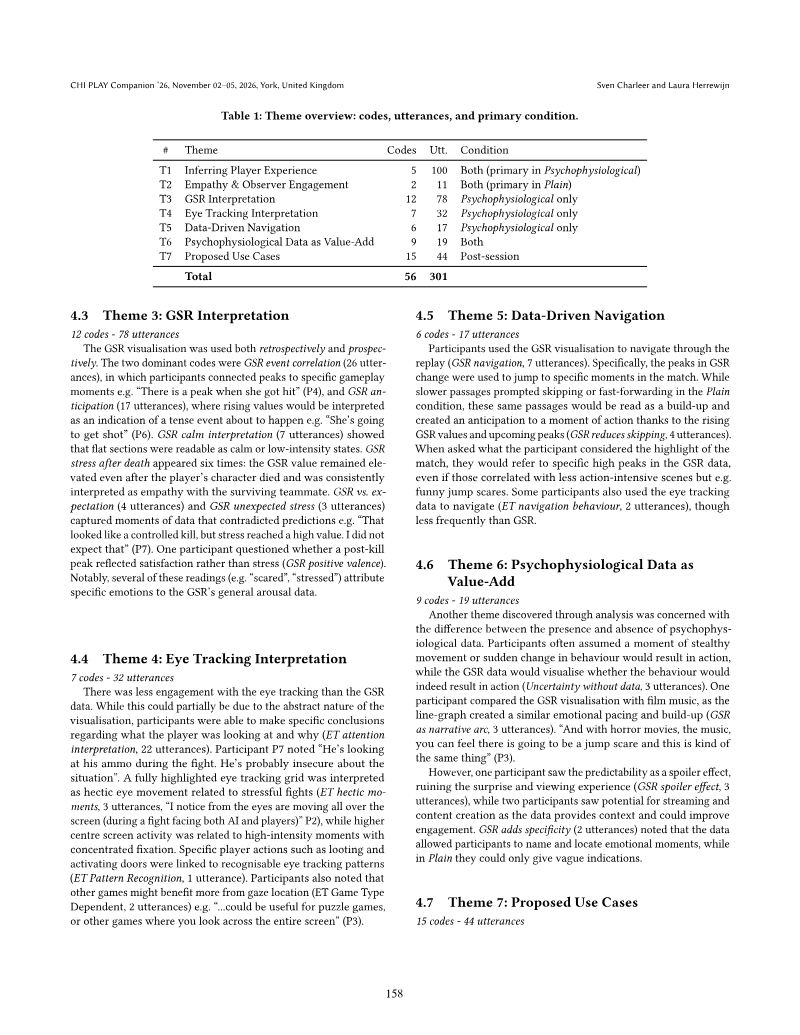
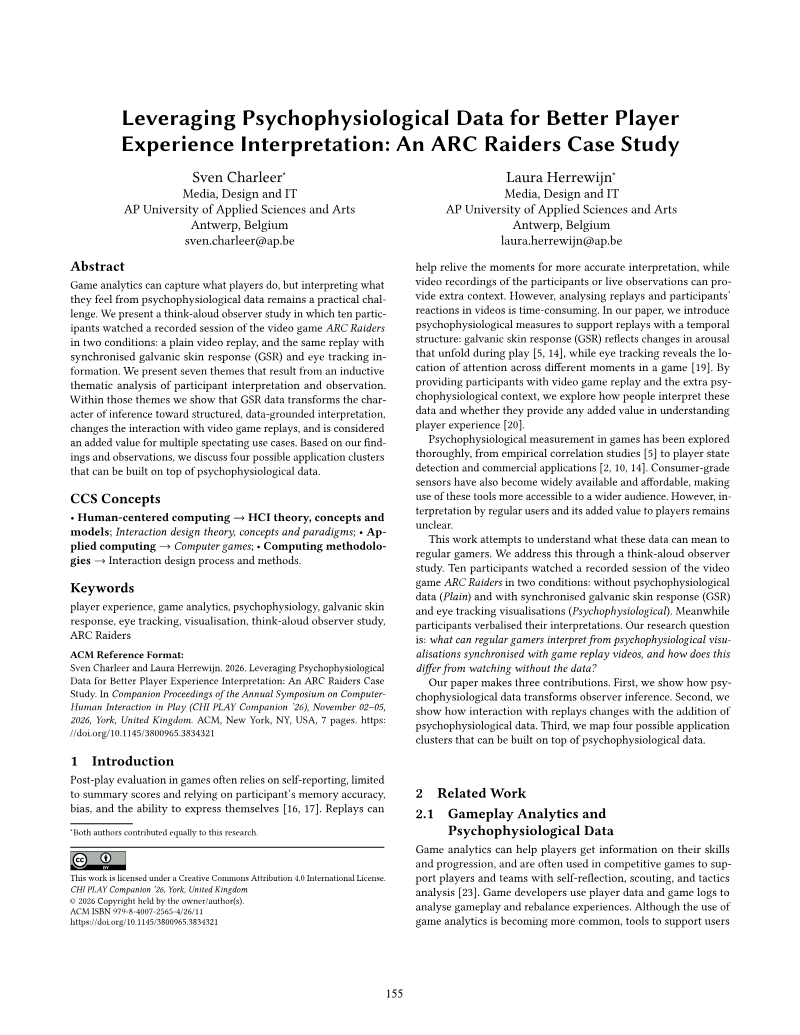
AP University of Applied Sciences and Arts · 2026
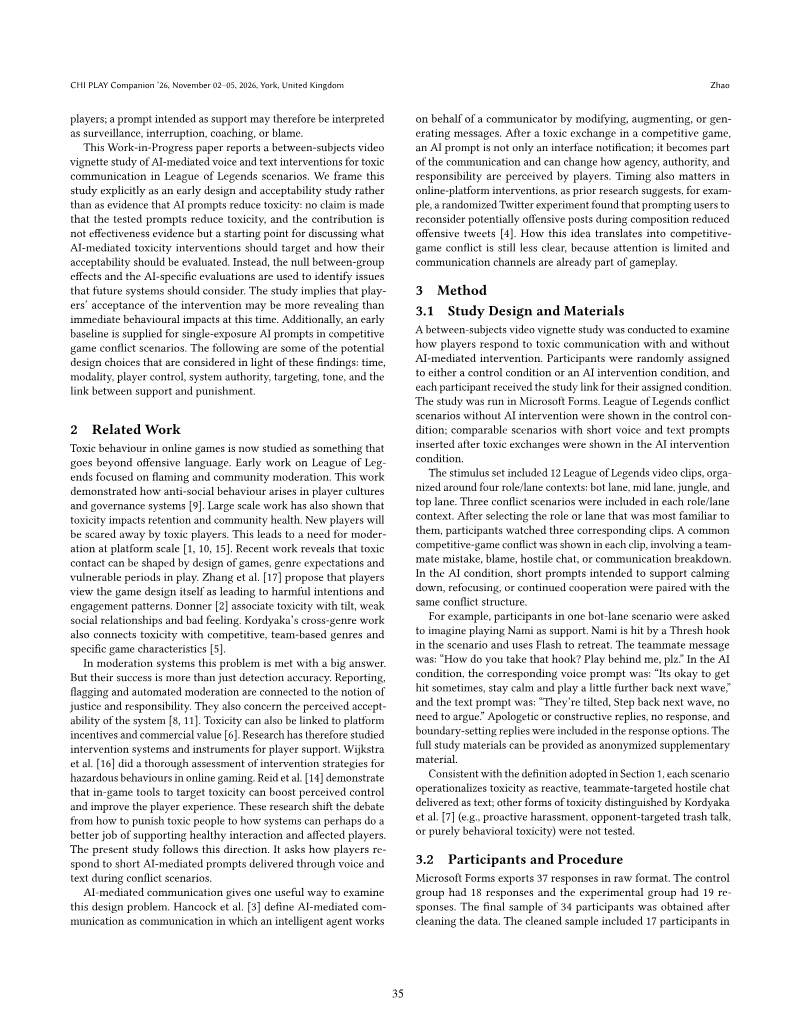
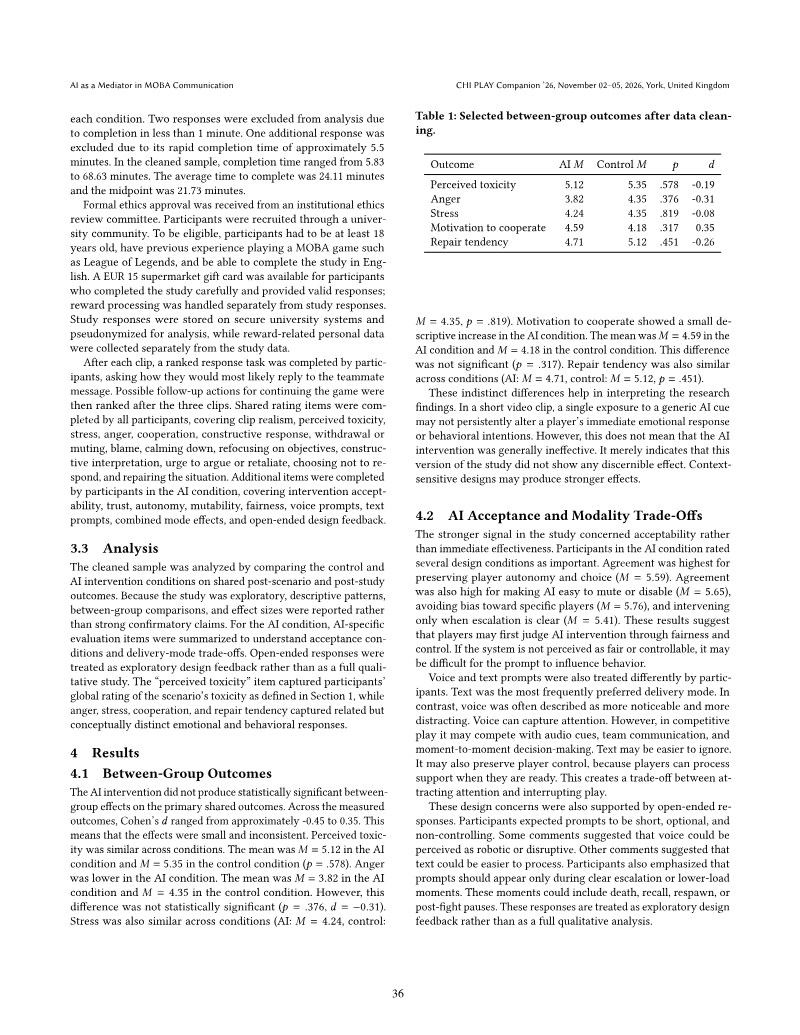
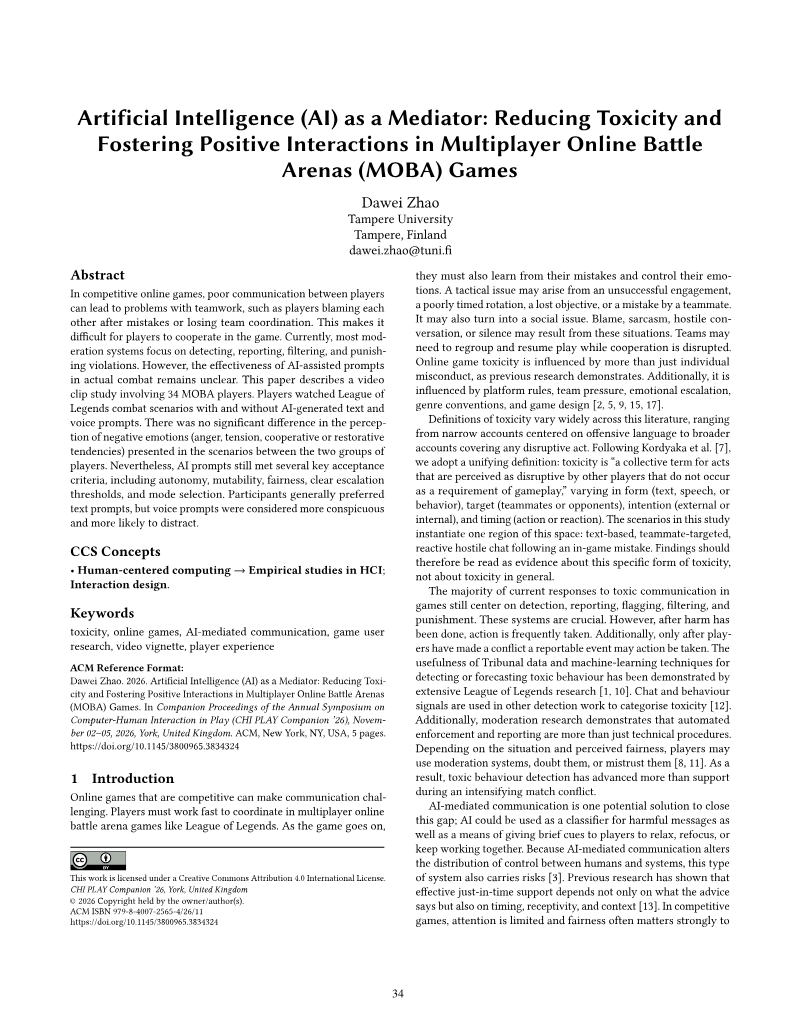
Tampere University · 2026
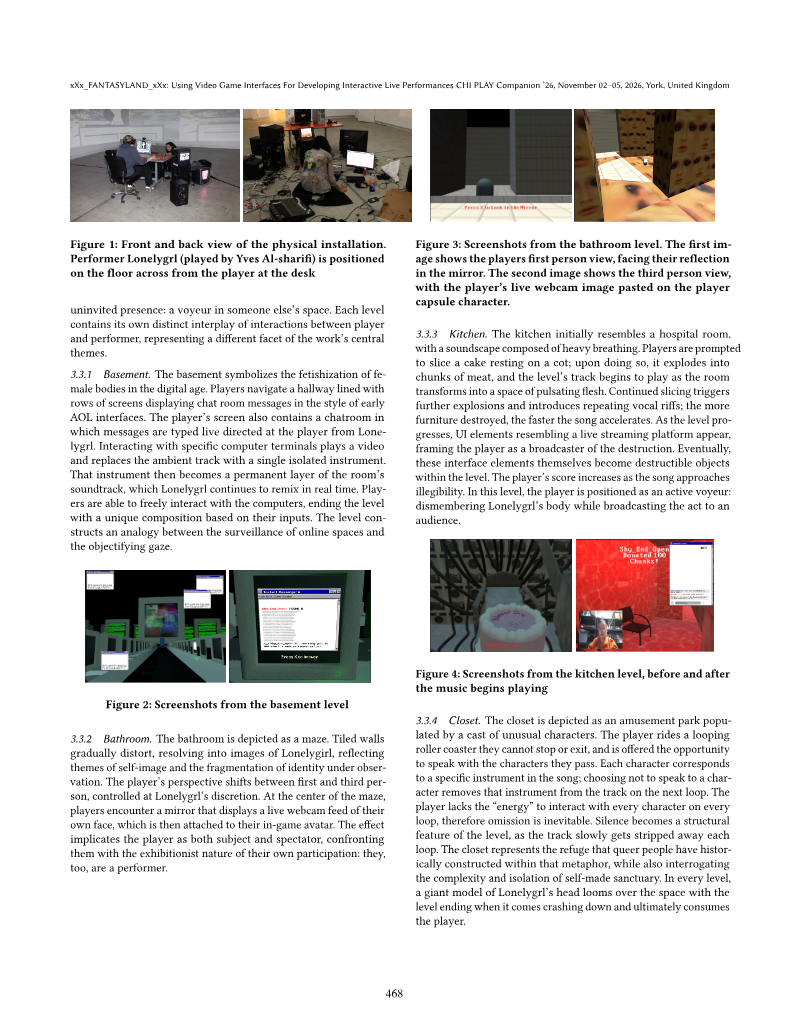
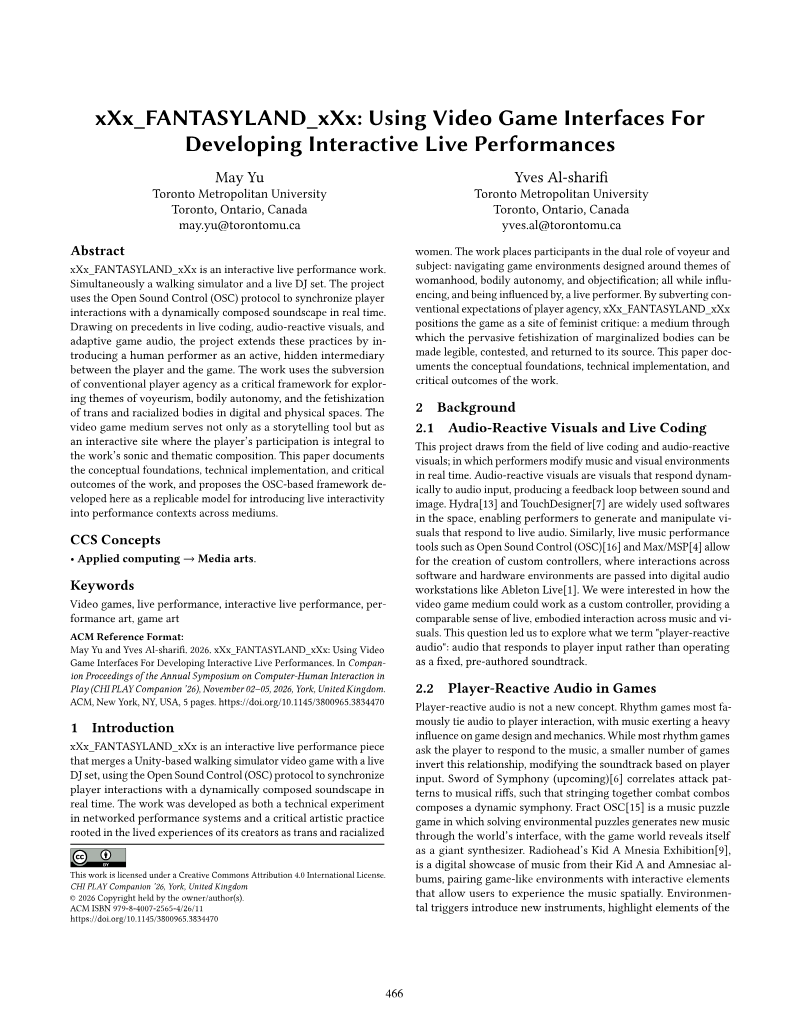
Toronto Metropolitan University · 2026
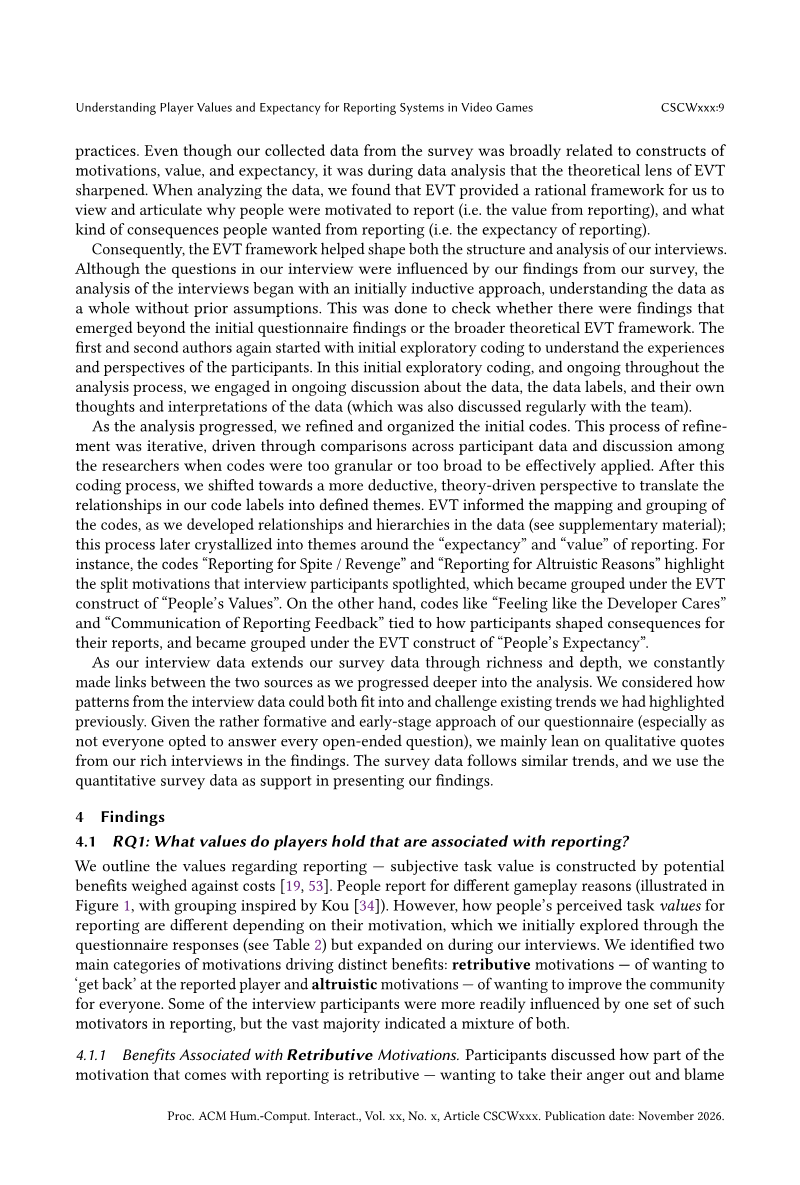
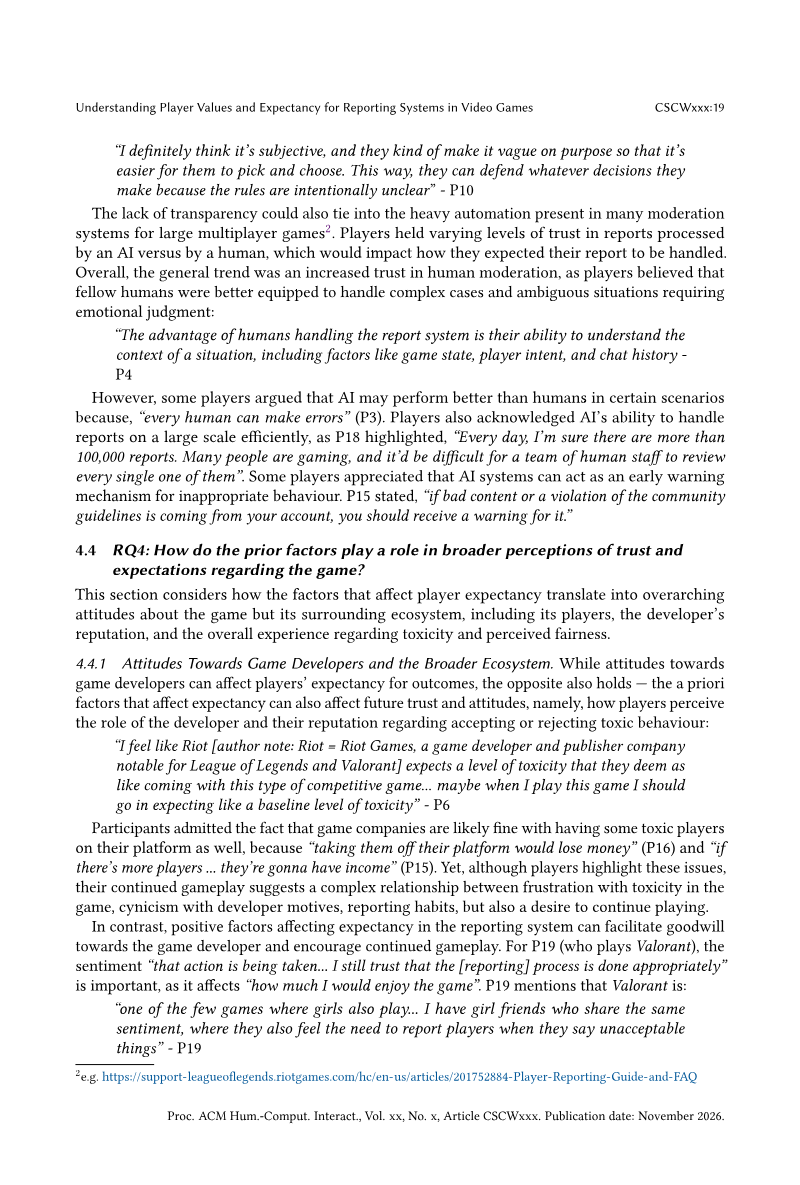
University of British Columbia · 2026
Bina Nusantara University · 2026
International Journal of Role-Playing · 2026