More on Game Studies
View all
Whitepaper
Arctictopia and its Cozy, Casual Climate Catastrophe
DiGRA · 2026
Whitepaper
Parasocial Incidental Politics: How Twitch Users Navigate Political Content and Misinformation
DiGRA · 2026
Whitepaper
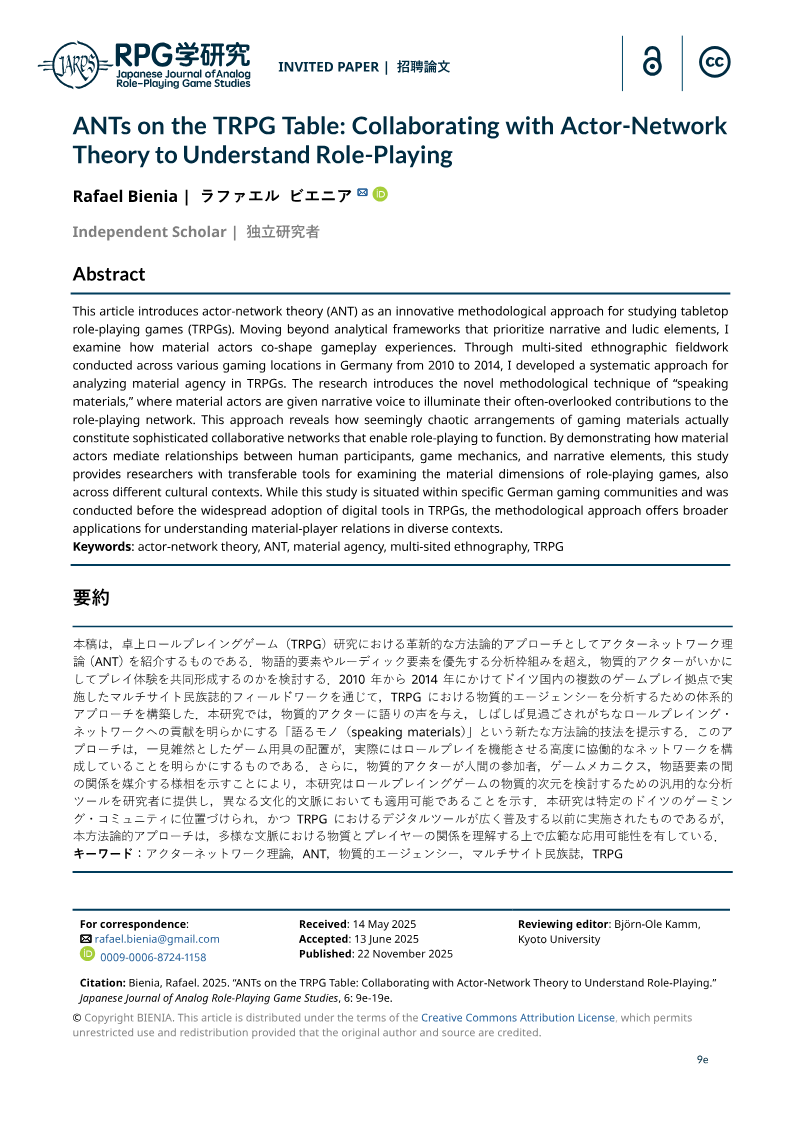
ANTs on the TRPG Table: Collaborating with Actor-Network Theory to Understand Role-Playing
Japanese Association for Role-Playing Game Studies (JARPS) · 2025
Whitepaper
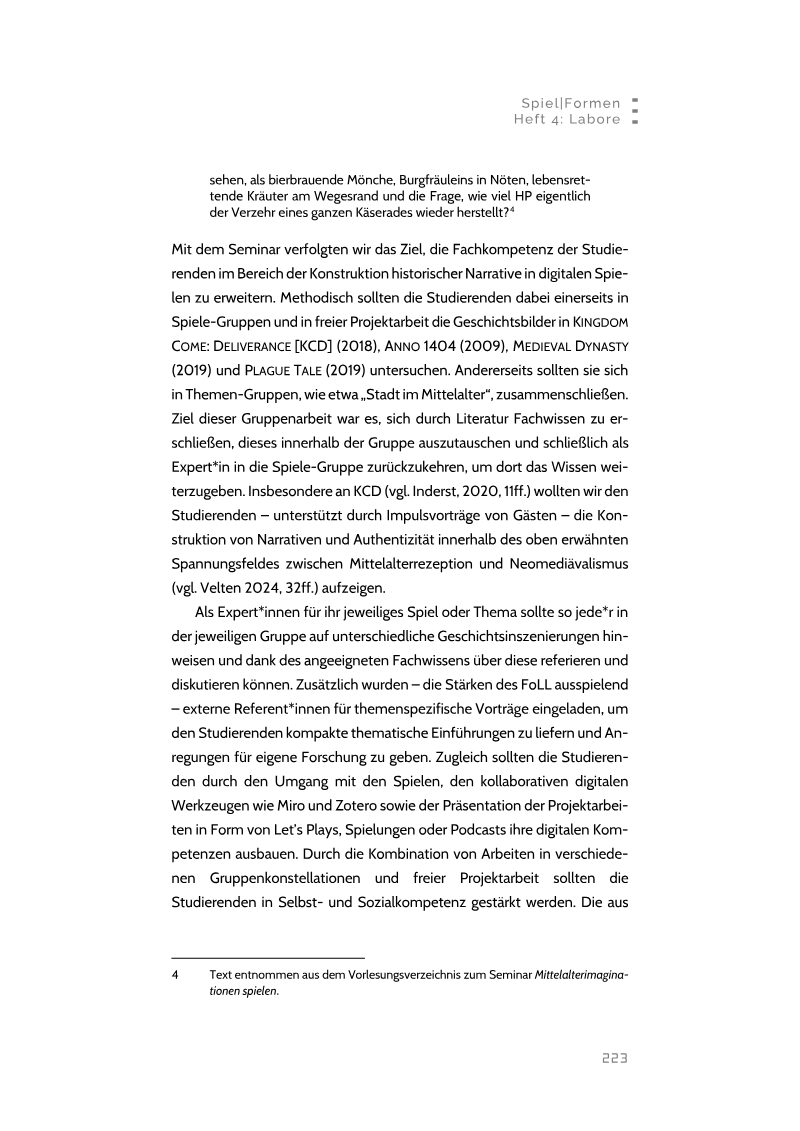
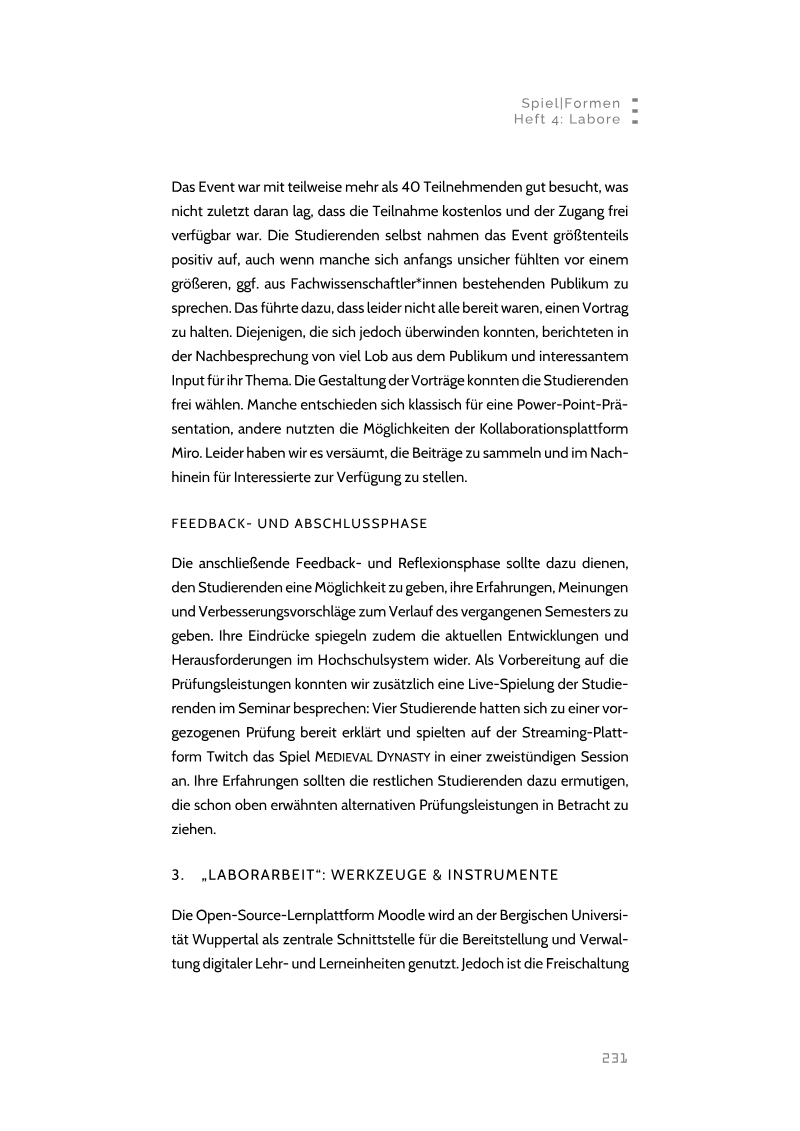
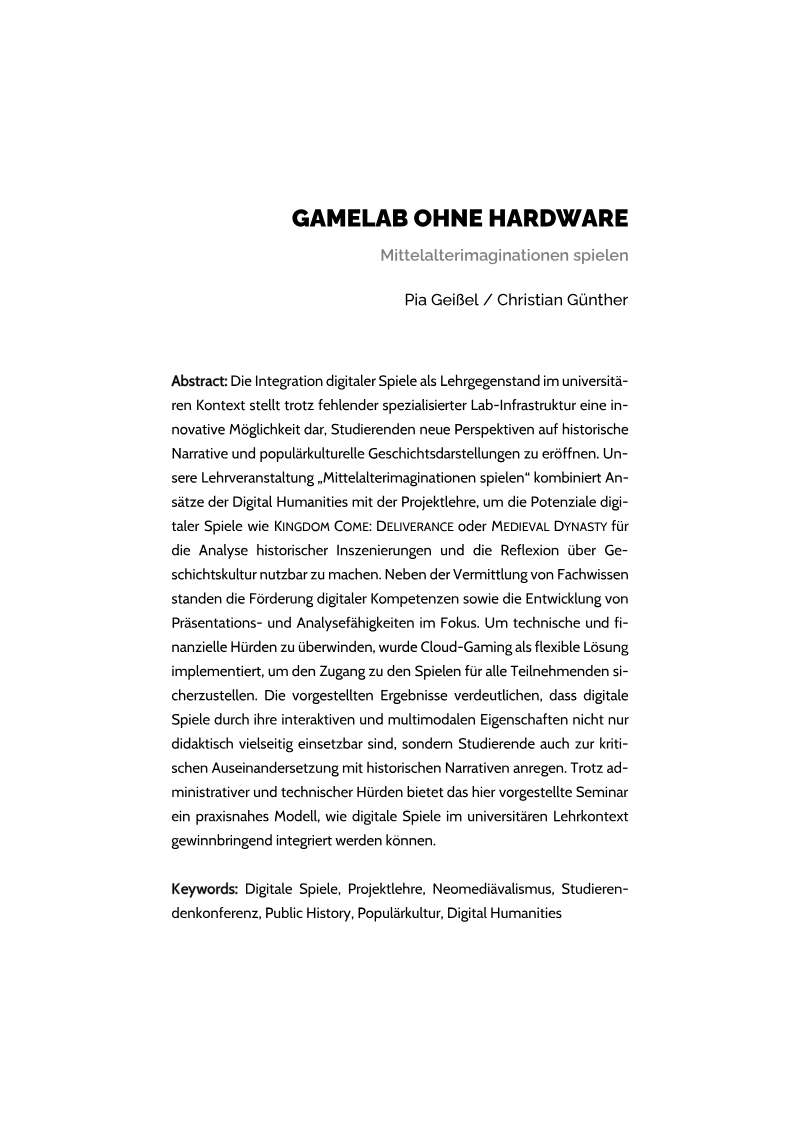
Gamelab ohne Hardware: Mittelalterimaginationen spielen
Spiel|Formen · 2025
Whitepaper
Wissenschaftskommunikation als medienästhetische Praxis: Zur Formatentwicklung im 'spielenden' Labor
Spiel|Formen · 2025
Whitepaper
Ein experimentelles kulturwissenschaftliches Labor für das analoge imaginative Spiel: Konzept, Aufbau und Praxis des Bonn Lab for Analog Games and Imaginative Play
Spiel|Formen · 2025
Whitepaper
Gender*in Games: Geschlechterbilder in analogen und digitalen Spielen des 21. Jahrhunderts
Spiel|Formen – Zeitschrift für Play & Game Studies · 2024
Whitepaper
Das Metagame der Männlichkeit: Geschlecht als die Bedingung der Möglichkeit des Spielens
Spiel|Formen · 2024
Whitepaper
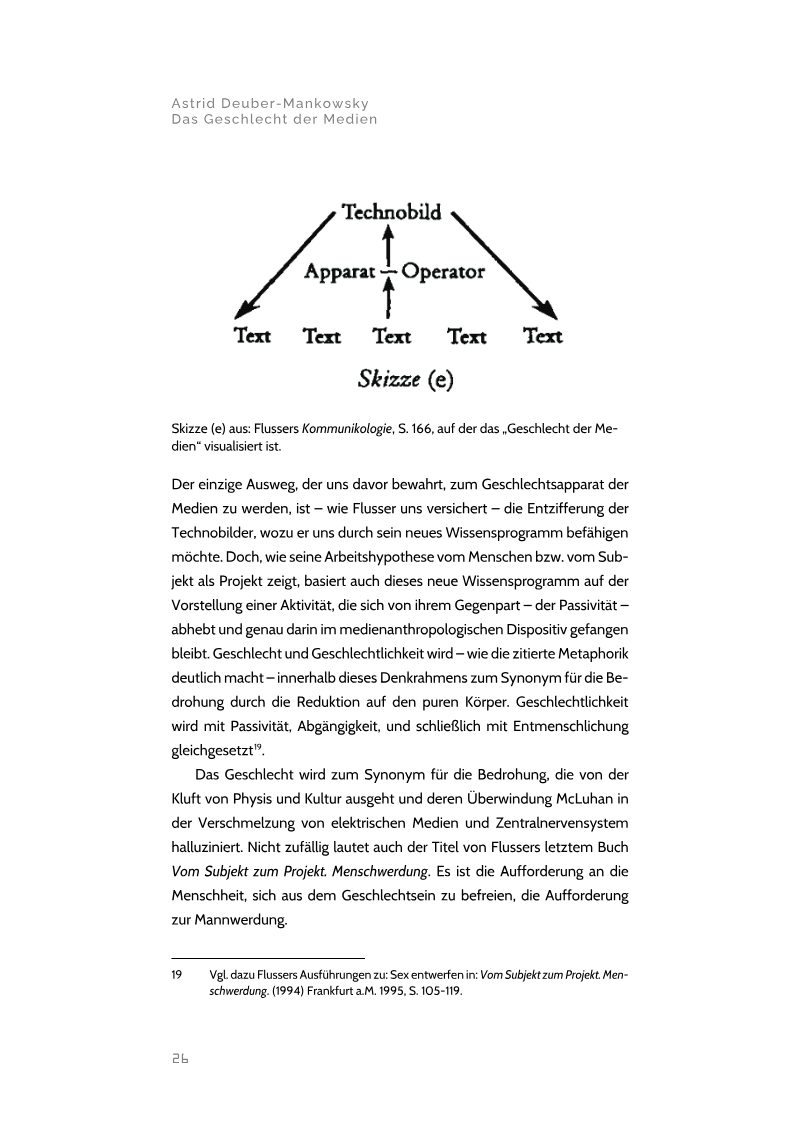
Das Geschlecht der Medien: Methodologische Überlegungen zu einer Medienwissenschaft
Spiel|Formen · 2024
Whitepaper
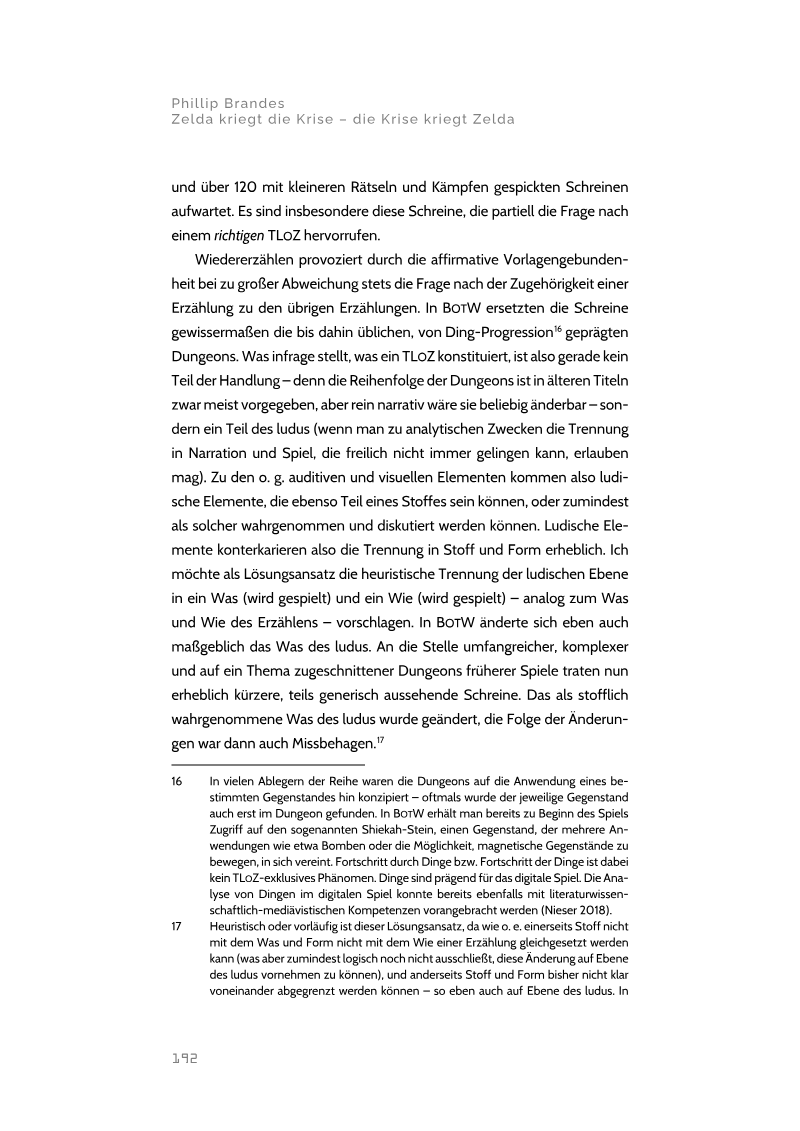
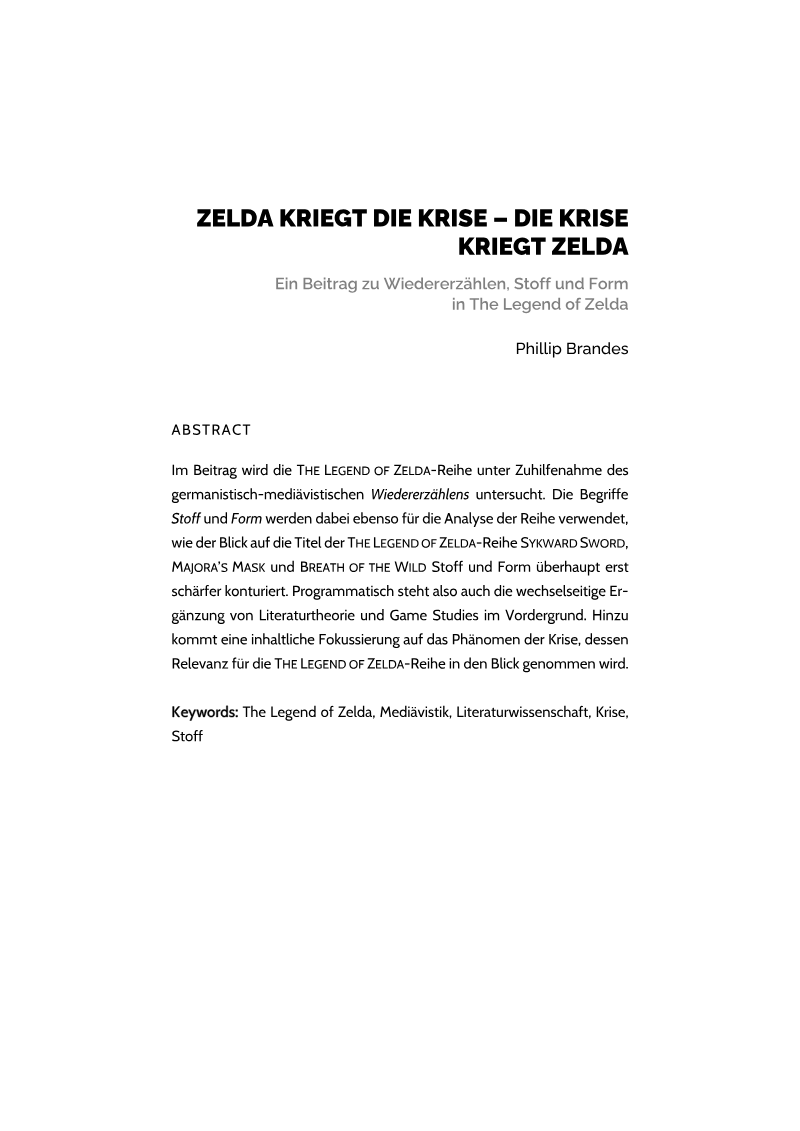
Zelda kriegt die Krise – Die Krise kriegt Zelda: Ein Beitrag zu Wiedererzählen, Stoff und Form
Spiel|Formen · 2023
Whitepaper
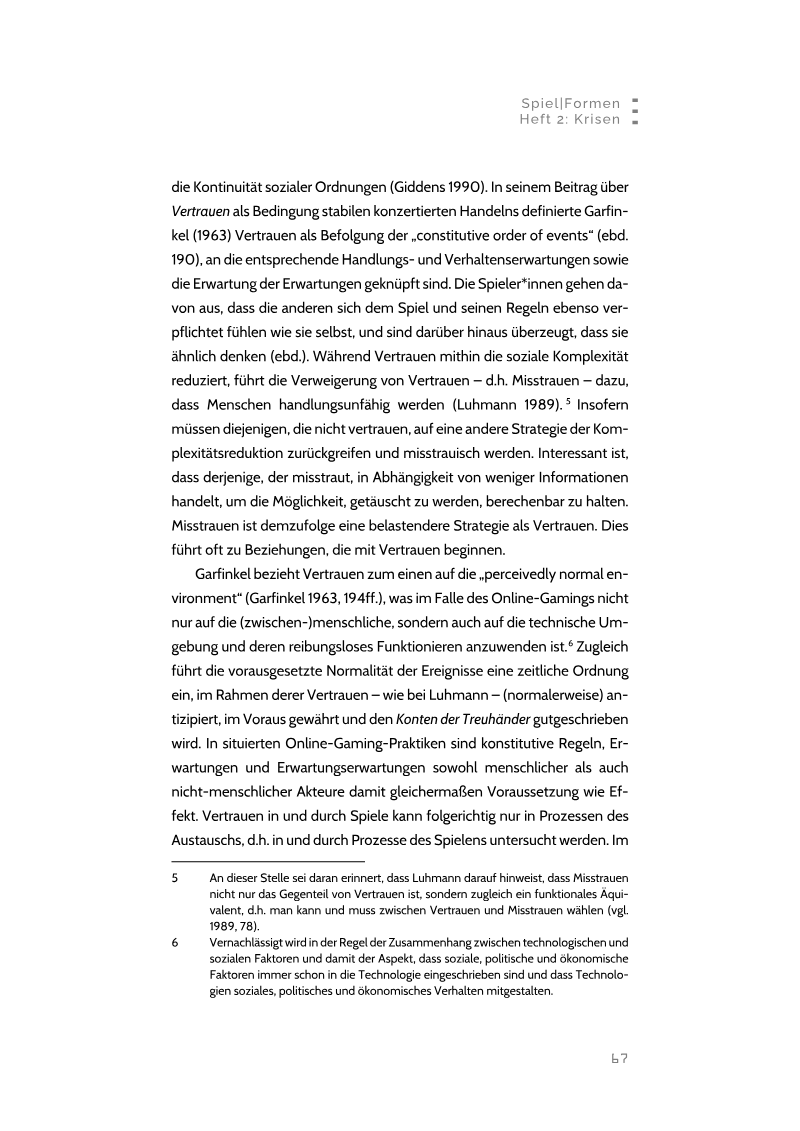
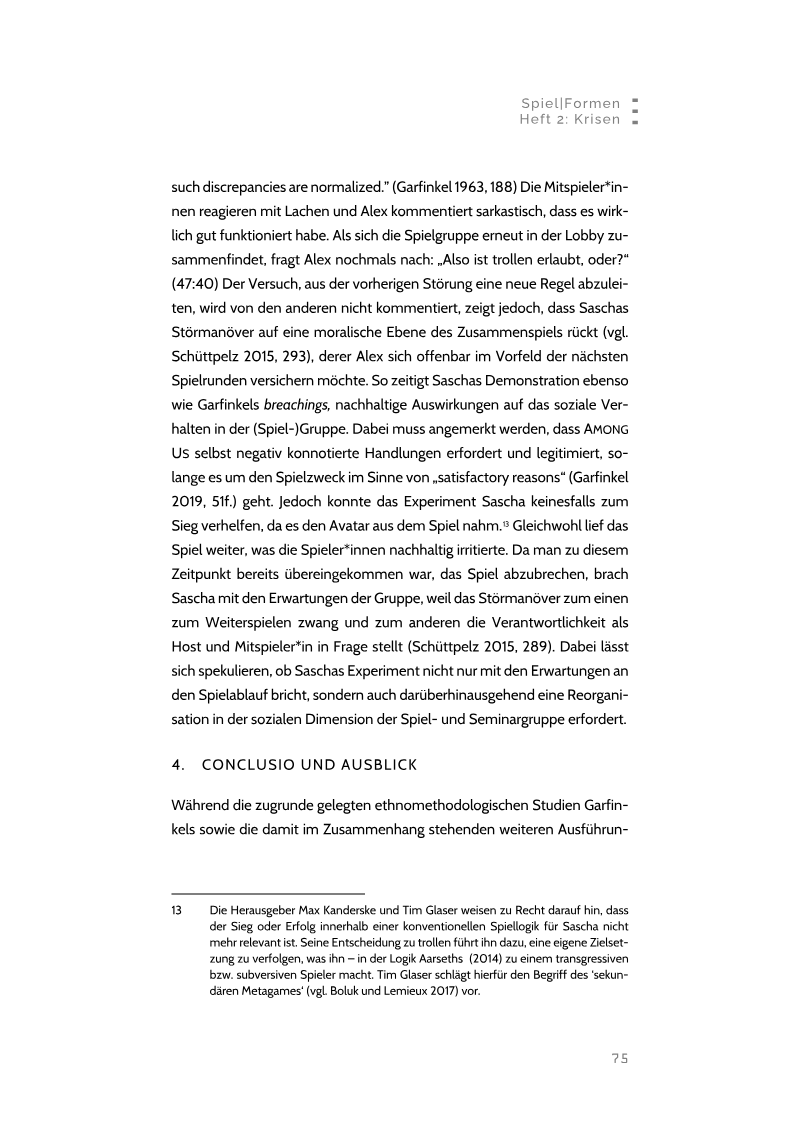
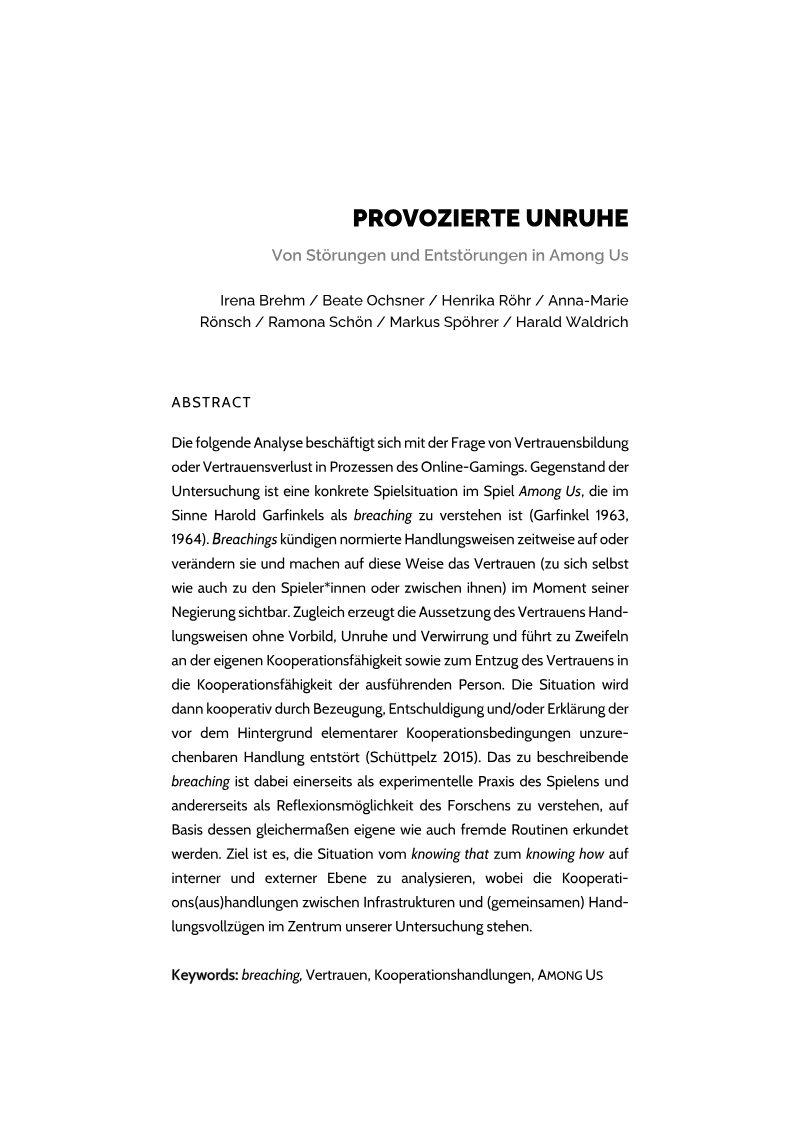
Provozierte Unruhe: Von Störungen und Entstörungen in Among Us
Spiel|Formen · 2023
Whitepaper
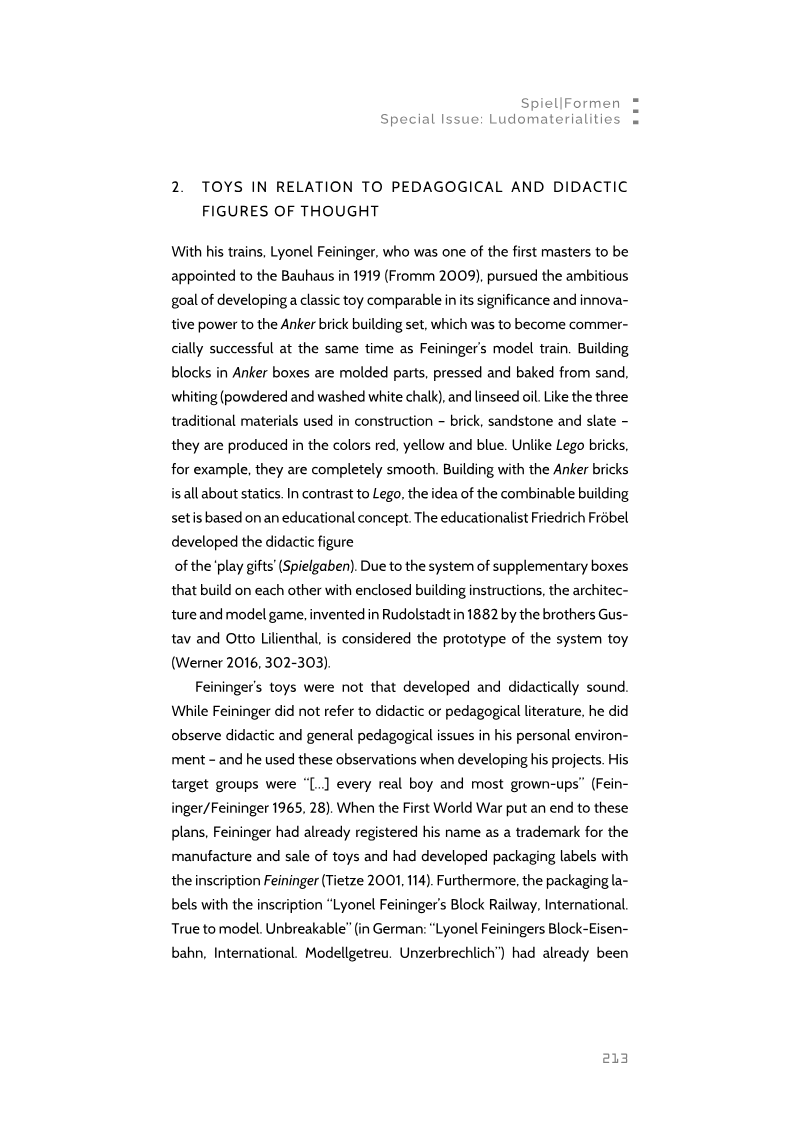
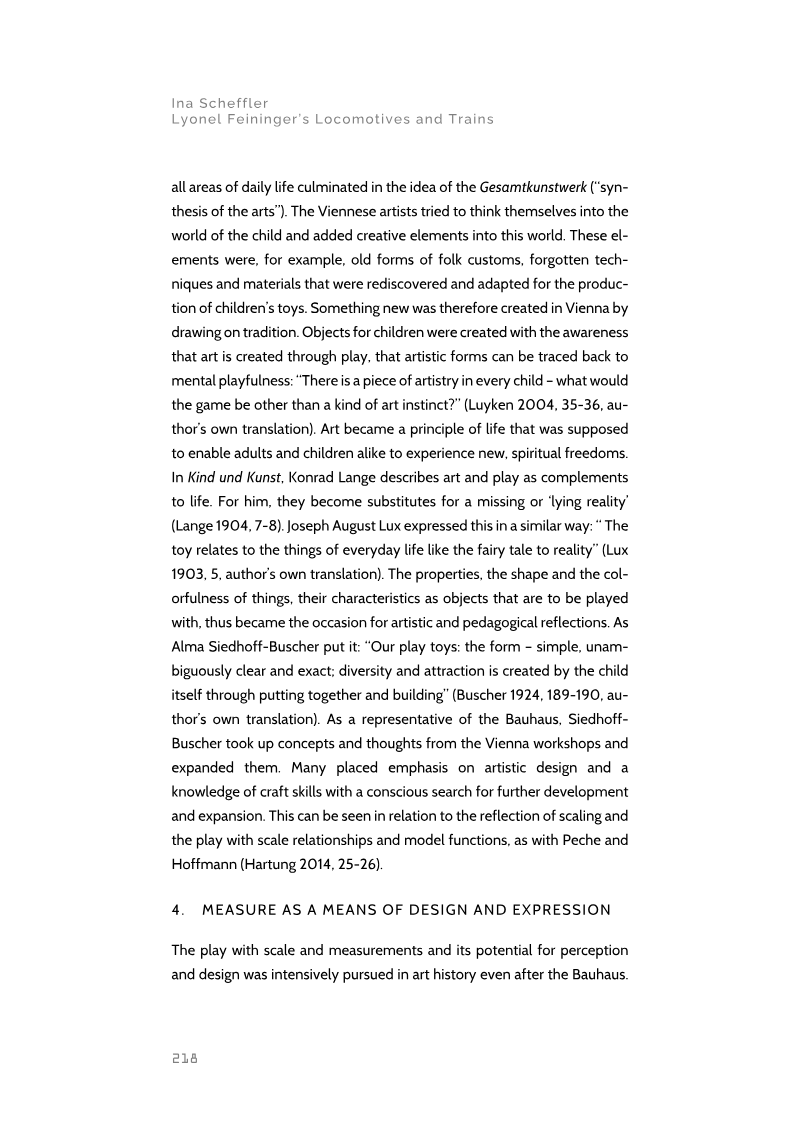
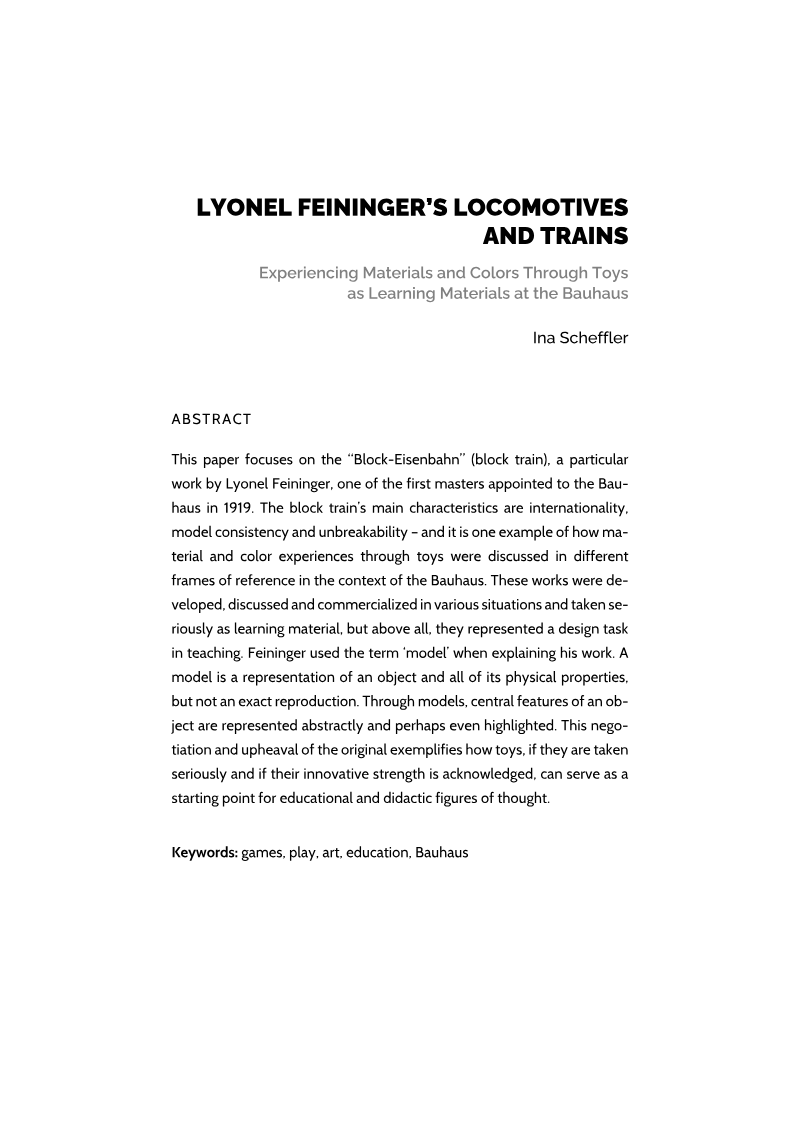
Lyonel Feininger's Locomotives and Trains: Experiencing Materials and Colors Through Toys as Learning Materials at the Bauhaus
Spiel|Formen · 2022