Loading the document
Games and companies in this document


Connections
Each row is a game or company this document names, each column a document, oldest first. A mark means that document names it. Select a row to see those documents.
More from Digital Games Research Association
View all
Whitepaper
The Hong Kong Past Made in the Digital Present: Playing with the (Un)familiar and (In)authentic
Digital Games Research Association · 2026
Whitepaper
Have You Eaten Yet? Genshin Impact and Chinese Food Culture
Digital Games Research Association · 2026
Whitepaper
The Representation of Alzheimer's in Serious Games: Inner Ashes Video Game Case Study
Digital Games Research Association · 2024
Whitepaper
Understanding Space in Videogames: Methodological Contributions from Archaeogaming and Geofiction
Digital Games Research Association · 2024
Whitepaper
La Correlación Directa de la Gestión y Transferencias del Conocimiento Mediada por la Investigación Aplicada en la Formación de Perfiles de Alta Cualificación en el Campo de los Videojuegos
Digital Games Research Association · 2024
Whitepaper
Explorando el Patrimonio Cultural e Histórico a Través de Juegos Serios
Digital Games Research Association · 2024
Whitepaper
The Market of Identity: A Review on Video Games and Identity Works
Digital Games Research Association · 2024
Whitepaper
Narrative Depiction of Suicide in Horror Video Games
Digital Games Research Association · 2024
Whitepaper
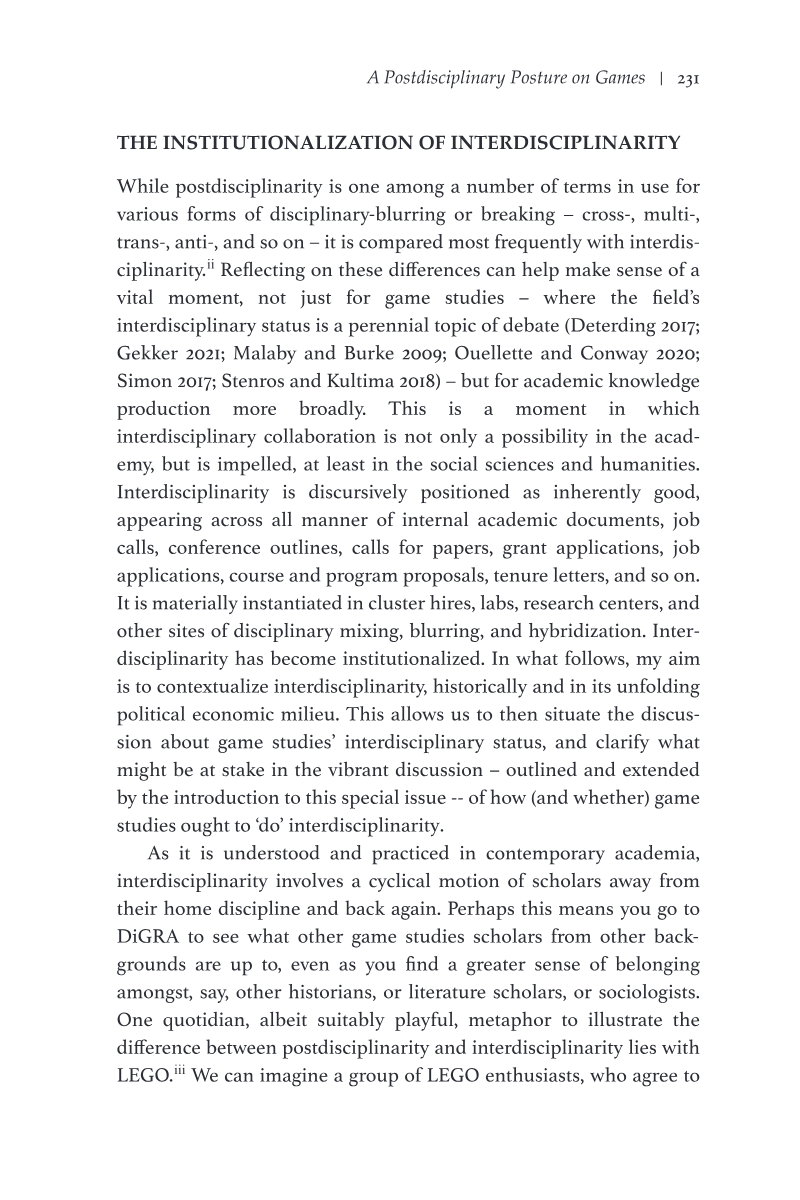
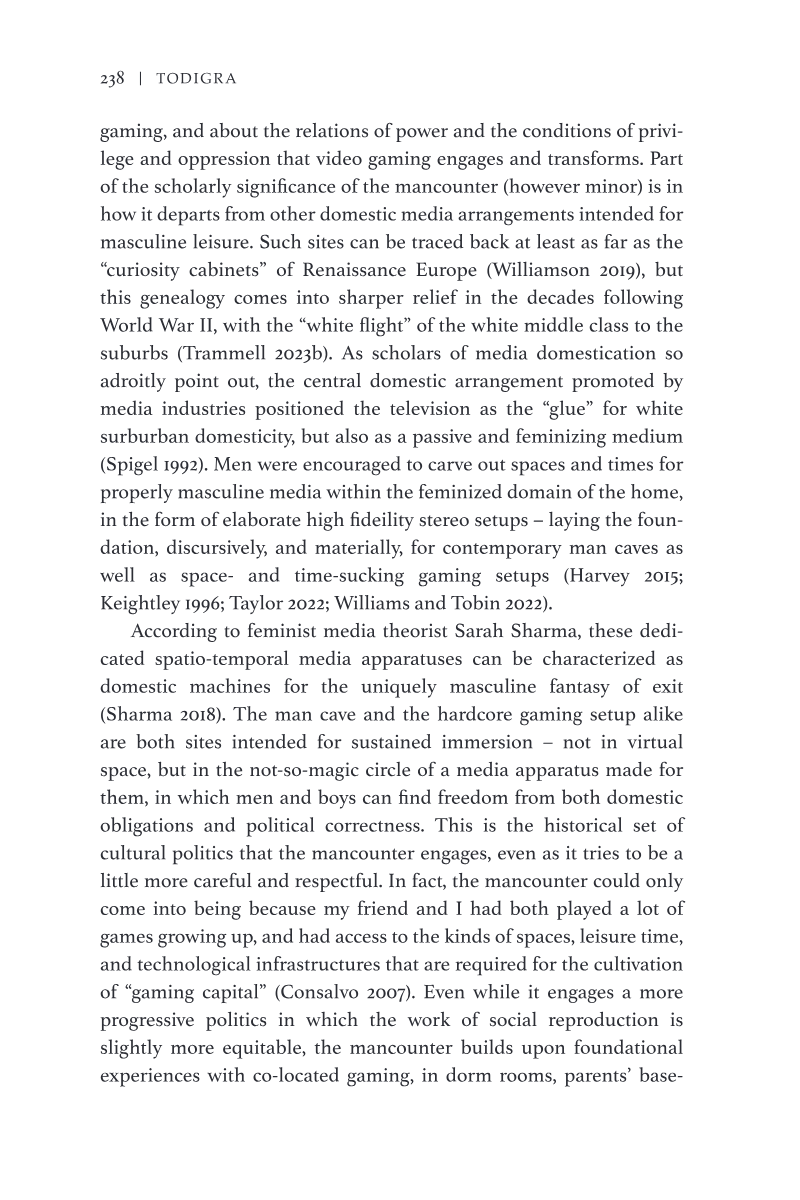
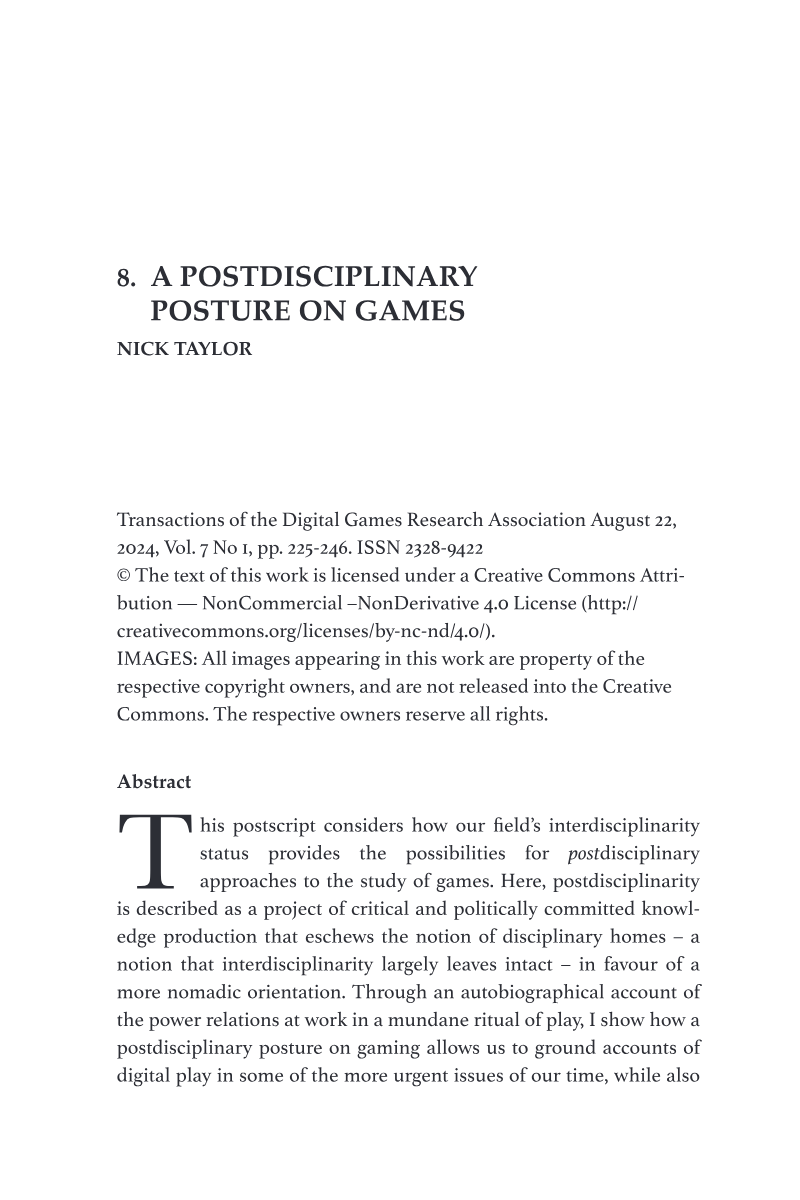
A Postdisciplinary Posture on Games
Digital Games Research Association · 2024
Whitepaper
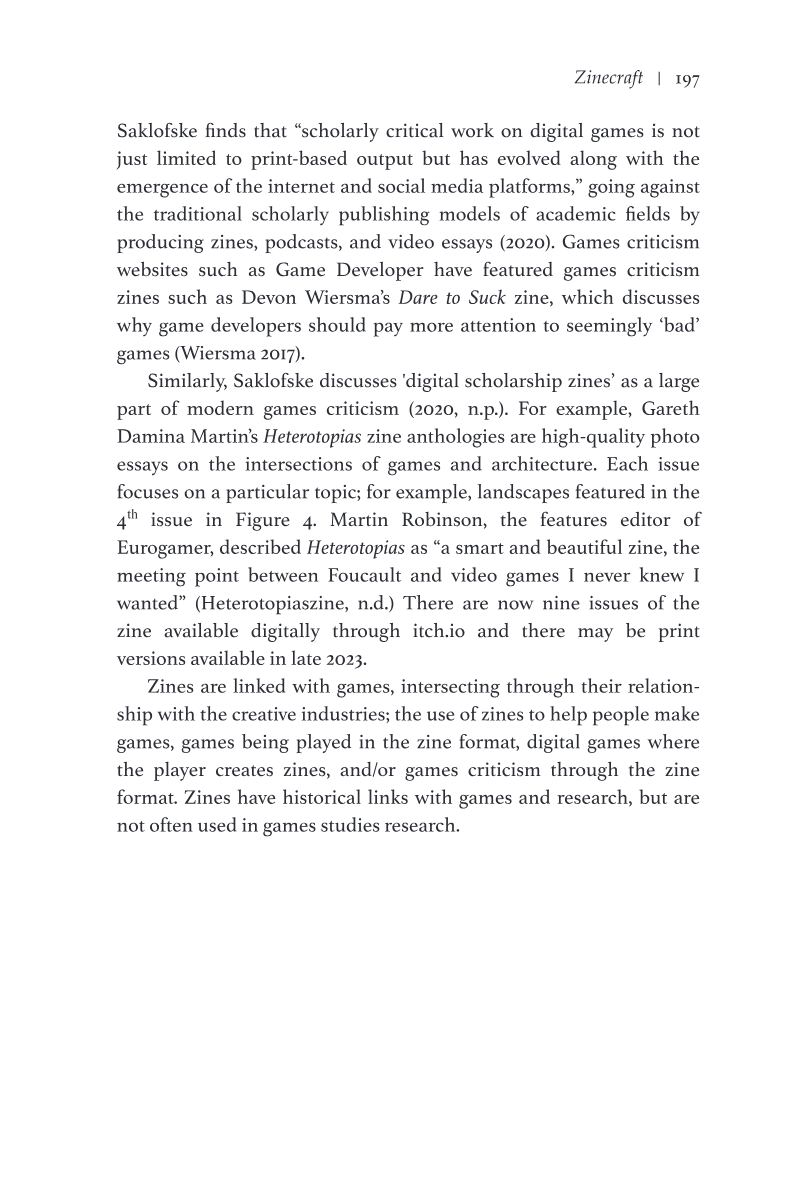
Zinecraft: Zines as Companions to Games Research
Digital Games Research Association · 2024
Whitepaper
Noita: A Long Journey of a Game Idea
Digital Games Research Association · 2024
Whitepaper
Seyyed of Cyrus the Great: Iran's Confused Nationalism in Games
Digital Games Research Association · 2024