Global consumer spending reached a record $36.2 billion in the second quarter of 2024, representing an 11.7% year-over-year increase. This growth was primarily propelled by non-gaming applications, which now constitute 46% of total market expenditure. While iOS strengthened its revenue leadership with 13% growth, global download trends remained bifurcated; mature markets like the United States and India experienced stabilization or decline, whereas emerging regions such as Indonesia and Nigeria demonstrated significant expansion. Within the mobile gaming sector, the Strategy genre underwent a major shift, surpassing RPGs as the top-grossing category for the first time since 2017, largely due to the performance of titles like Last War and the successful launch of Squad Busters.
The digital advertising landscape saw United States expenditure exceed $27 billion, with social media channels capturing 76% of that total. TikTok maintained its market dominance, breaking records with over $1.3 billion in quarterly consumer spend while reclaiming the top position for global downloads. Advertising strategies became increasingly aggressive, as evidenced by Tencent’s massive YouTube-centric campaign for Squad Busters. In the retail media space, Walmart maintained a commanding lead with 11.7 billion impressions, though specialized retailers like Best Buy dominated specific niches, such as consumer electronics.
Strategic diversification and co-branded partnerships defined the retail media environment during this period. While Walmart and Target maintained broad influence, brands like L'Oreal successfully scaled advertising efforts across multiple major retailers simultaneously. High-performing collaborations, such as those between Chewy and Purina or Walmart’s partnerships with Kraft Heinz and PepsiCo, underscore a shift toward integrated, multi-platform marketing strategies. These trends indicate a maturing digital economy where non-gaming utility and sophisticated retail media placements are becoming the primary engines of financial growth.
Sensor Tower · 2026
Adjust · 2026
Sensor Tower · 2026
Sensor Tower · 2026
Sensor Tower · 2026
Sensor Tower · 2026

Sensor Tower · 2026

Sensor Tower · 2026

Sensor Tower · 2026

Sensor Tower · 2026

Sensor Tower · 2026

Sensor Tower · 2026
Competition · 2026
Bryter · 2026

Almedia · 2026
GameAnalytics · 2026
AppLovin · 2026

SocialPeta · 2026
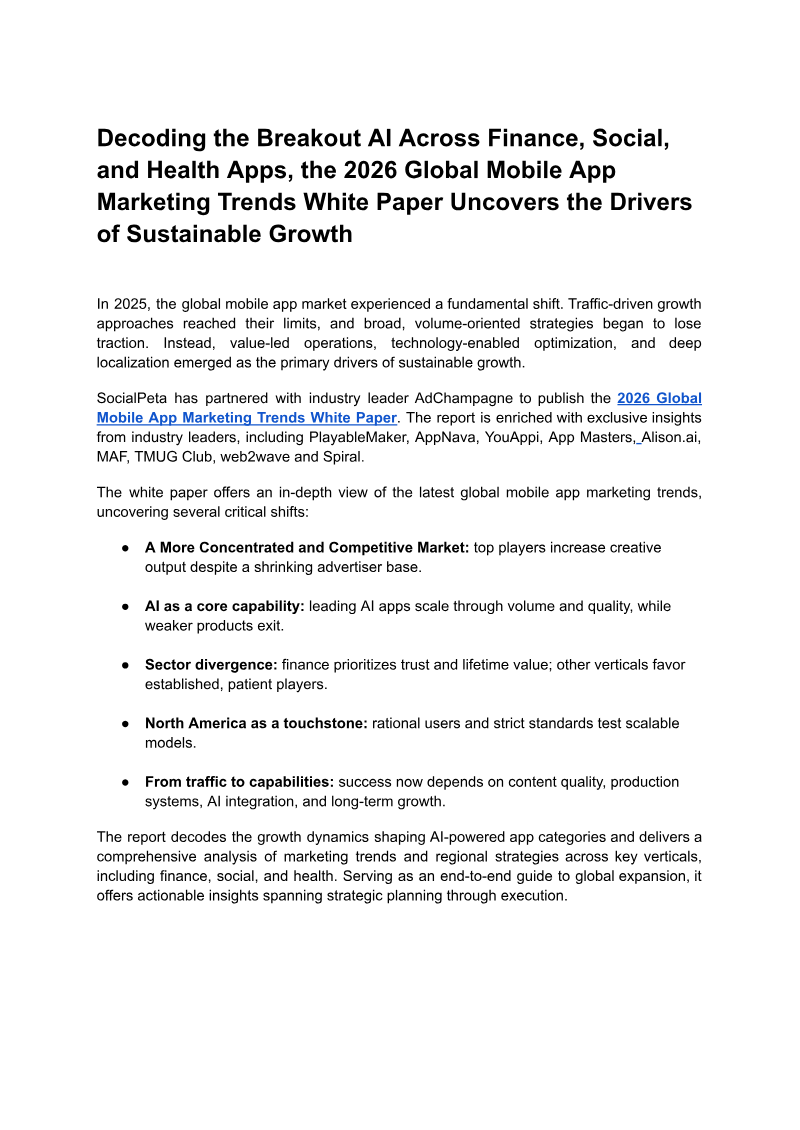
SocialPeta · 2026
BITKRAFT Ventures · 2026

Modern Times Group · 2026
AppMagic · 2026
Aream & Co · 2026
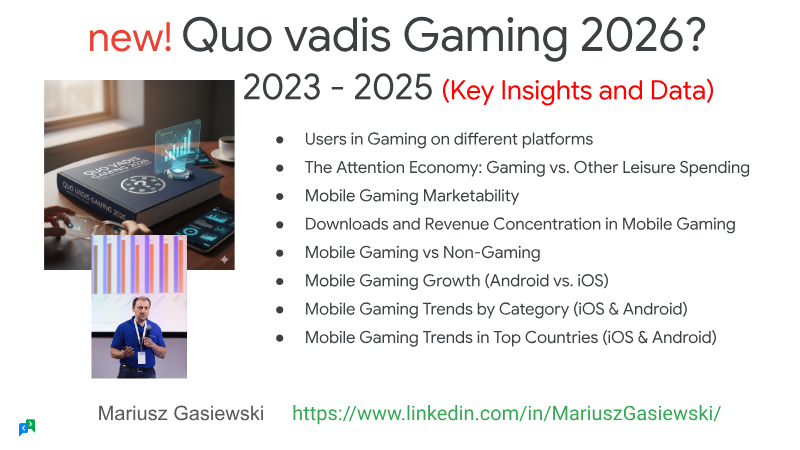
InvestGame · 2026