Loading the document
1 free read left. Create a free account for unlimited reading + AI research.
Create free accountWhitepaperIBM Research
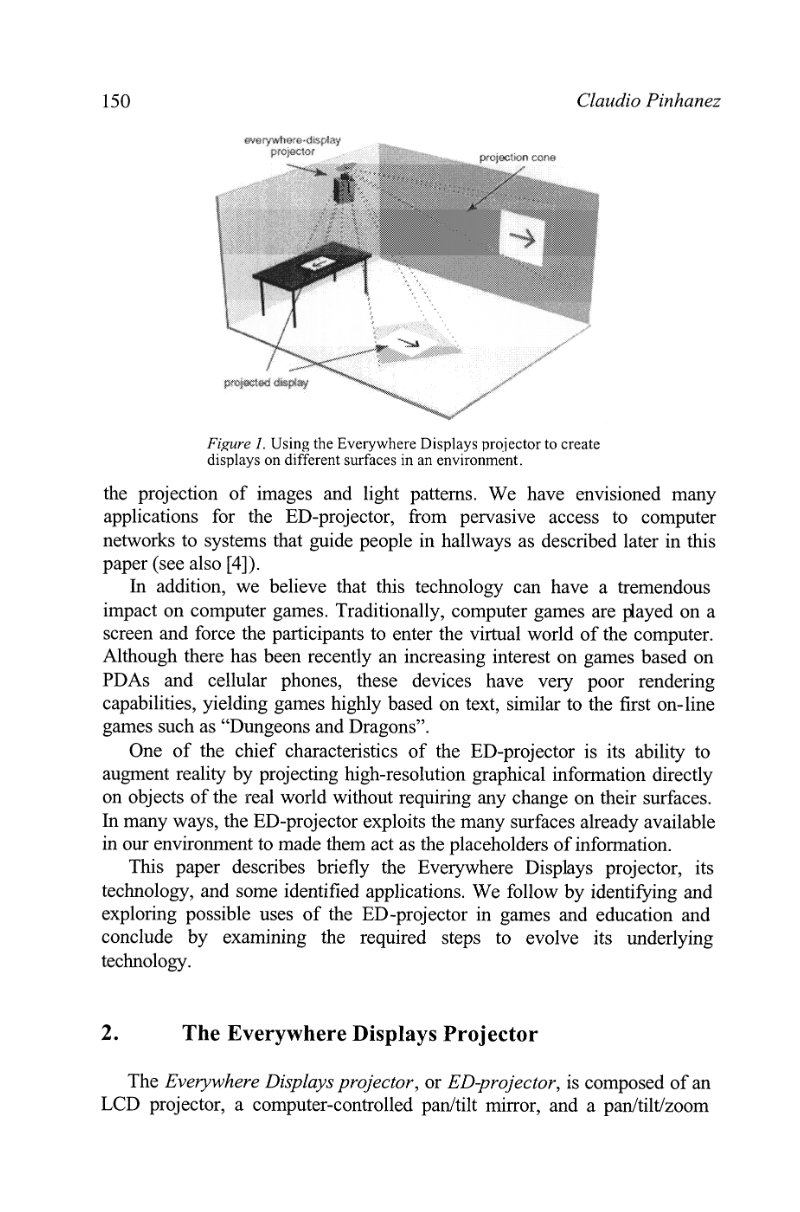
This system uses an LCD projector, a rotating mirror, and a pan/tilt camera. It transforms ordinary surfaces into touch-sensitive displays without requiring goggles or fixed screens.
Core Function. The ED system turns any physical surface into an interactive, touch-sensitive display.
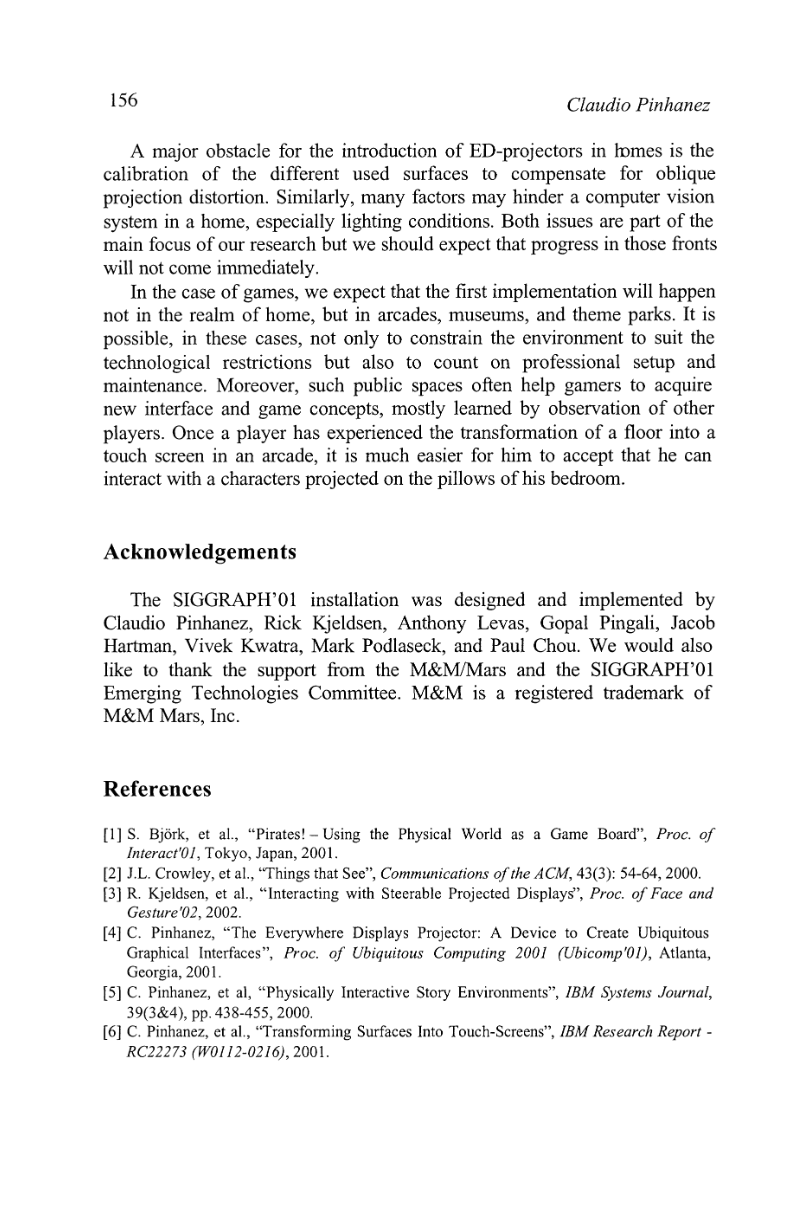
The Everywhere Displays (ED) projector project introduces a novel ubiquitous computing device designed to transform ordinary physical surfaces into interactive, touch-sensitive displays. By utilizing an LCD projector paired with a computer-controlled rotating mirror and a pan/tilt camera, the system projects graphical interfaces onto non-wired surfaces and tracks user interaction through computer vision. This technology eliminates the need for goggles, specialized sensors, or fixed LCD screens, allowing for a more immersive and flexible human-computer interface that can adapt to various environments, including homes, offices, and public spaces.
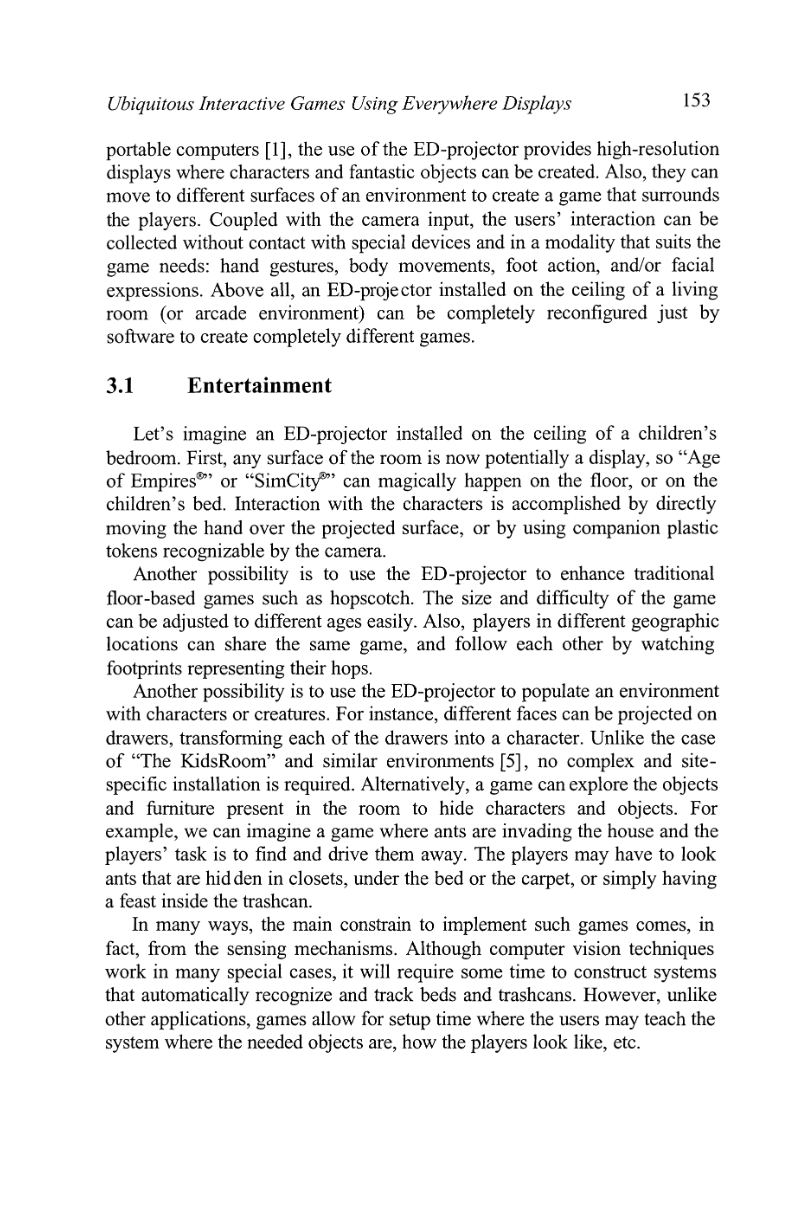
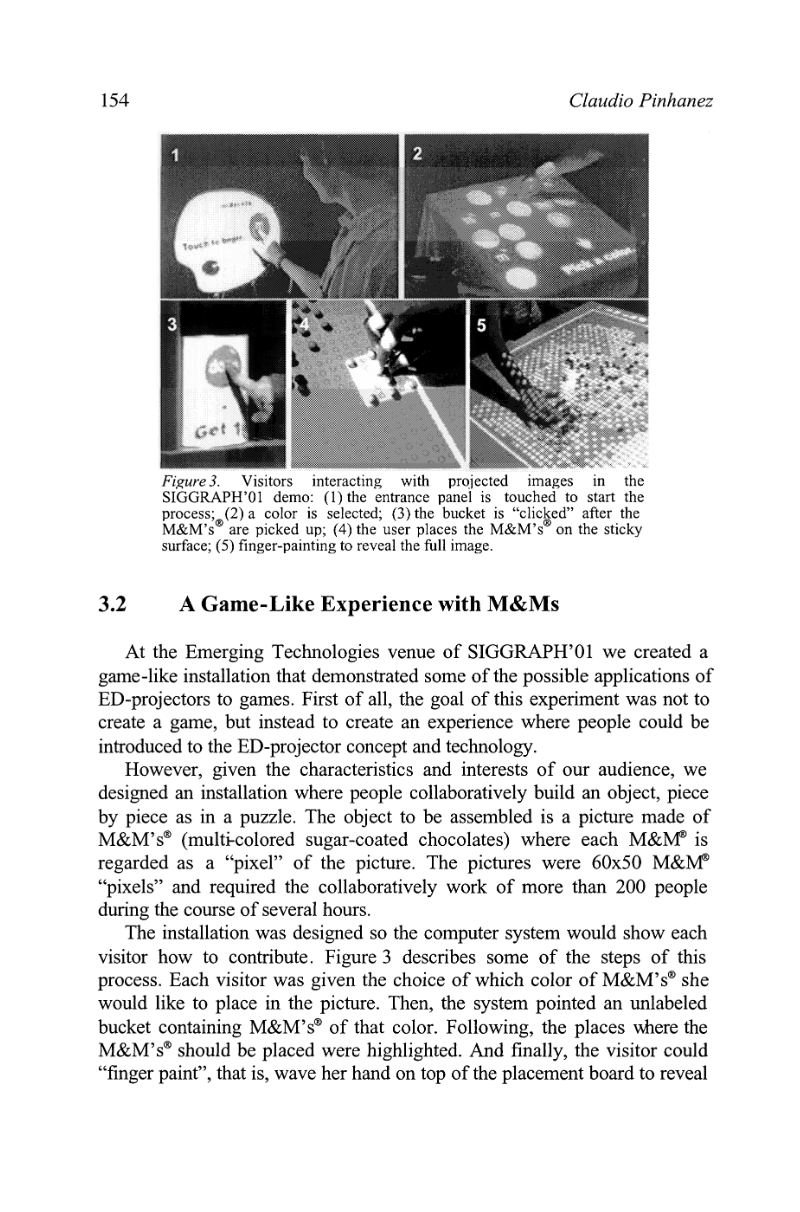
The research highlights several key applications, ranging from functional tools like electronic phone directories and database interfaces to interactive gaming experiences. In the context of gaming, the ED-projector enables a new paradigm where digital content is integrated directly into the physical world. By projecting characters or game elements onto furniture, floors, or walls, the system creates an environment where users interact through natural gestures, body movements, or facial expressions. A prototype game, "Fro...og!", demonstrates this by having a virtual character jump between surfaces in response to user proximity, showcasing the potential for dynamic, room-scale entertainment.
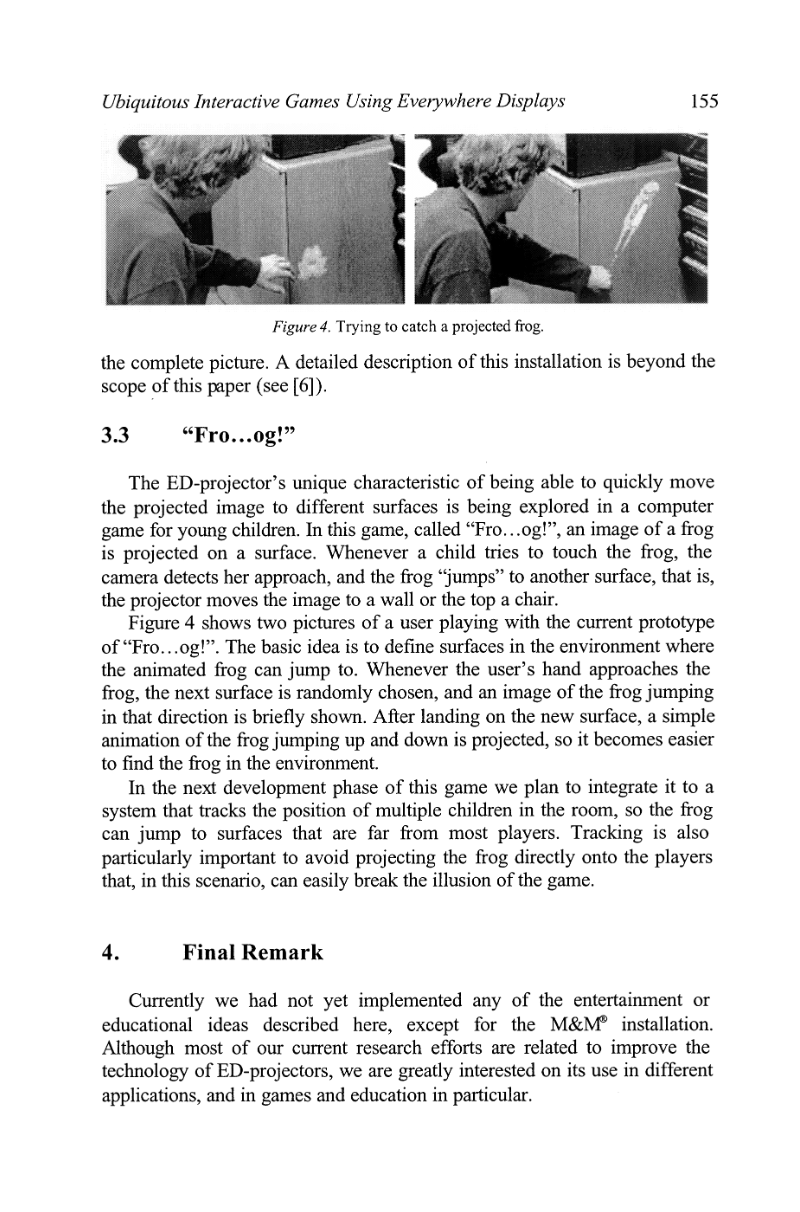
The development team validated the concept through a collaborative installation at SIGGRAPH 2001, where over 200 participants interacted with a projected puzzle. While the technology shows significant promise, current challenges include the need for precise calibration to correct for oblique projection distortion and the limitations of computer vision in variable home lighting conditions. Consequently, initial adoption is expected in controlled environments like arcades and museums, where professional maintenance and setup can mitigate these technical hurdles. Future advancements in surface recognition and tracking are identified as critical steps toward bringing this ubiquitous interactive technology into domestic settings.

University of Canterbury · 2026
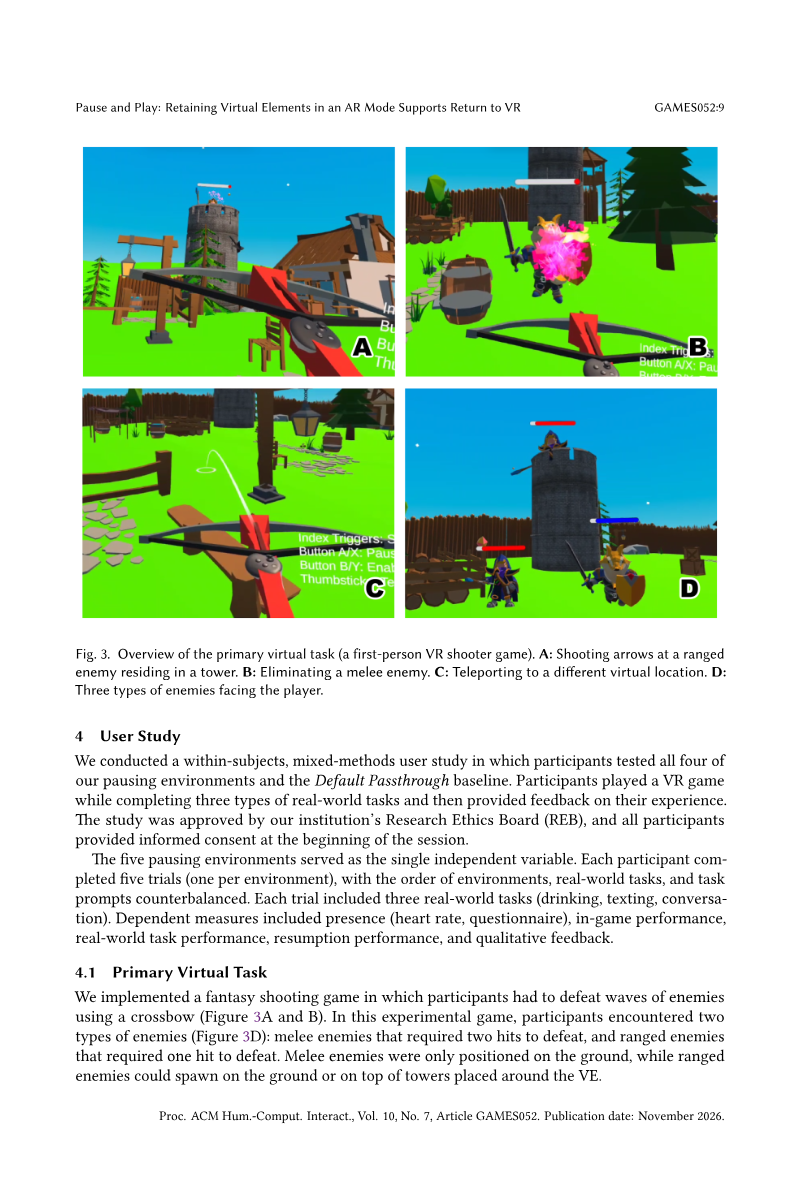
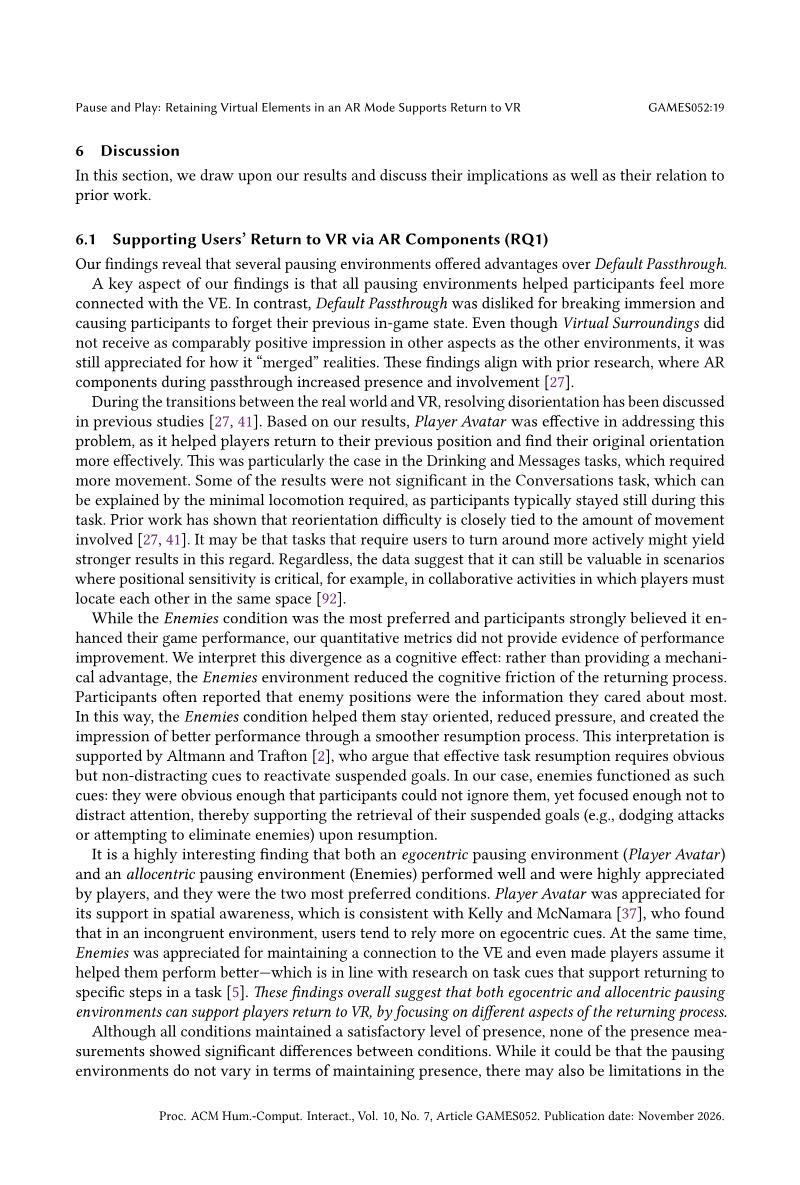
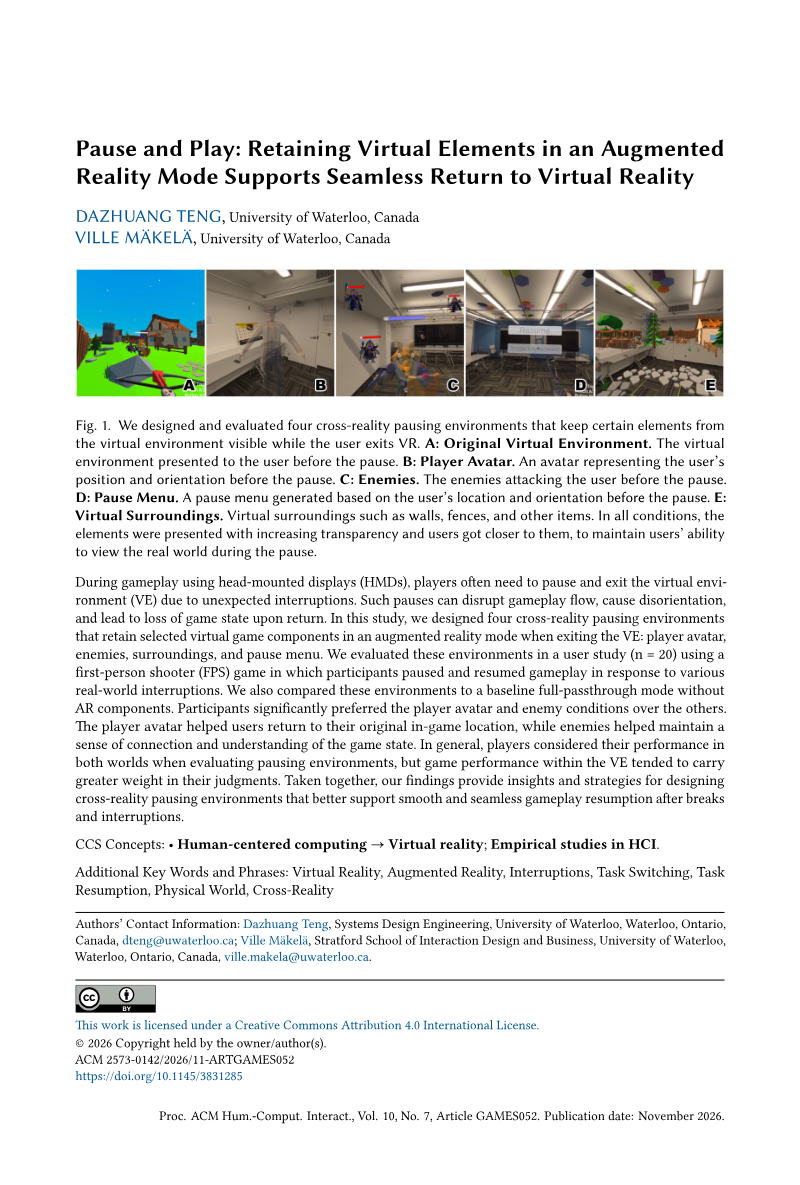
University of Waterloo · 2026

Eindhoven University of Technology · 2026
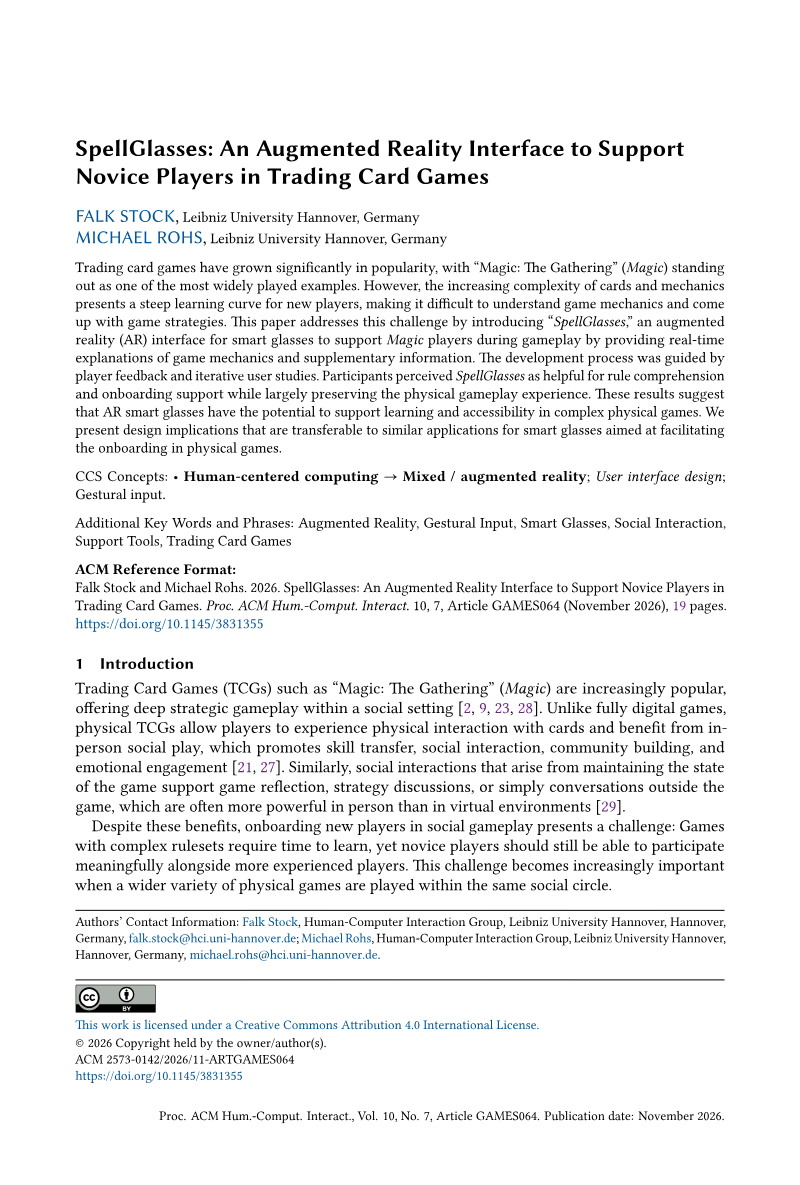
Leibniz University Hannover · 2026
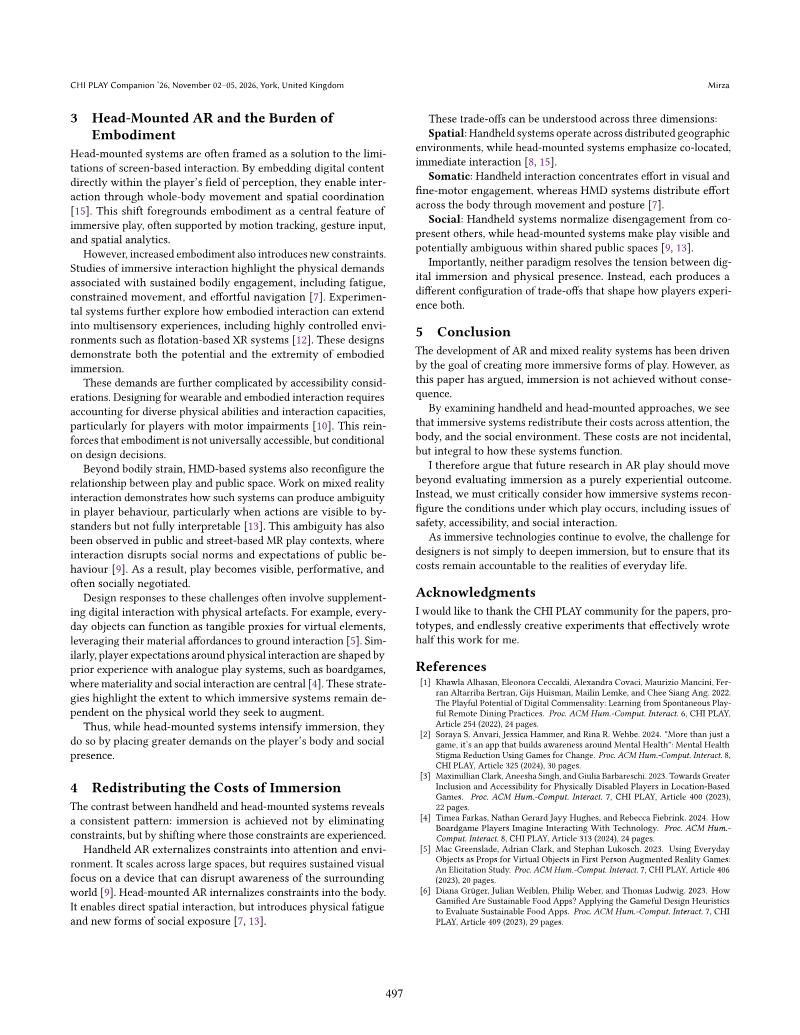

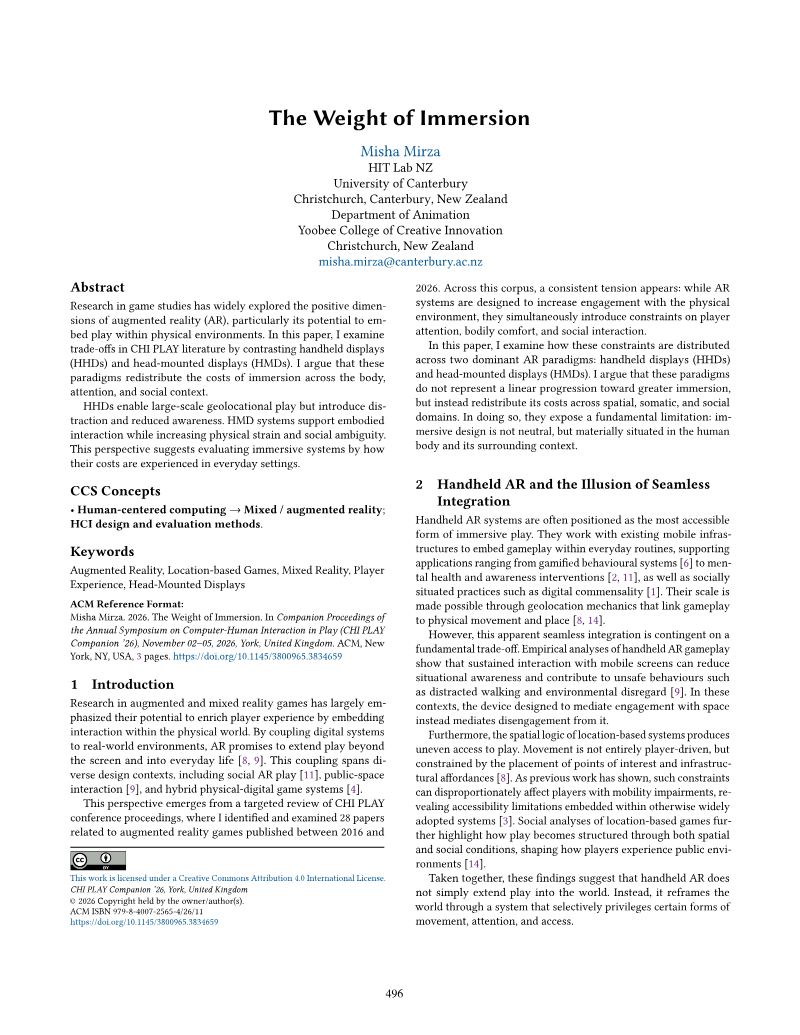
University of Canterbury · 2026
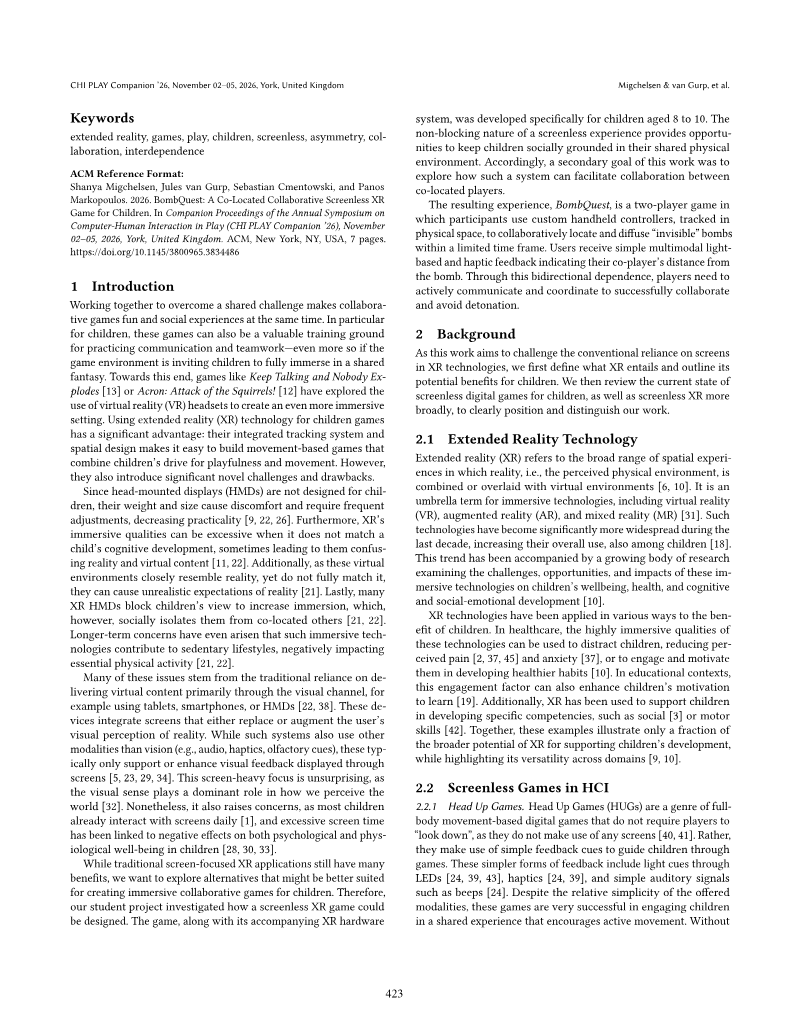
Eindhoven University of Technology · 2026
University of York · 2026
European Conference on Games Based Learning (ECGBL) · 2026


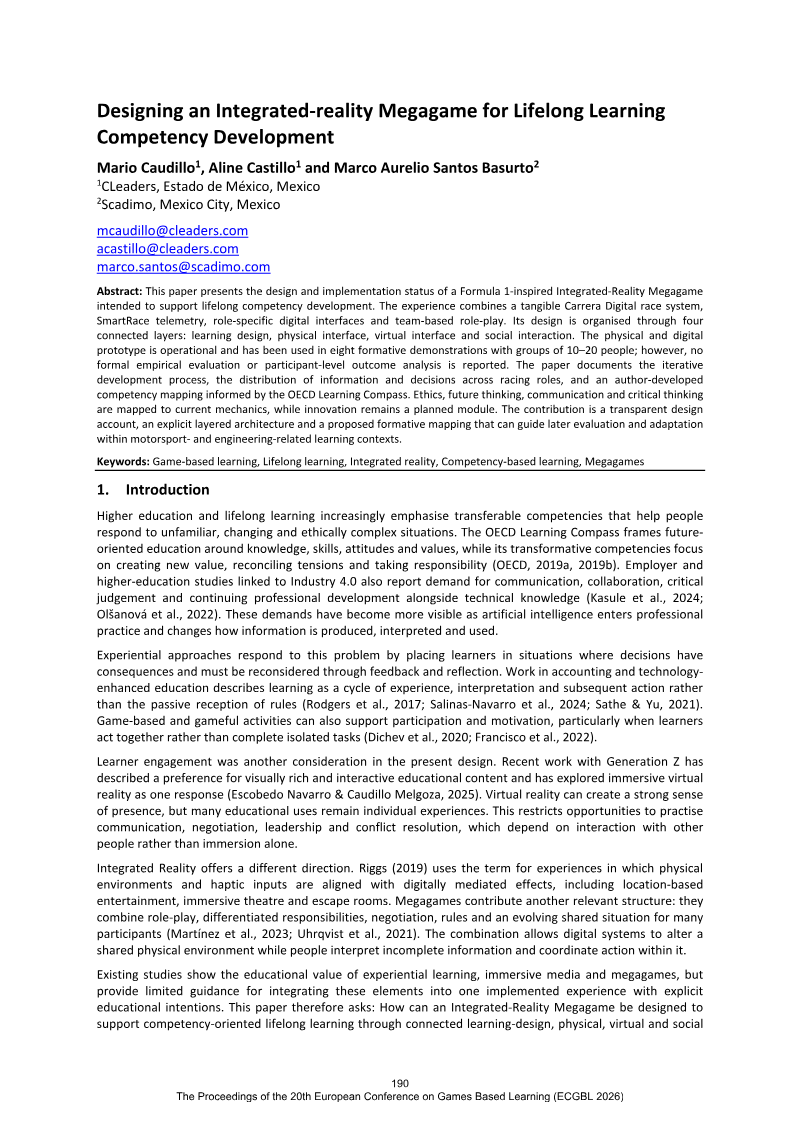
European Conference on Games Based Learning (ECGBL) · 2026


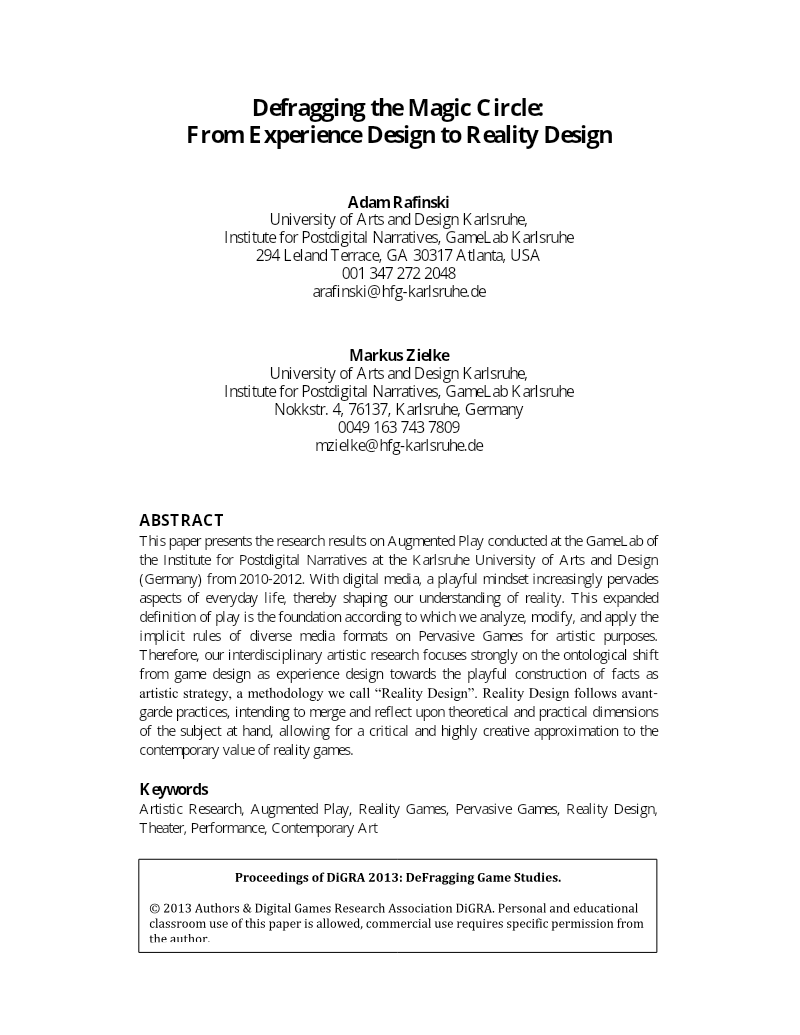
DiGRA · 2026
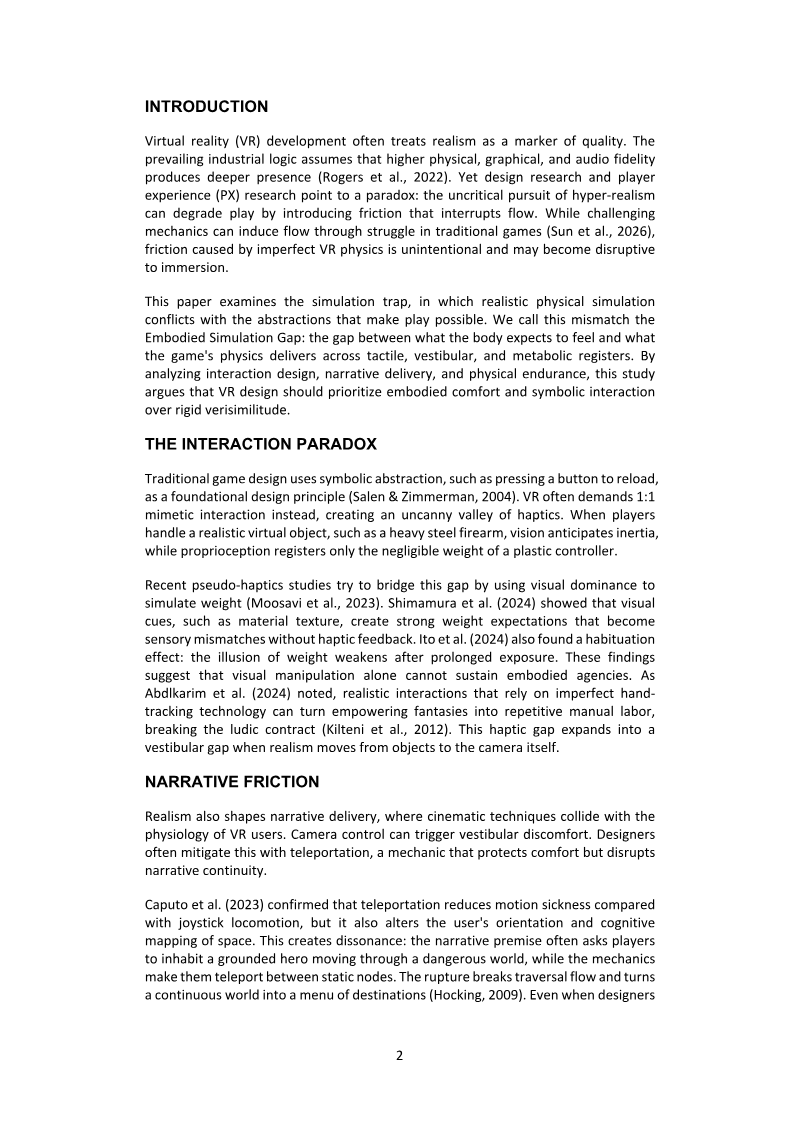

DiGRA · 2026

International Journal of Games and Social Impact · 2026
Comments