FinancialCyberAgent
Partial Correction to FY2022 Consolidated Financial Results (Japanese GAAP)
1 May 202519 pages~39 min full read
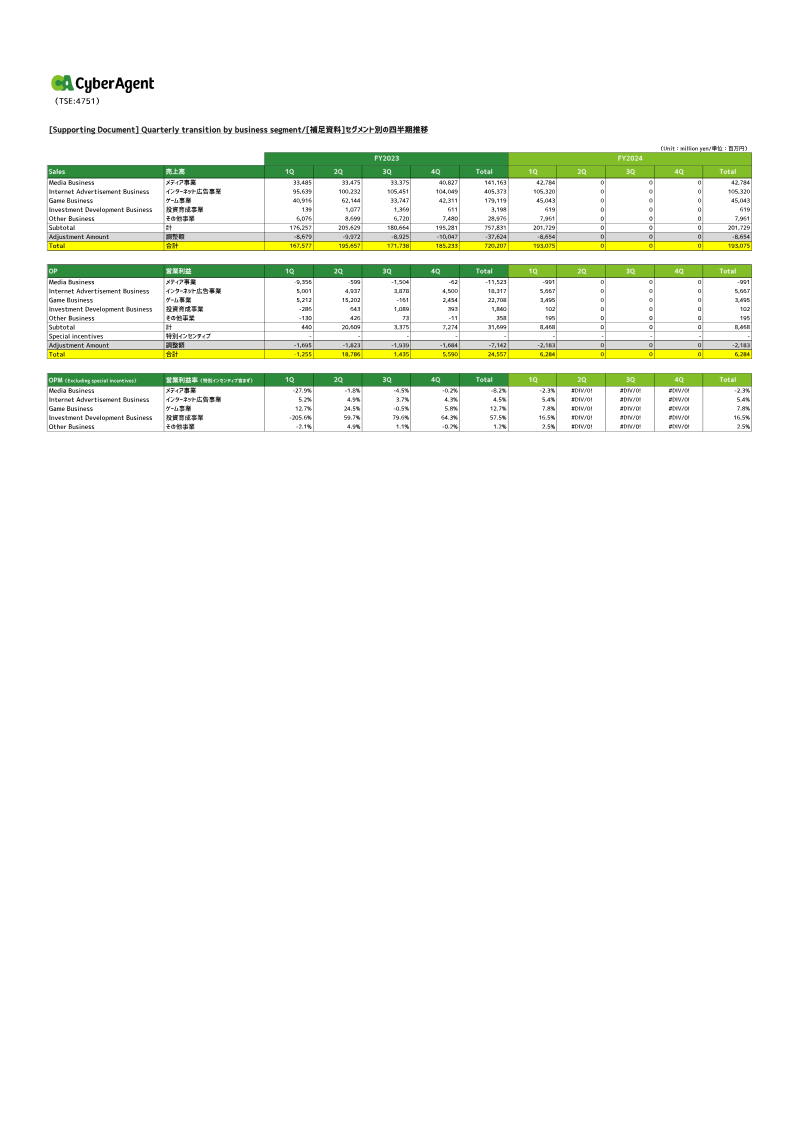
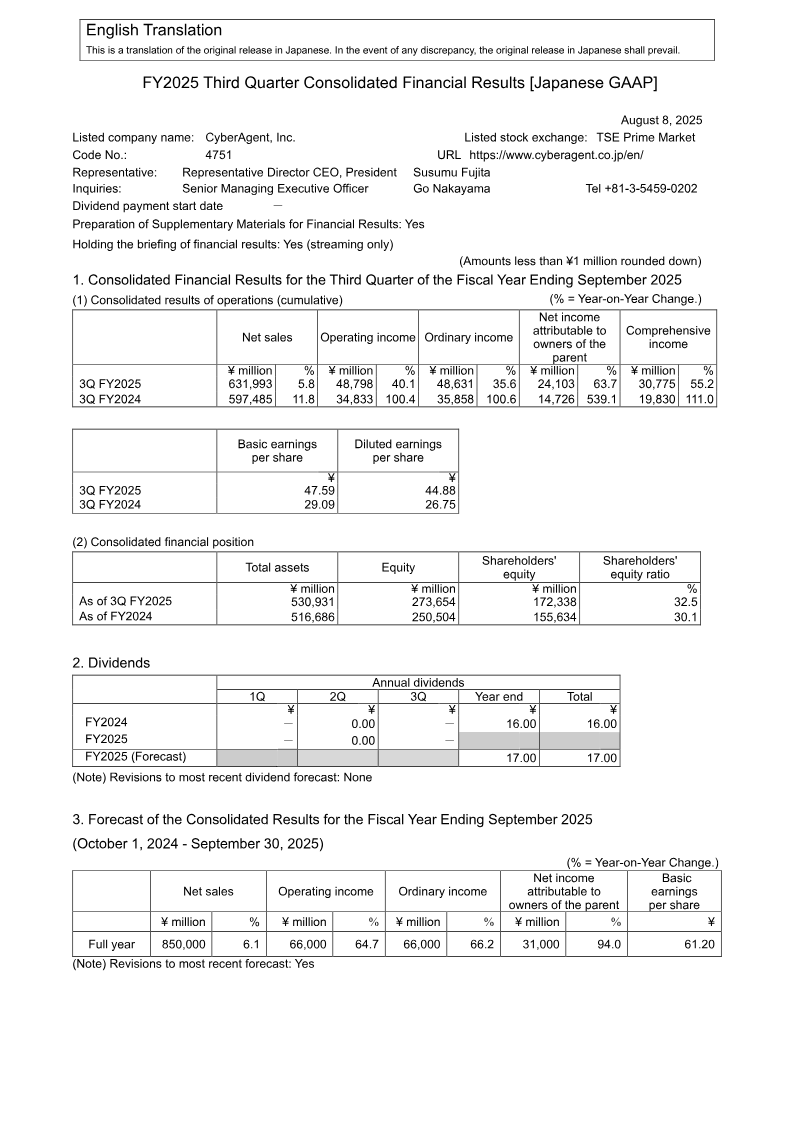
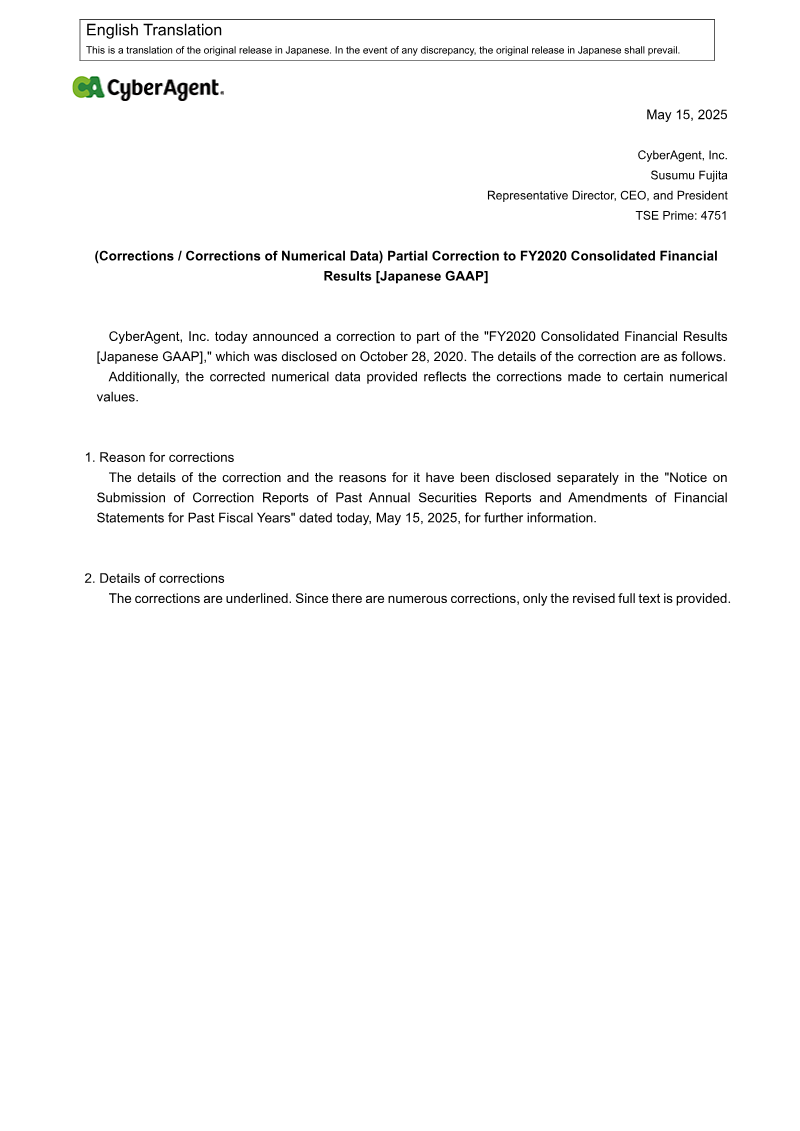
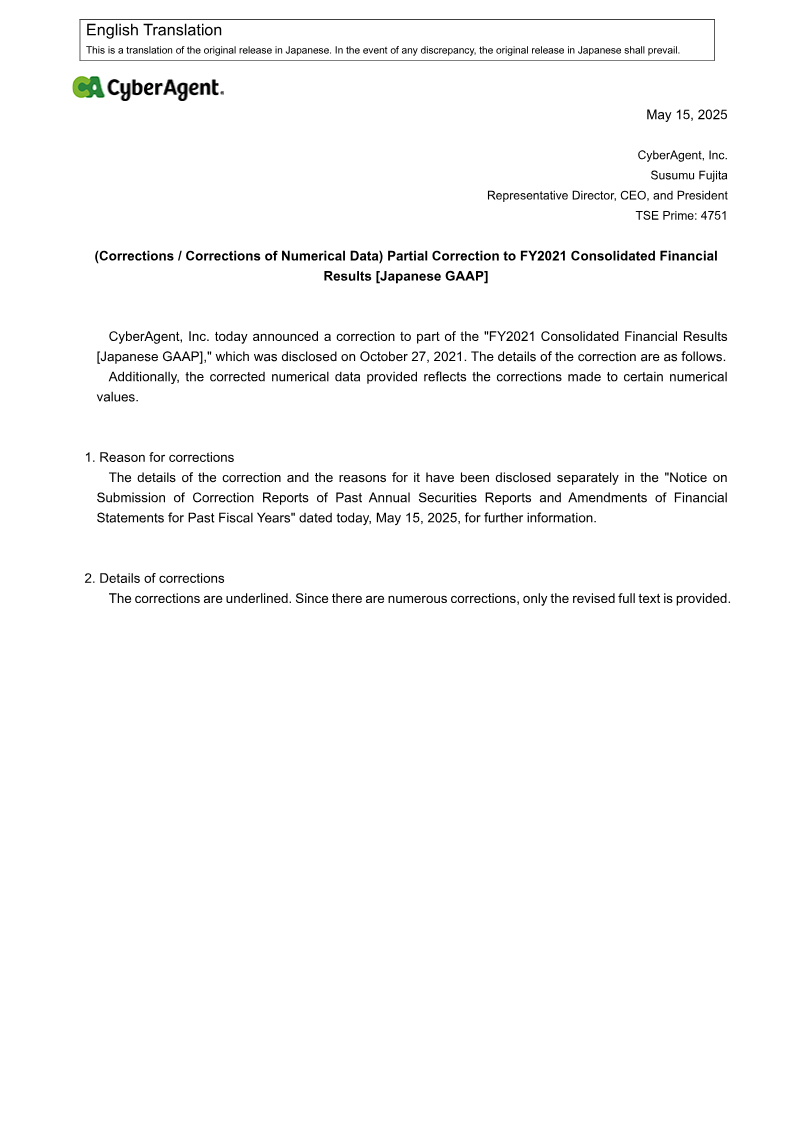
CyberAgent’s financial performance for the fiscal year ended September 30, 2022, reflects a period of strategic transition characterized by record-breaking growth in media and advertising alongside a significant contraction in the gaming sector. Consolidated net sales reached ¥709.9 billion, a 6.6% year-over-year increase, yet operating income fell 35.1% to ¥67.5 billion. This decline in profitability was primarily driven by the Game Business, where sales dropped 13.1% to ¥228.4 billion and operating income plummeted 37.2% due to the natural slowdown of major titles. Despite these headwinds, the Internet Advertisement Business achieved record sales of ¥376 billion, and the Media Business grew 35.5% behind the expansion of the ABEMA platform.
The fiscal year also marked a shift in financial health and accounting methodology. Total equity rose substantially to ¥221.2 billion, yet net cash from operating activities decreased from ¥109.6 billion to ¥17.9 billion, largely due to increased income tax obligations. Furthermore, the adoption of new revenue recognition standards altered how game item charges are recorded, moving from the point of purchase to the estimated usage period. These changes, combined with the transition to a group tax sharing system, resulted in basic earnings per share falling from ¥81.68 to ¥45.29.
Looking forward, the company maintains a stable dividend policy of ¥14.00 per share and projects modest growth for FY2023 with a net sales forecast of ¥720 billion. While the gaming segment remains a core profit driver, the overall corporate strategy increasingly relies on the diversification of revenue through digital media and advertising to offset the inherent volatility of the mobile gaming market. This corrected financial outlook underscores a period of high investment and structural adjustment within the Japanese digital entertainment and advertising landscape.
CyberAgent · 2026
CyberAgent · 2026
CyberAgent · 2026
CyberAgent · 2026
CyberAgent · 2025
CyberAgent · 2025
CyberAgent · 2025
CyberAgent · 2025
CyberAgent · 2025
CyberAgent · 2025
CyberAgent · 2025
CyberAgent · 2025
Capcom · 2026
Capcom Co. · 2026
Capcom · 2026
Sony Group Corporation · 2026

Square Enix · 2026
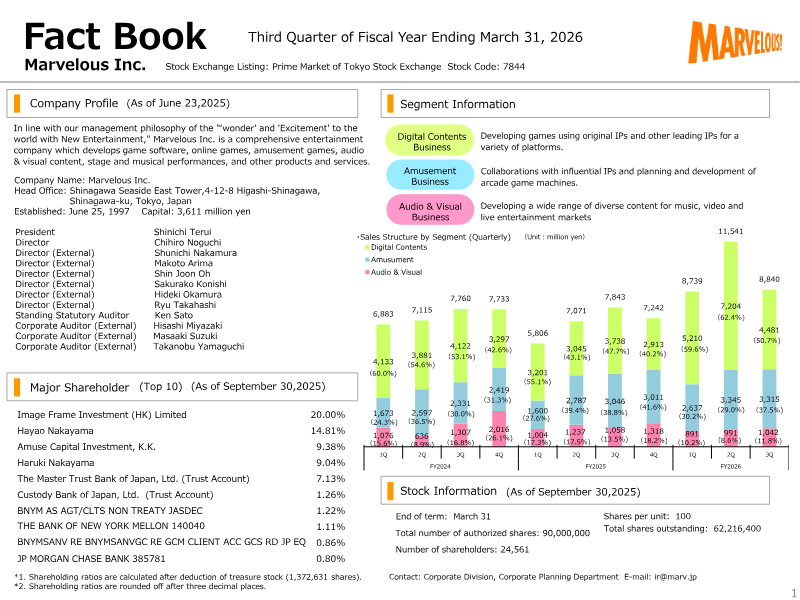
Marvelous · 2026
Square Enix · 2026
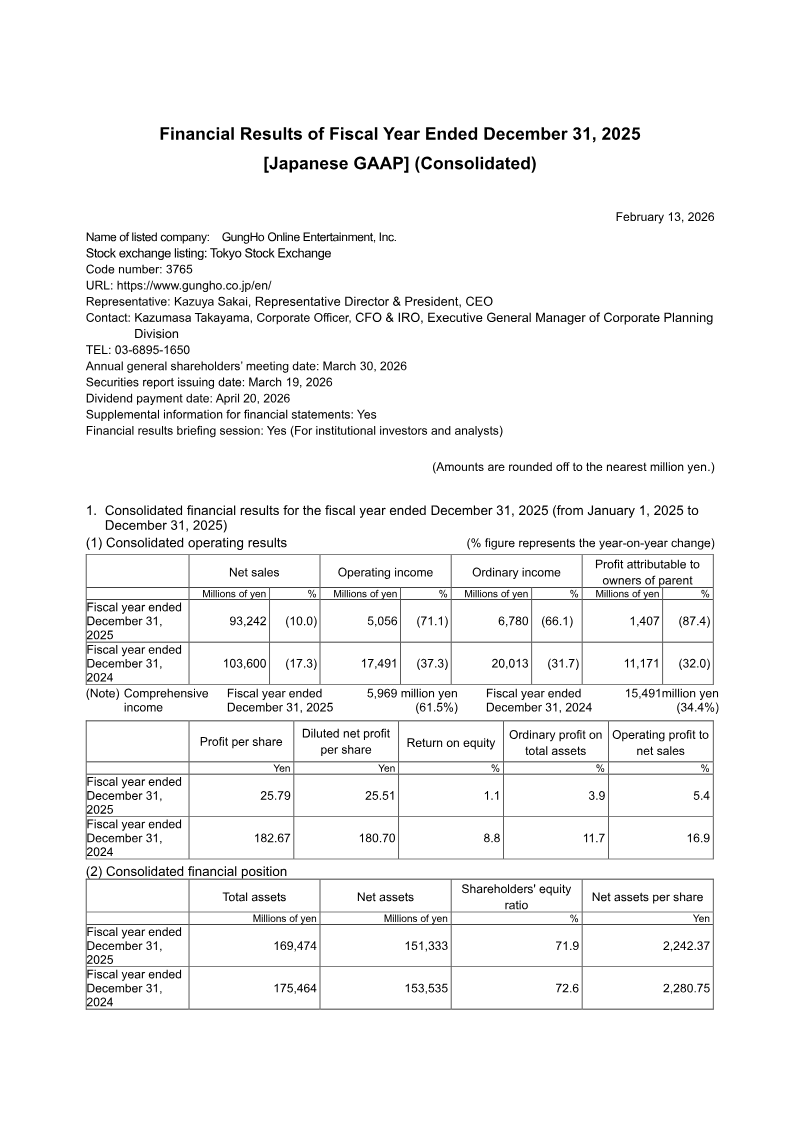
GungHo Online Entertainment · 2026
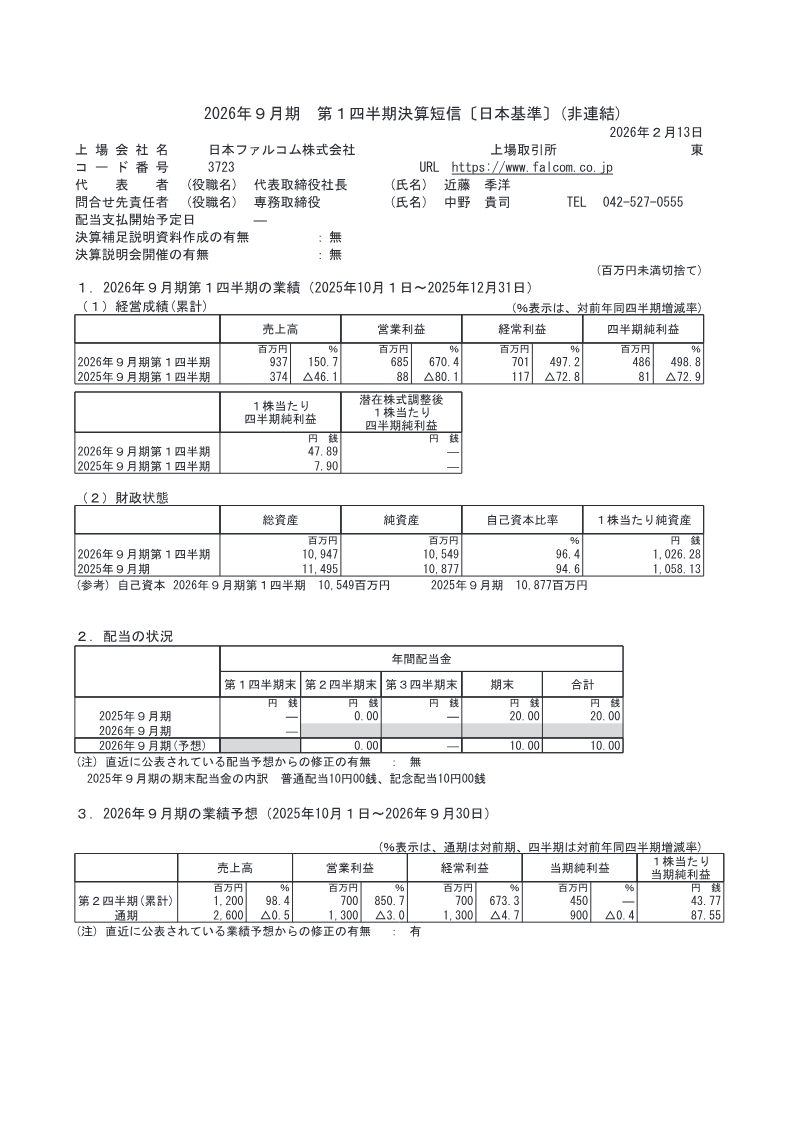
Nihon Falcom Corporation · 2026
Sega Sammy Holdings · 2026
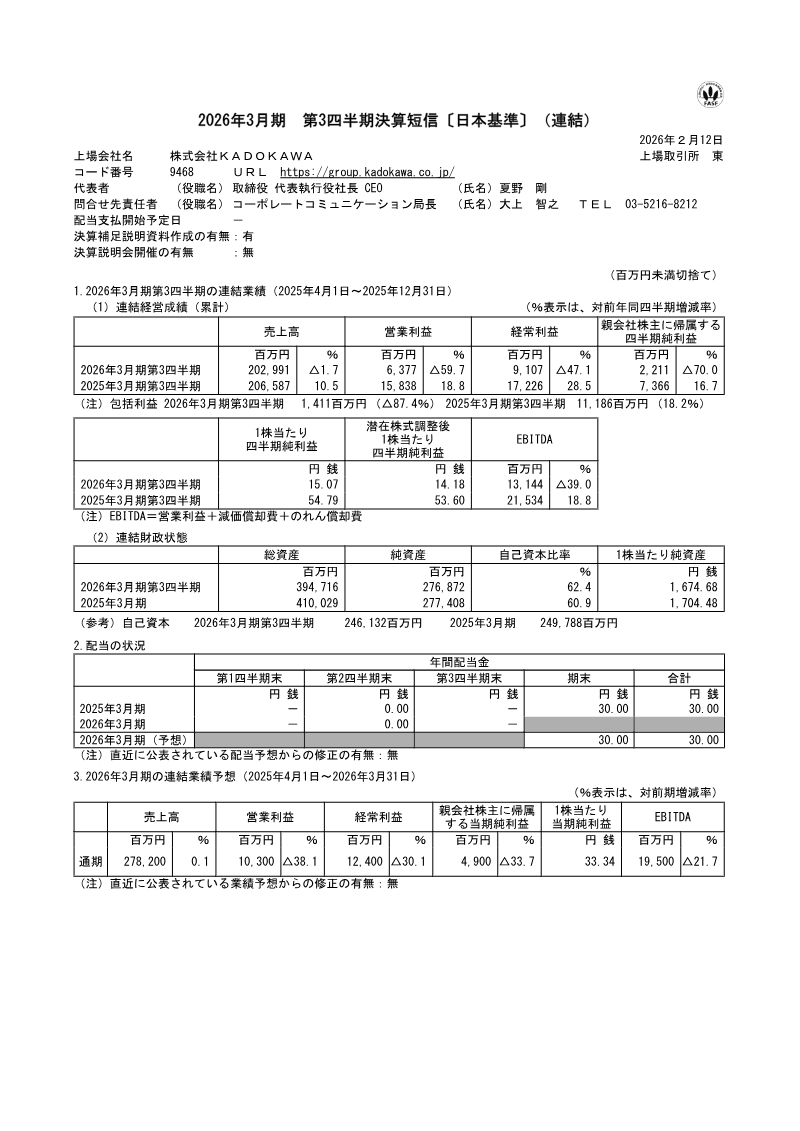
Kadokawa Corporation · 2026
Akatsuki · 2026