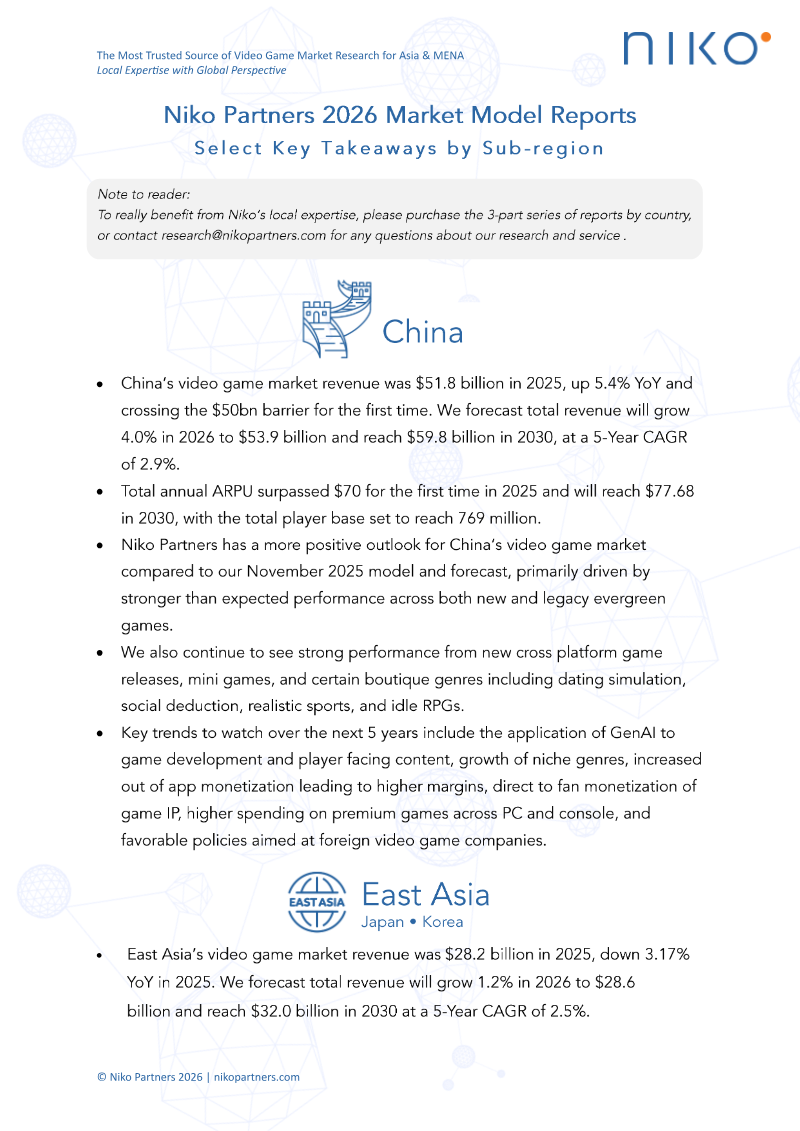
The mobile gaming landscape is currently defined by a shift toward hyper-viral social mechanics and the optimization of emerging advertising channels. A primary example of this shift is the explosive success of Sheep a Sheep in China, a title that leveraged extreme difficulty and social competition to achieve massive scale. While rumors suggested daily revenues reaching 7 million, the underlying mechanics highlight a broader trend of utilizing WeChat mini-programs to bypass traditional app store friction. This success underscores the power of regional social platforms in driving user acquisition through organic, community-driven loops rather than traditional paid media alone.
Strategic user acquisition now requires a nuanced approach to budget management and platform diversification. For developers operating with limited resources, the focus must remain on high-impact, low-cost testing to identify viable creative directions before scaling. Determining the precise moment to increase budgets depends on consistent performance metrics and the ability of the game’s economy to absorb higher traffic volumes. Furthermore, the expansion of Amazon Publisher Services and the maturation of UA on the Amazon platform offer new avenues for diversification, allowing developers to reach high-value audiences outside the saturated Google and Apple ecosystems.
The industry is also seeing a refinement in ad monetization strategies as publishers integrate more sophisticated header bidding solutions. These updates aim to increase transparency and competition among ad networks, ultimately driving higher yields for developers. As the market becomes more competitive, the integration of actionable insights from day-to-day operations—ranging from creative testing to platform-specific optimizations—remains essential for navigating the complexities of global game launches and sustaining long-term profitability in a volatile digital economy.