The 2025 landscape for mobile game development demands a rigorous, three-stage soft launch framework—Technical, Retention, and Monetization—to navigate escalating user acquisition costs and market saturation. This strategic blueprint emphasizes a data-driven approach that prioritizes technical stability in Tier 4 markets before progressing to Tier 2 and Tier 1 regions for long-term KPI validation. By utilizing a six-month testing window, primarily on Android to benefit from faster iteration cycles and robust optimization tools, developers can refine core loops and monetization strategies without the prohibitive costs of the US market.
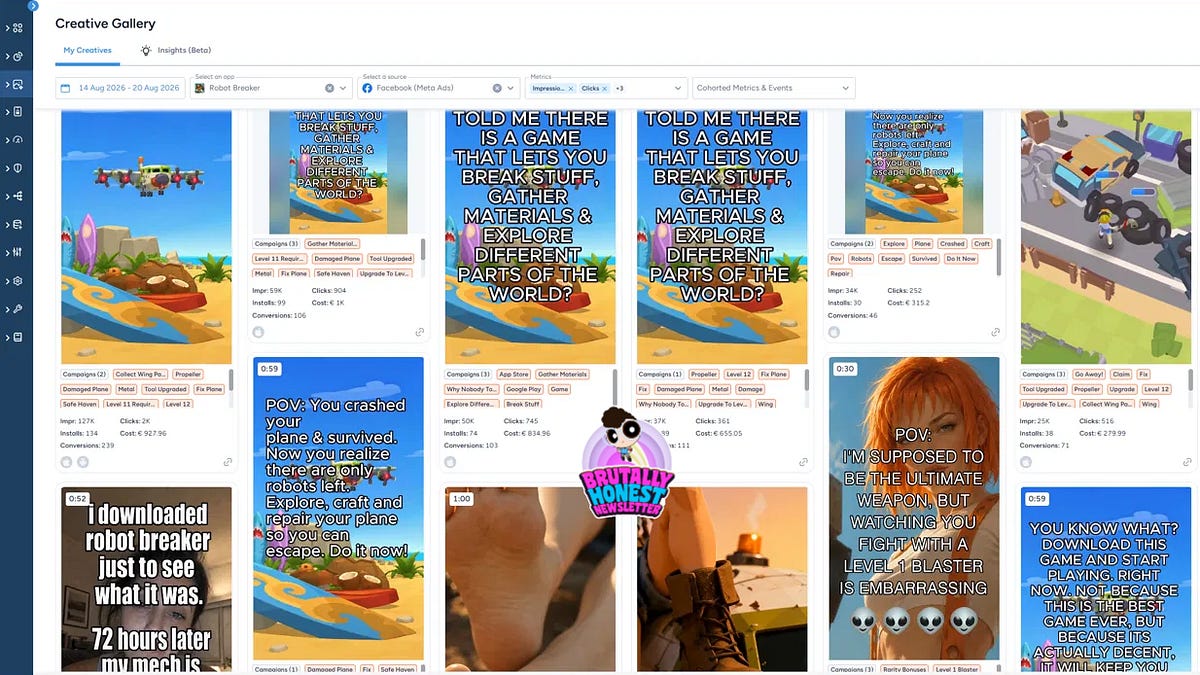
Success in the current privacy-centric era, defined by SKAN 4.0 and Meta AEM, requires a shift toward creative-led growth rather than granular audience targeting. Leveraging AI tools for rapid creative production is essential, as automated campaigns on platforms like Meta and TikTok now rely on high-volume creative testing to drive performance. To ensure statistical significance, each creative asset should reach 50 to 100 conversions. Furthermore, integrated ad monetization must be optimized to achieve at least five impressions per daily active user, targeting a revenue range of $0.06 to $0.15 per user through contextual placements such as resource offers and fail-state continues.
The operational strategy varies by genre, with PVP titles requiring continuous high-volume acquisition to maintain matchmaking liquidity, while non-PVP games can utilize cyclical bursts. Regardless of genre, developers must maintain a disciplined, objective outlook on performance data. If key metrics such as D30 and D60 retention fail to improve after multiple builds within a three-to-four-month window, the most viable path is project termination. This commitment to data-driven honesty prevents the scaling of non-viable products and ensures resources are allocated only to titles with proven market potential.