The mobile gaming landscape in 2025 demands a fundamental shift in user acquisition strategy, prioritizing creative volume and data-driven iteration over traditional high-production quality. Success in this environment requires a transition from simple media buying to a holistic creative leadership model that integrates competitor research with rigorous platform-specific testing on Facebook, Google, and TikTok. By implementing pre-evaluation frameworks like the "Boring" and "So What" tests, developers can effectively lower costs per install and significantly improve return on ad spend.
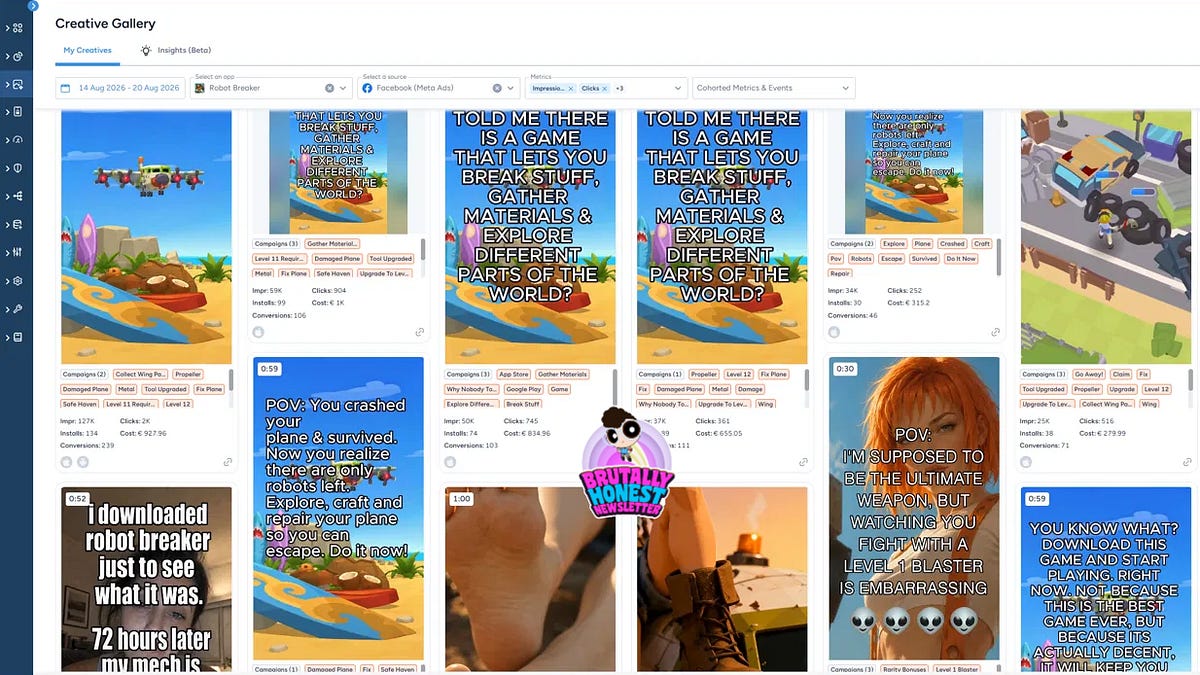
Data indicates that creative diversity and high-frequency refreshes—ideally two to three times per week—are essential to combat rising costs. Minor iterative adjustments to pacing, urgency, or camera angles can decrease costs per install by 50% while nearly doubling seven-day returns. High-performing assets currently leverage emotional hooks, hyper-casual mechanics, and "lo-fi" aesthetics to foster authenticity. Furthermore, the strategic integration of AI tools has revolutionized production efficiency, enabling the creation of high-performing assets for as little as $7 per video and allowing for the rapid generation of dozens of variations in under an hour.
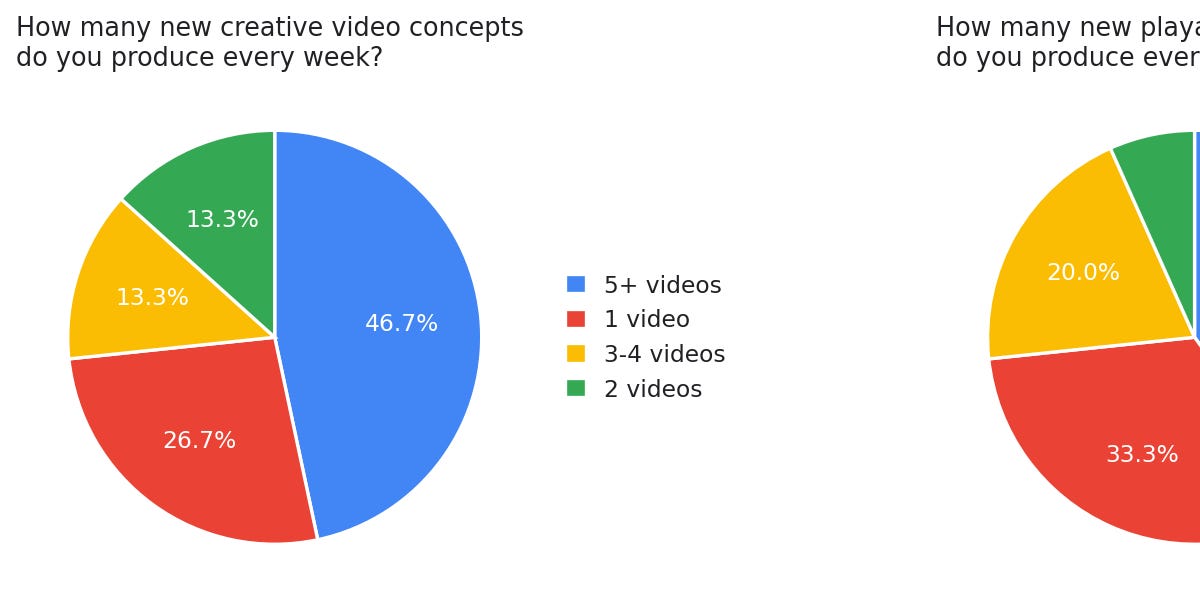
Strategic staffing and production targets must scale alongside budget, with high-spend accounts requiring upwards of 20 unique concepts per month. The current market favors AI-generated user-generated content, which frequently outperforms traditional assets. To maintain a competitive edge, UA managers should look beyond direct competitors for inspiration, adopting cross-genre trends and viral social media formats. Ultimately, the most effective 2025 strategy balances technical data optimization with a high-volume, AI-augmented creative workflow that prioritizes rapid testing and emotional engagement.