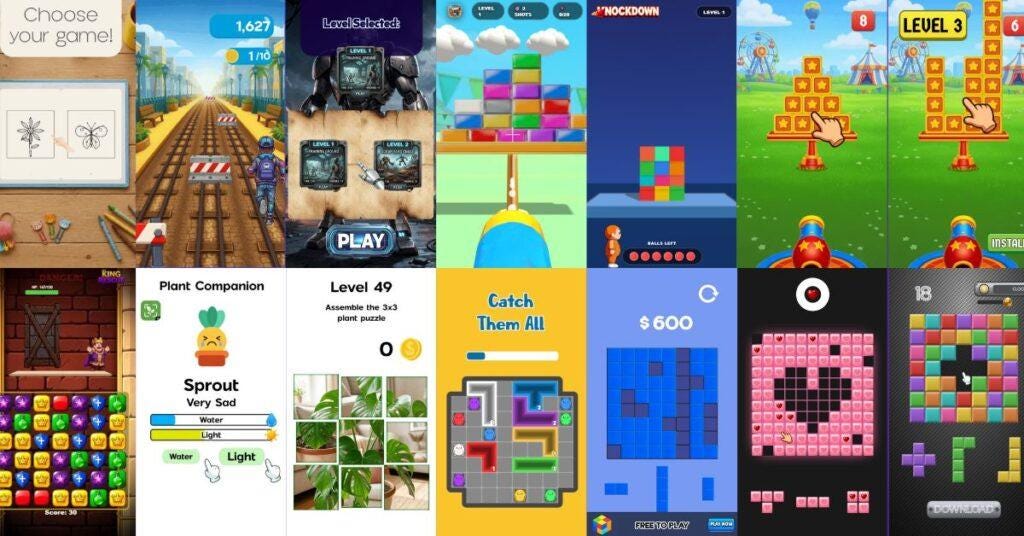
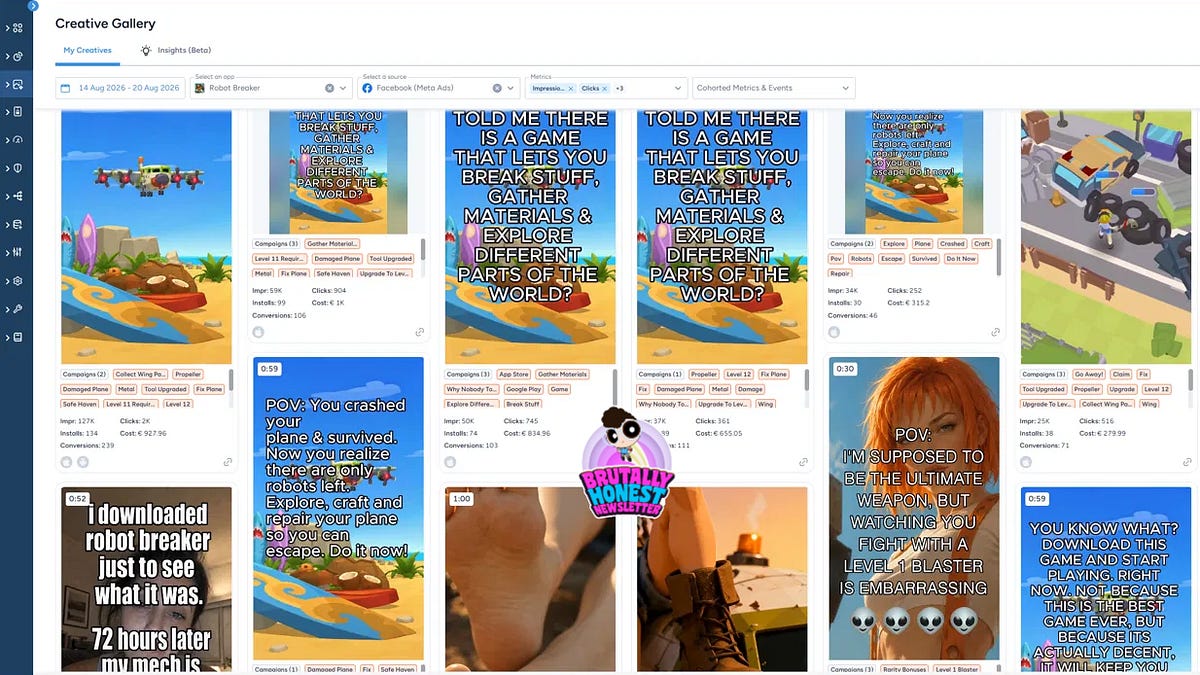
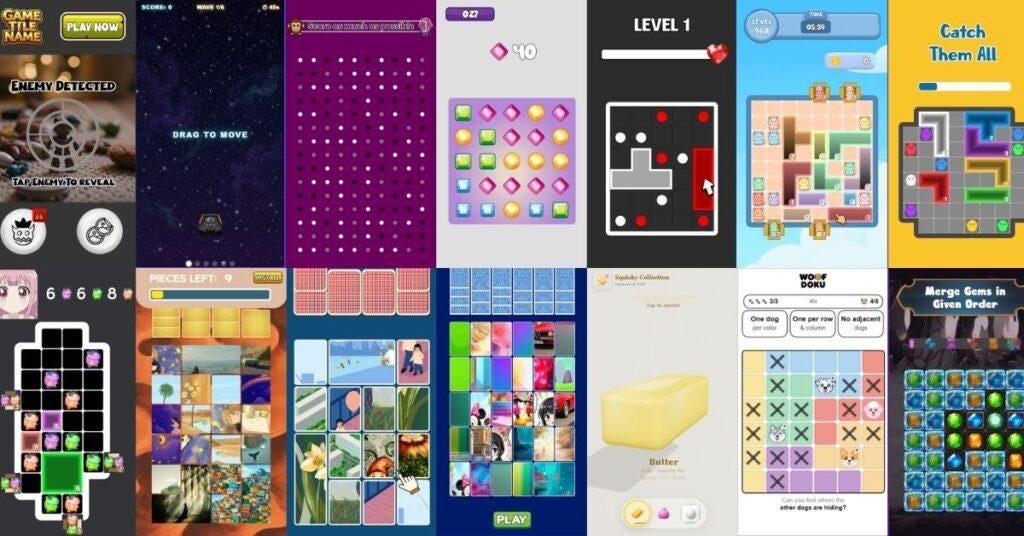
The mobile user acquisition landscape in early 2025 is defined by a significant resurgence in playable ads, driven largely by increased spending on SDK networks and the growing influence of platforms like AppLovin. Current creative strategies prioritize psychological engagement over literal gameplay representation, with a notable shift toward altered or entirely fabricated scenes that do not exist within the core game. This trend is particularly prevalent in the 4X strategy genre, where developers frequently replace complex map-based mechanics with building or idle loops to lower costs per install and broaden audience appeal.
Sophistication in playable design now involves leveraging hypercasual or ultracasual mechanics as entry points for more complex titles. Successful campaigns often utilize "second core loops" to mitigate the negative perception of fake ads while still benefiting from the high engagement rates of simplified mechanics. Data suggests that the most effective playables are those that adapt high-performing video concepts into interactive formats, often incorporating high-stakes "near-death experiences" to trigger player intervention. This integration of video and interactive end cards suggests a move toward holistic creative units rather than isolated ad formats.
Analysis of top-performing titles, including Whiteout Survival, Royal Match, and Township, reveals a cross-genre pollination strategy where simulation mechanics are used to market diverse game types. The industry is moving toward more personalized, targeted interactive experiences that utilize sophisticated game features to capture player attention. Future developments are expected to further integrate artificial intelligence and user-generated content into these interactive briefs, emphasizing a deep understanding of player psychology to maintain competitive edge in a crowded marketplace.