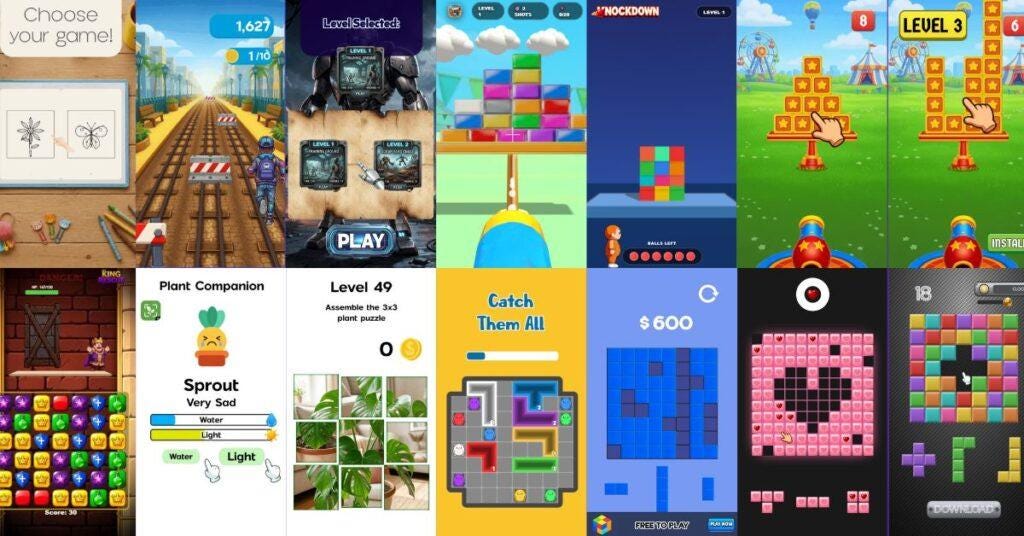
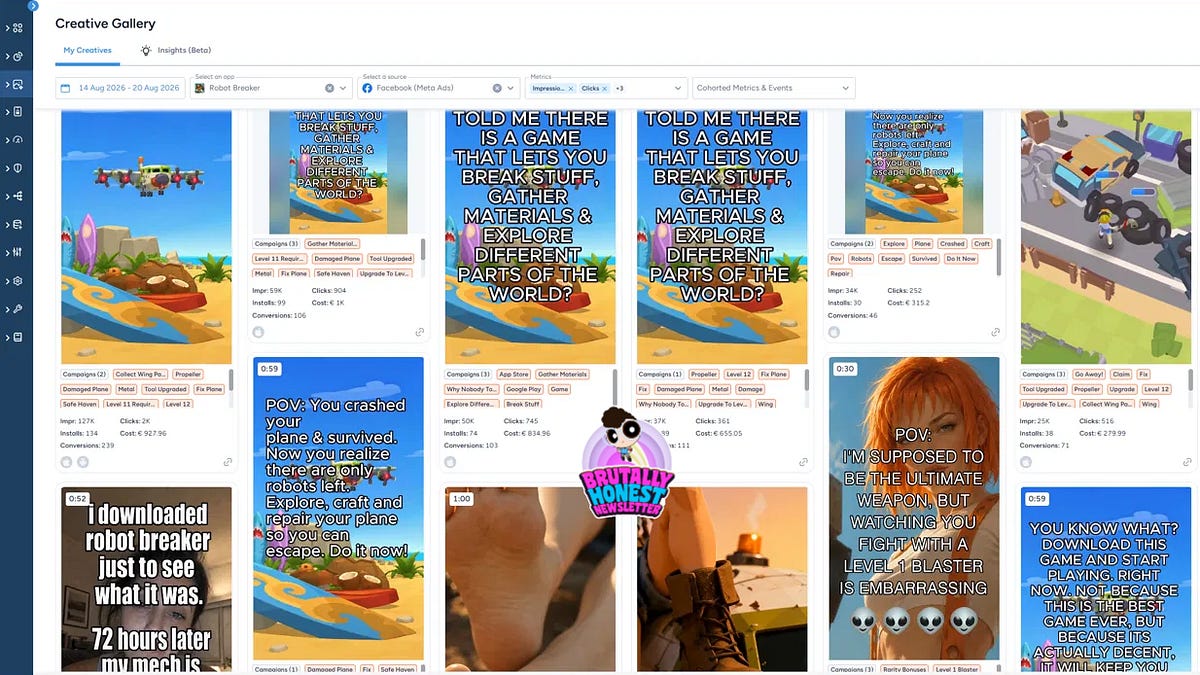
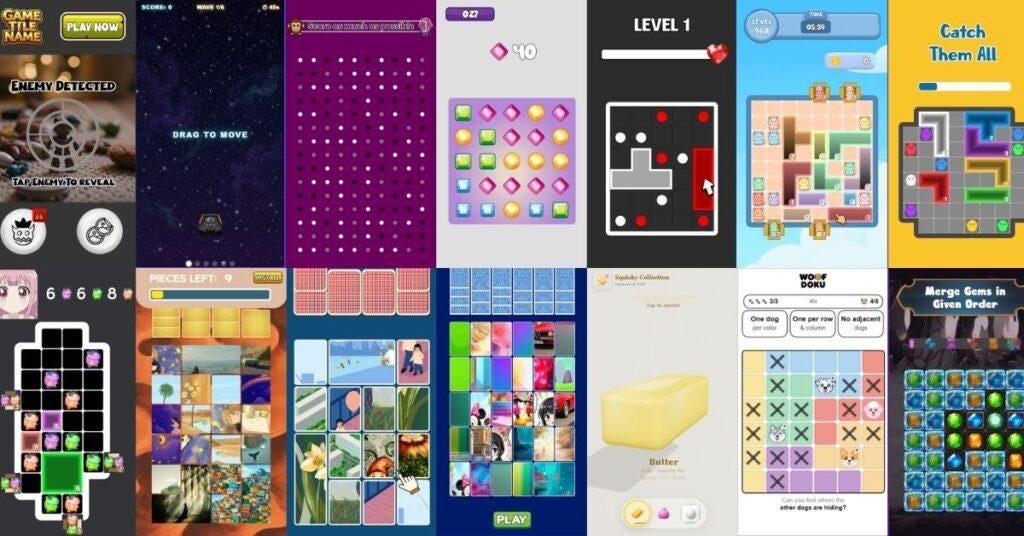
The mobile user acquisition landscape in early 2025 is experiencing a significant resurgence in playable ads, driven largely by increased spending on SDK networks and the scaling capabilities of platforms like Applovin. Current strategies prioritize sophisticated, multi-click experiences over simple interactions, moving toward complex designs that utilize various game features. A prominent trend involves the use of "altered" gameplay, where levels are hand-crafted to provide an ASMR-like, satisfying sensory experience that may not exist in the base game. This approach aims to lower costs per install by leveraging high-engagement mechanics from hypercasual and ultracasual genres to market more complex titles.
Strategic shifts among top-performing titles, such as Royal Match and Whiteout Survival, demonstrate a move toward integrating secondary core loops into advertisements. By incorporating popular mechanics like block puzzles or idle building into the playable experience, developers can mitigate "fake ad" perceptions while appealing to broader player psychologies. This trend extends beyond gaming into non-gaming applications like Duolingo and Retake AI, which utilize interactive end cards and playable elements to scale. The integration of video ads with interactive components is becoming the industry standard, suggesting a future where user-generated content and AI-driven customization further refine these creative assets.
The current market analysis covers a diverse range of segments, including 4X strategy, puzzle, and rewarded user acquisition channels. Key titles currently leading these creative trends include Township, Travel Town, and Cup Heroes, alongside utility and entertainment apps like Drama Pops. The methodology emphasizes the importance of the "whole creative" approach, where the transition from video to interactive end card is seamless. Ultimately, the data suggests that successful playable strategies now rely on deep psychological triggers and cross-genre mechanical inspiration to maintain competitiveness in a saturated mobile marketplace.