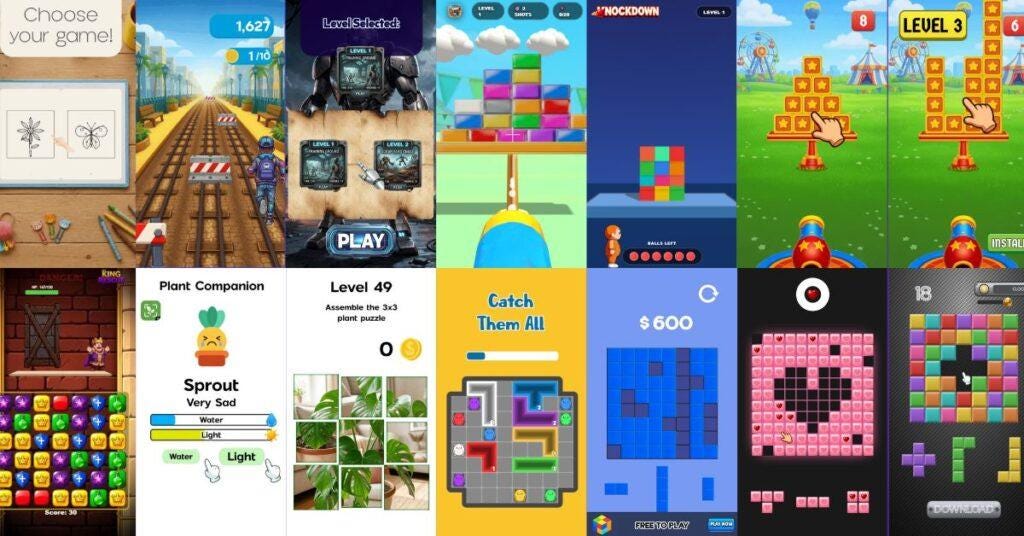
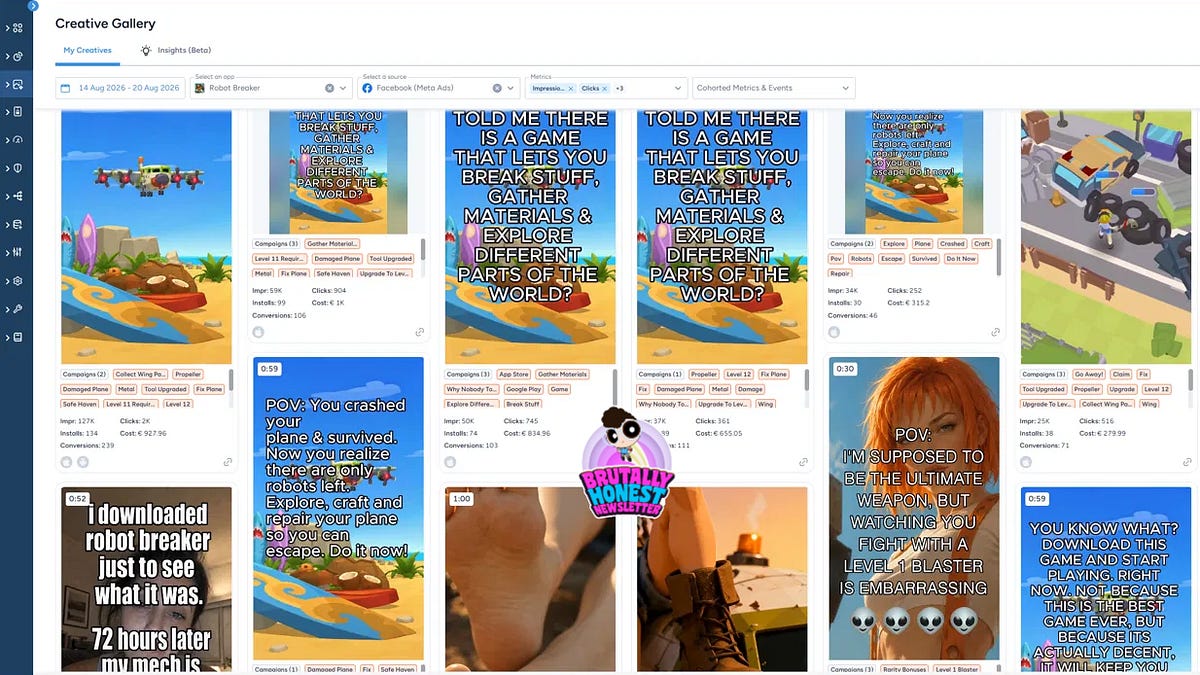
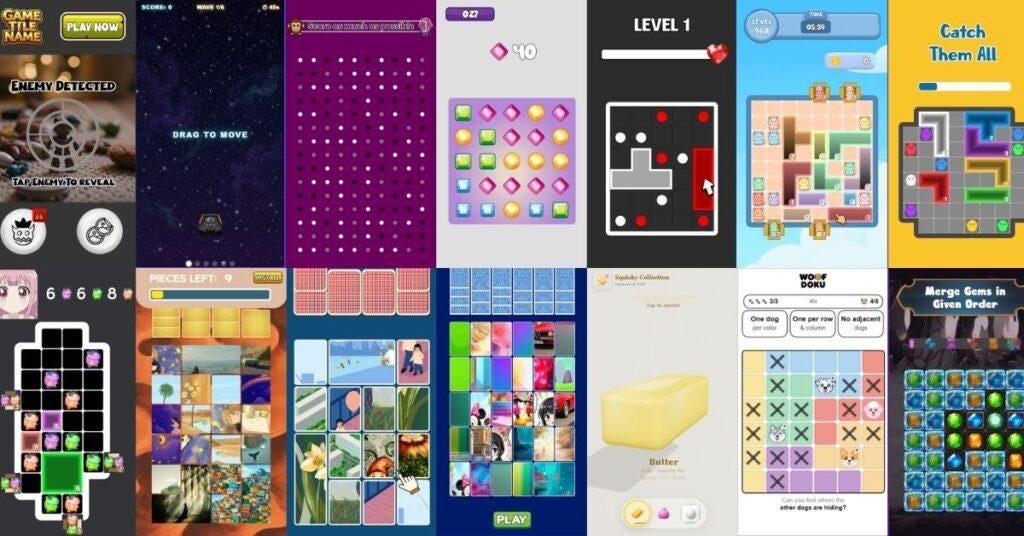
This analysis examines the strategic and technical implementation of playable ads within mobile user acquisition (UA) for 2024. The primary thesis asserts that playable ads are no longer optional for scaling mobile games outside of major social platforms. Despite their effectiveness, data indicates a significant adoption gap, with only 7% of mobile gaming advertisers currently utilizing the format. Usage varies by genre, appearing in 13% of hypercasual ads but only 1% of RPG creatives.
The findings highlight the superior performance of interactive formats, noting that playable ads drive 27x higher conversion rates than banner ads and 4x higher than standard video. Economically, they are highly efficient on Android, with a cost-per-install of approximately $0.60, which is less than half the cost of native ads. The technical framework for these ads relies on HTML5 and JavaScript, often utilizing game engines like PixiJS or Phaser. A critical constraint identified is the strict 5MB file size limit imposed by most ad networks, requiring aggressive asset compression and Base64 encoding.
The scope of the analysis covers major global ad networks, including AppLovin, Meta, Google, and TikTok, while noting that performance currently excels on specialized networks like Mintegral and IronSource. Methodologically, the insights are drawn from industry benchmarks, Liftoff data, and the author’s proprietary experience in creative production. Key recommendations for success include maintaining a gameplay duration of 15 to 28 seconds, implementing clear visual cues, and utilizing a five-part structure: intro, tutorial, gameplay, feedback, and call-to-action. The conclusion emphasizes that while no-code tools like 2DKit and PlayableMaker lower the barrier to entry, rigorous A/B testing of in-ad metrics such as Time to Engage (TTE) and win/loss click-through rates is essential for sustainable growth.