The Match 3D user acquisition landscape offers a strategic advantage over traditional 2D match-3 categories due to lower market saturation and the absence of dominant industry giants. By leveraging the unique visual dimension of 3D mechanics, developers can craft compelling marketing narratives that stand out in a crowded mobile gaming space. Performance data indicates that a Day 7 retention rate above 25% serves as a primary benchmark for success, though long-term player retention over a year is equally vital for sustainable monetization. Generally, iOS platforms demonstrate superior retention profiles compared to Android for this subcategory.
Effective channel distribution relies heavily on Applovin, which frequently yields the highest return on ad spend (ROAS) through blended Day 0 and Day 7 campaigns. Because Match 3D games typically derive 60-70% of revenue from in-app purchases, optimizing for blended ROAS via mediation tools is essential. Other high-performing channels include Unity Ads for targeted ROAS campaigns in Tier 1 geographies, Moloco for diversified creative formats, and TikTok specifically for iOS when utilizing creative challenge content. While Facebook often presents high cost-per-install figures, sometimes exceeding $200, it remains a necessary component of the mix for its contribution to baseline revenue.
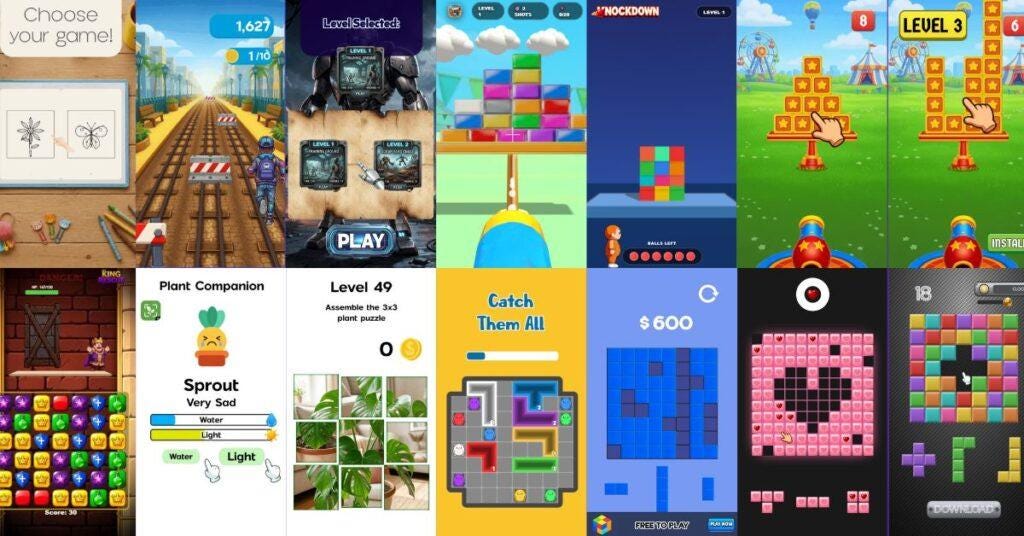
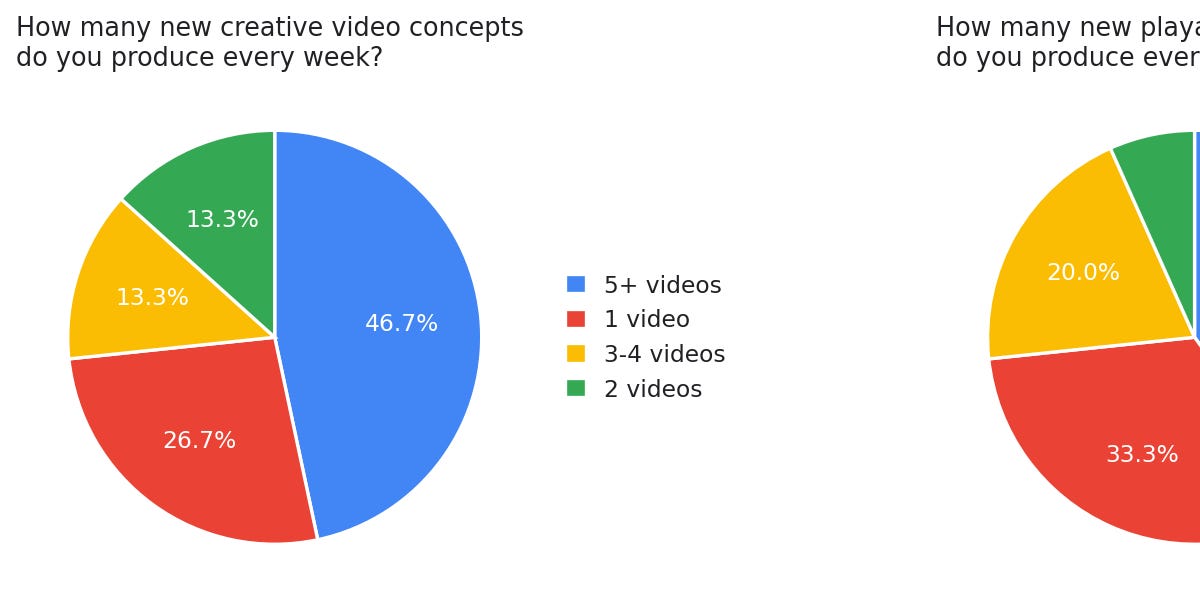
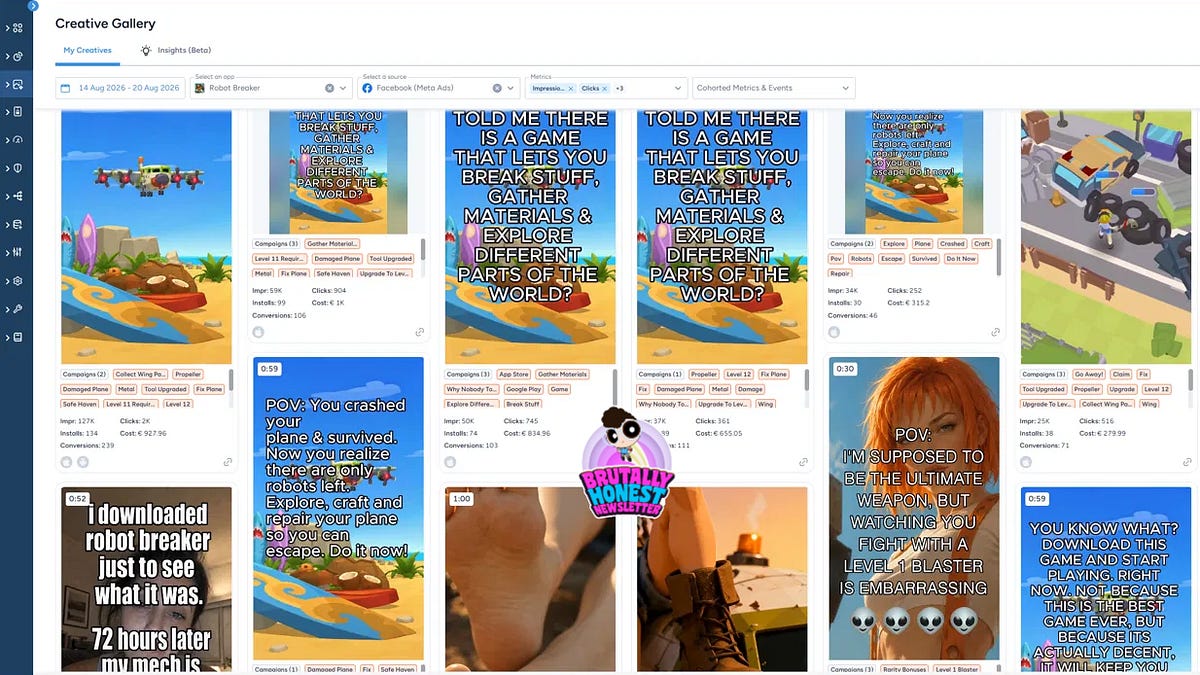
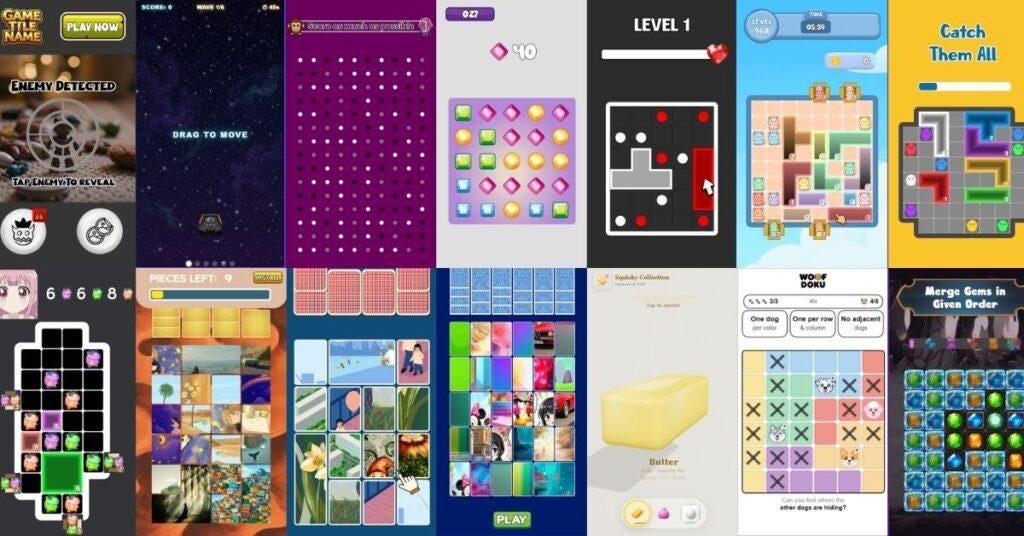
Creative strategy focuses on achieving an Installs Per Mille (IPM) of at least 6 by mixing real gameplay with short narratives and high-quality visual hooks. Playable ads are considered mandatory for scaling on ad networks, while user-generated content and AI-driven creatives are increasingly effective. Successful campaigns prioritize iterative testing and the use of "fake ads" or additional mechanics to capture attention, emphasizing that even small creative adjustments can compound into significant performance gains across global markets.