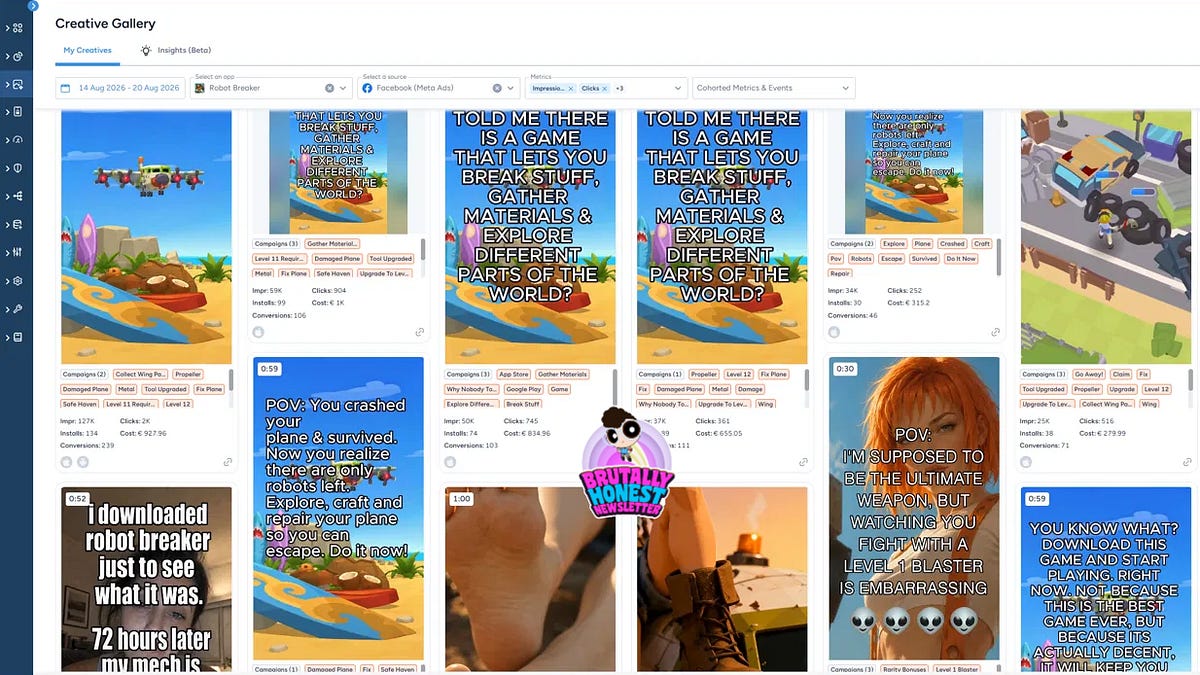
The prevalence of deceptive mobile game advertising is driven by a simple economic reality: as long as the lifetime value of a user exceeds the cost per install, these tactics remain highly profitable. Despite widespread consumer annoyance and occasional regulatory "slaps on the wrist" from organizations like the UK’s Advertising Standards Authority, major platforms such as Google, Apple, and Meta have little incentive to strictly police these ads due to the billions in revenue they generate. The effectiveness of this strategy is evidenced by massive growth for developers like Nexters, whose game Hero Wars reached a $1.9 billion valuation and 36 million downloads through such campaigns.
The current landscape of misleading advertising includes hypersexualized content, stolen intellectual property from independent artists, and predatory gambling-style ads that promise unrealistic financial payouts. While these methods yield short-term financial gains, they inflict long-term damage on consumer trust and industry reputation. Furthermore, developers risk future legal liability as public backlash grows and platforms eventually face pressure to implement harsher punishments.
A more sustainable path forward involves "tasteful" user acquisition that balances engagement with honesty. Successful developers are increasingly using "altered gameplay" ads—which highlight specific appealing concepts or custom-built levels in Unity—rather than outright fabrications. Other effective strategies include utilizing high-quality hooks that prioritize humor or visual curiosity over shock value, and "breaking the fourth wall" by using self-aware marketing that mocks the fake ad trend. Ultimately, the transition toward more ethical advertising requires a systematic creative testing process and a focus on building long-term brand loyalty rather than relying on deceptive, high-churn tactics.