This analysis explores the evolving landscape of mobile user acquisition (UA) in a post-IDFA environment, focusing on creative testing strategies and operational efficiency. The primary thesis emphasizes that creative production has become the most critical lever for UA success, necessitating a disciplined yet flexible approach to budget allocation and testing cycles.
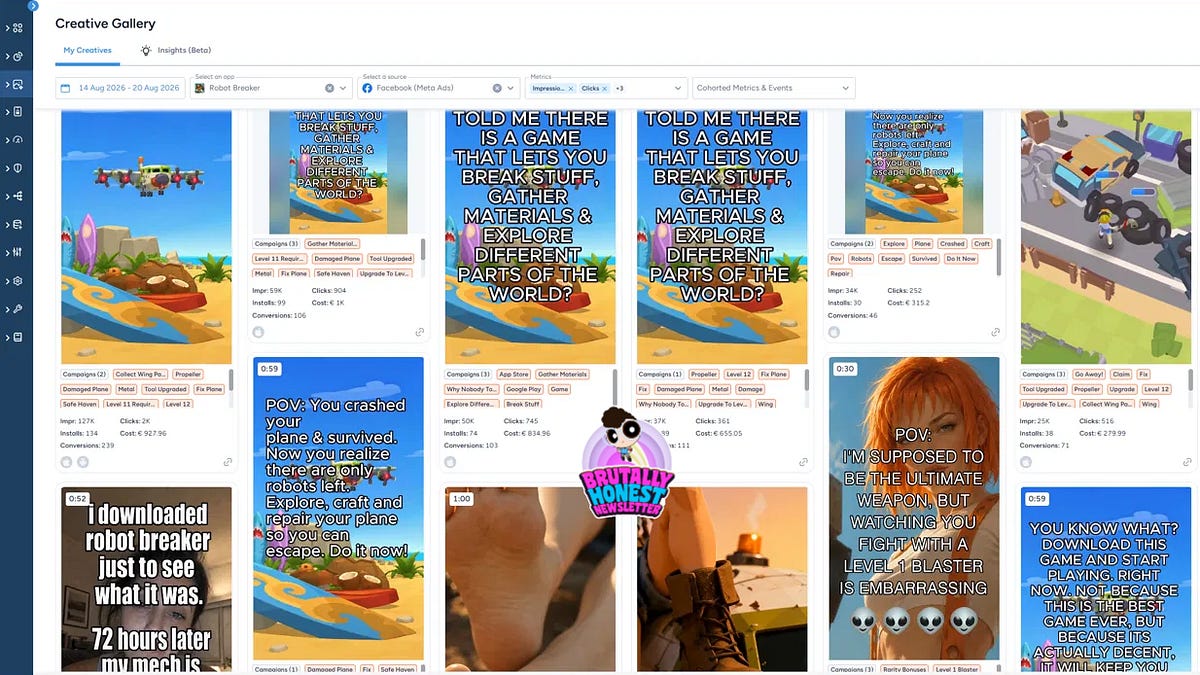
Key findings suggest that mobile marketers should ideally allocate 10% to 20% of their total monthly budget specifically to creative testing campaigns. For smaller operations with monthly spends between $10,000 and $50,000, the recommendation is to bypass dedicated testing environments and instead integrate new assets directly into "business as usual" campaigns to replace underperforming creatives. A successful testing phase typically requires achieving at least 100 installs per creative over a three-to-five-day period to gather statistically significant data.
The scope of the discussion covers the global mobile gaming industry, specifically highlighting the competitive "tile game" sub-segment through a comparative analysis of Triple Tile and Triple Match 3D. This comparison examines ad monetization, UA techniques, and game design. Additionally, the analysis addresses the psychological aspects of campaign management, cautioning against the urge to make excessive manual changes to campaigns that are already meeting performance goals, as over-optimization can inadvertently degrade performance.
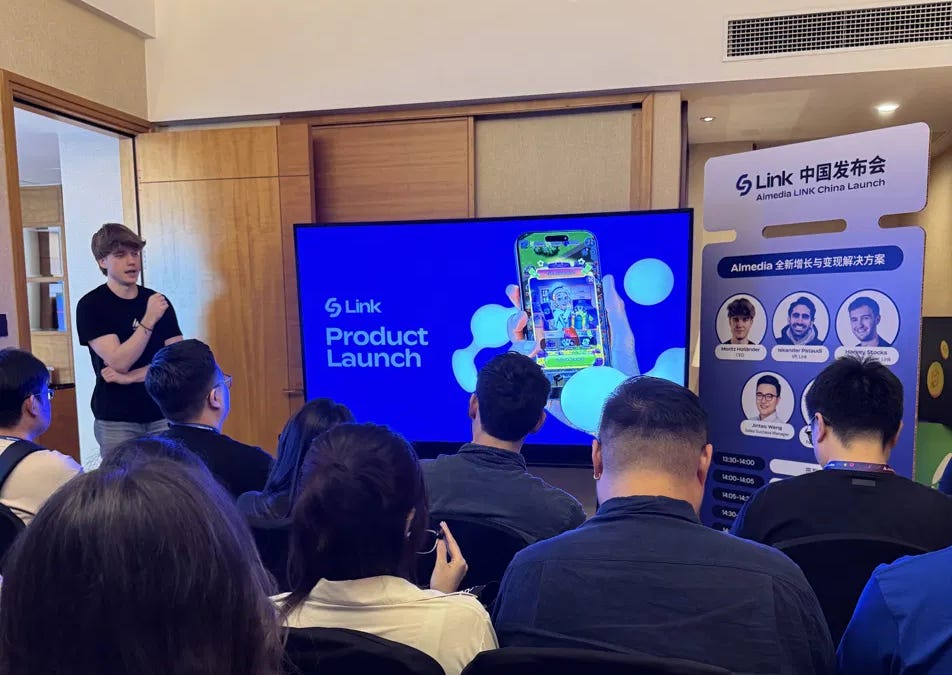
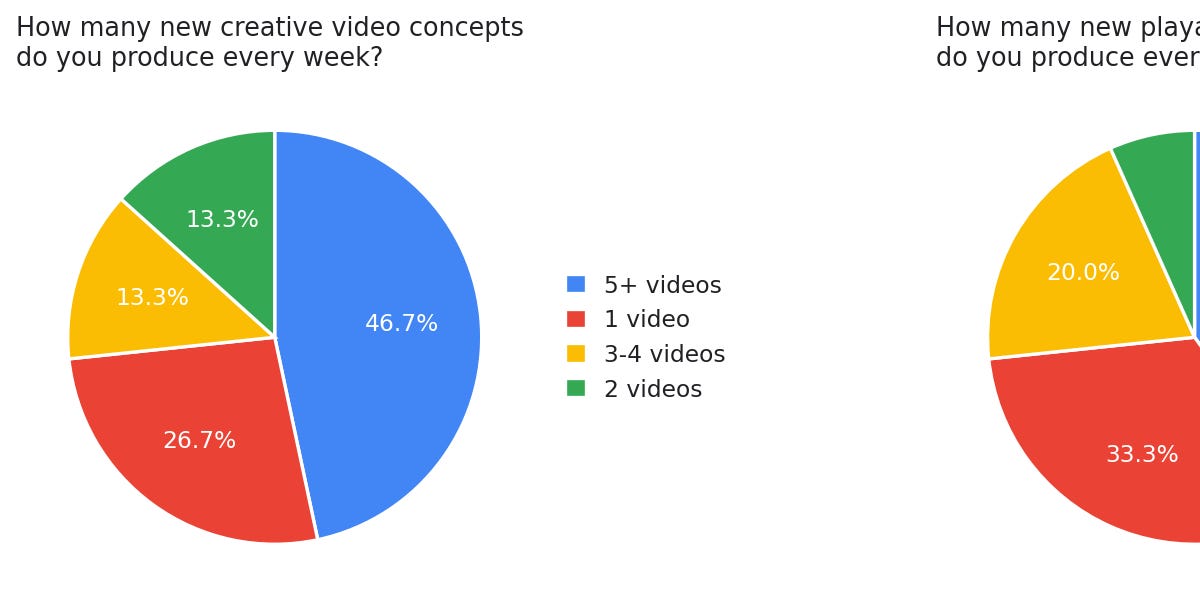
Methodologically, the insights are derived from professional consultancy experience and industry observations shared during major gaming conferences like MAU Las Vegas. The findings conclude that while high-volume creative testing is essential, the quality and conceptual diversity of those creatives—often sourced through external agencies—are more impactful than simply meeting high-volume production quotas.